


Sensinova · Lighting Controls

Sensors that fade into the ceiling.

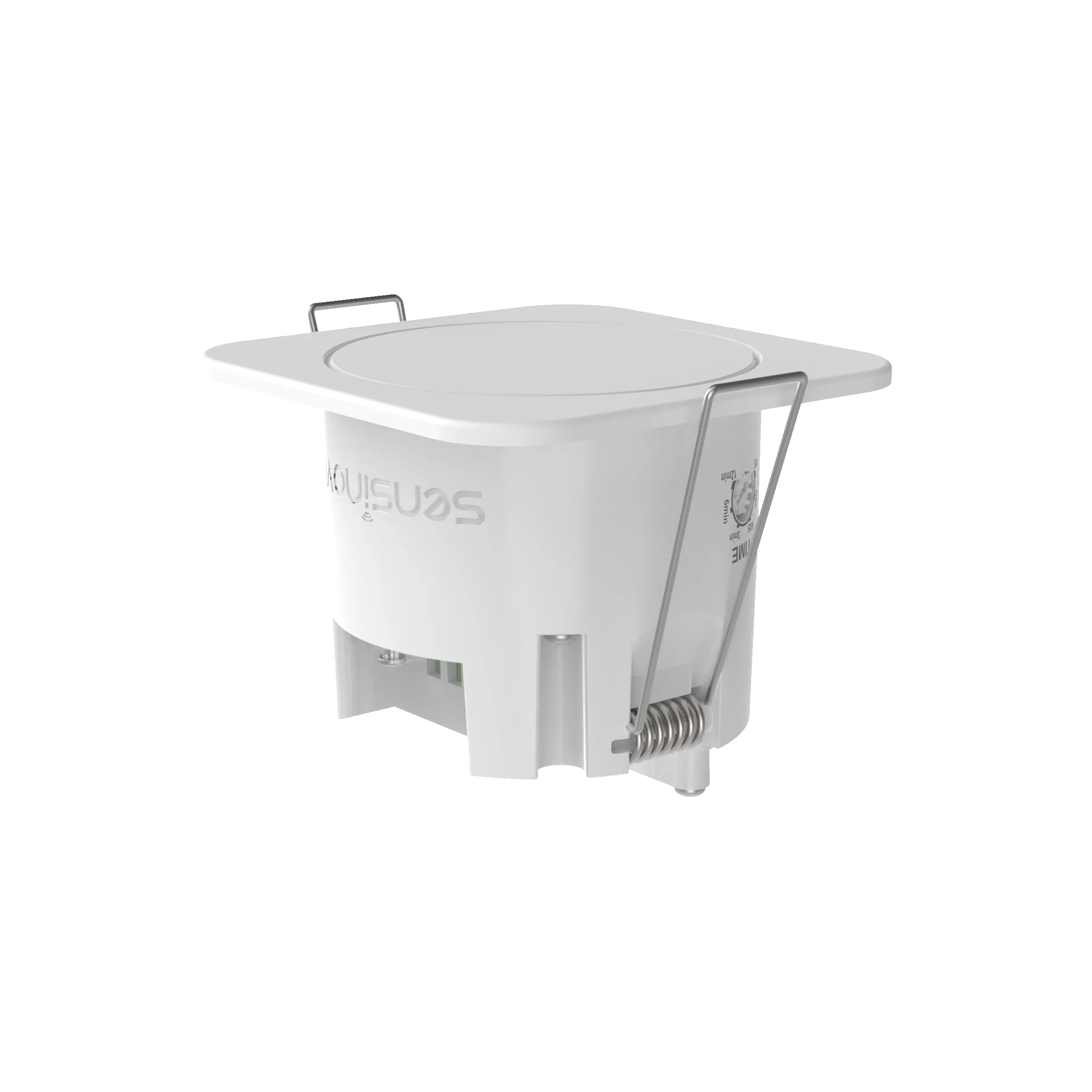
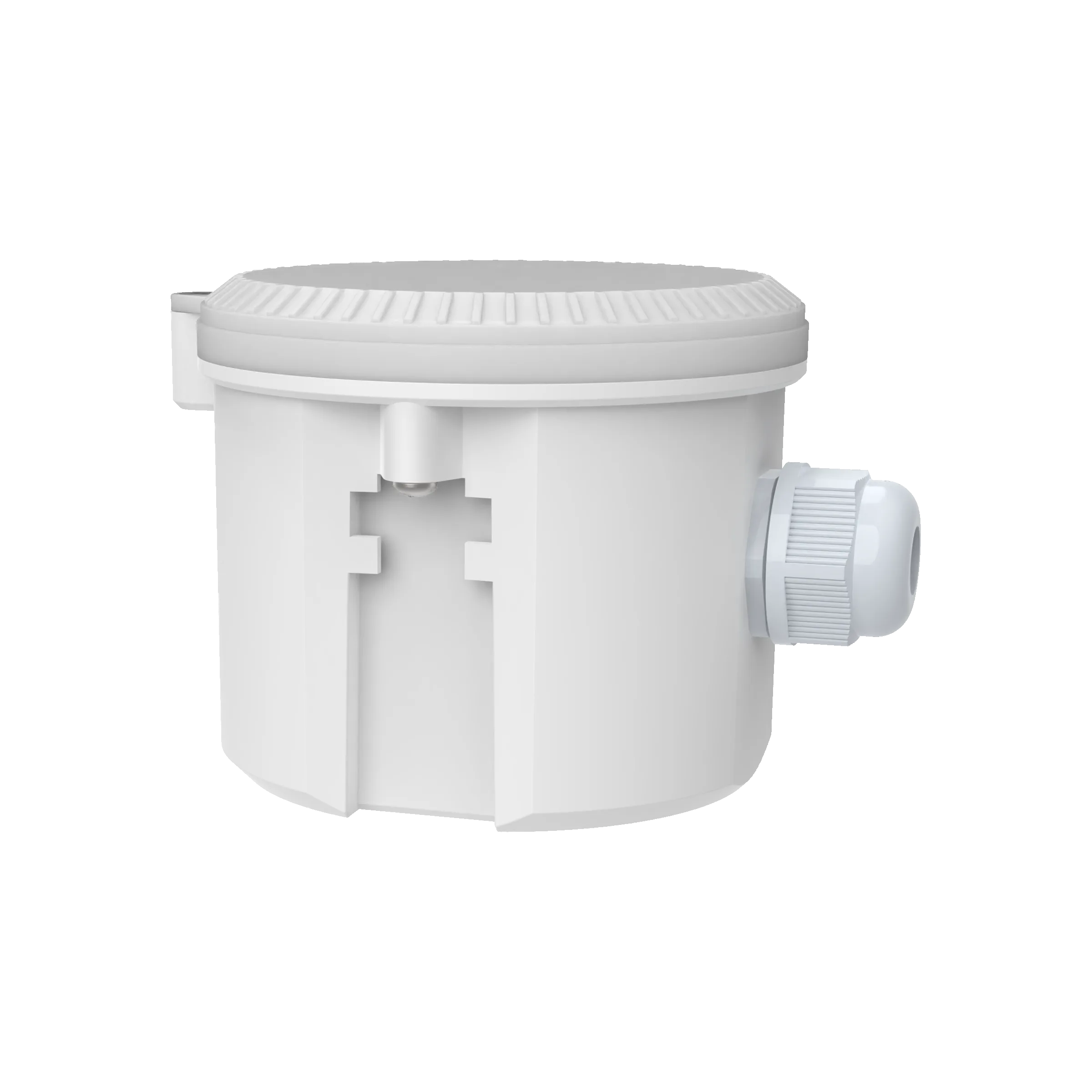
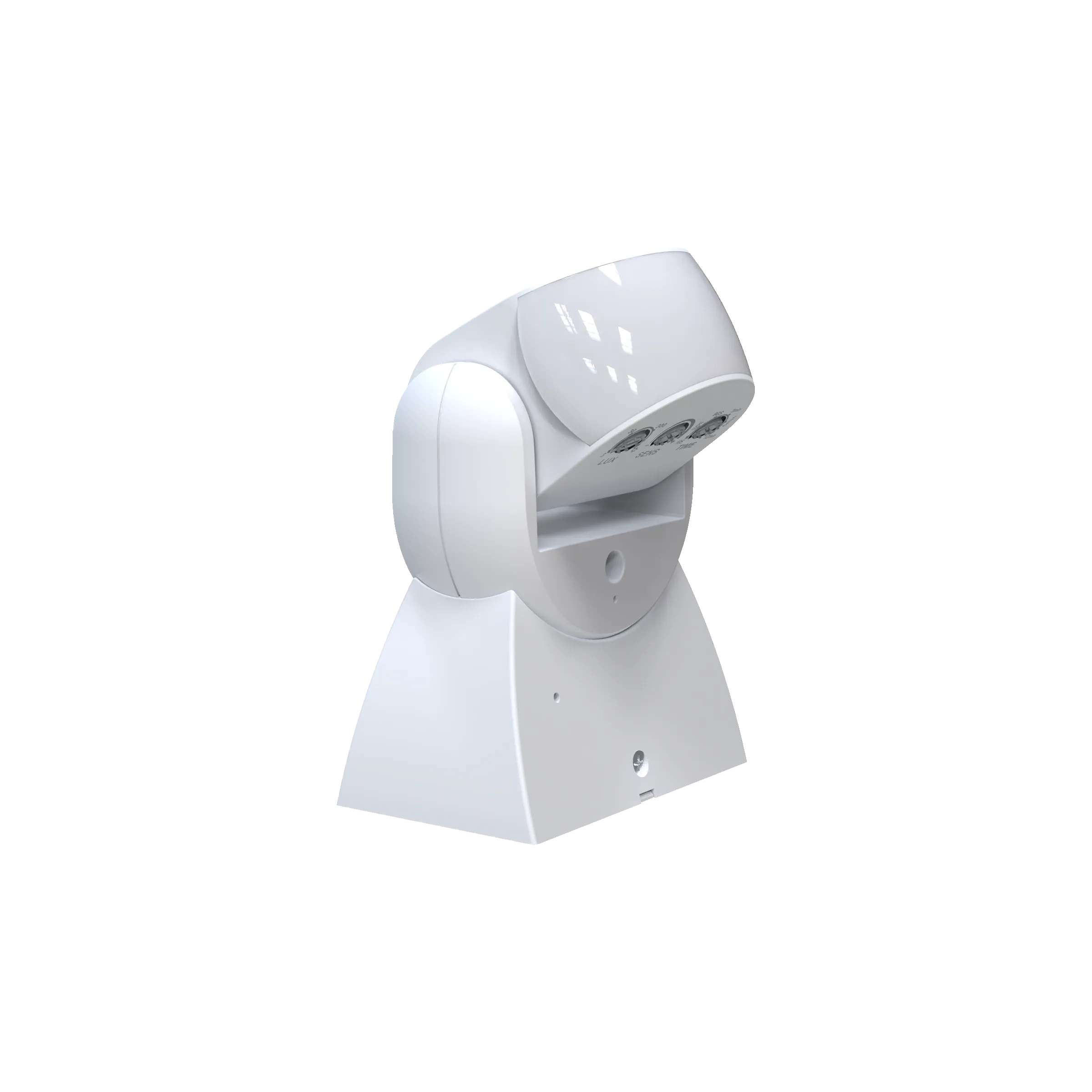
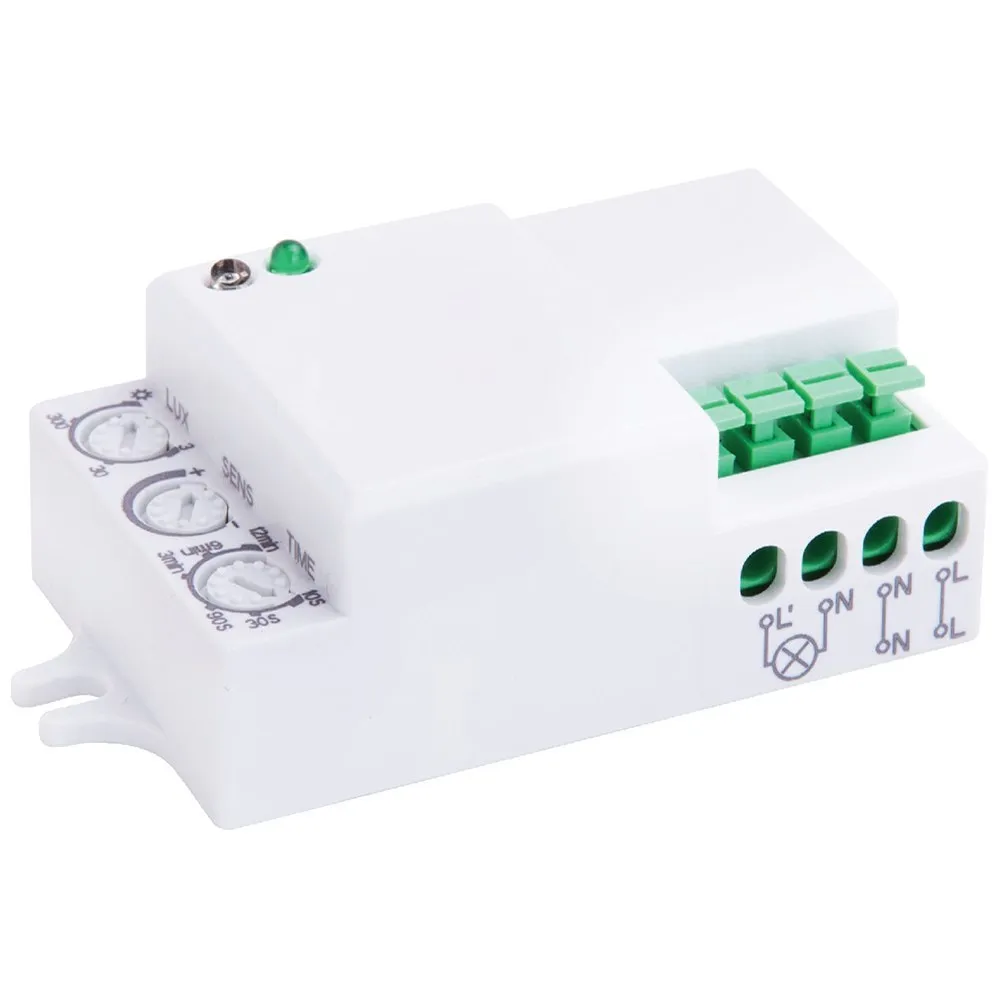
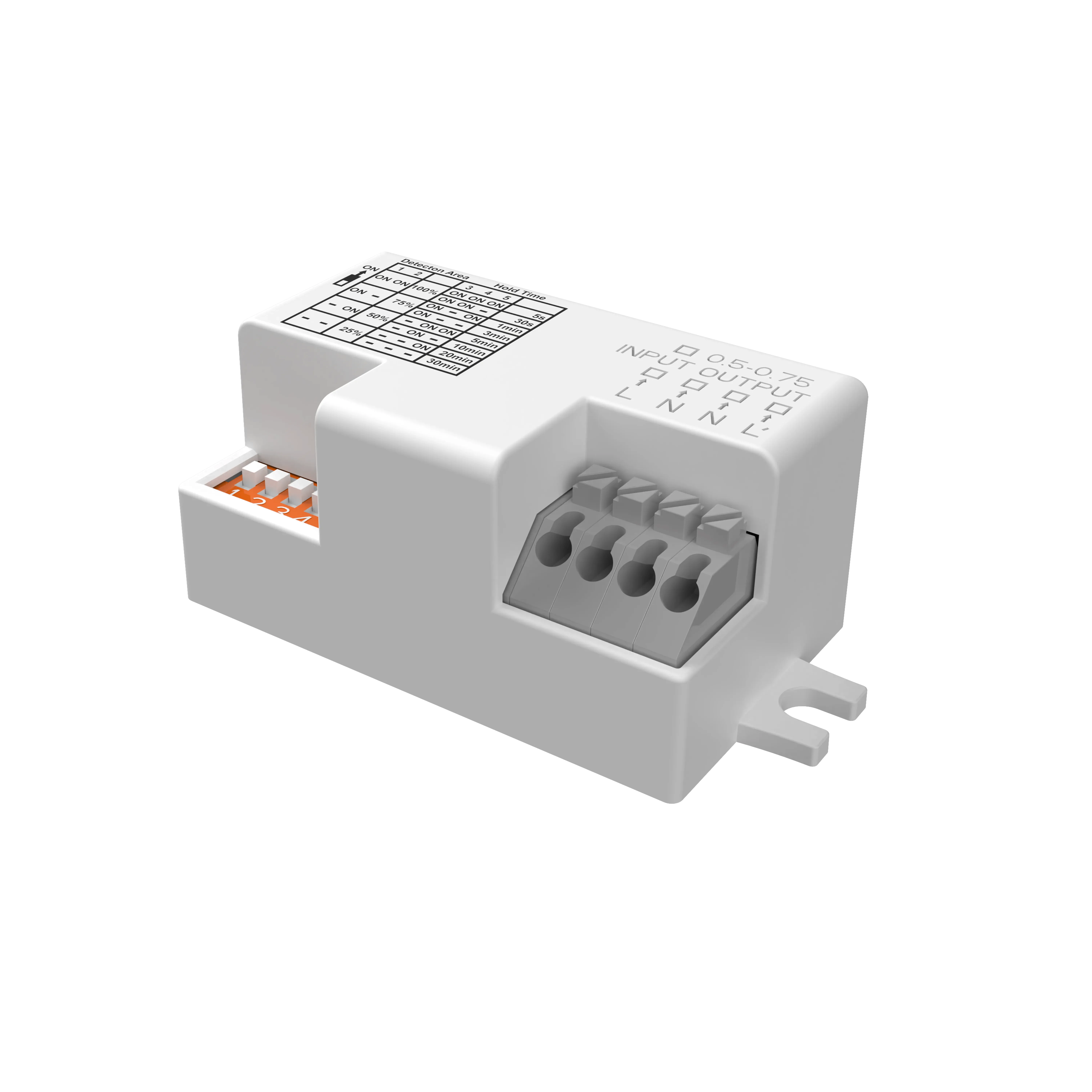
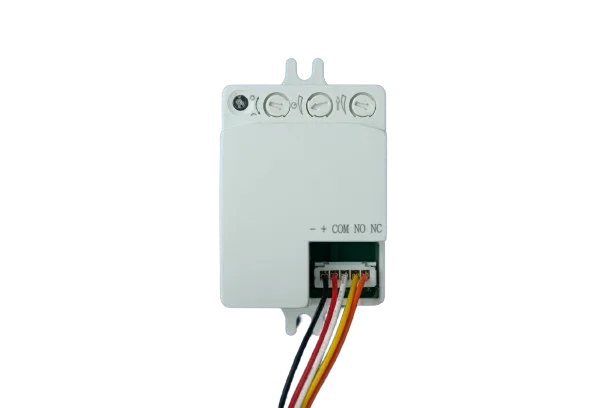
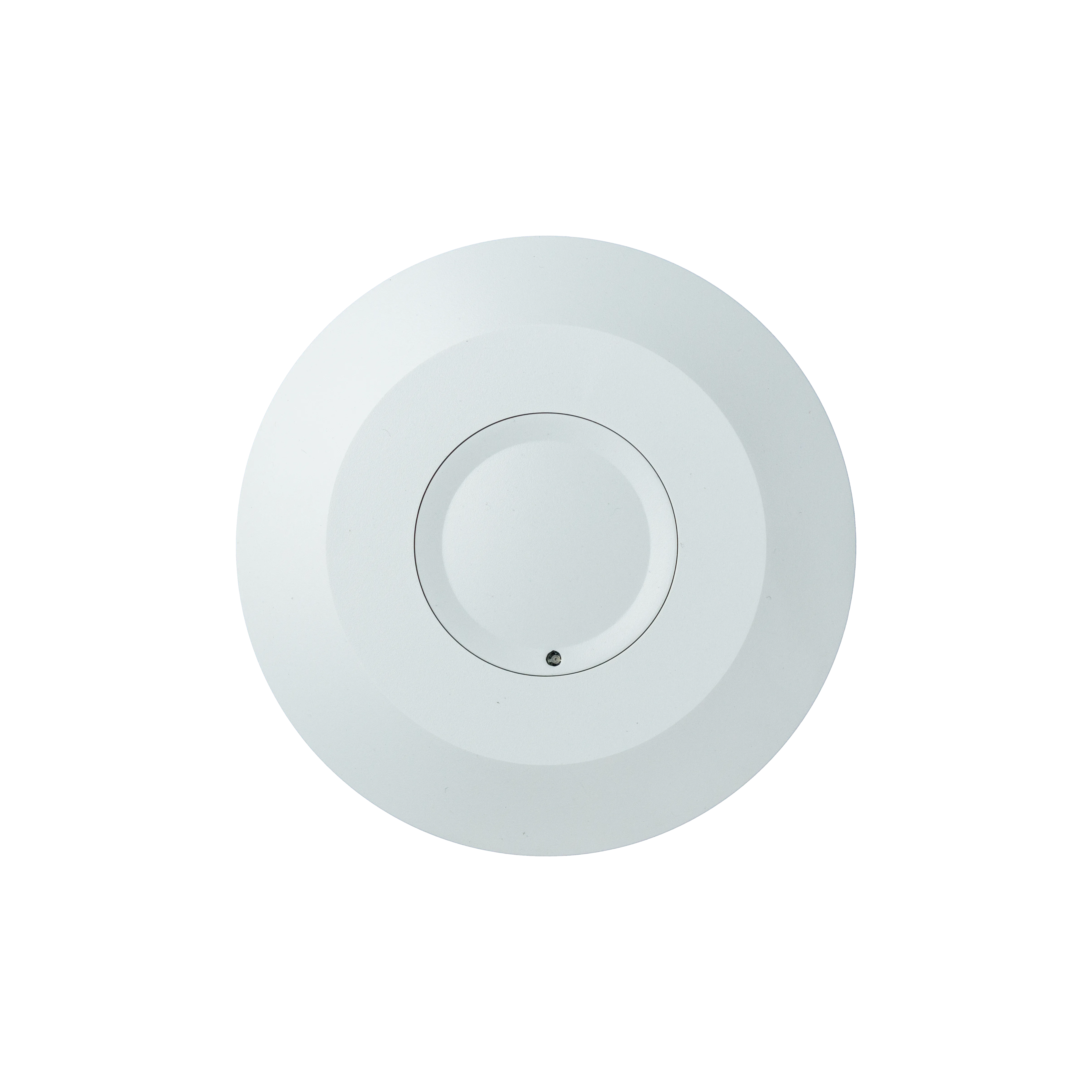
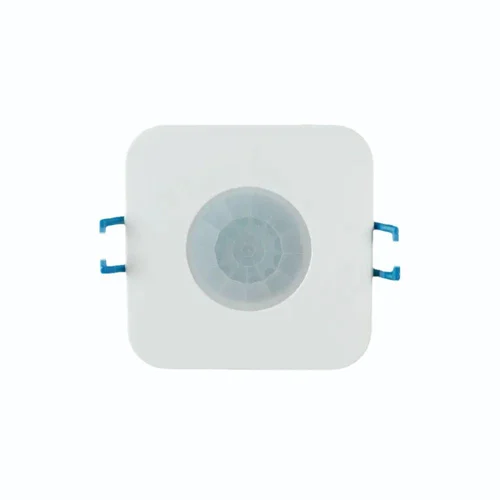
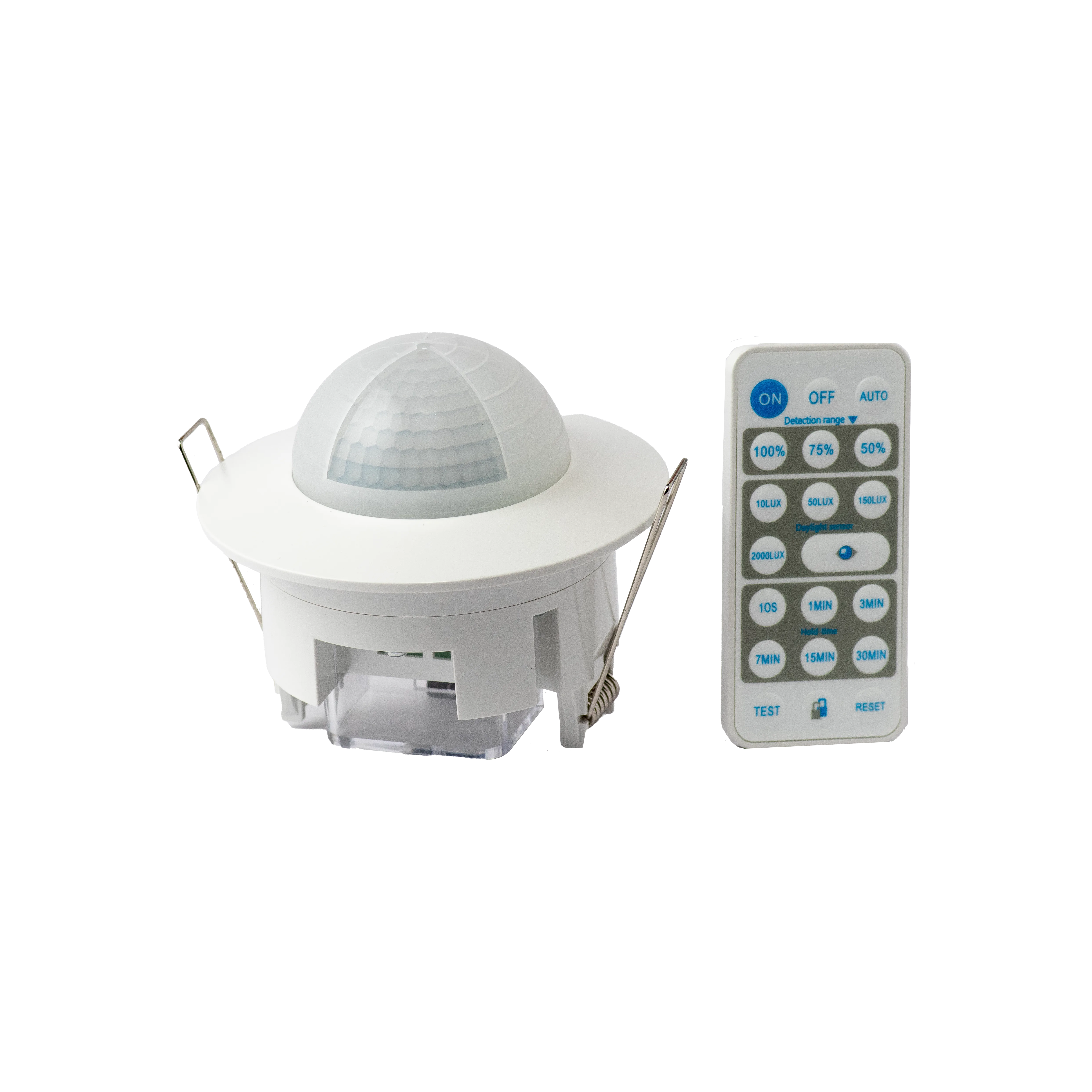
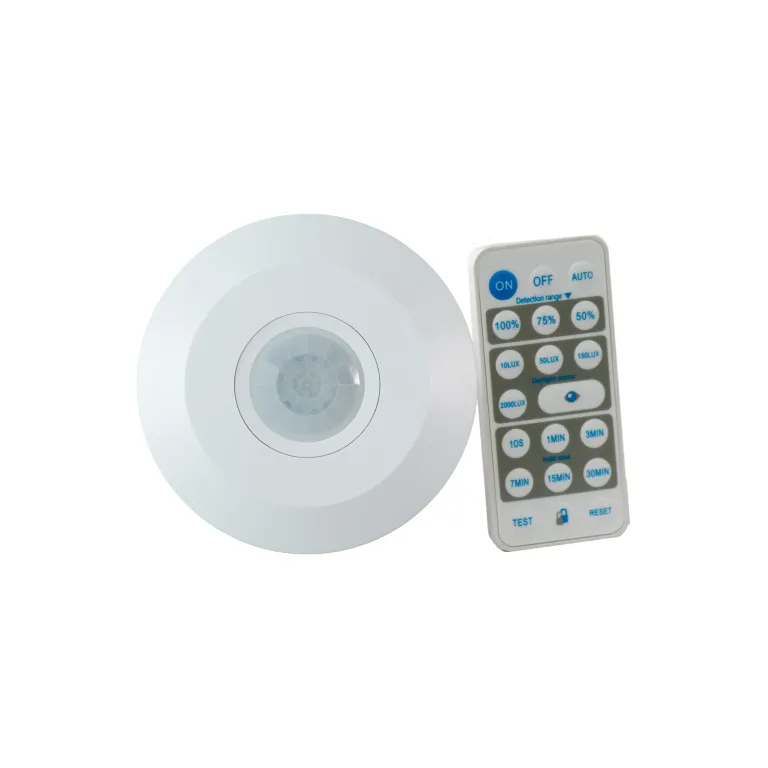
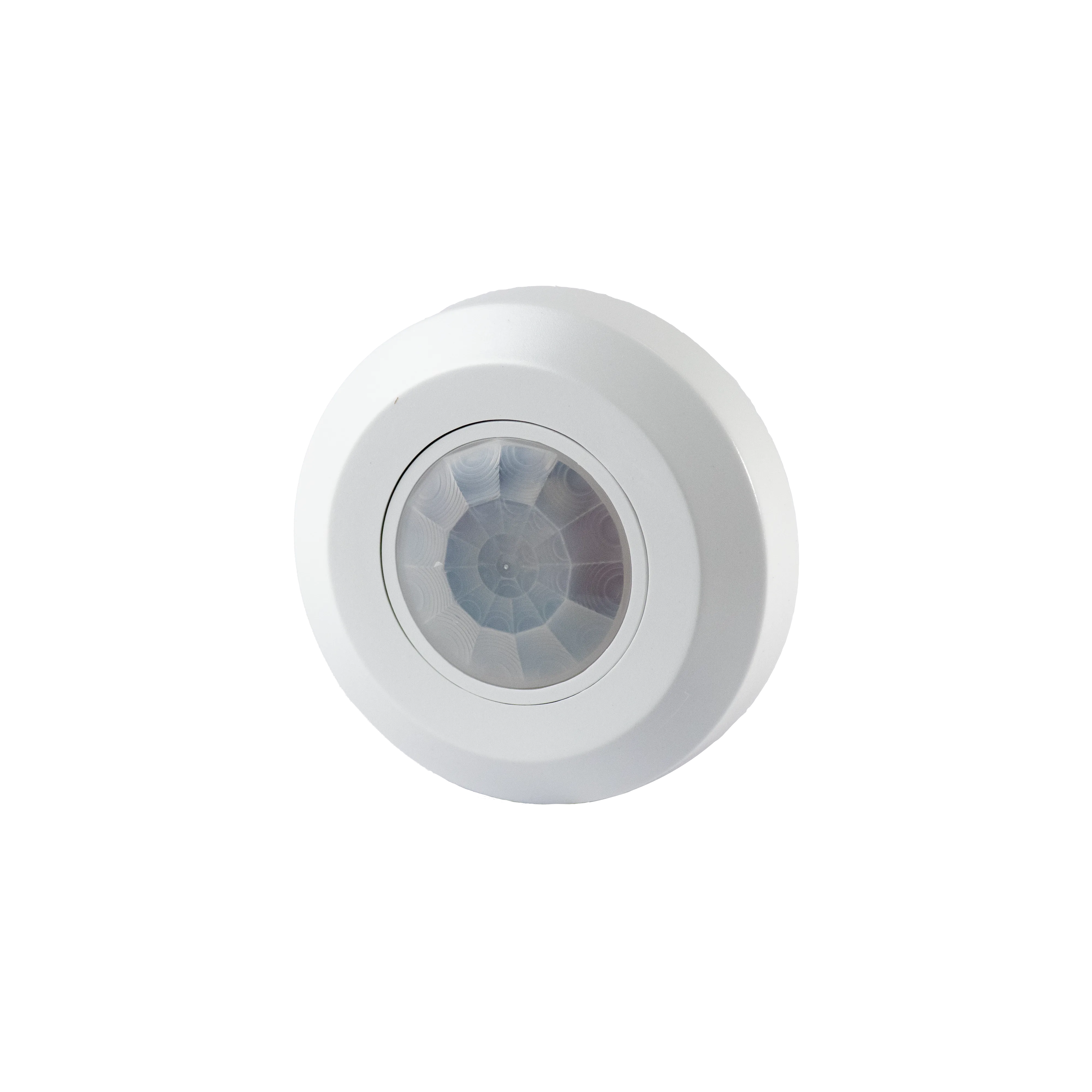
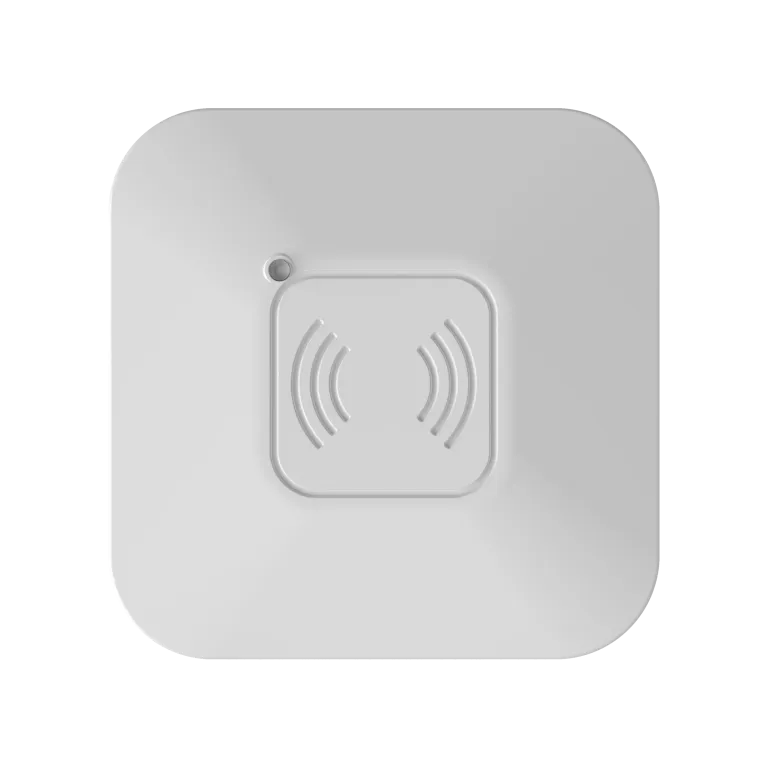
The full Sensinova motion-sensor range — microwave, PIR, DC, wardrobe and light-control sensors. Ceiling, wall, flush and surface-mount bodies with IP20-IP65 weatherproofing and full dimming options.

Sensor FAQs

Questions about motion sensors.

What is the difference between PIR and microwave sensors?

PIR sensors detect body heat moving across their field of view and need line of sight, which makes them reliable and resistant to false triggers. Microwave sensors detect motion via reflected radio waves and can sense through thin partitions and glass, making them better for washroom cubicles and stairwells.

How much energy can motion sensors save?

Typically 30 to 50 per cent of lighting energy in corridors, washrooms, stairwells and meeting rooms — spaces lit far longer than they are occupied. Adding daylight sensing on perimeter zones can push total savings past 60 per cent in a daylit office.

Why does my sensor switch off while I am still in the room?

Basic motion sensors need movement to re-trigger, so someone sitting still at a desk falls below the detection threshold. For long-dwell spaces specify a true-presence sensor, which detects much smaller movements, and set an appropriate hold-on time.

Can a sensor control existing light fittings?

Yes. The sensor switches or dims the circuit, so it works with any compatible driver regardless of fixture brand. The one thing to confirm is that the sensor output matches the driver protocol — that pairing is what determines whether dimming works smoothly.

Where should motion sensors be avoided?

Anywhere a sudden switch-off creates a safety risk, and directly above heat sources or in the path of air-conditioning, both of which cause false triggers. Stairs and plant rooms usually want presence detection with a generous hold time rather than basic motion sensing.