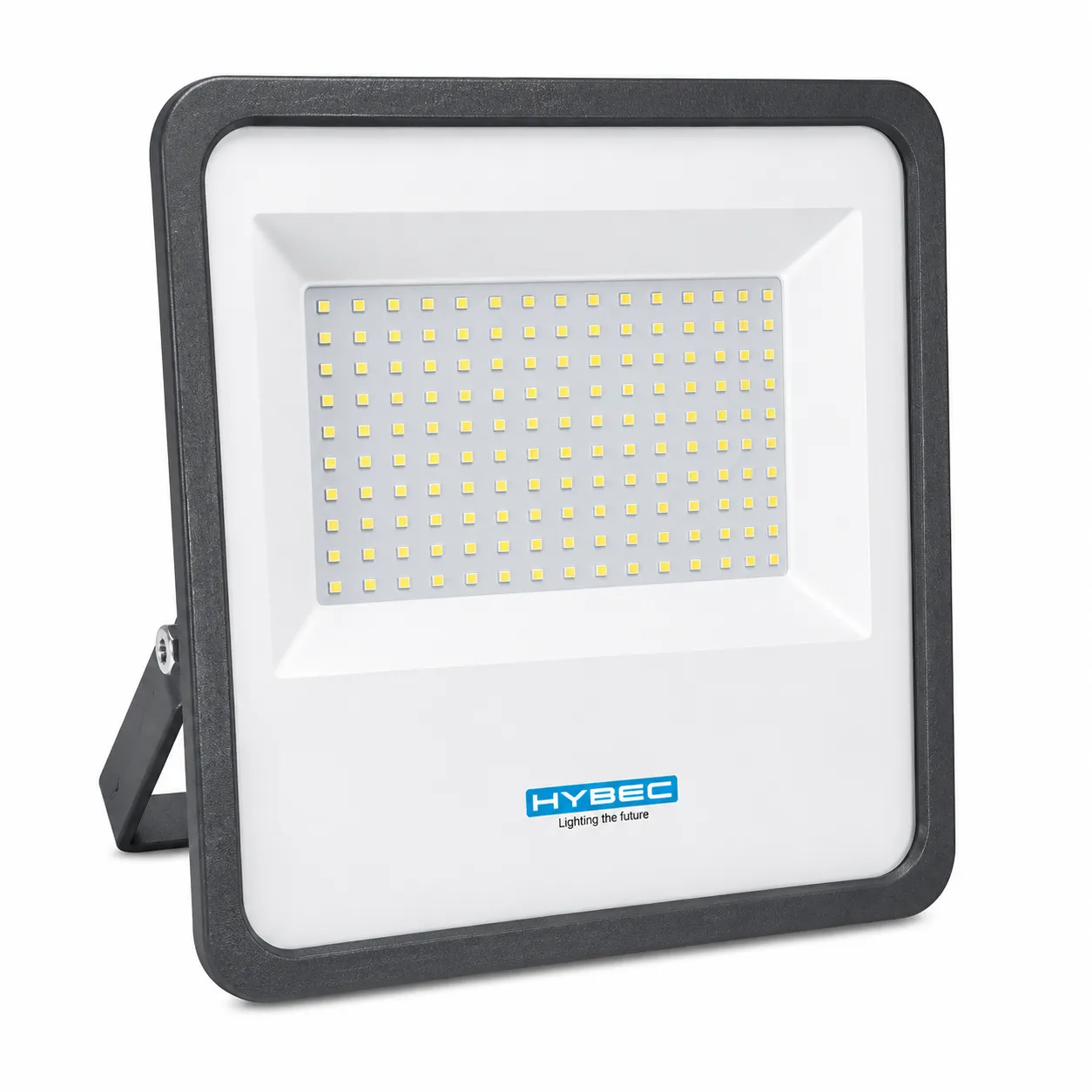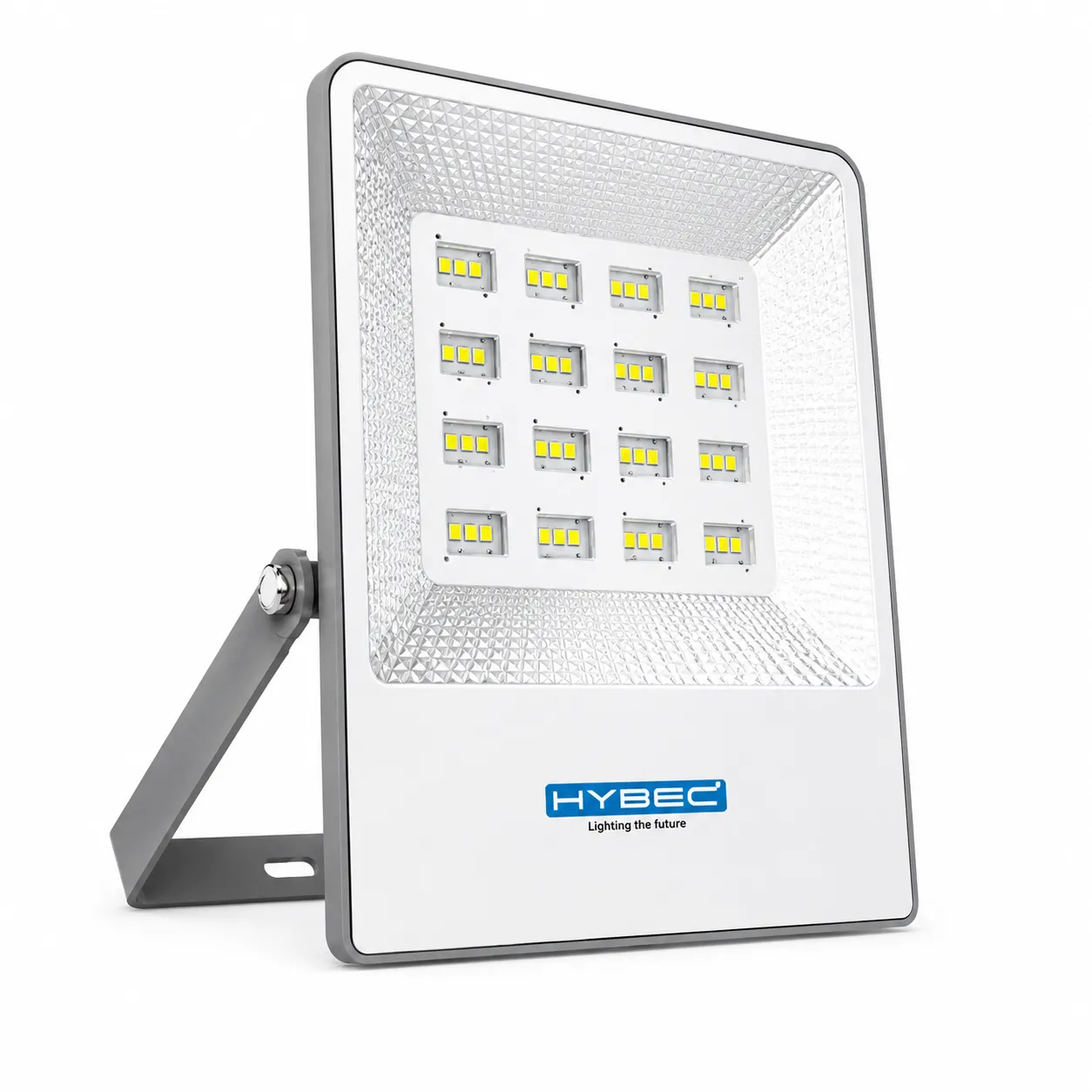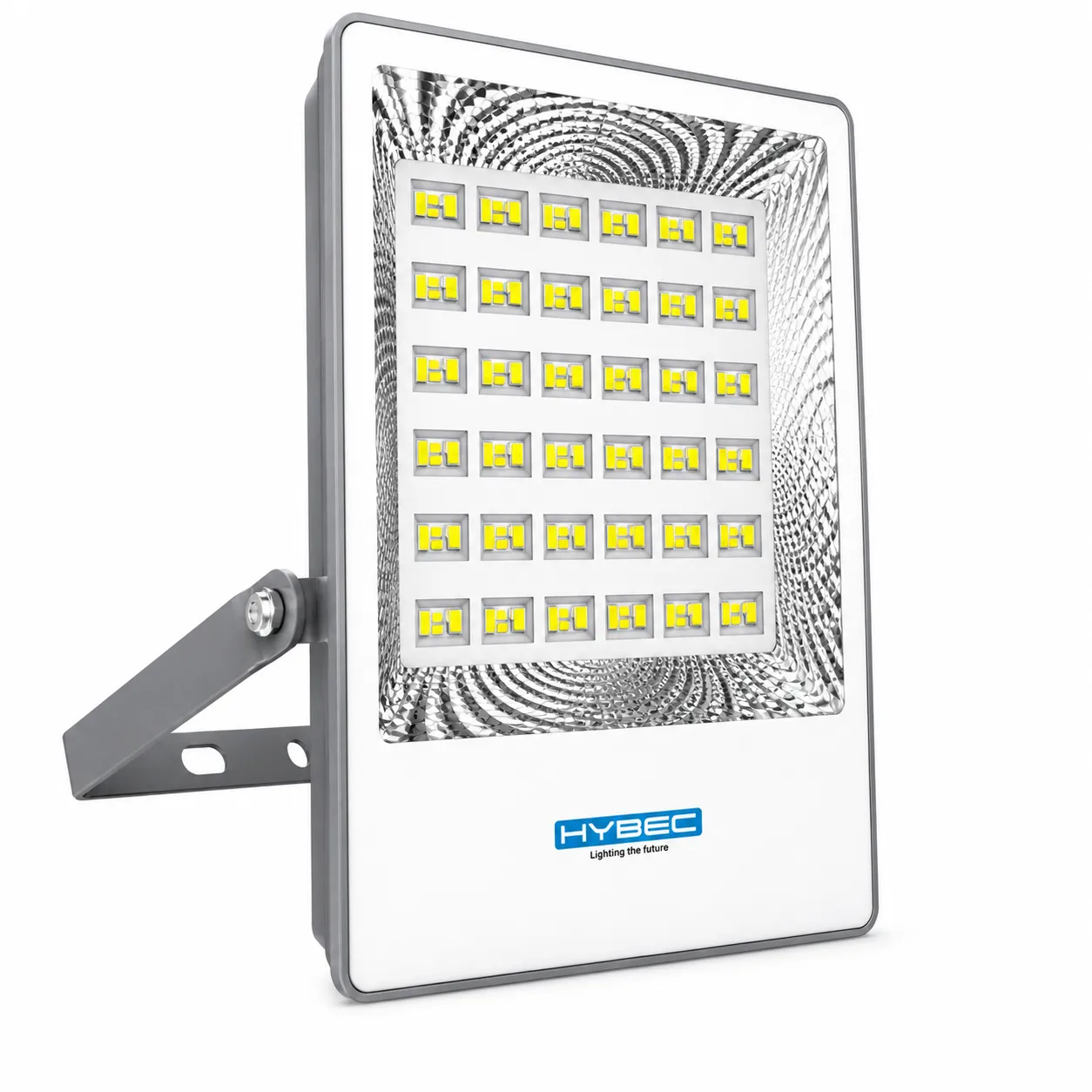


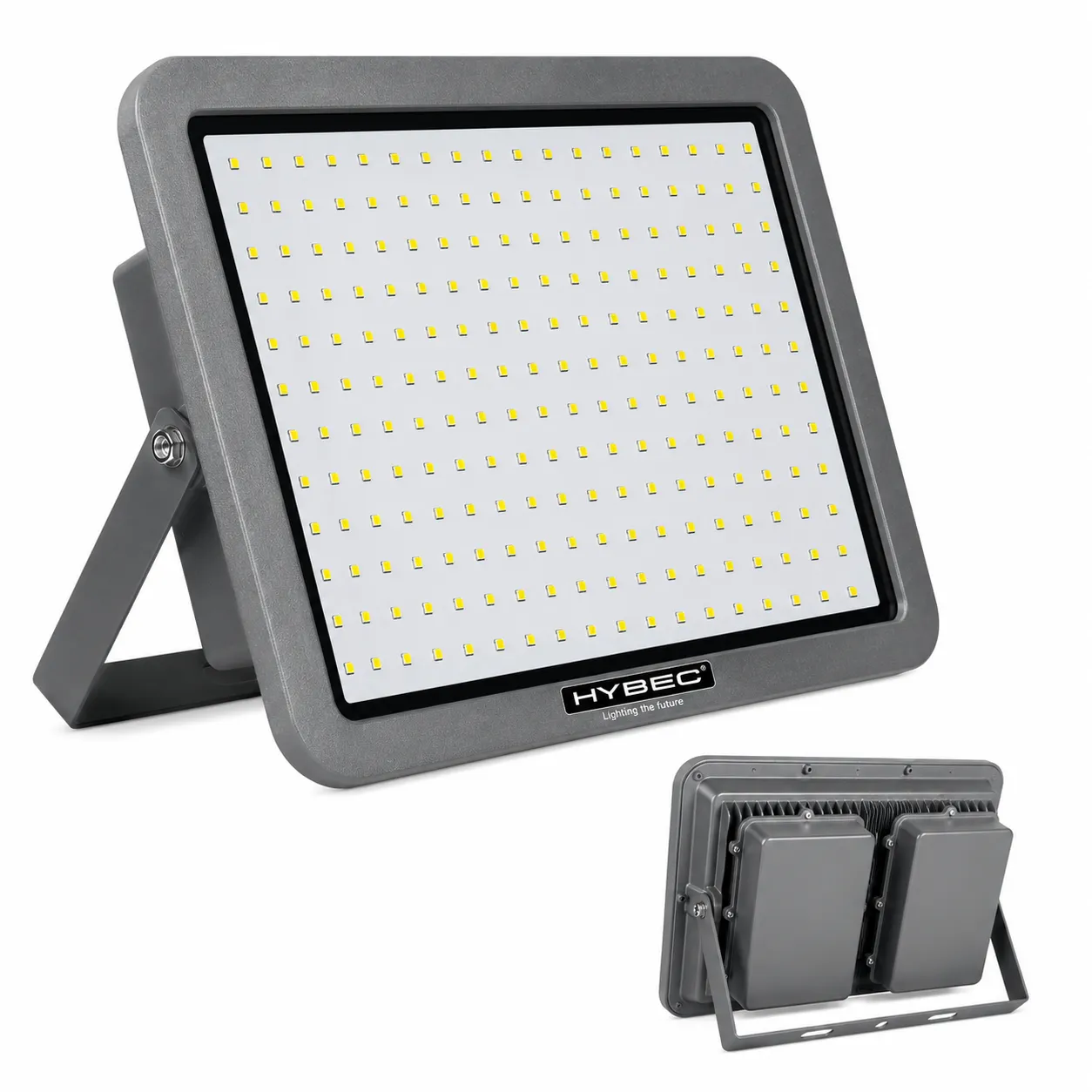

Hybec · Outdoor Lighting

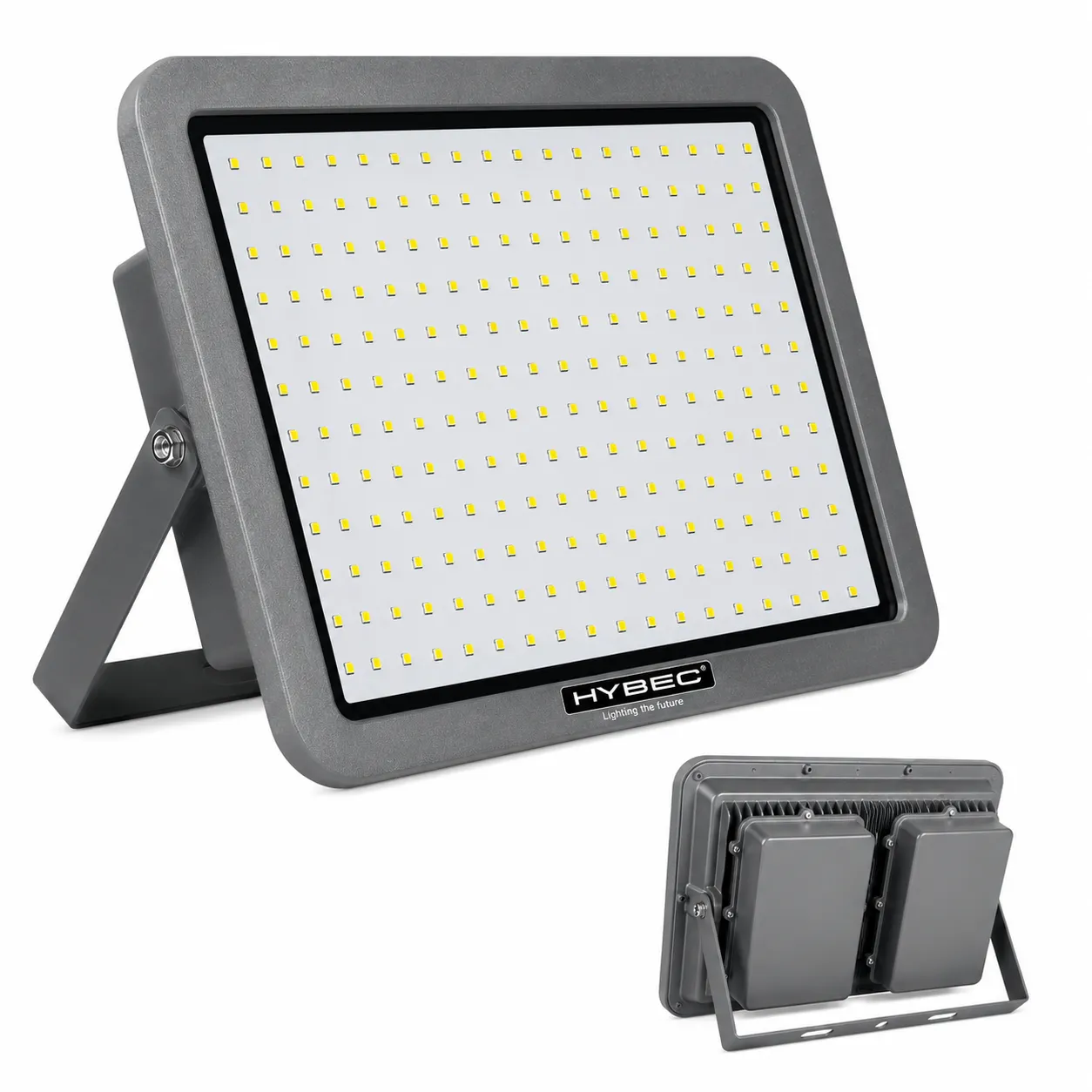
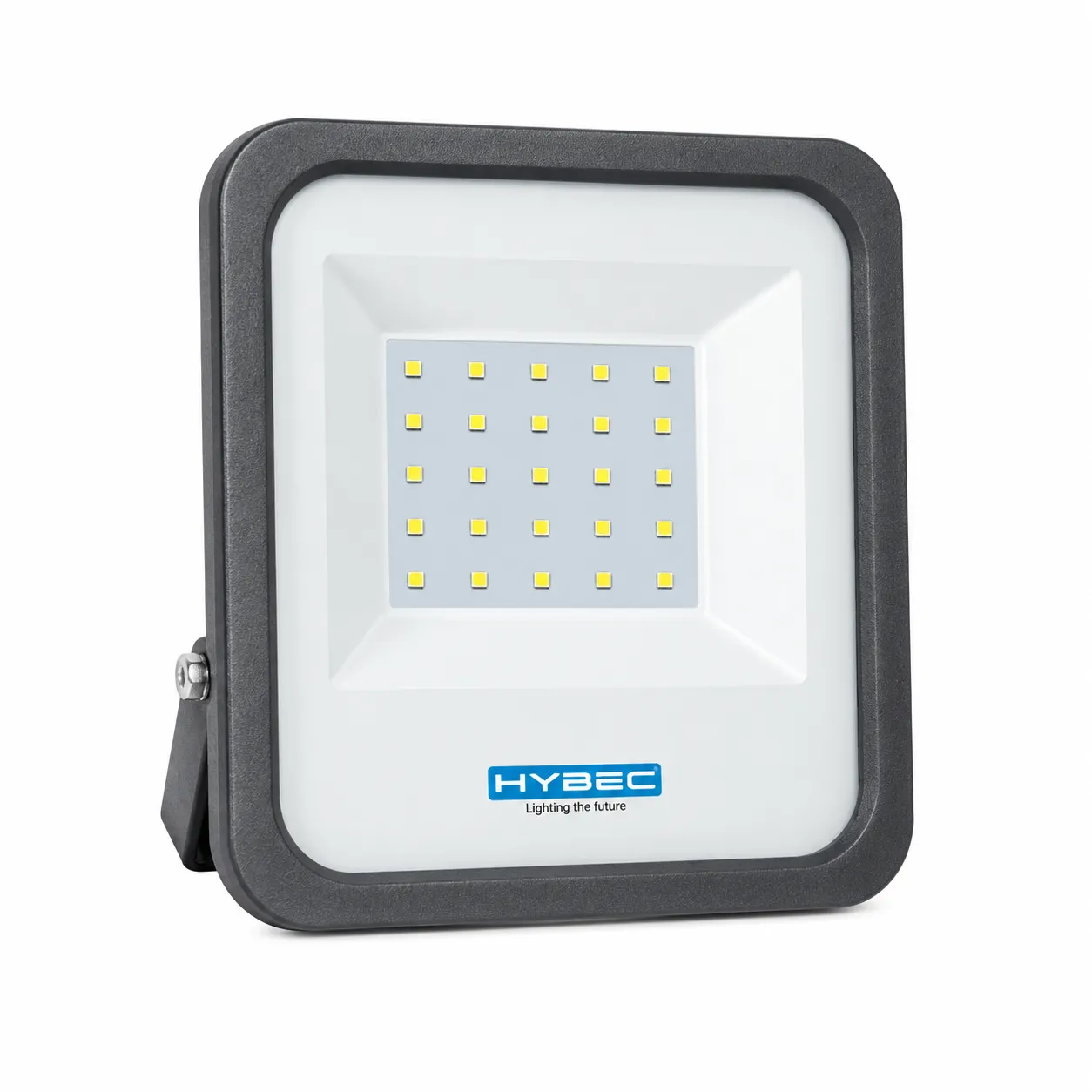
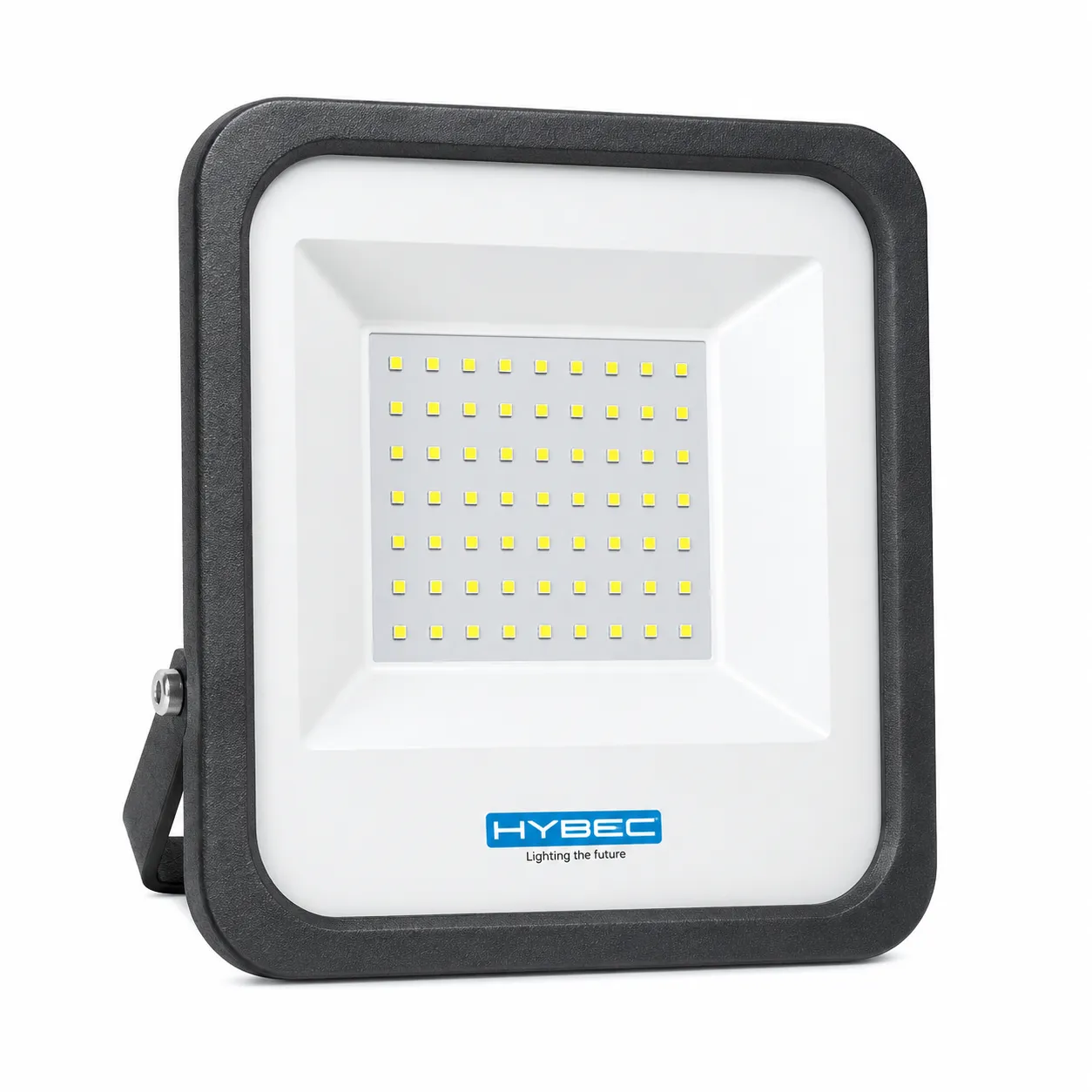
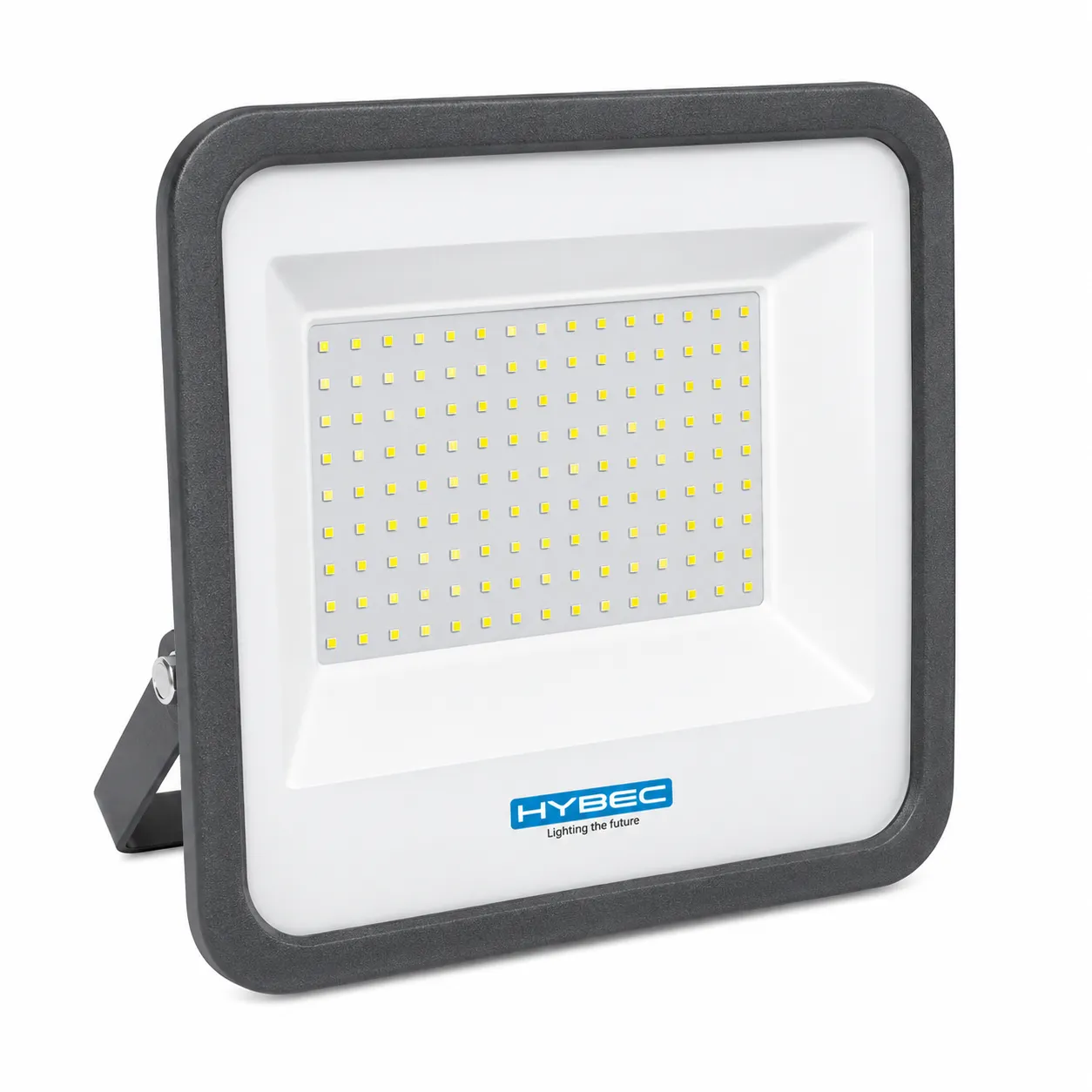
8 models, built for the weather.

Lens-equipped IP65 outdoor LED flood lights with beam-shaping optics in 10°, 30°, 60°, 90° and 120° — for sports lighting, facade floodlighting and security illumination.

IP65 8 SKUs Hybec catalogue by Hybec →

Where these get used

Applications & typical installations.

Most commonly used in the project types below — across homes, hotels, commercial spaces and landscape projects.

  • Building facade floodlighting
  • Sports court and play-area lighting
  • Commercial security lighting
  • Large landscape areas
  • Industrial yard lighting

A quick buyer's guide

How to pick the right one.

The things to think about when choosing the right model for your project — from weatherproofing to beam angle to how it gets mounted.

  1. 01 IP65 for all outdoor exposure
  2. 02 Beam-angle lens choice based on target distance: 10° long-throw, 30° mid-range, 60°–120° wide coverage
  3. 03 Wattage matched to mounting height and target area
  4. 04 Mounting yoke for floor, pole or wall installation

What's standard across the range

Built-in quality features.

  • IP65 sealed die-cast body
  • Interchangeable lens options (10° / 30° / 60° / 90° / 120°)
  • Adjustable mounting yoke
  • Hybec driver, integrated

FAQs

Common buyer questions.

Quick answers to the questions we hear most often about this range.

What wattage flood light do I need?

For a domestic driveway or small yard, 30–50W is usually enough. For a building facade or compound, 100–150W. For a sports court or large industrial yard, 200W and above. Wattage alone is not the answer though — beam angle and mounting height matter just as much.

What is the difference between symmetric and asymmetric floods?

A symmetric flood throws light evenly around its aiming axis, which suits general area lighting. An asymmetric flood pushes the beam forward and down, which is what you want for washing a facade or lighting a wall from close range without spilling light into the sky.

How do I avoid light trespass into neighbouring property?

Aim floods downward, use asymmetric optics rather than tilting a symmetric fixture upward, and add shields or louvres where the boundary is close. Tilting a flood above the horizontal is the single most common cause of glare complaints.

Are flood lights suitable for security lighting?

Yes, though pairing them with a motion sensor is usually better than leaving them on all night — it saves energy and a light that suddenly comes on is a stronger deterrent than one that is always lit. Specify IP65 minimum for any exposed position.