


Hybec · Outdoor Lighting

31 models, built for the weather.

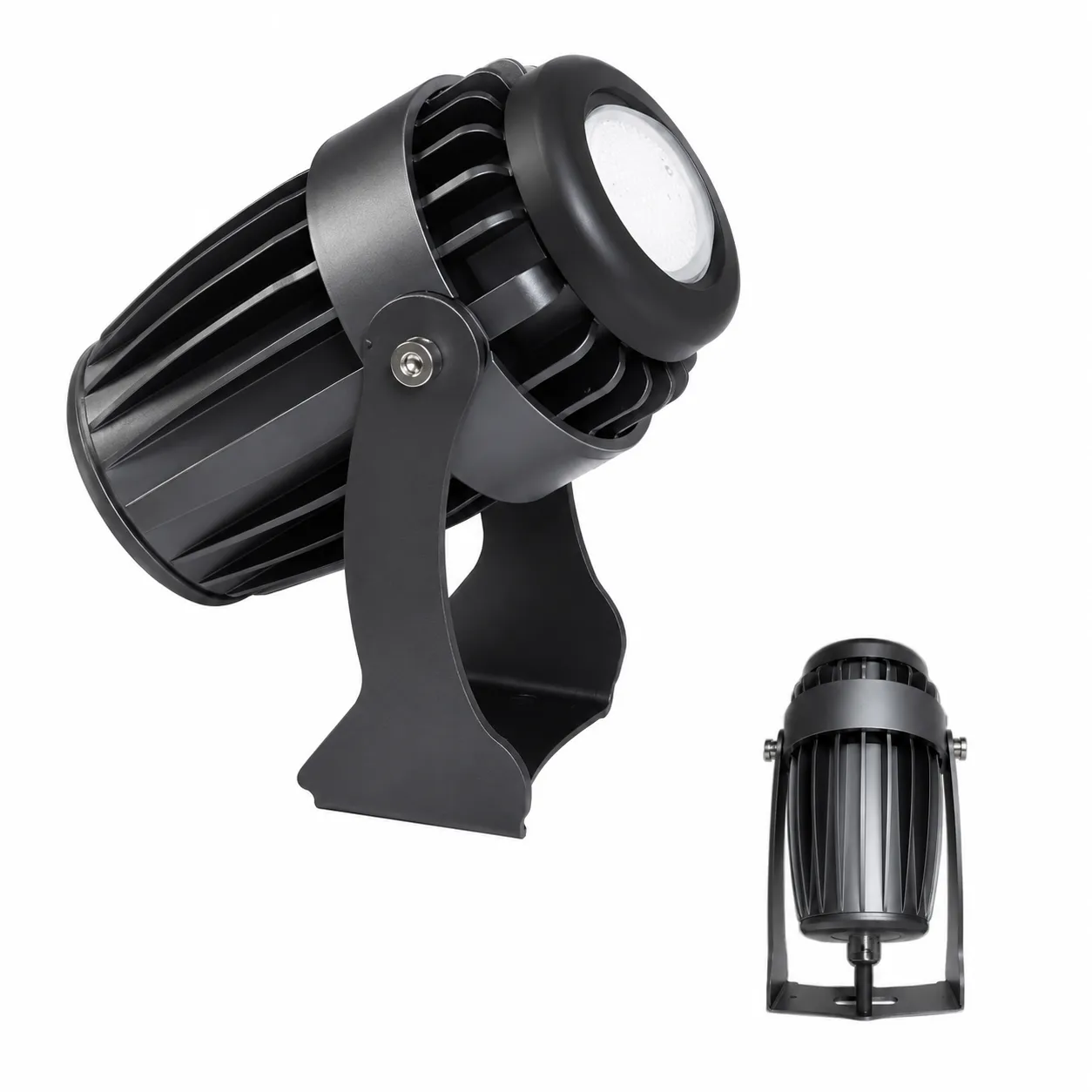
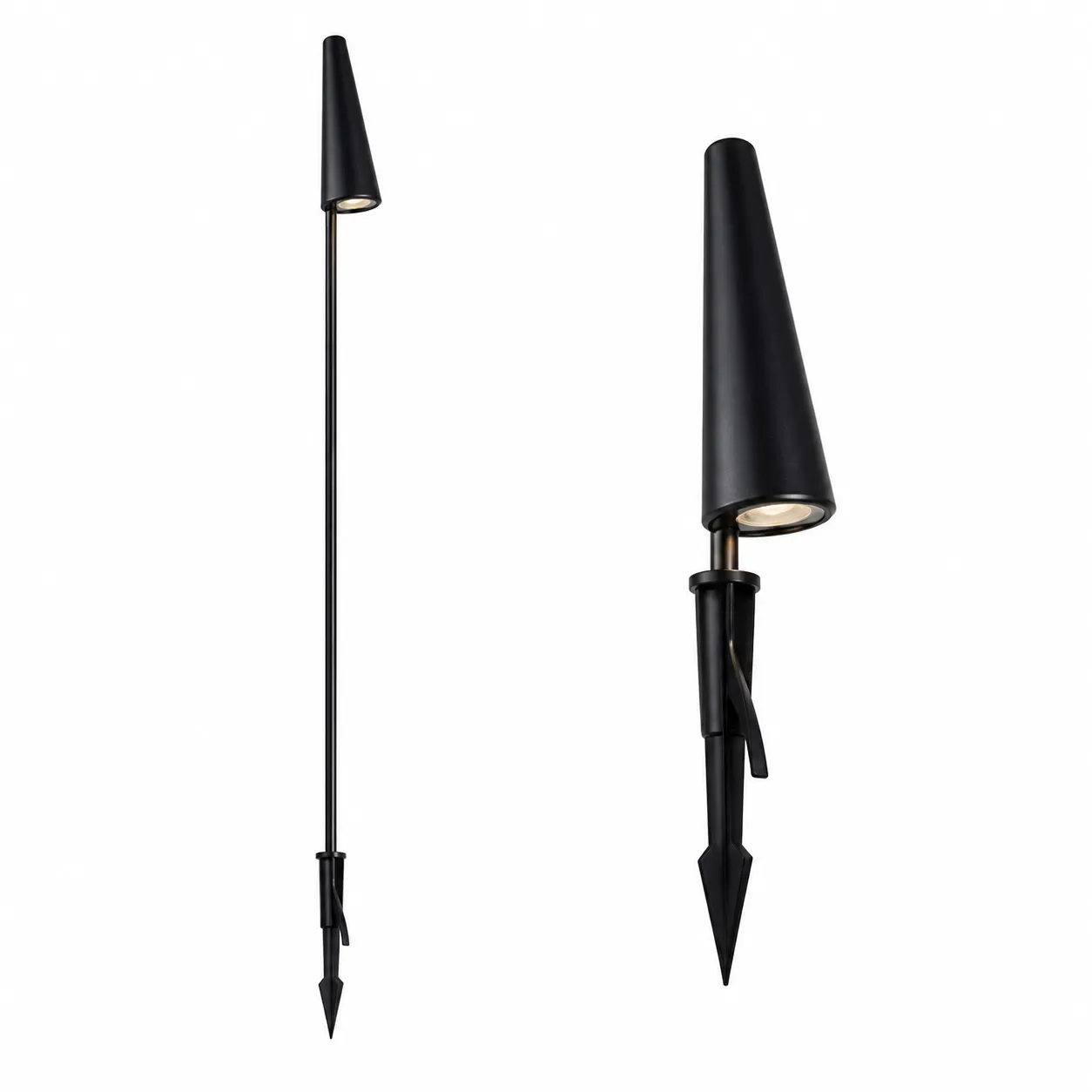
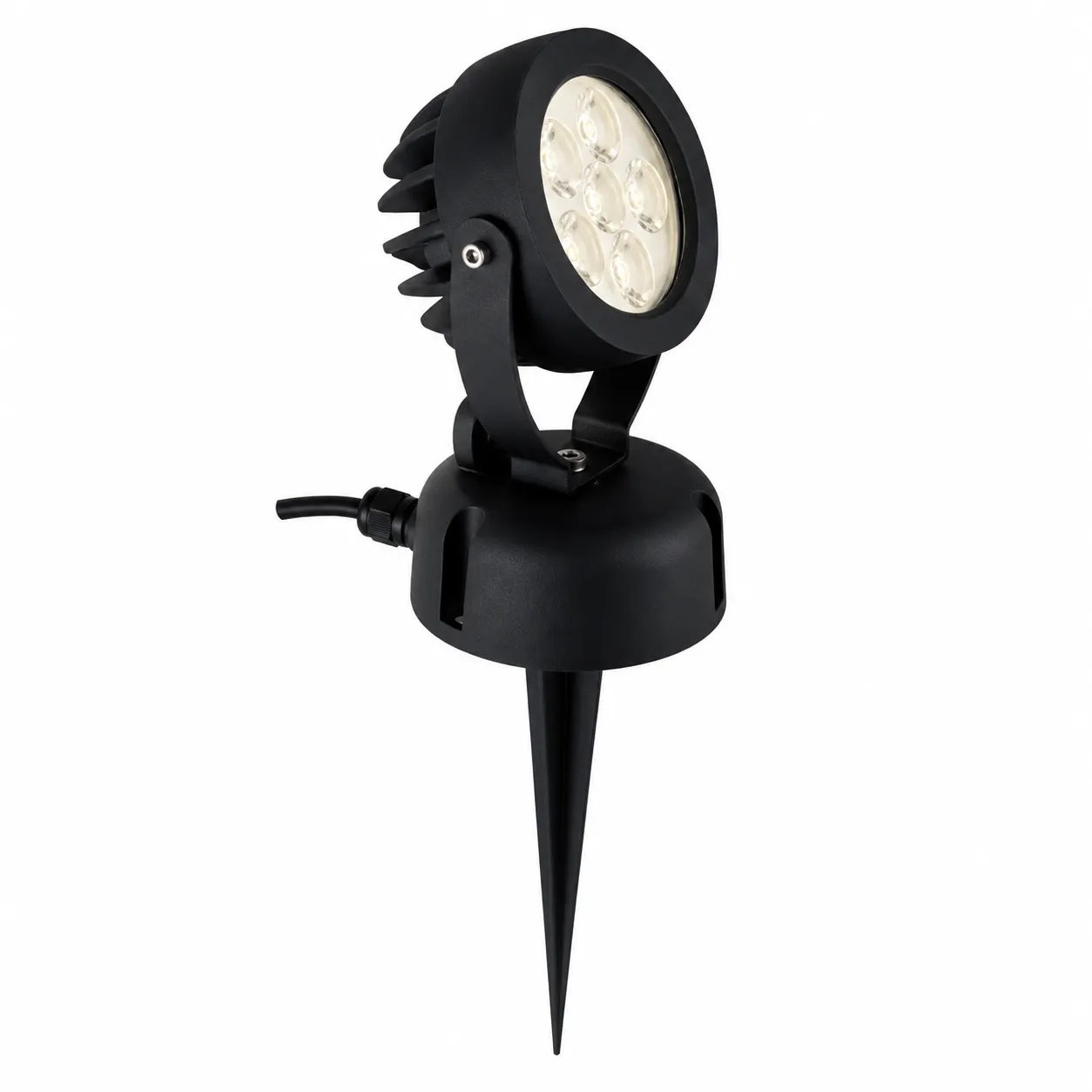
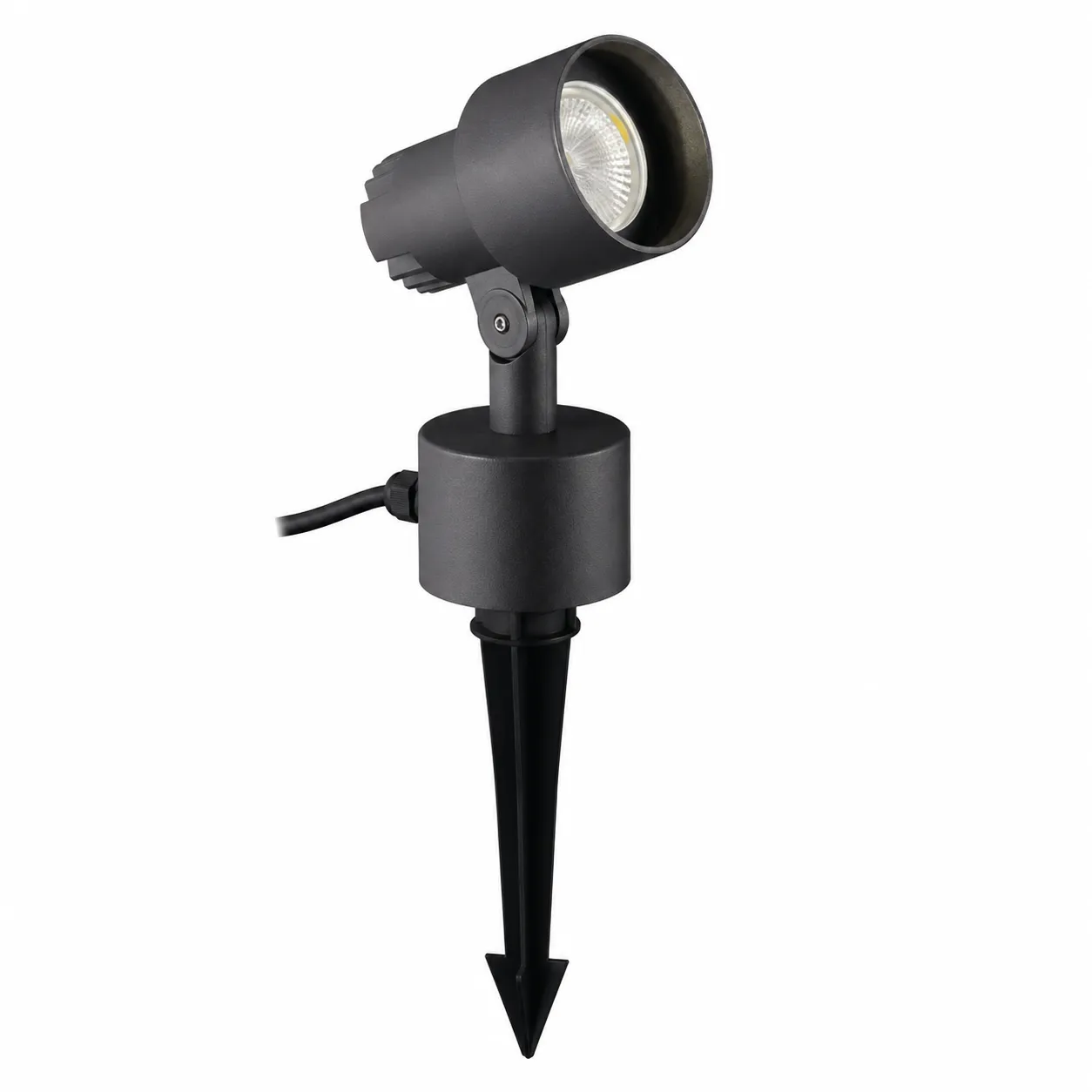
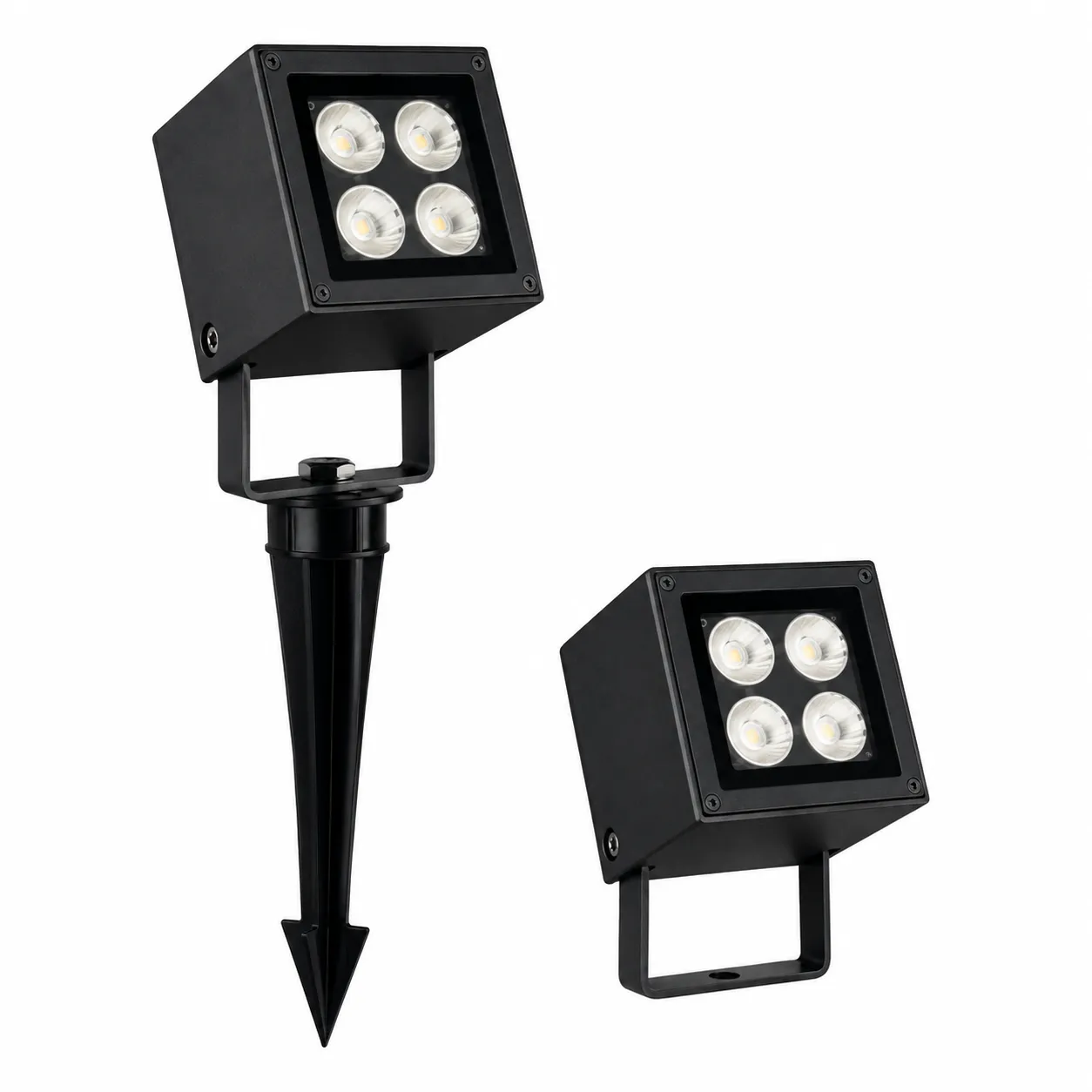
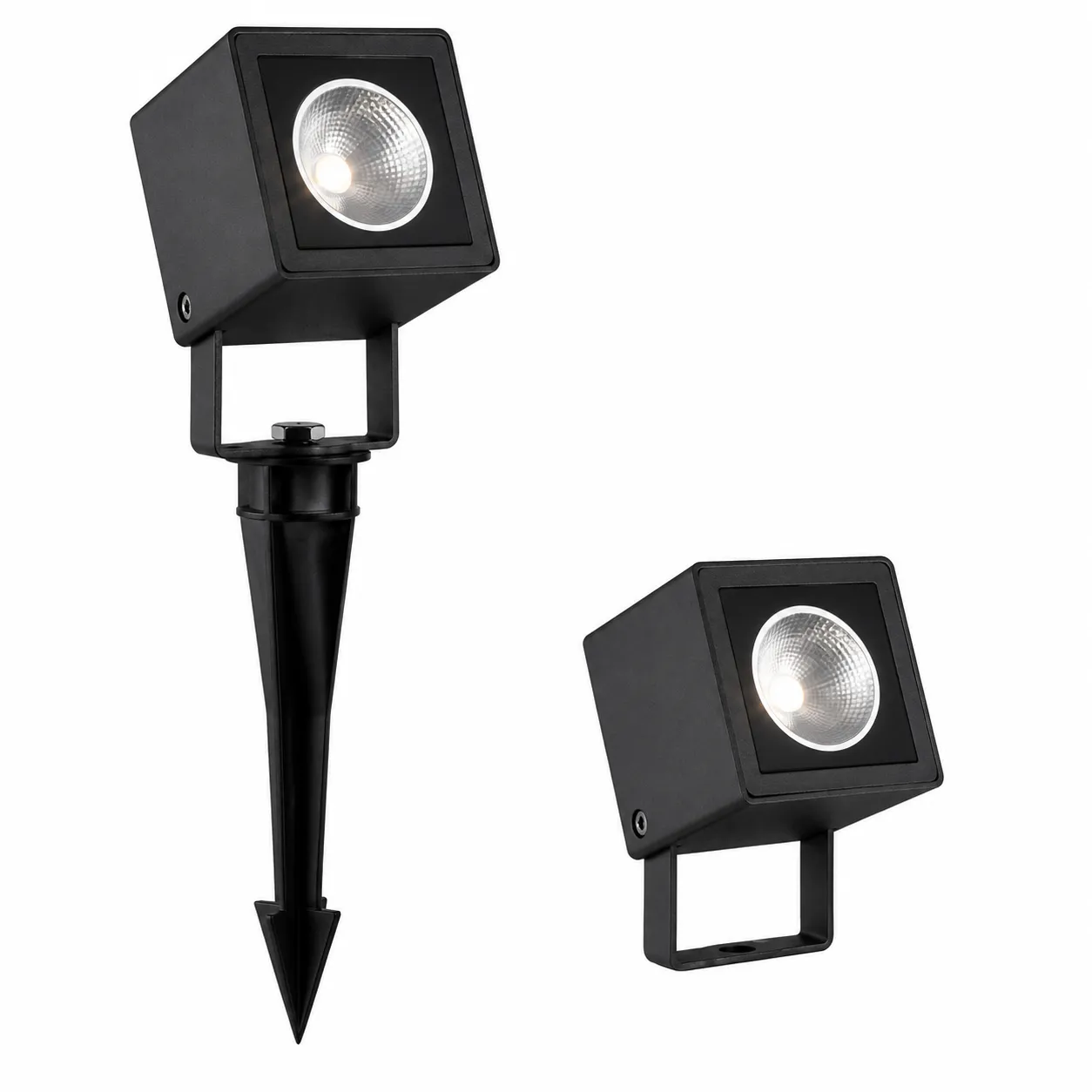
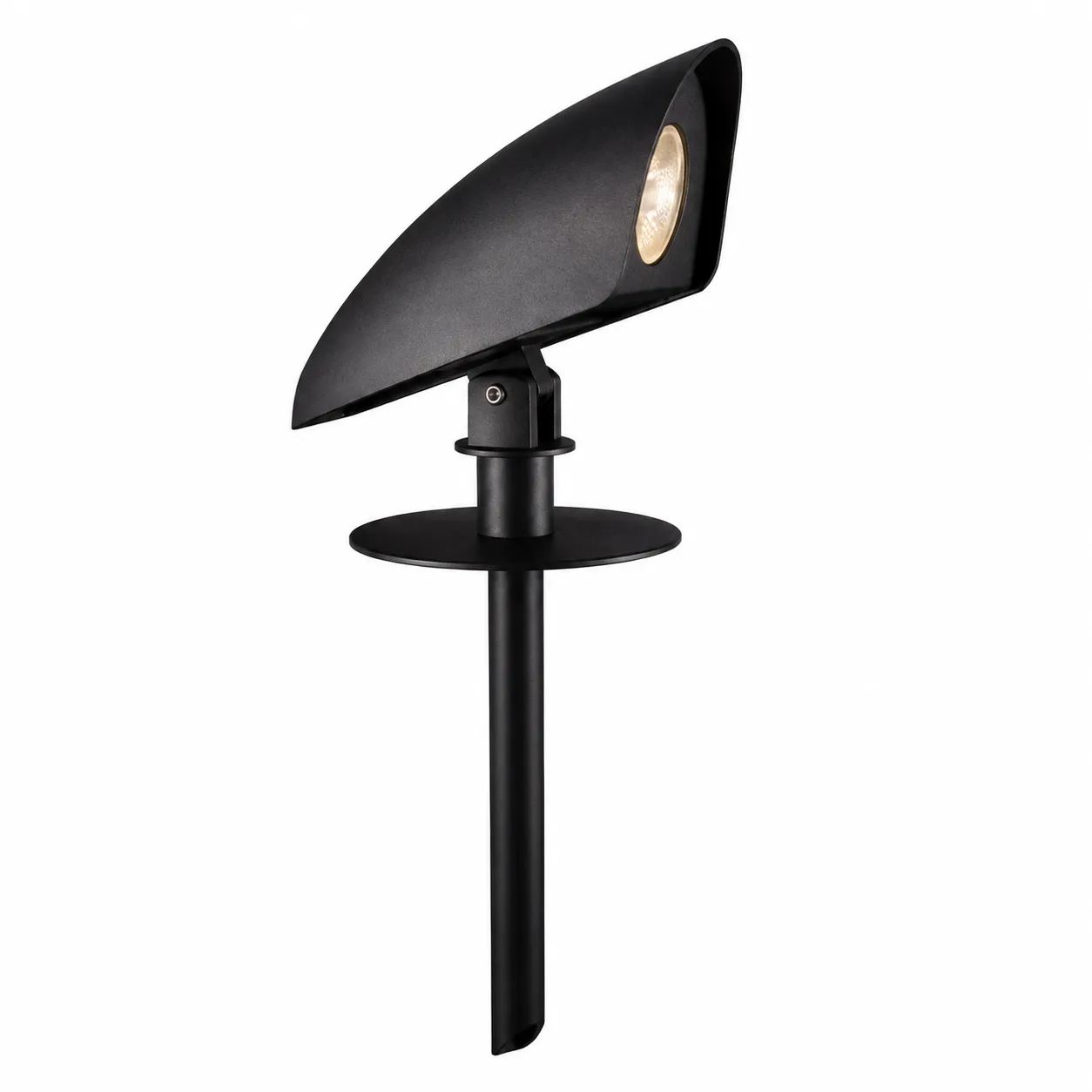
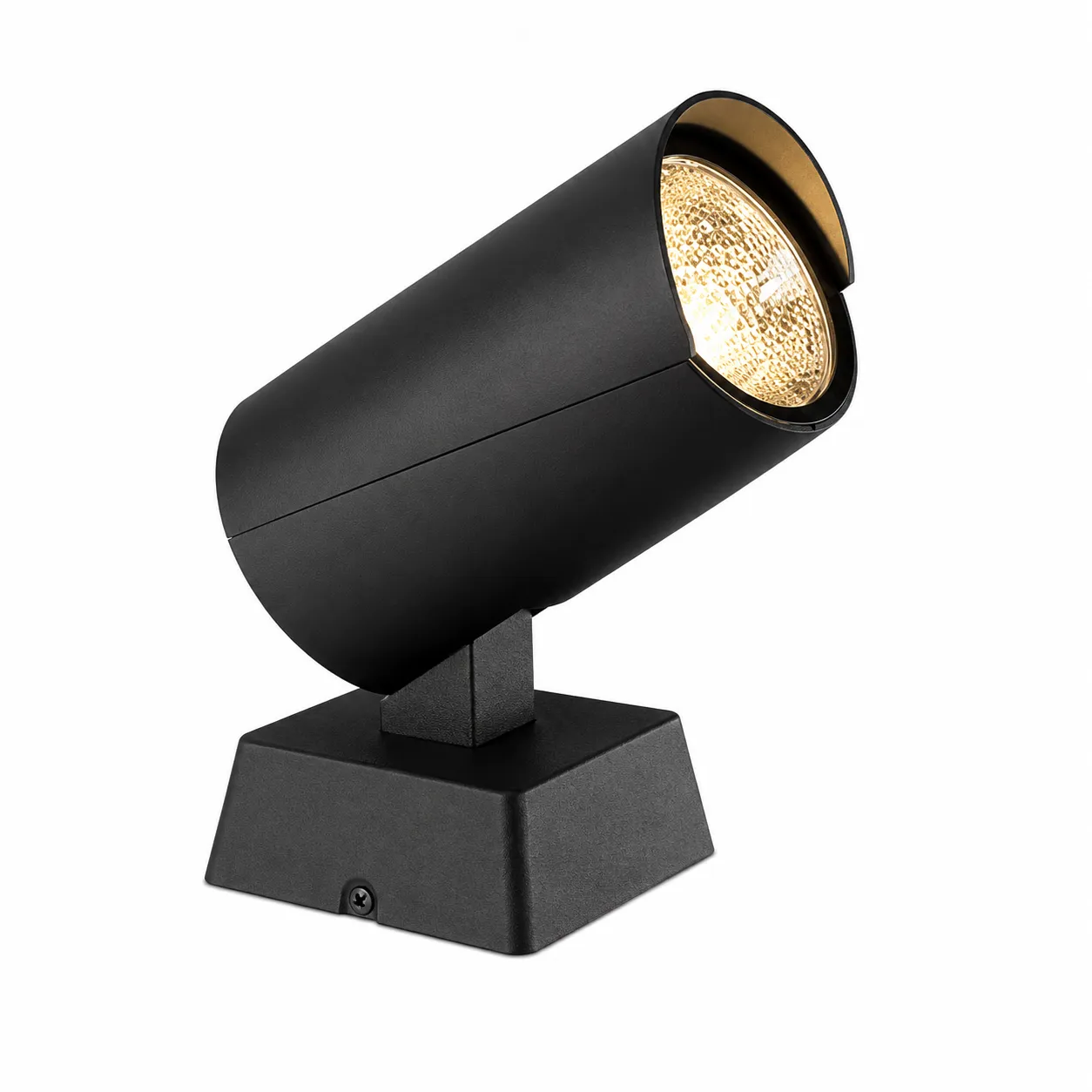
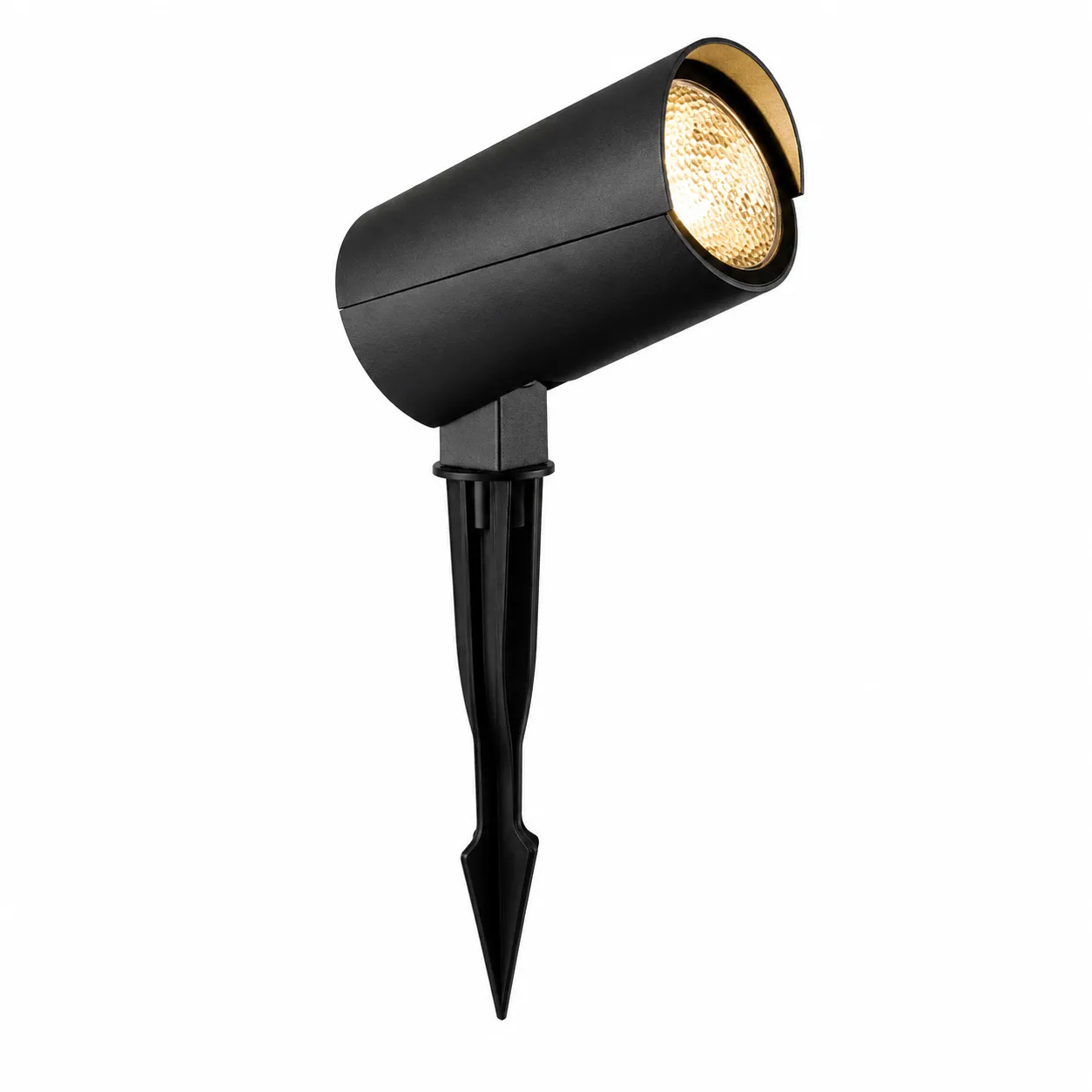
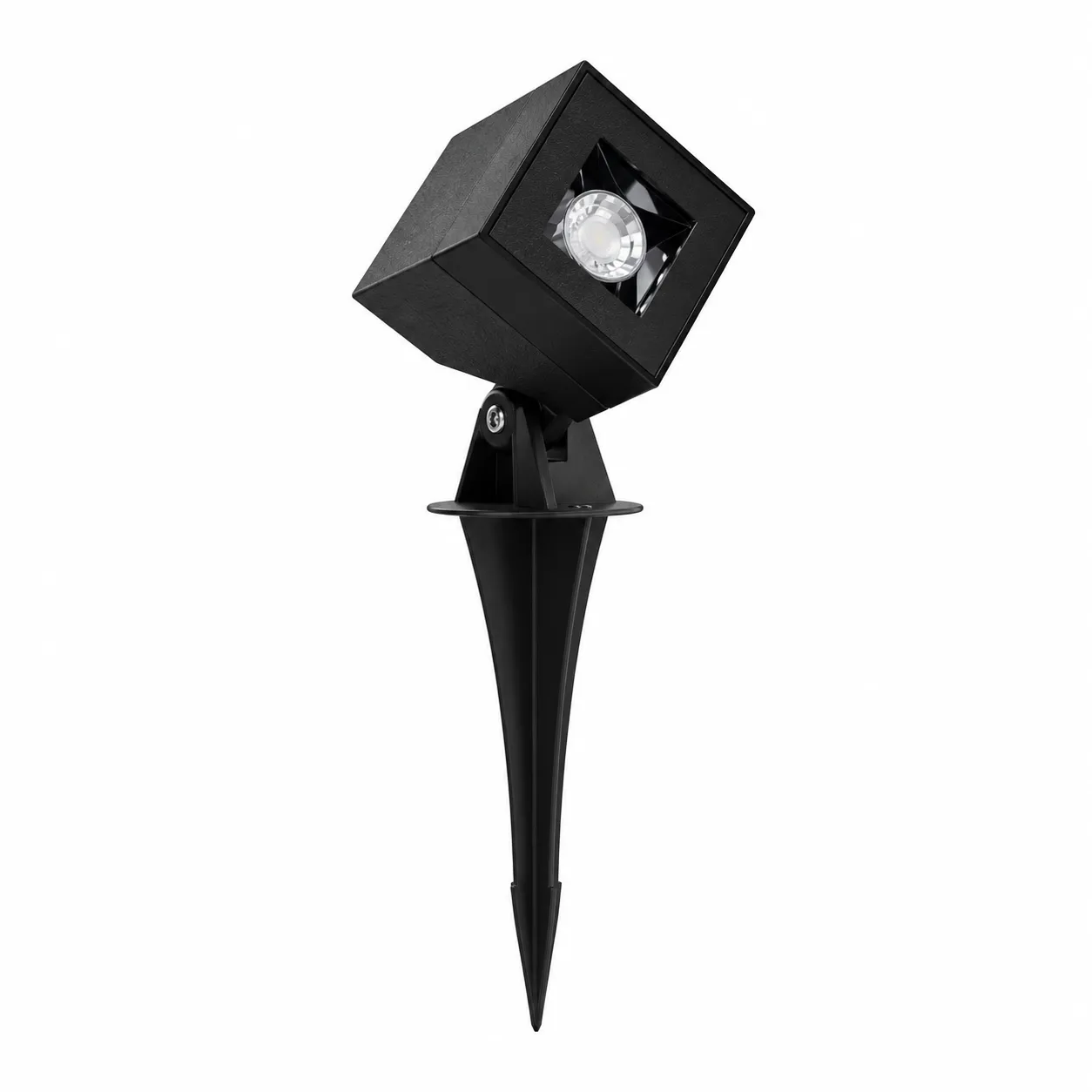
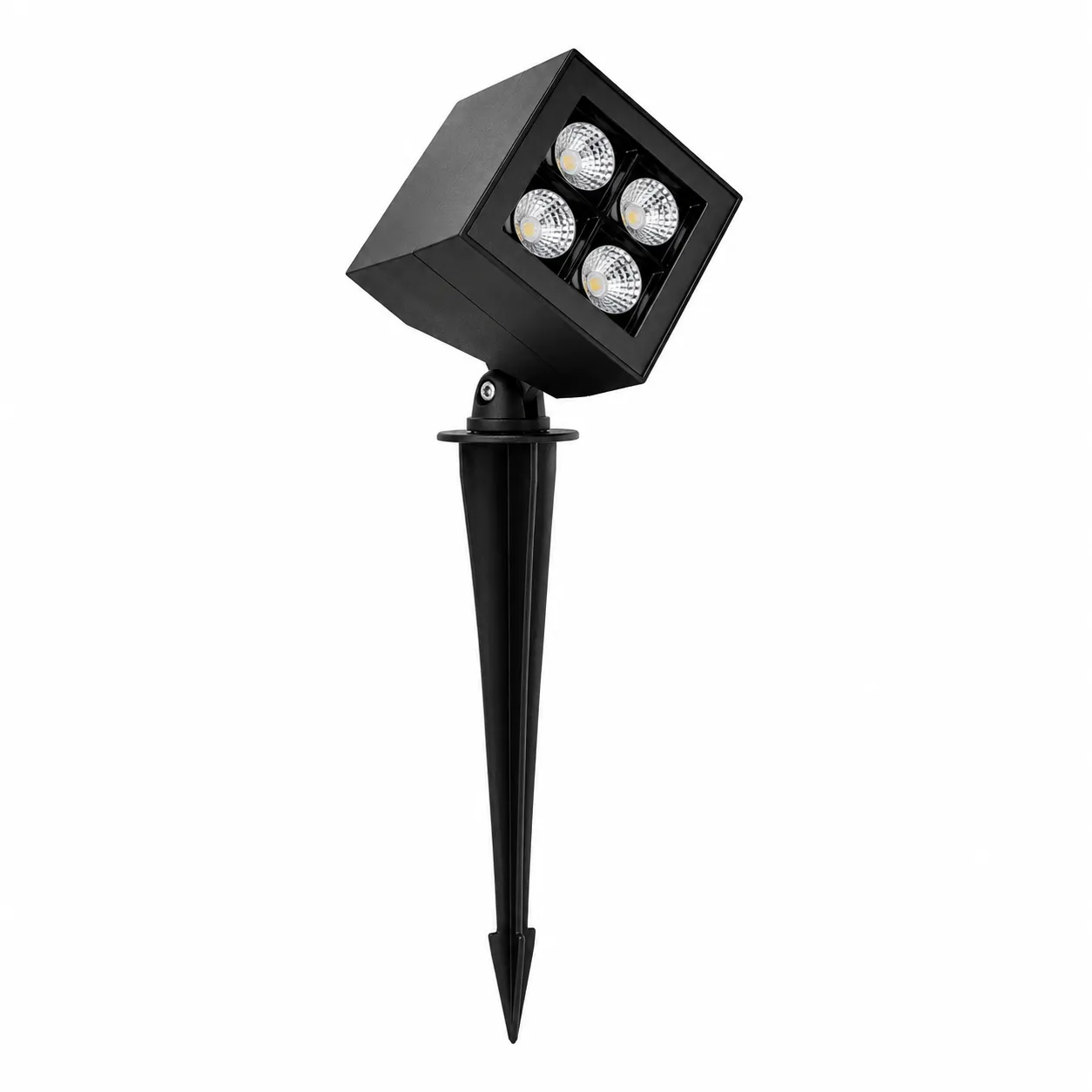
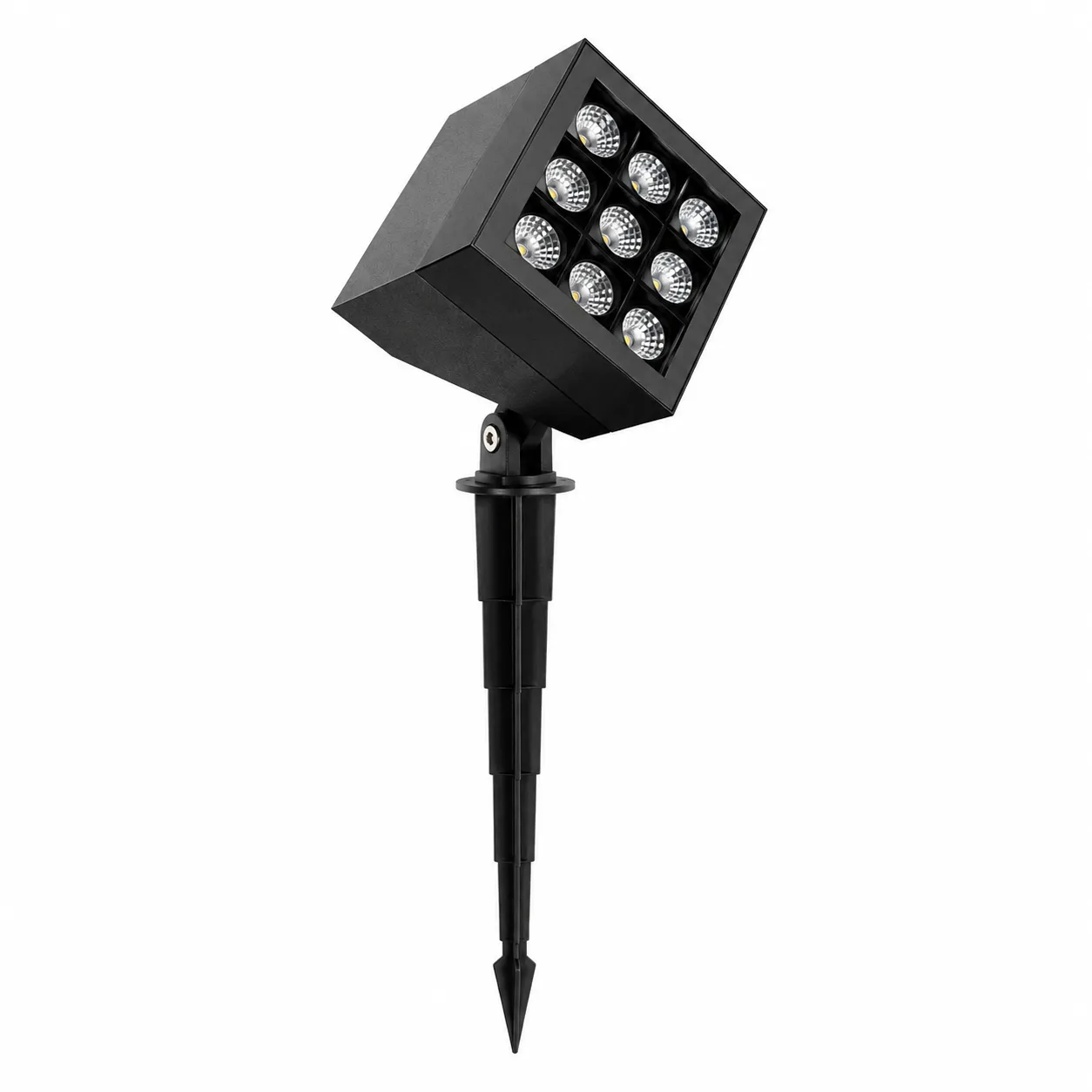
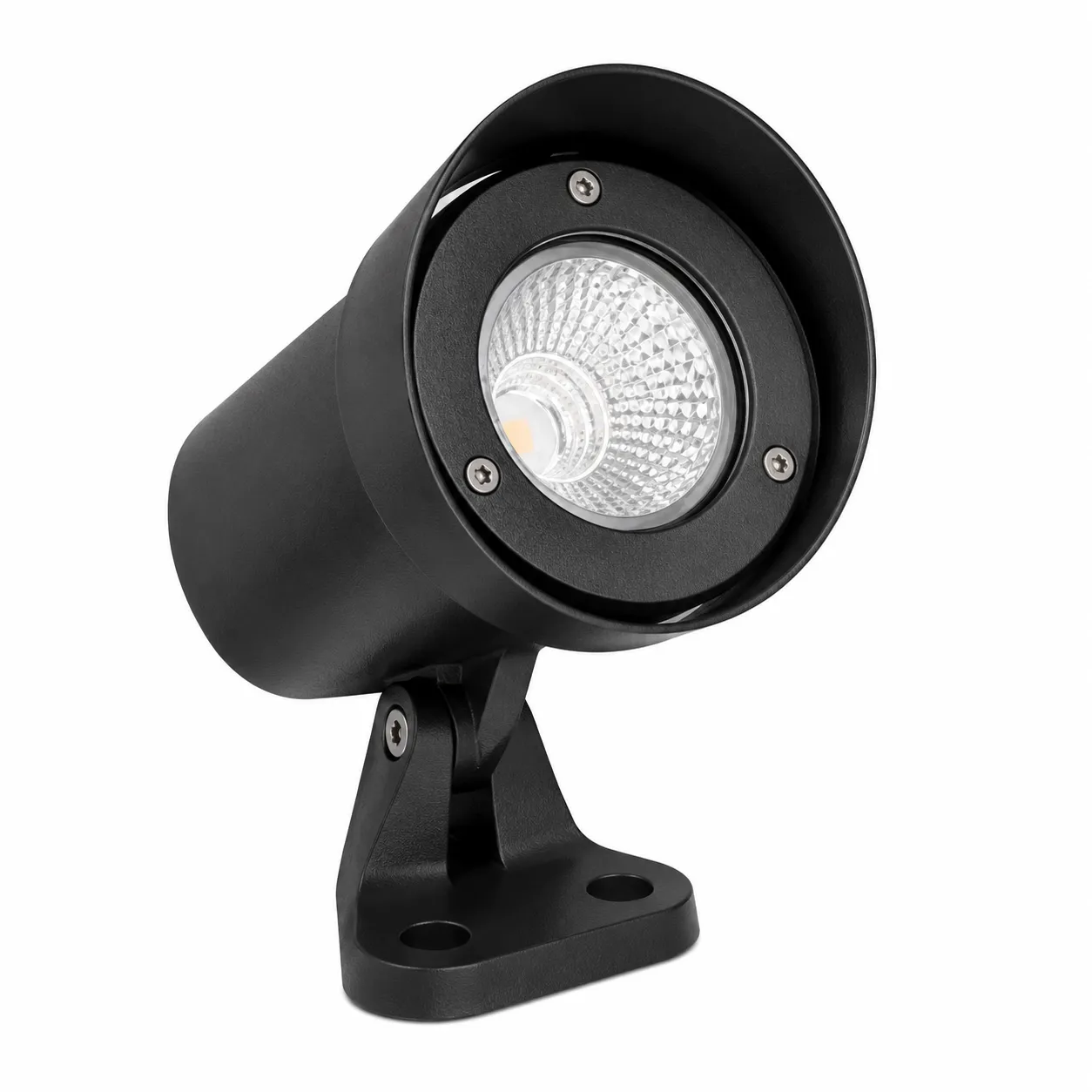
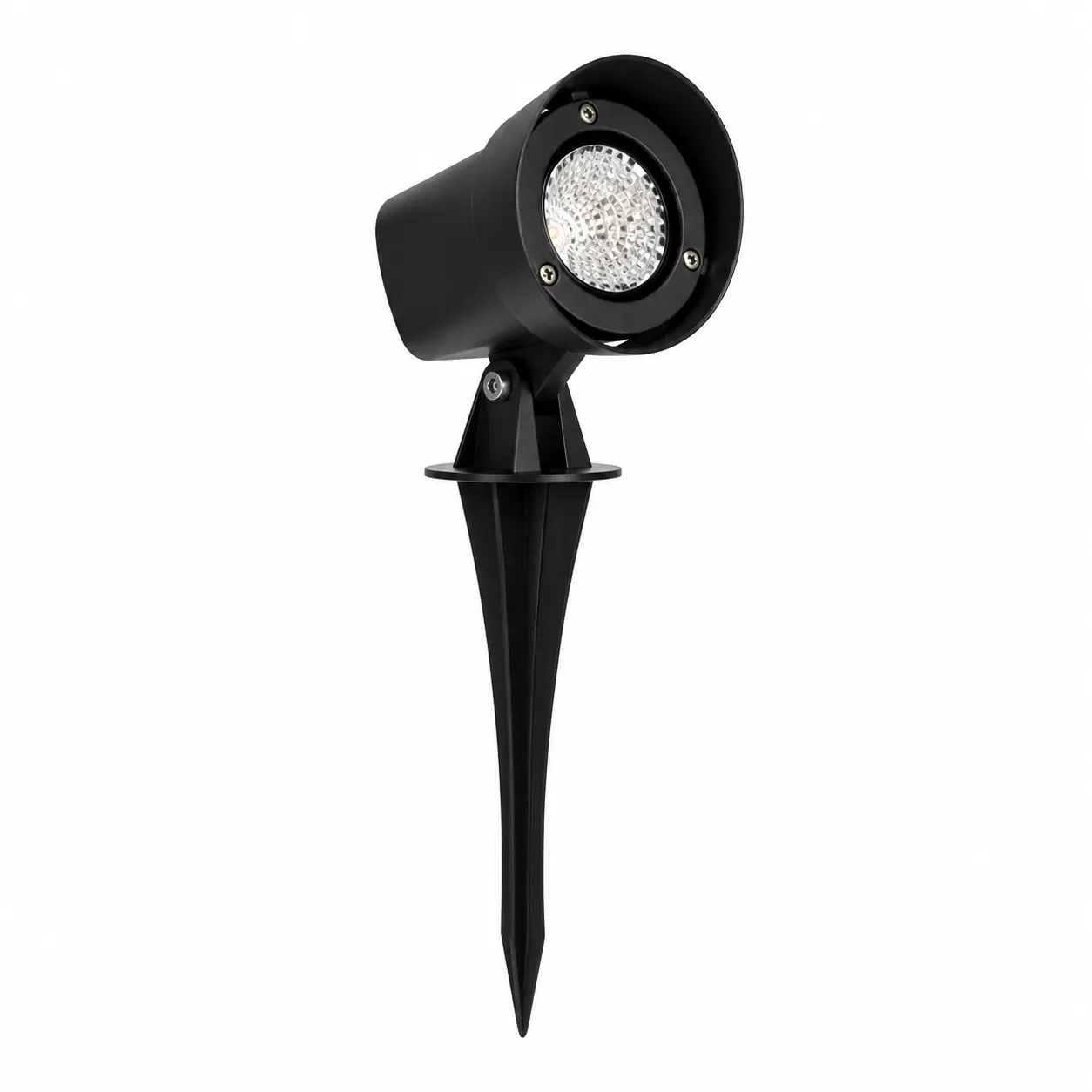
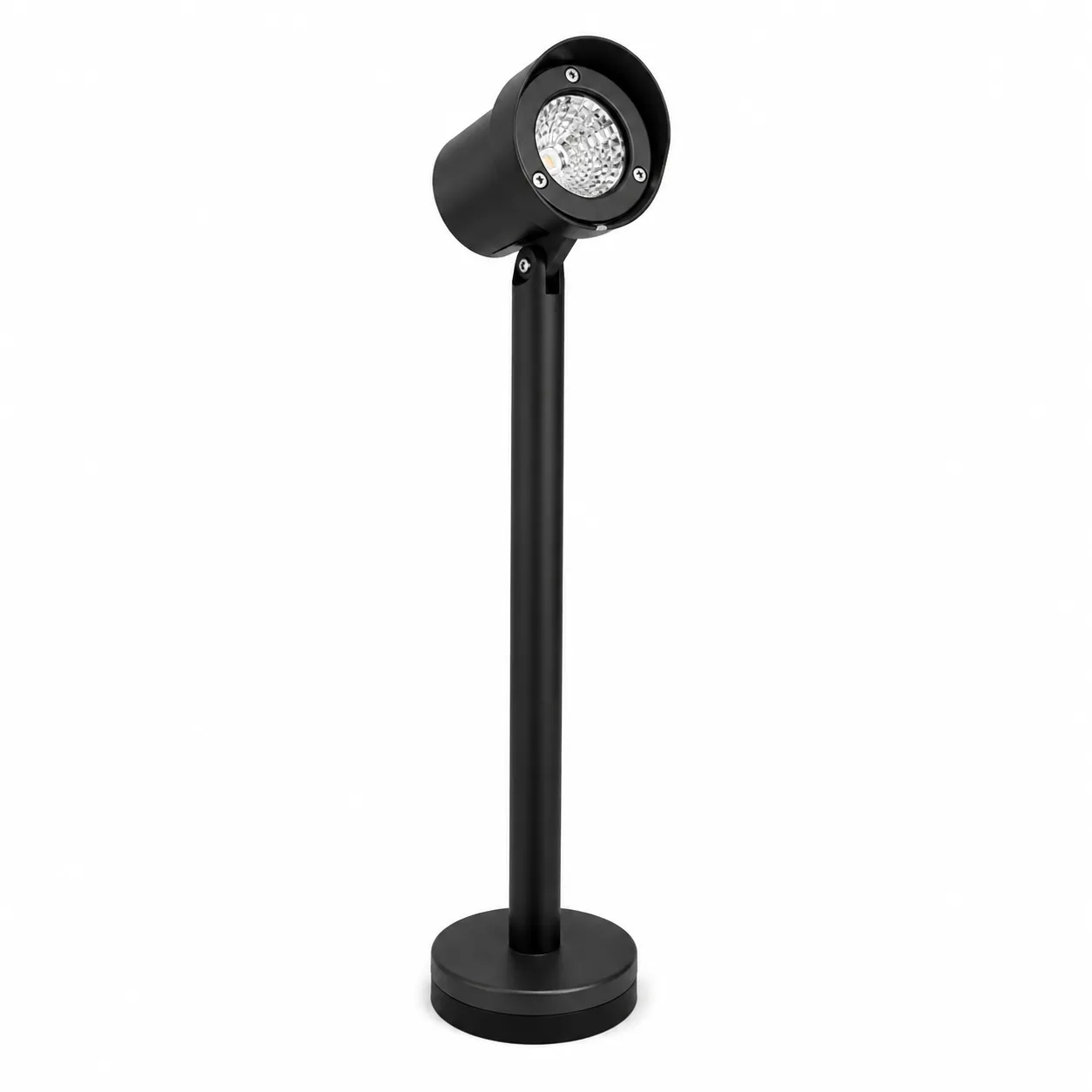
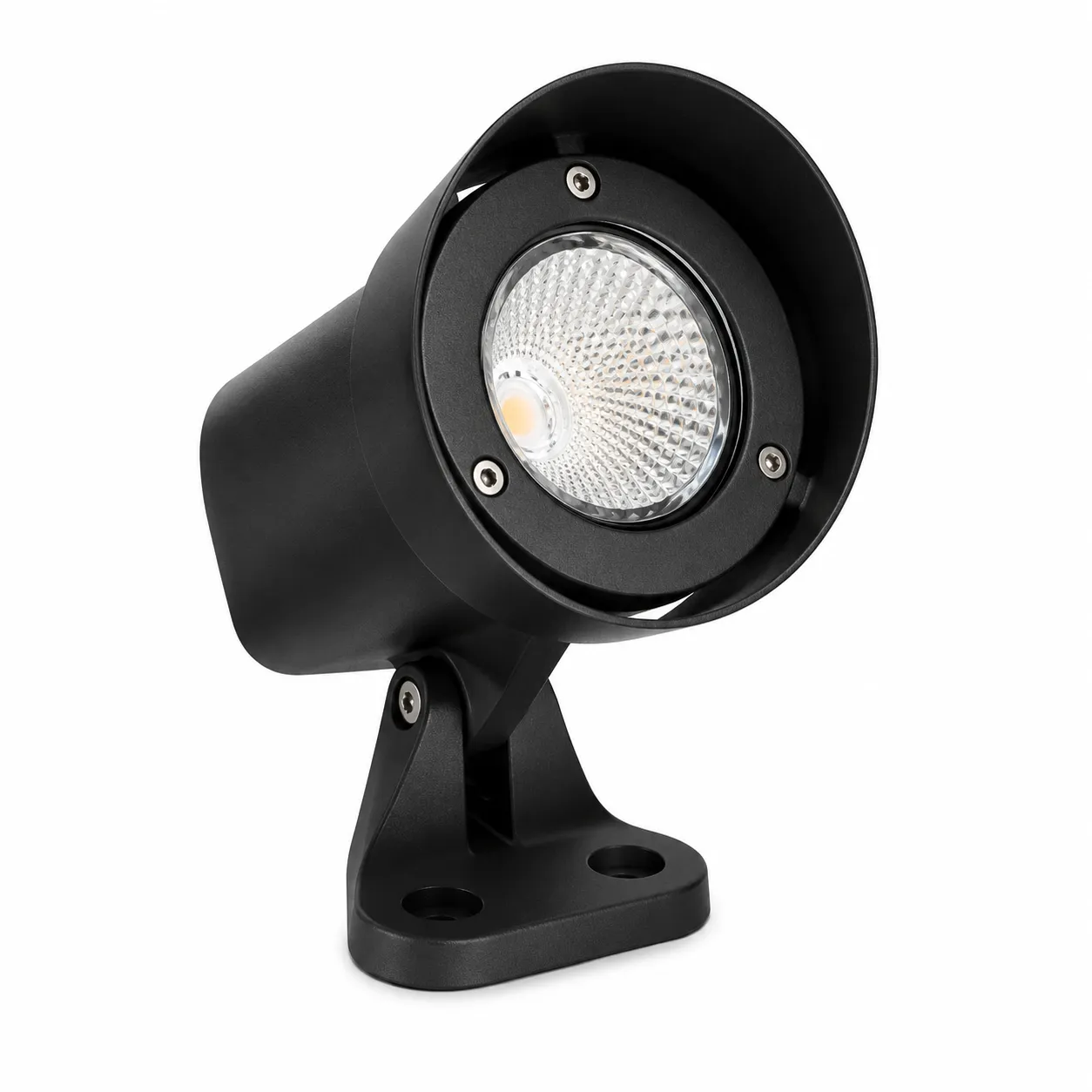
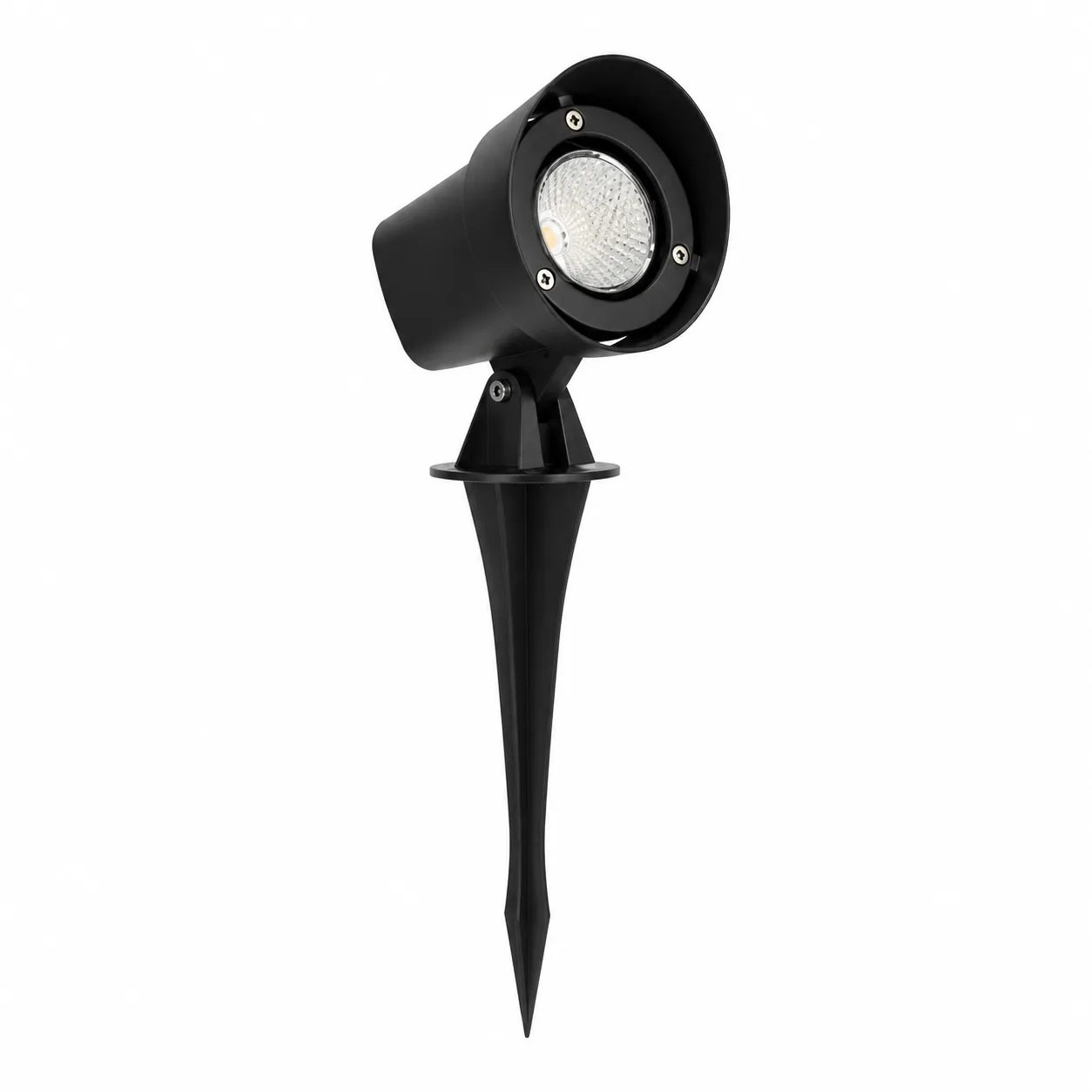
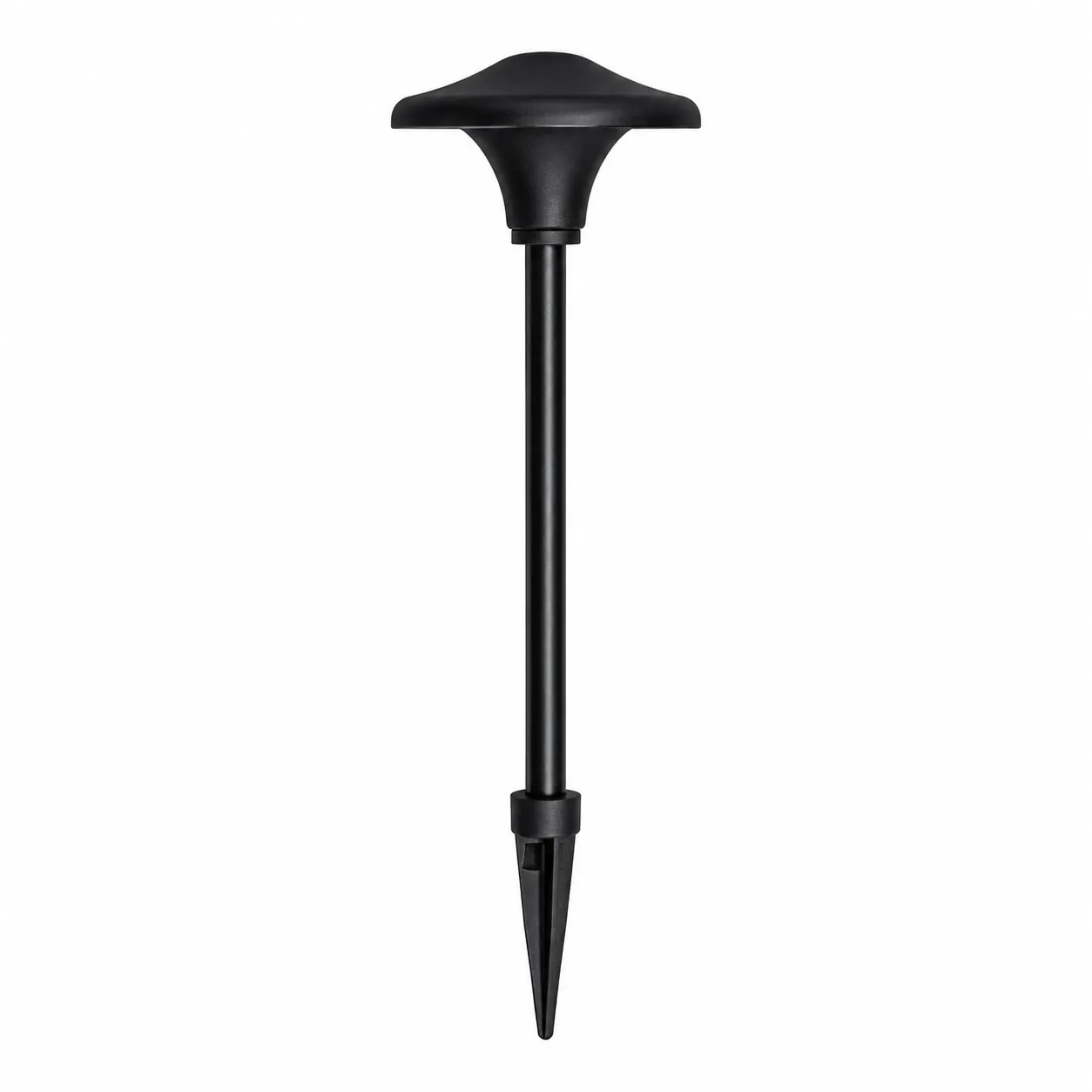
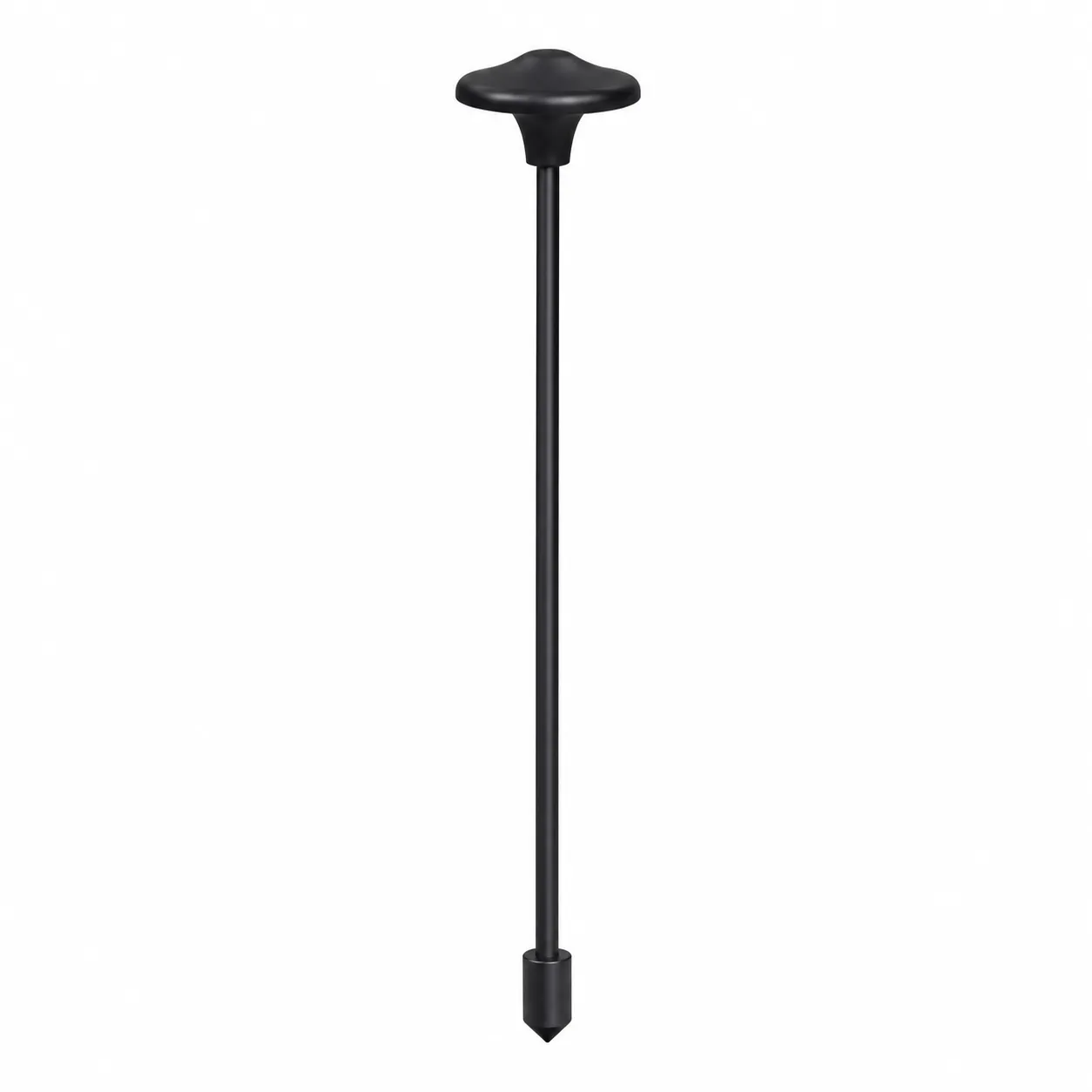
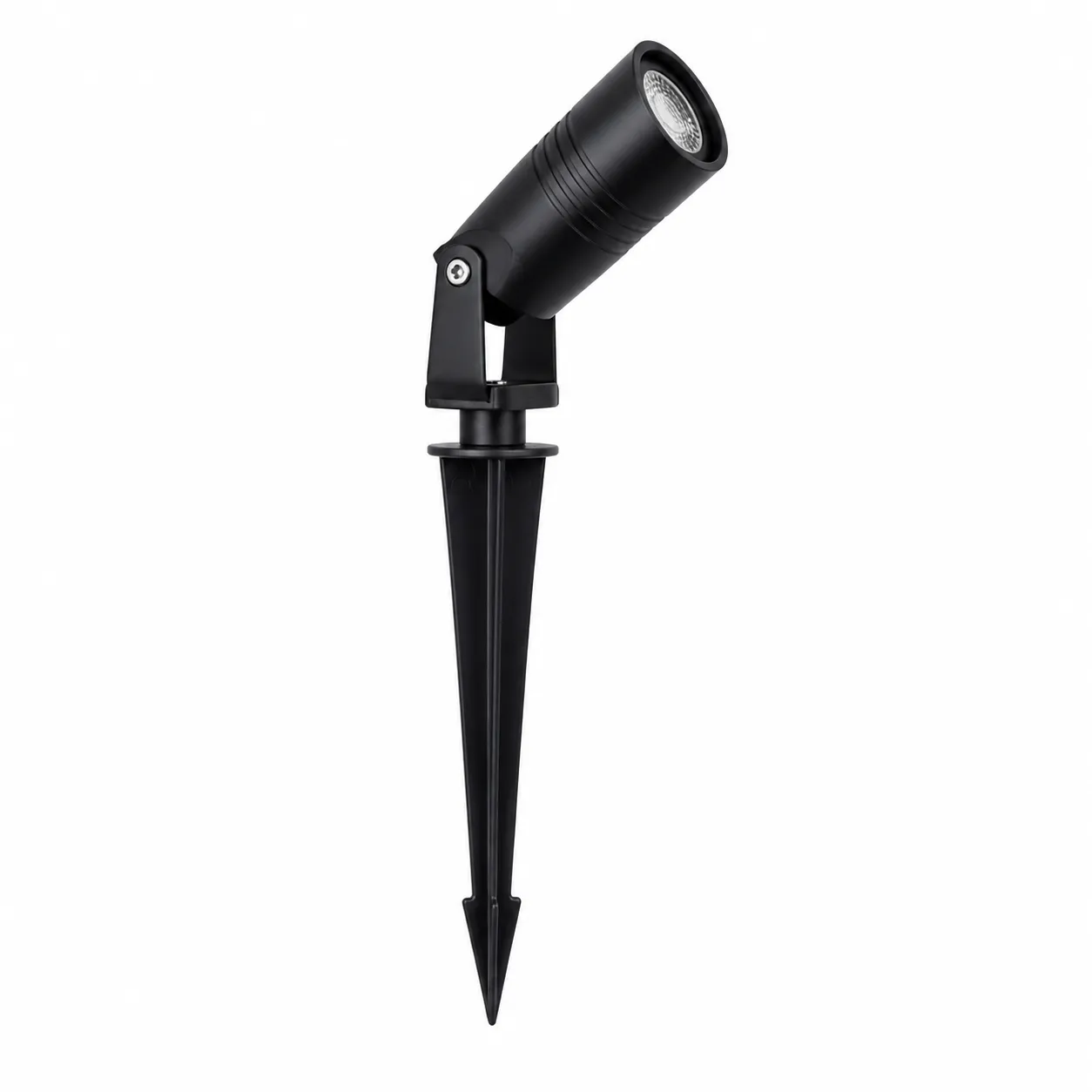
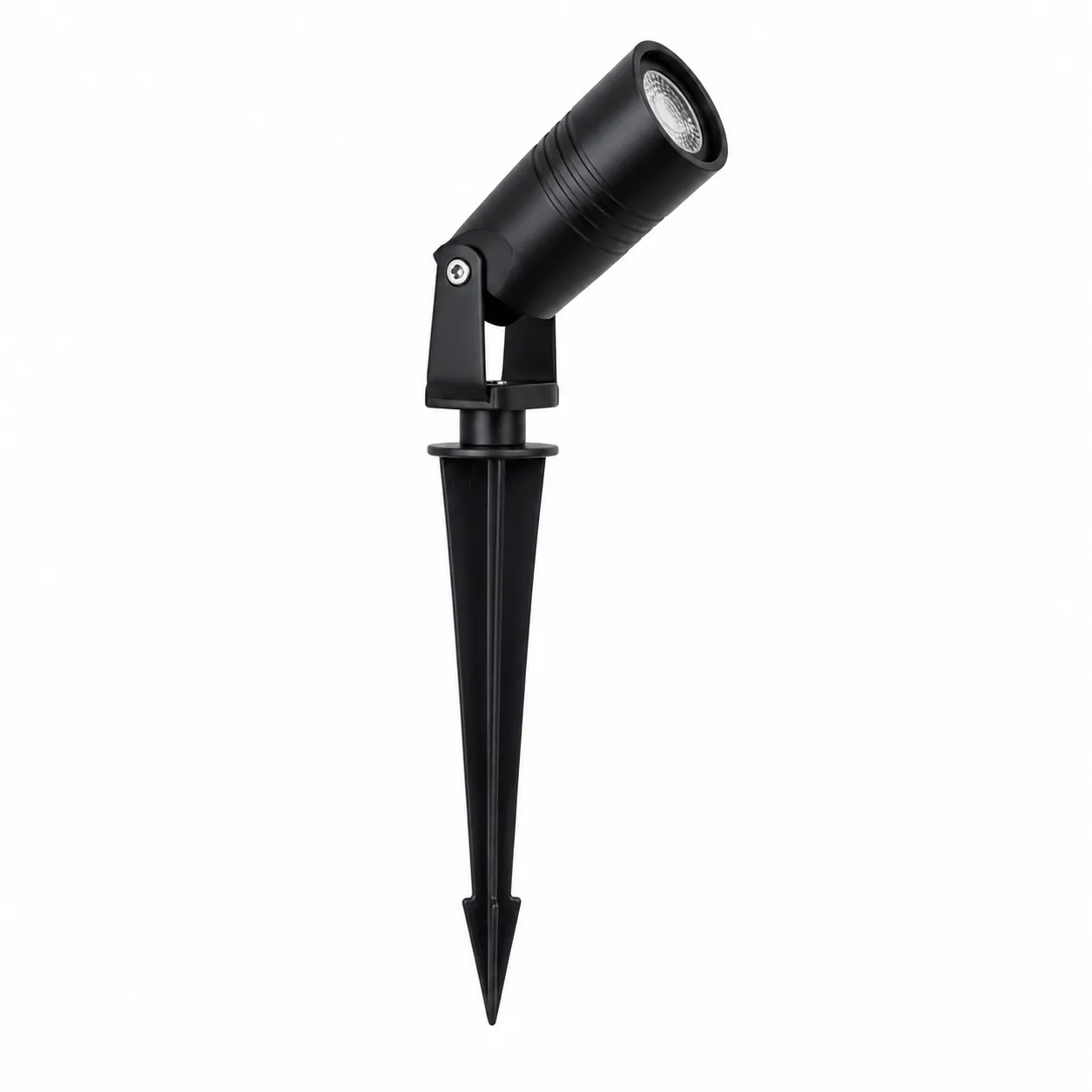
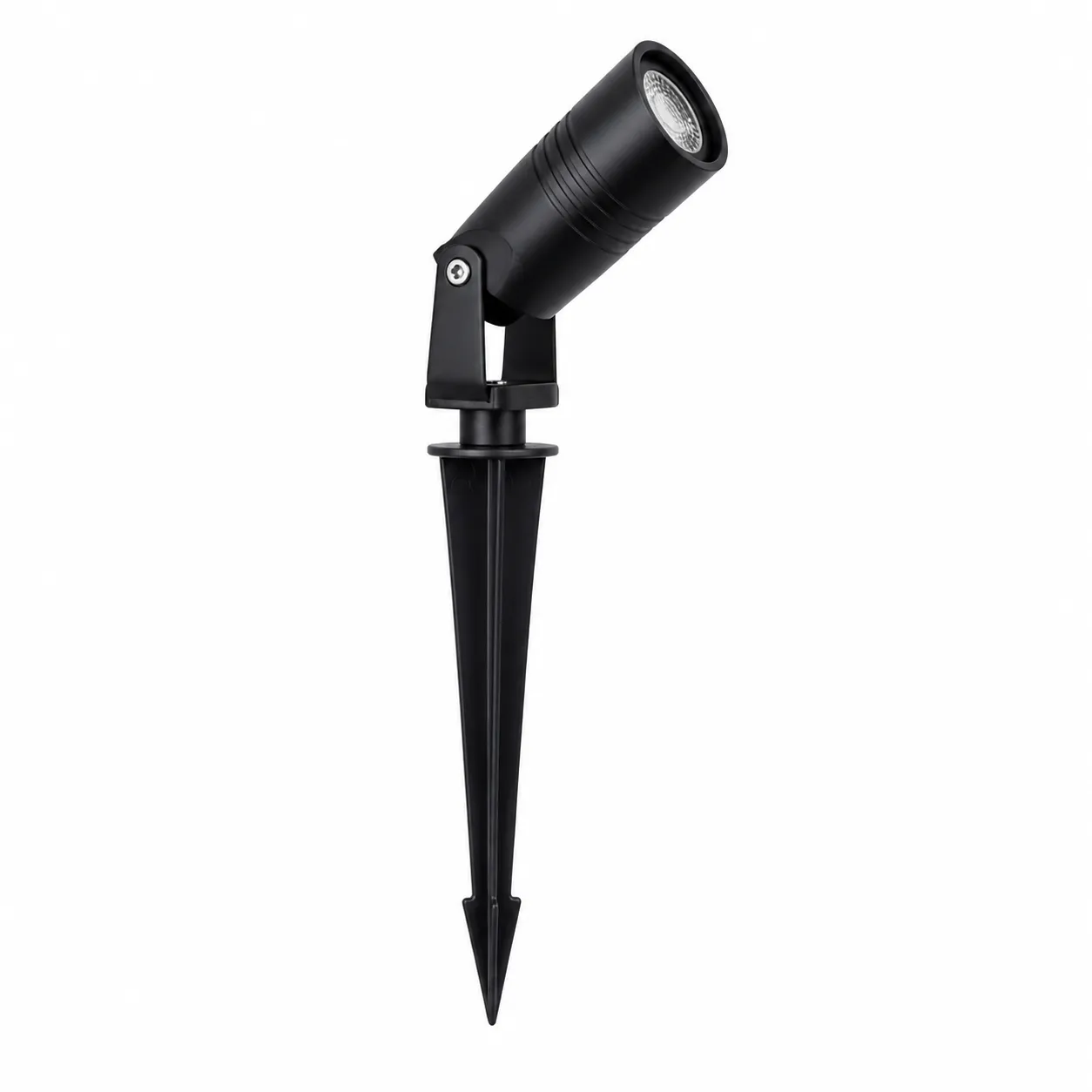
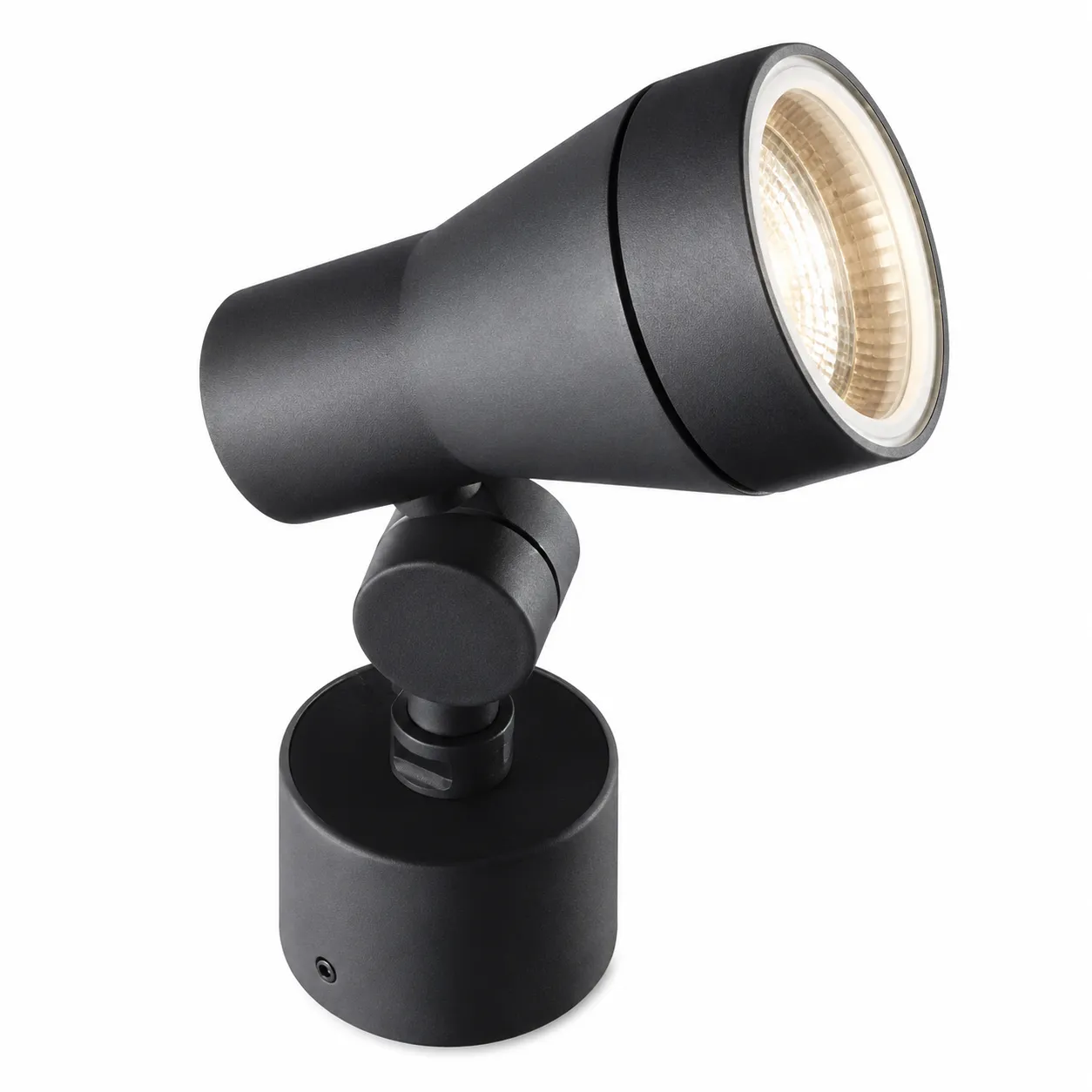
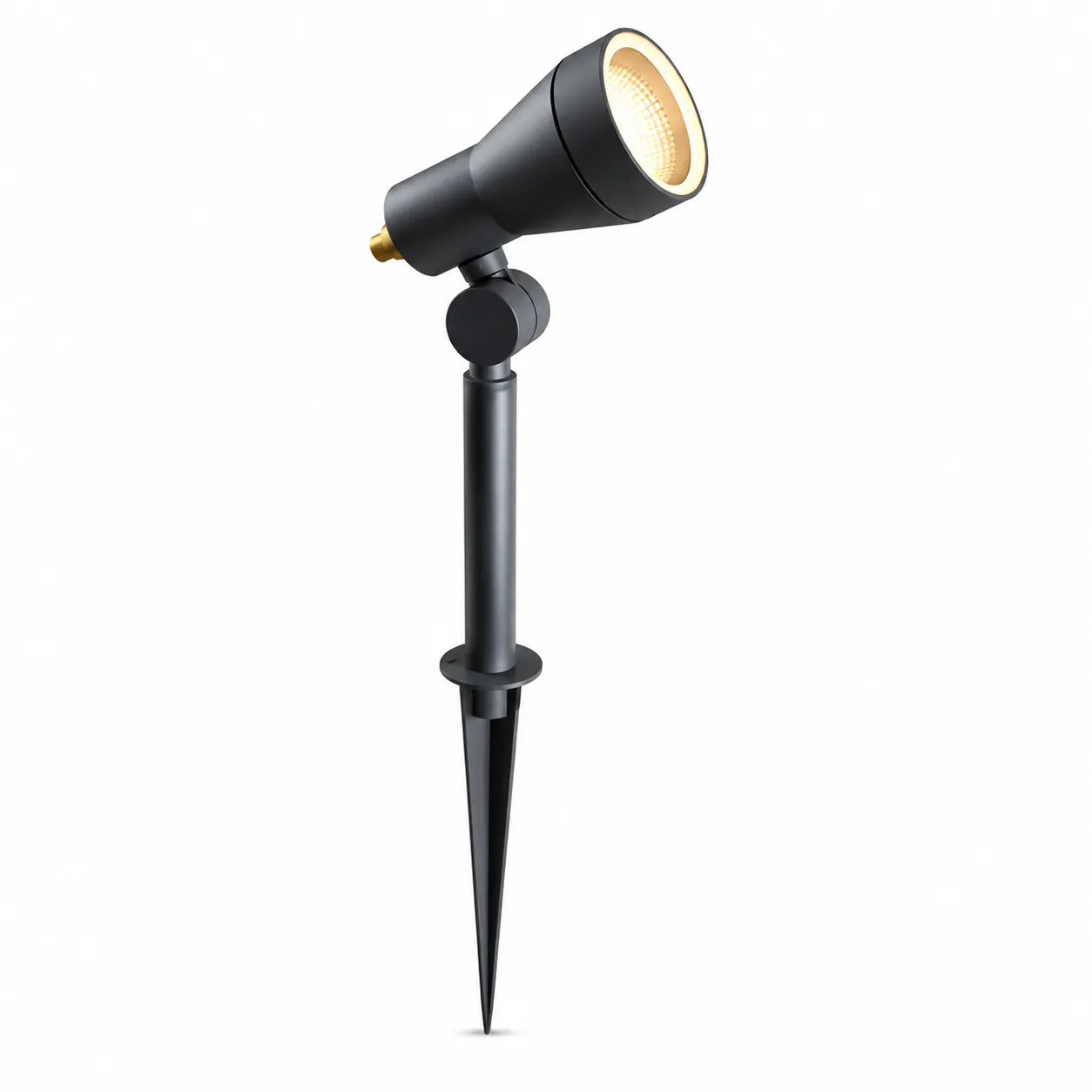
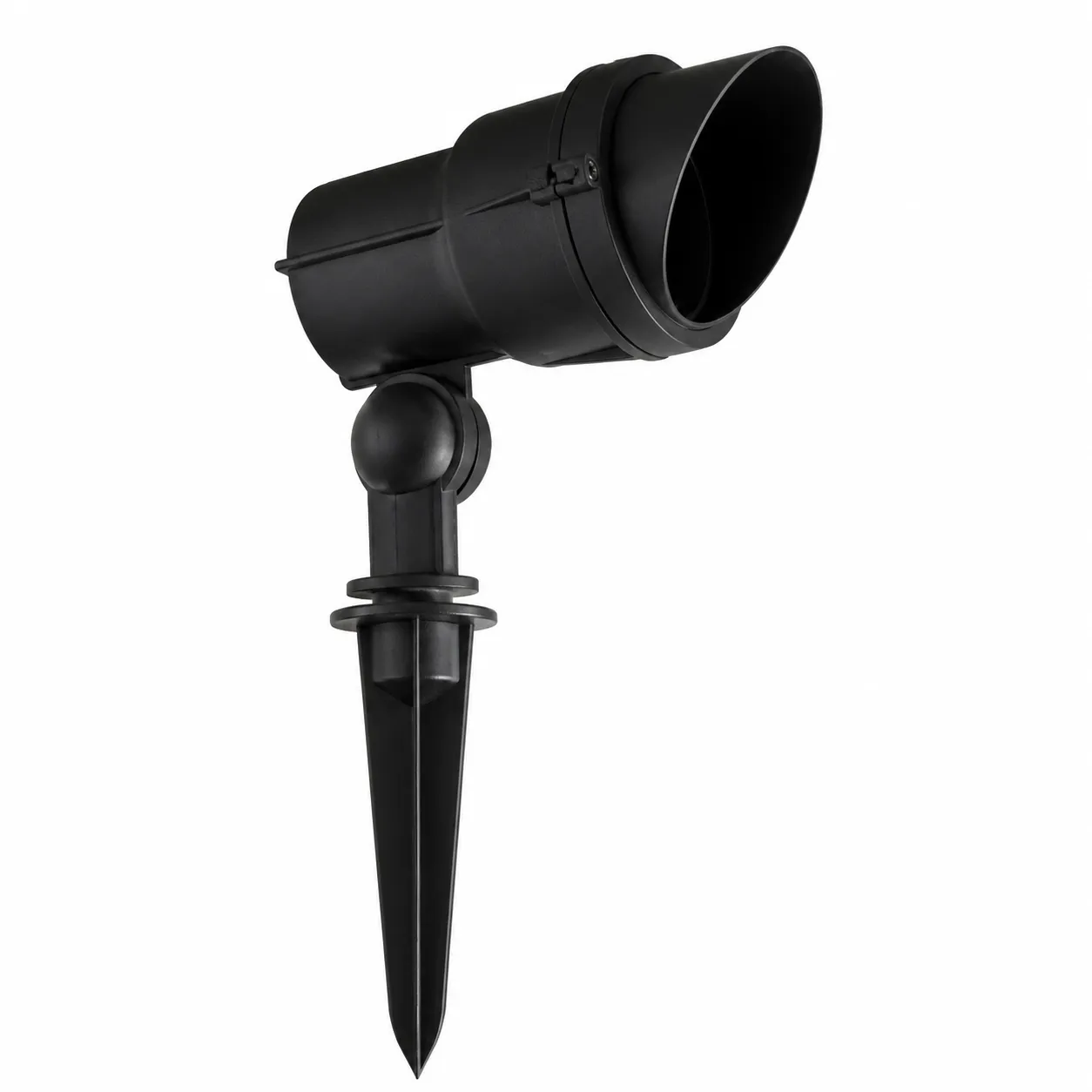
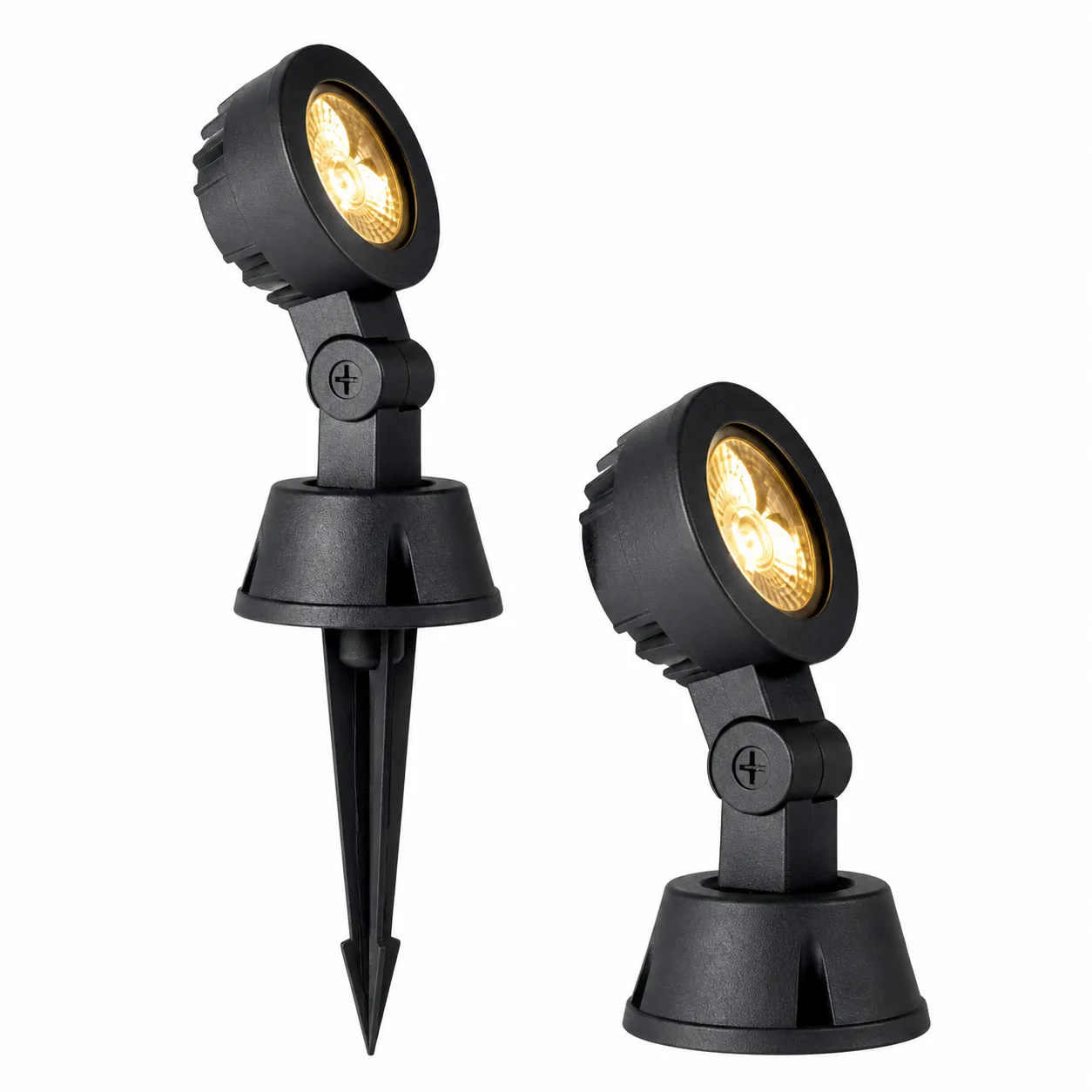
Garden spike-mounted LED lights for tree uplighting, shrub accent, landscape feature illumination and adjustable garden design lighting.

IP54 & IP65 31 SKUs Hybec catalogue by Hybec →

Where these get used

Applications & typical installations.

Most commonly used in the project types below — across homes, hotels, commercial spaces and landscape projects.

  • Tree uplighting and canopy accent
  • Shrub and planter feature illumination
  • Garden path edges
  • Sculpture and water-feature highlighting
  • Hospitality landscape design

A quick buyer's guide

How to pick the right one.

The things to think about when choosing the right model for your project — from weatherproofing to beam angle to how it gets mounted.

  1. 01 IP65 for direct ground installation; IP54 for sheltered planted beds
  2. 02 Narrow beam (24°–38°) for tree uplighting; wide (60°–90°) for ambient
  3. 03 Stem-mount adjustable head for aim flexibility
  4. 04 Cool white (4000K) for foliage; warm white (3000K) for ambience

What's standard across the range

Built-in quality features.

  • Ground spike with adjustable stem joint
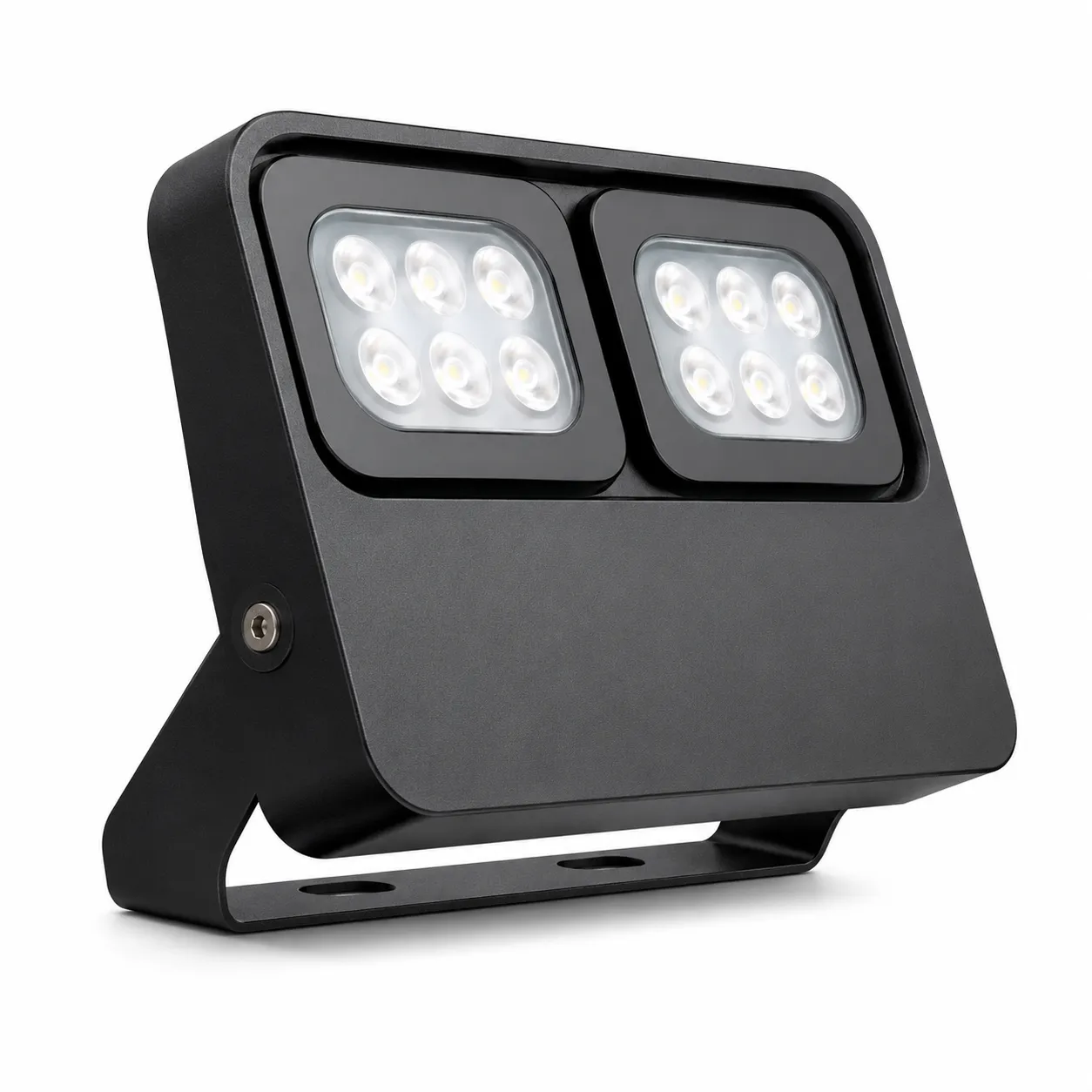
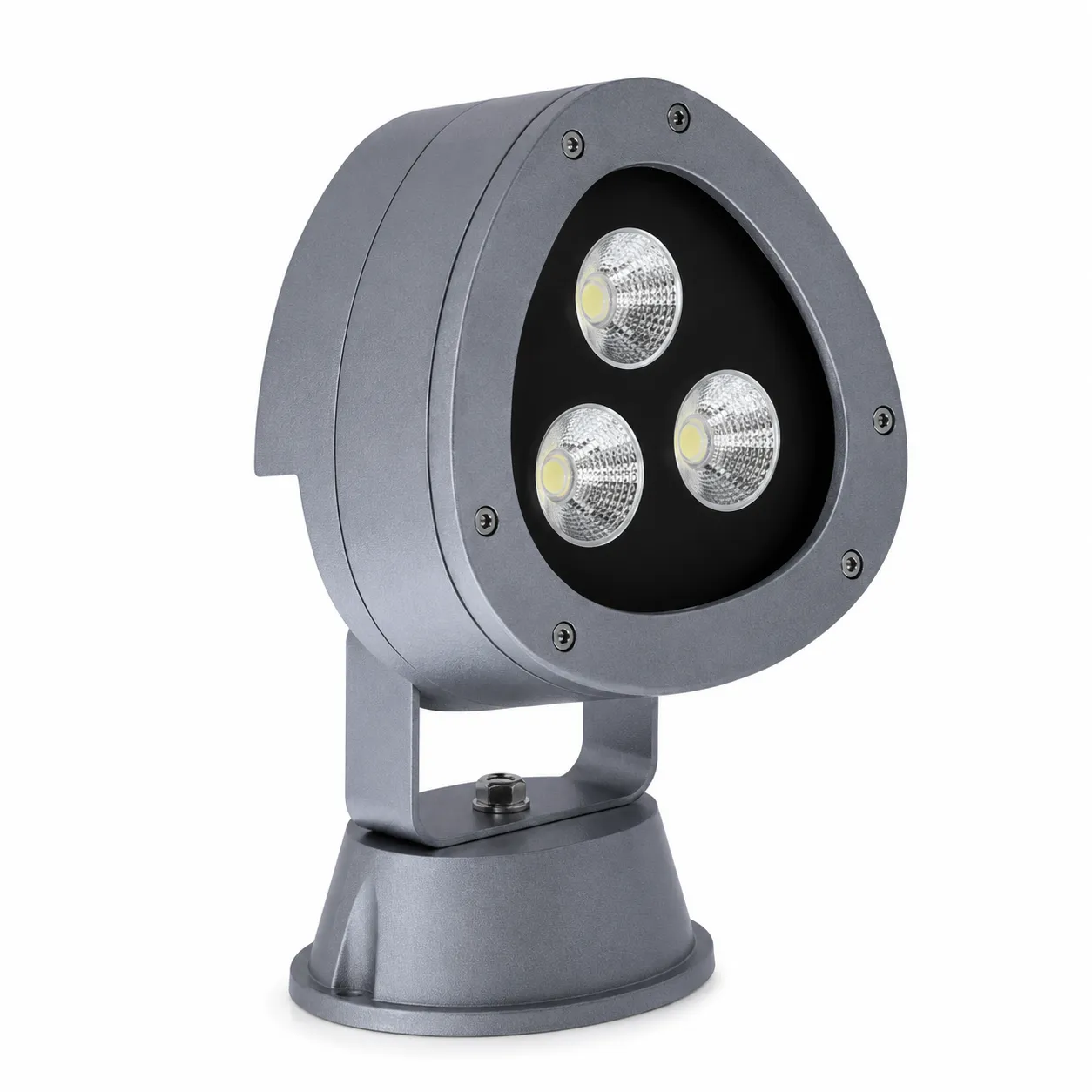
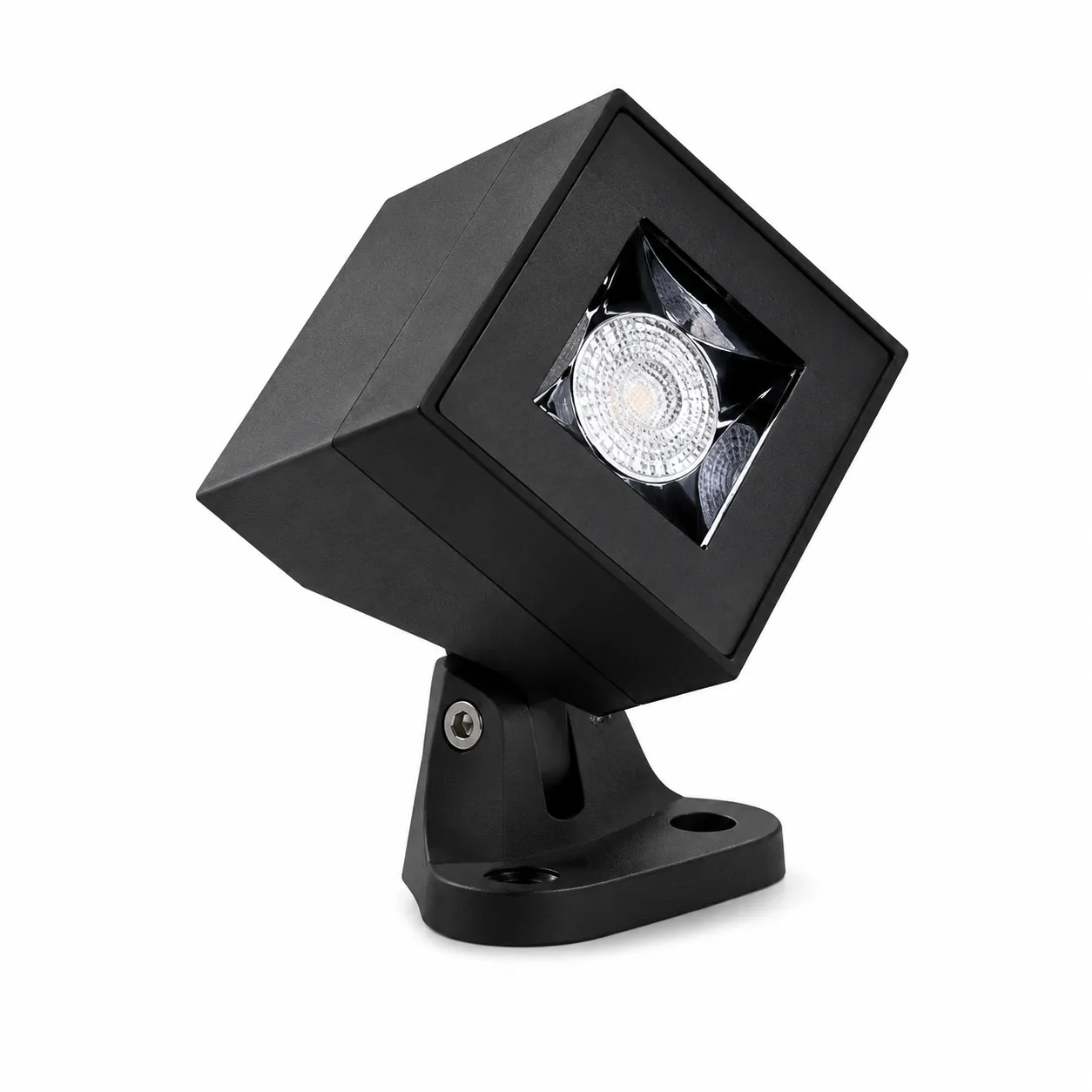
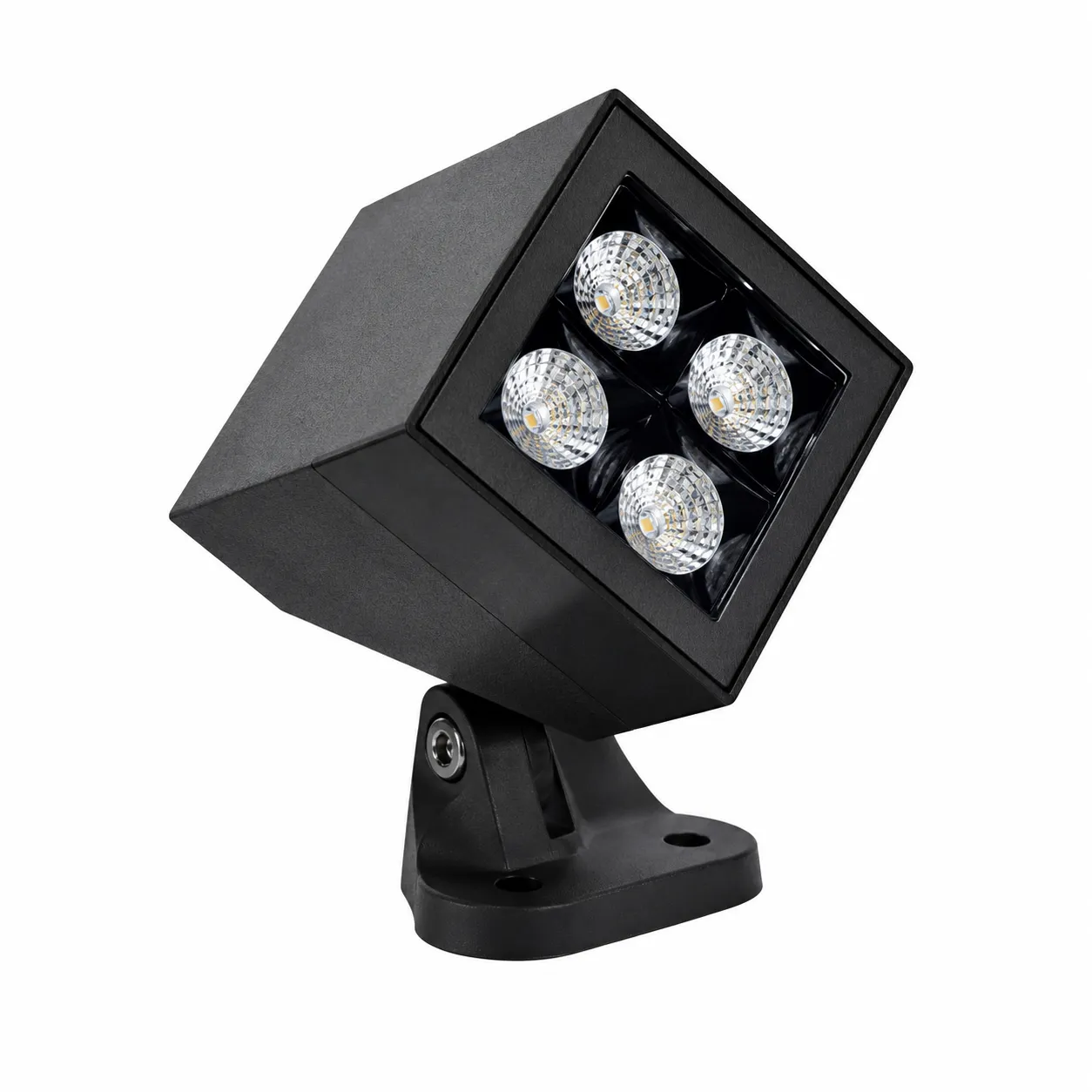
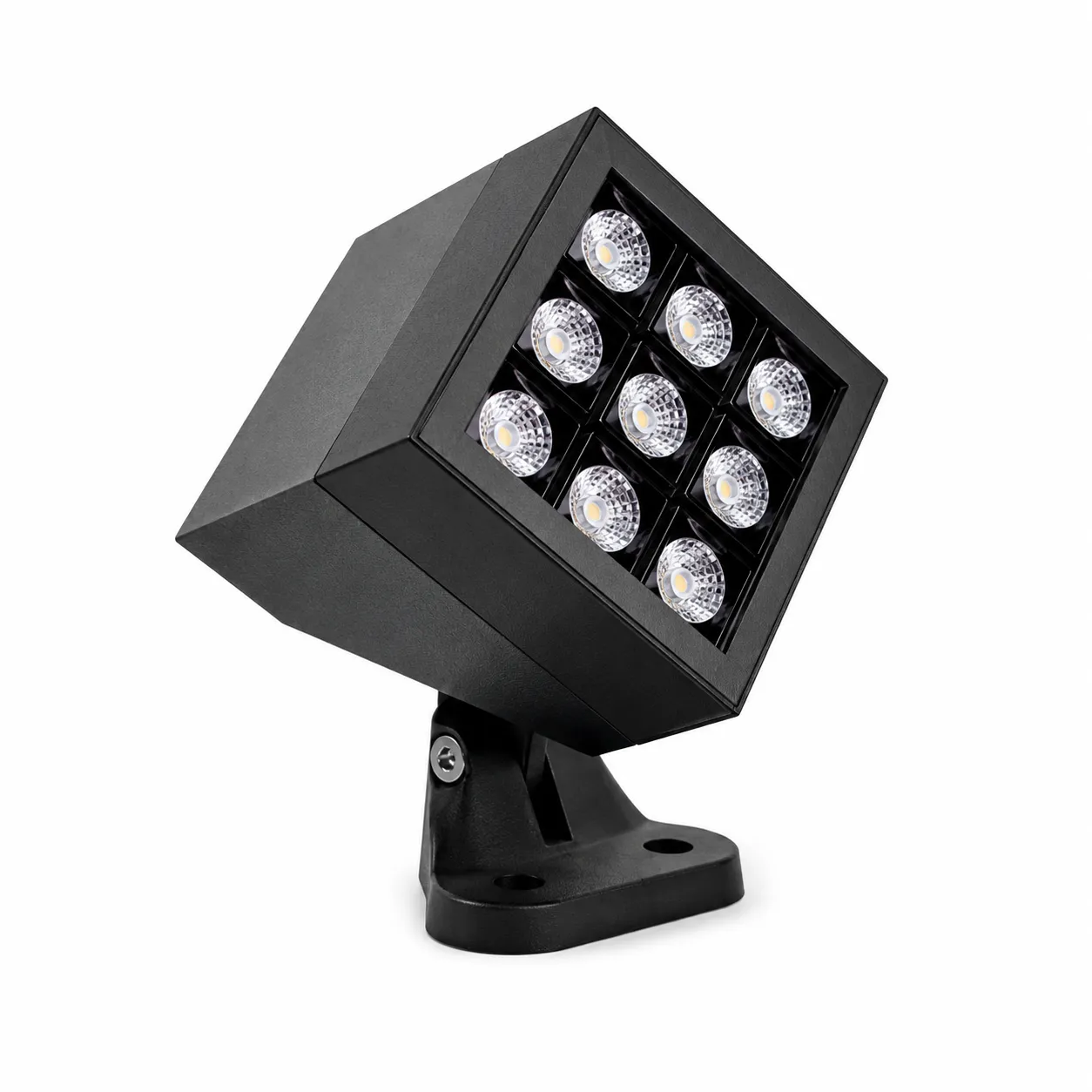
  • Die-cast aluminium head, graphite finish
  • Bridgelux / Cree LEDs
  • Sealed against soil moisture

In this range

All 31 models.

Tap any model for the full specifications — wattage, beam angle, brightness, dimensions, weatherproof rating and LED source. Colour temperature and colour accuracy confirmed at quotation.

FAQs

Common buyer questions.

Quick answers to the questions we hear most often about this range.

What are garden spike lights used for?

Spike lights push into soft ground and are aimed at what you want lit — a tree canopy, a shrub mass, a wall texture or a sculpture. They are the most flexible outdoor fixture because they can be repositioned as planting matures.

What beam angle should I use for uplighting a tree?

For a narrow columnar tree, 15–24 degrees. For a broad spreading canopy, 36–60 degrees. Place the fixture 0.5 to 1.5 metres from the trunk and aim through the canopy rather than at it, so the light reveals the branch structure.

What IP rating do spike lights need?

IP65 minimum, and IP67 where the fixture sits in a bed that is irrigated or that can pond after heavy rain. The cable gland is the usual failure point, so it should be sealed and the cable run in conduit below ground.

How many spike lights does a garden need?

Fewer than most people expect. Light the two or three features that deserve attention — a specimen tree, a textured wall, a water feature — and leave the rest dark. Lighting everything flattens the garden and creates glare from inside the house.