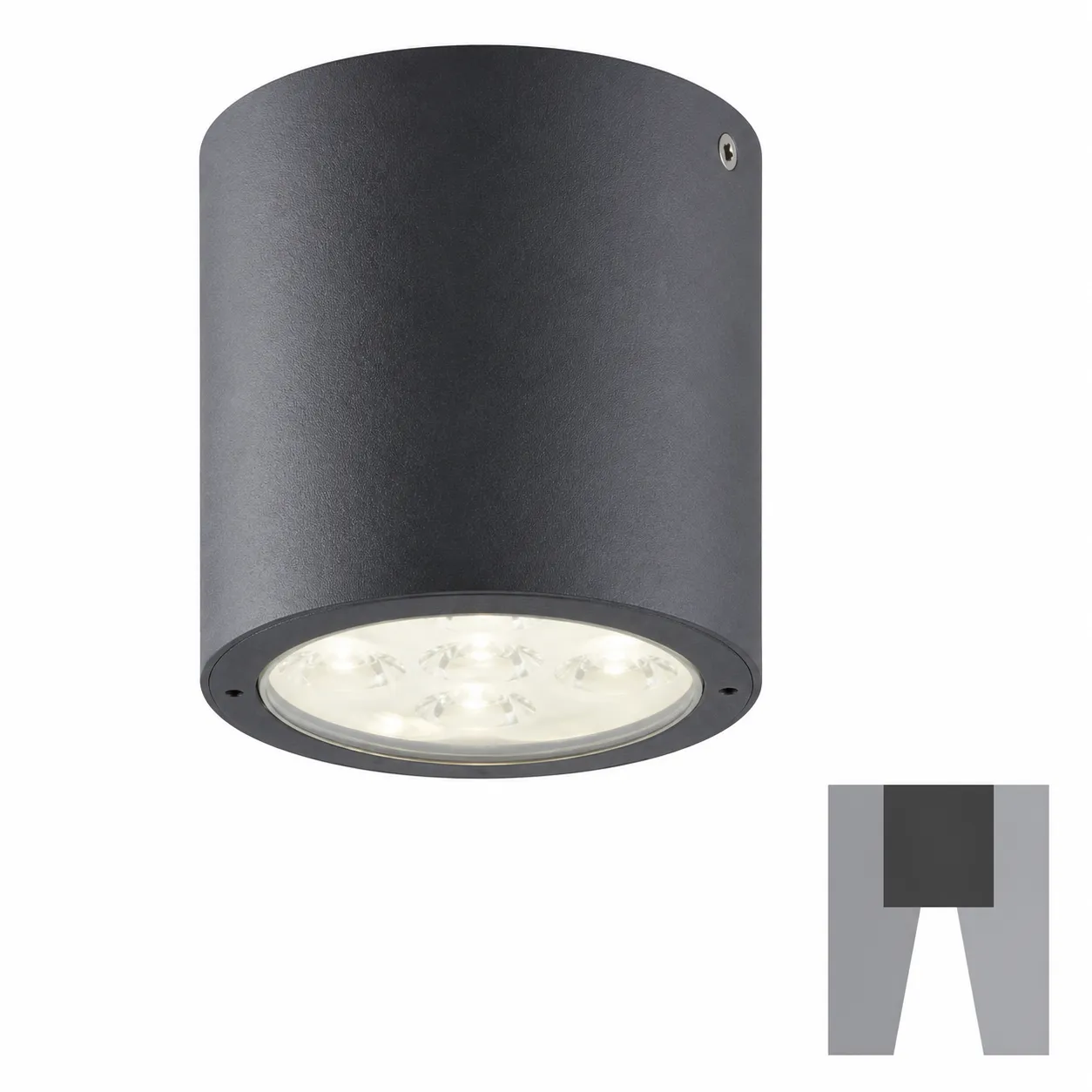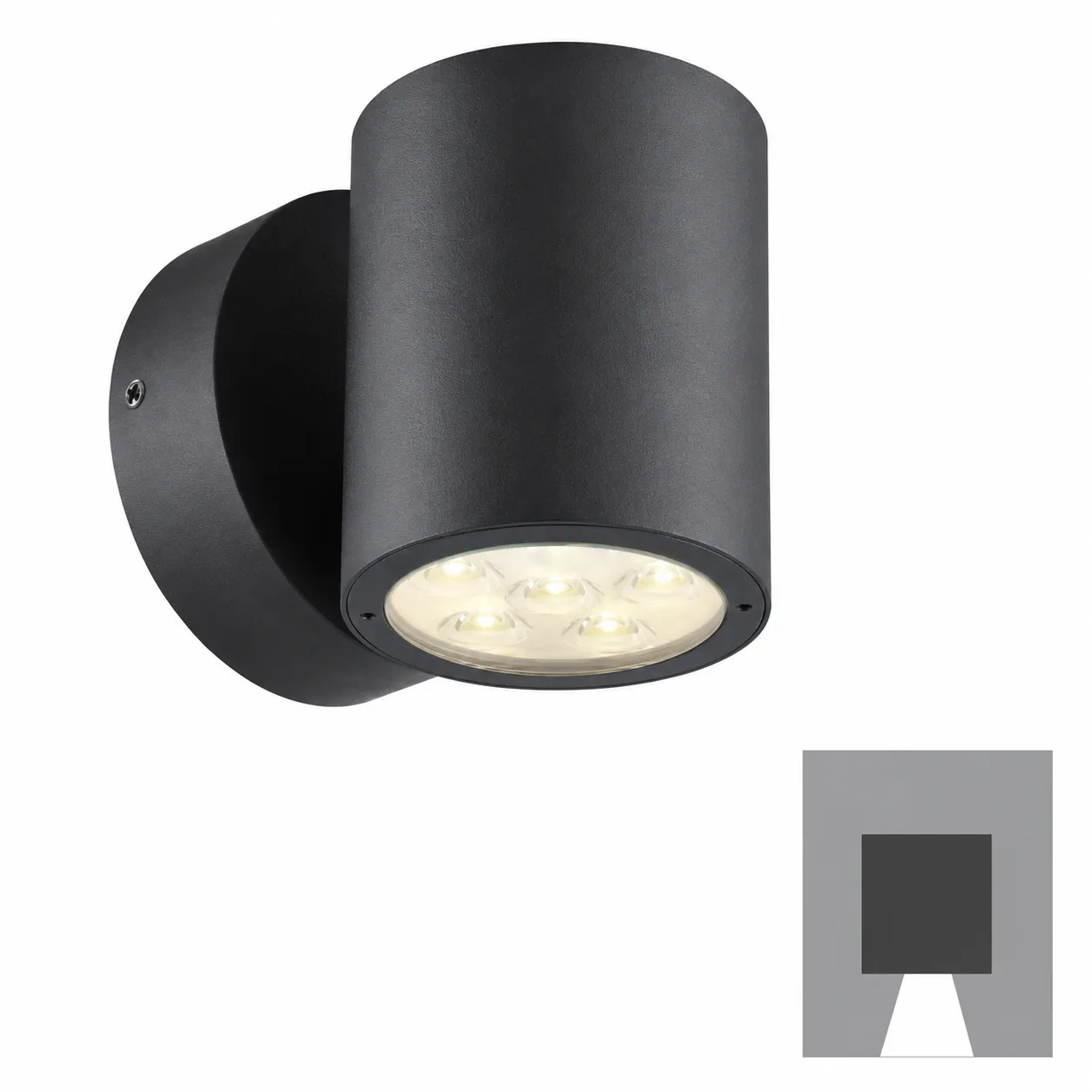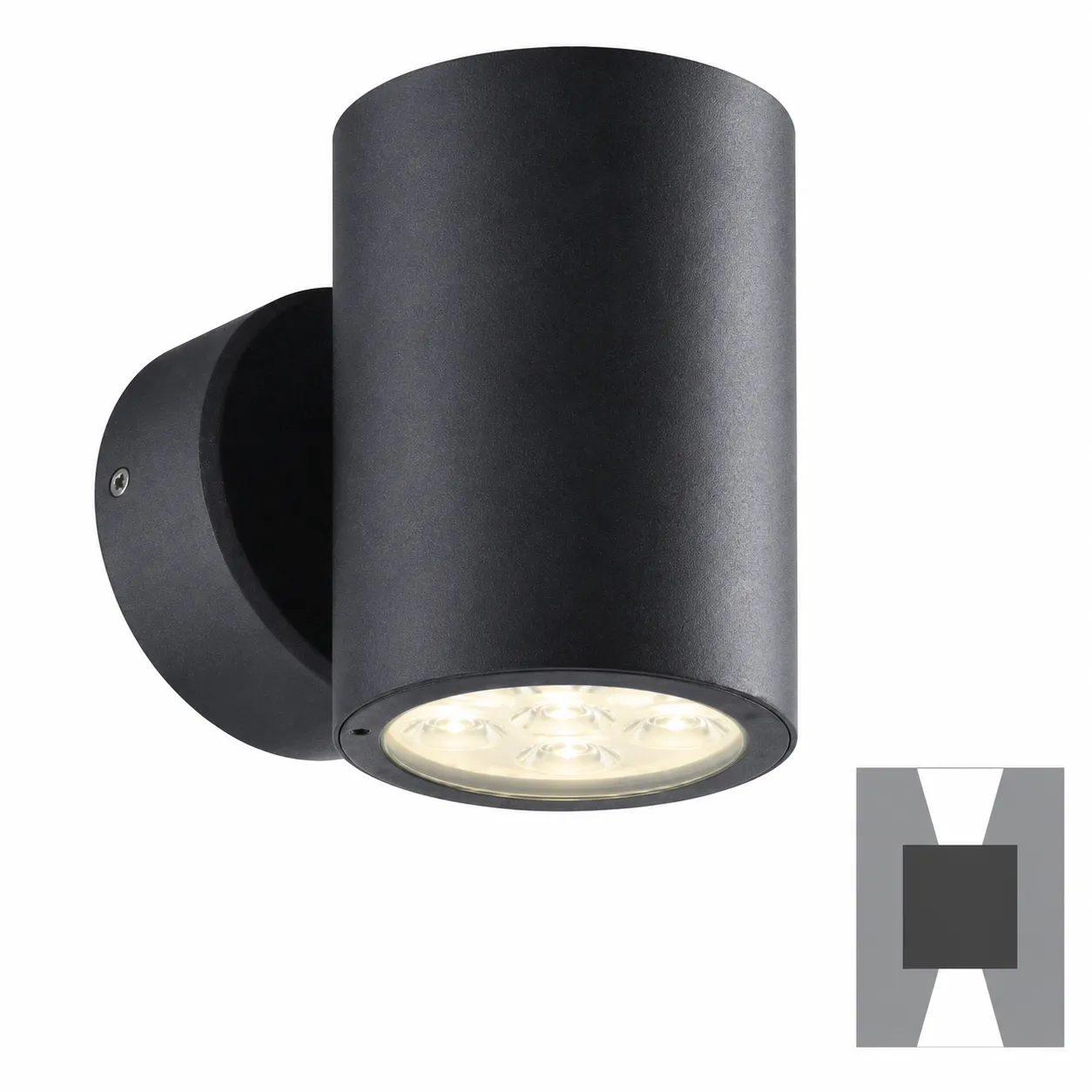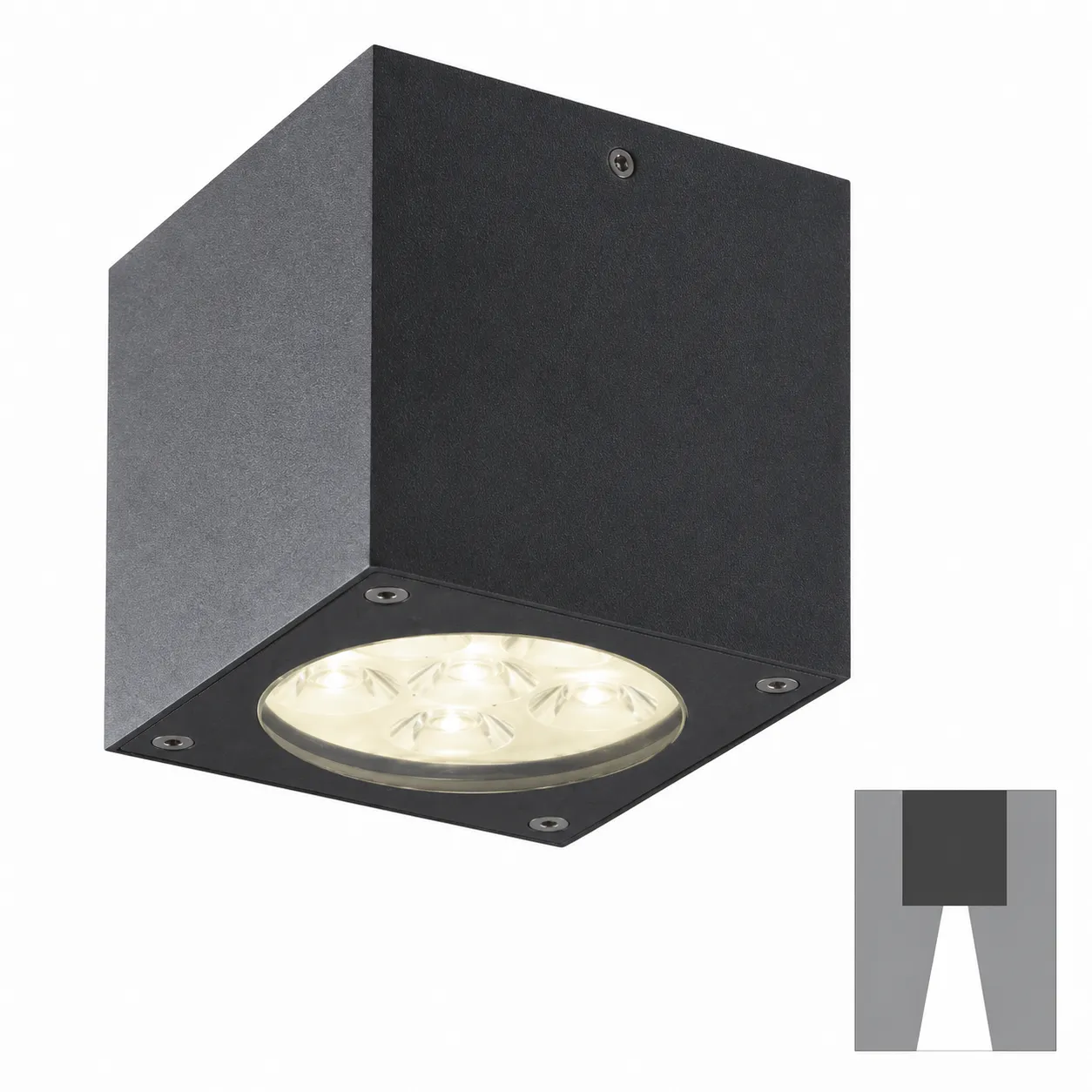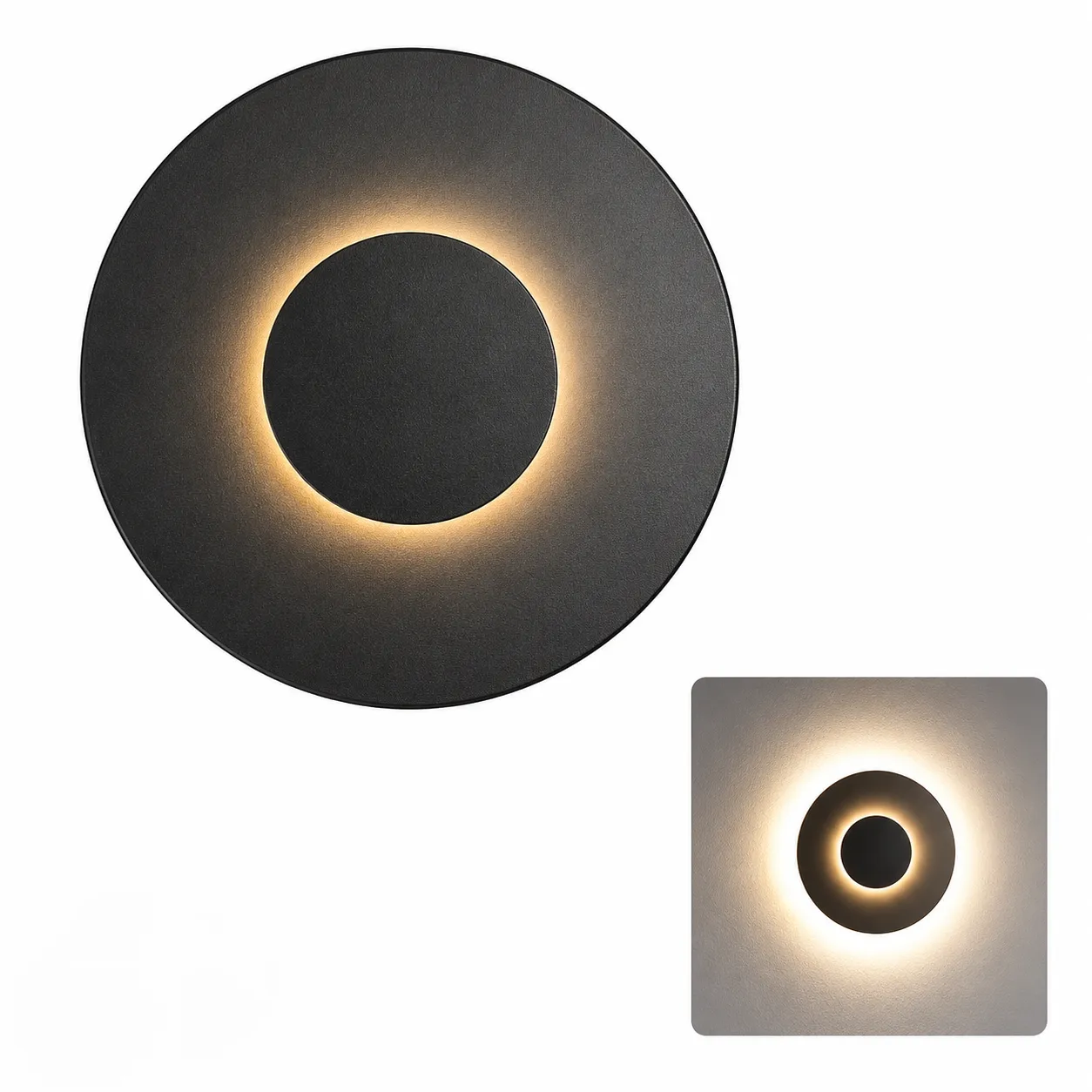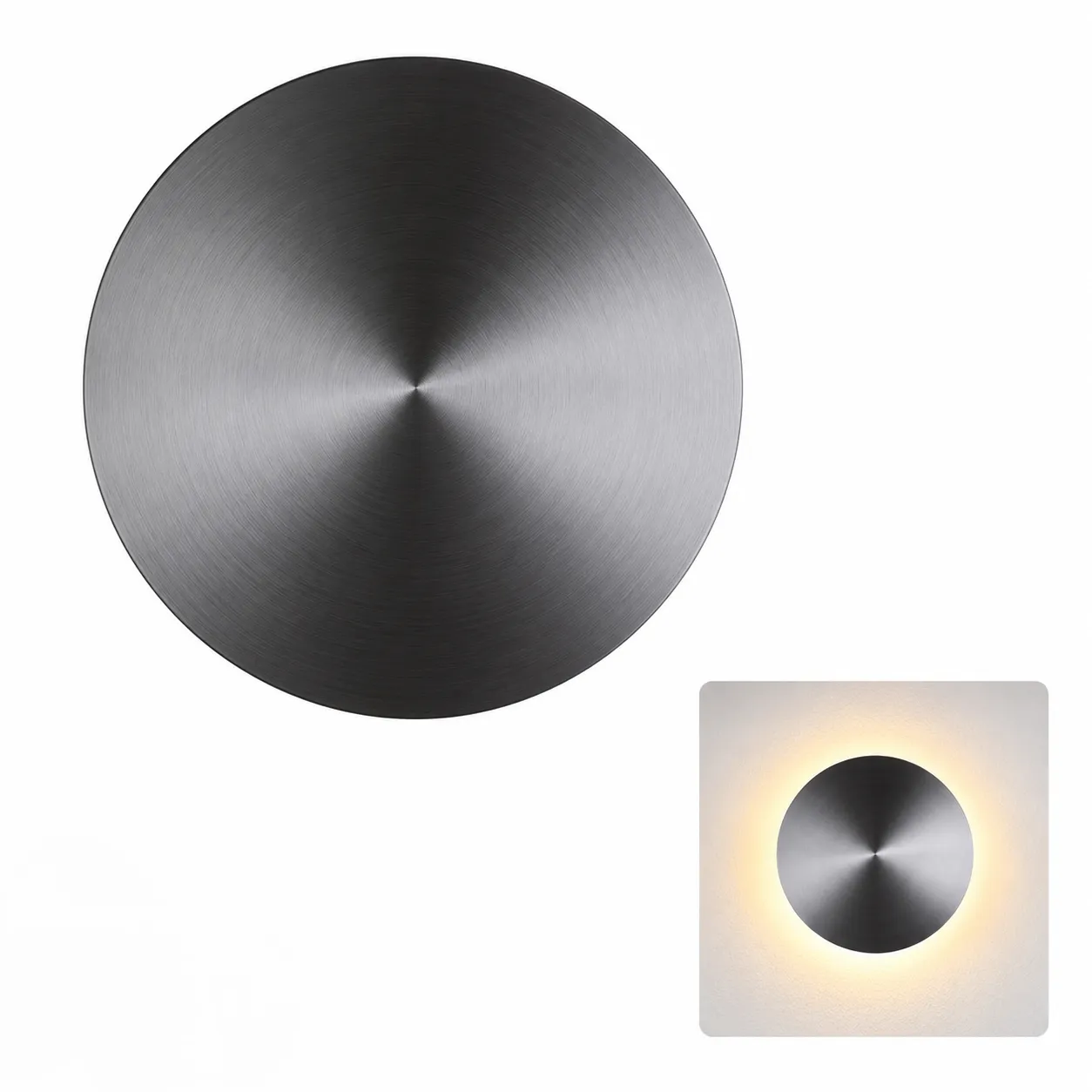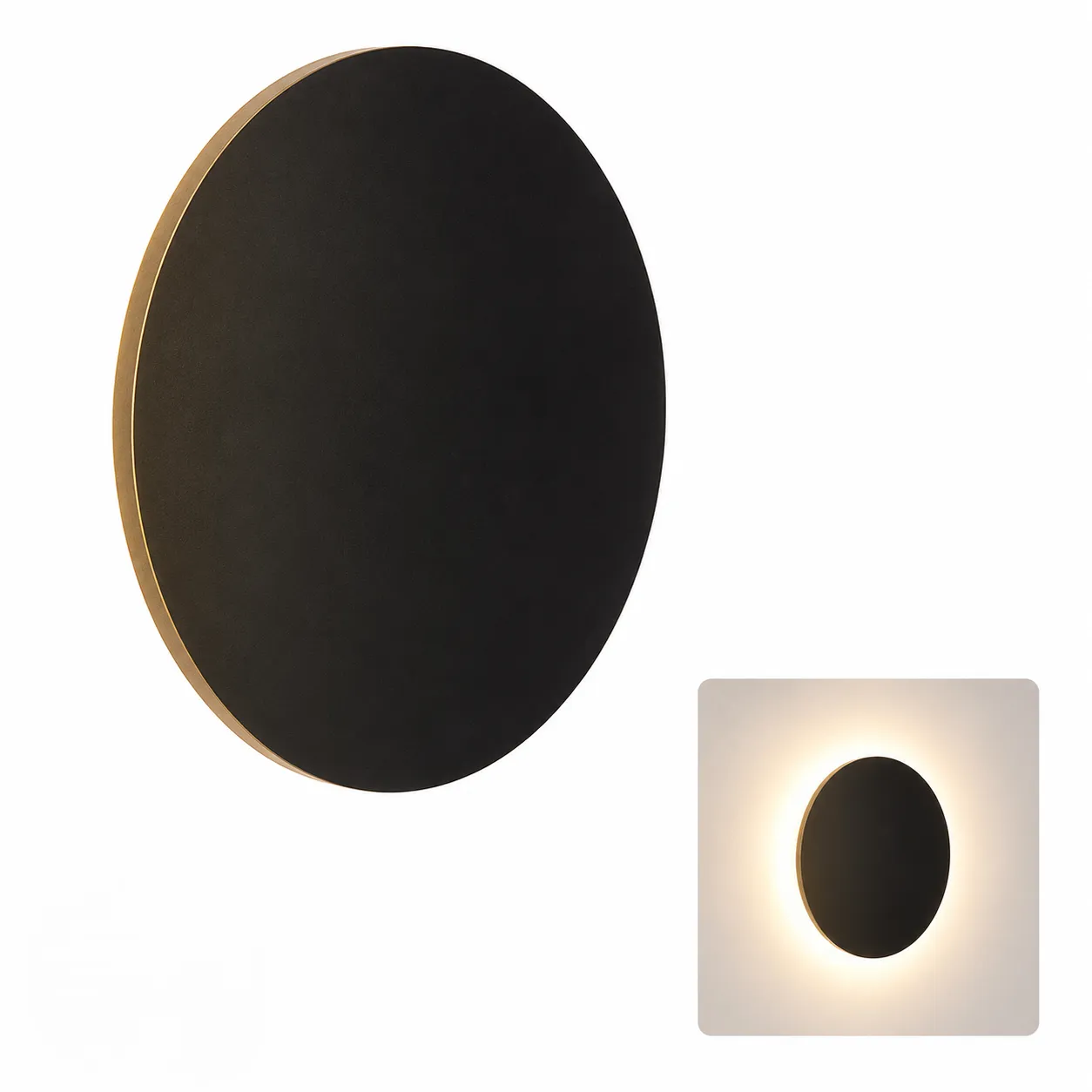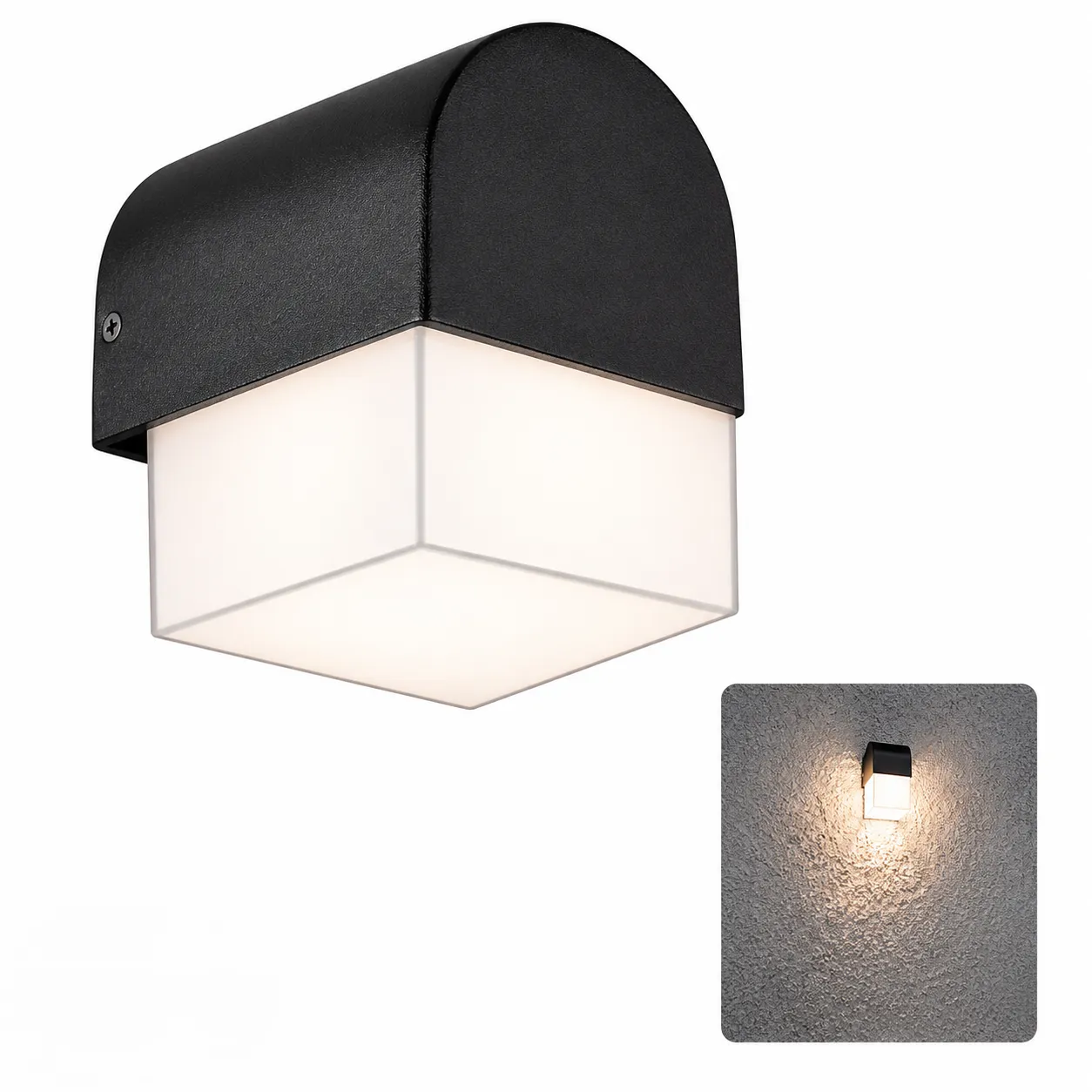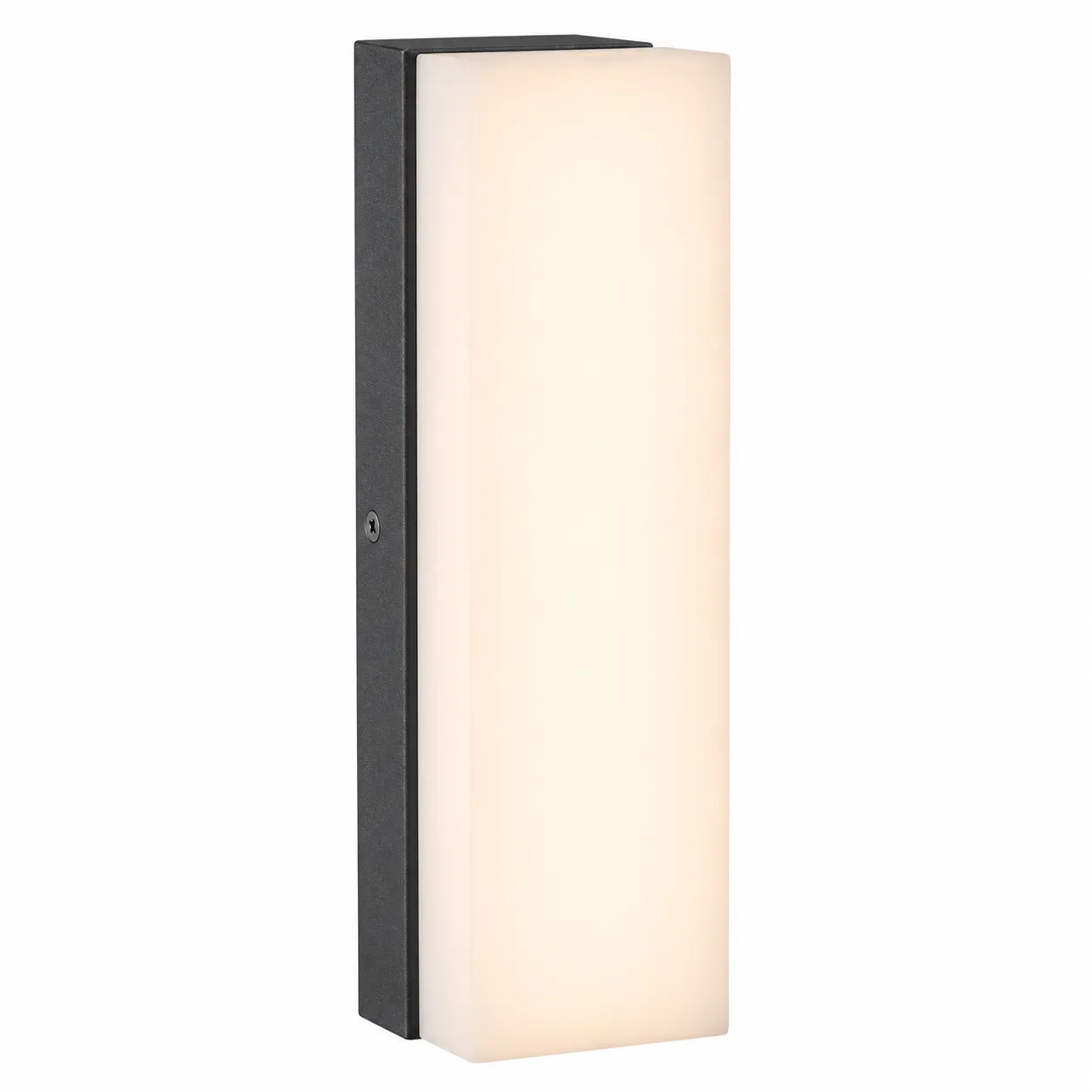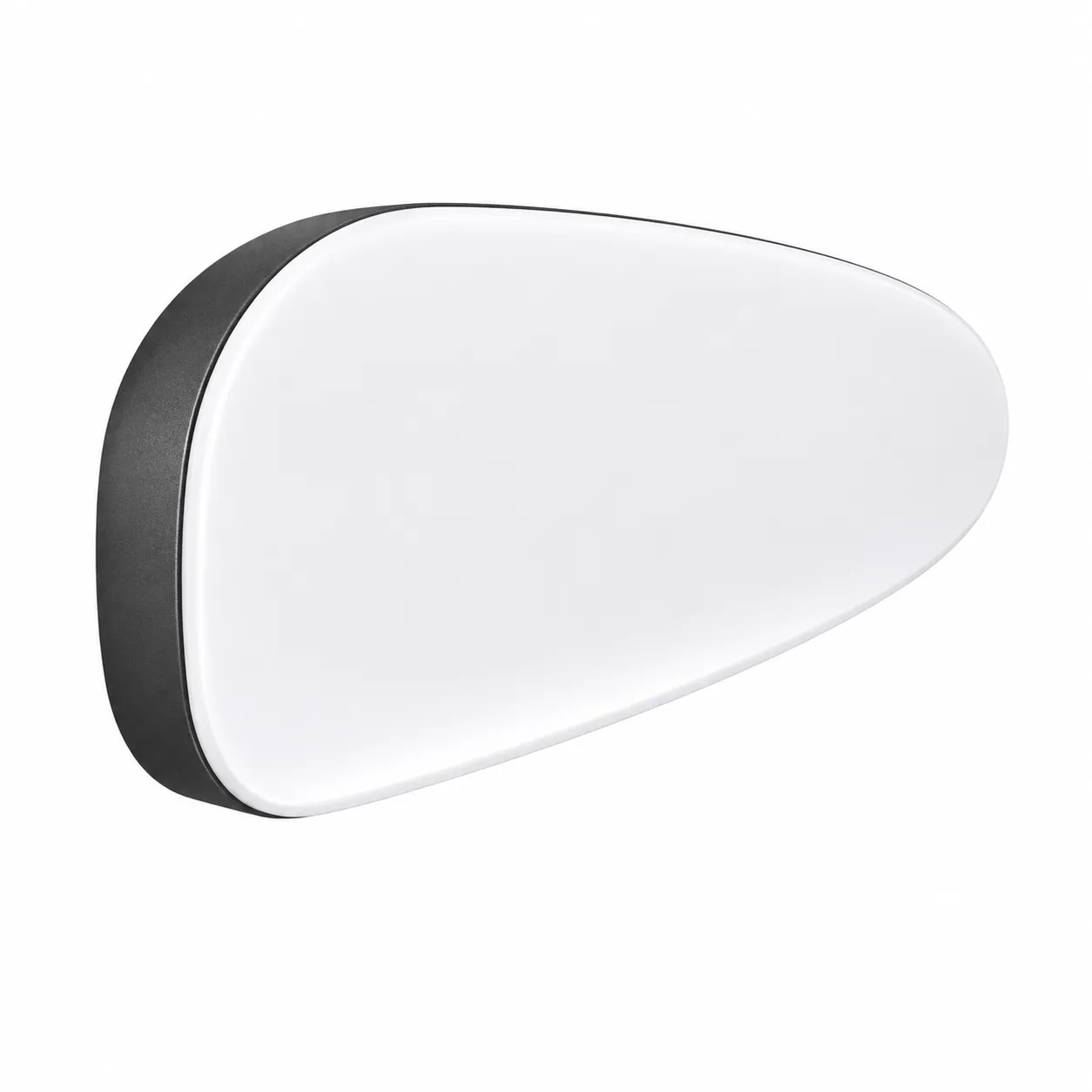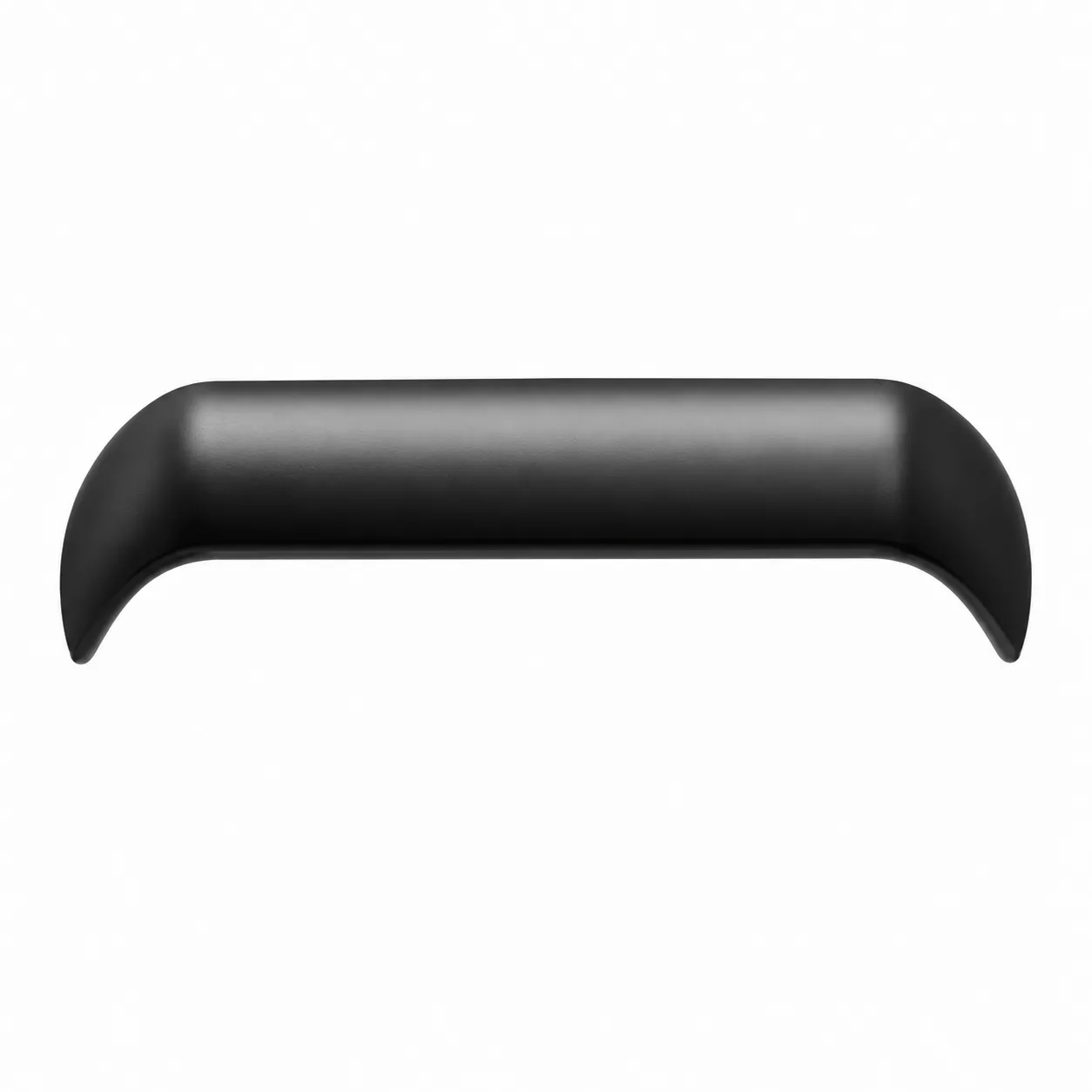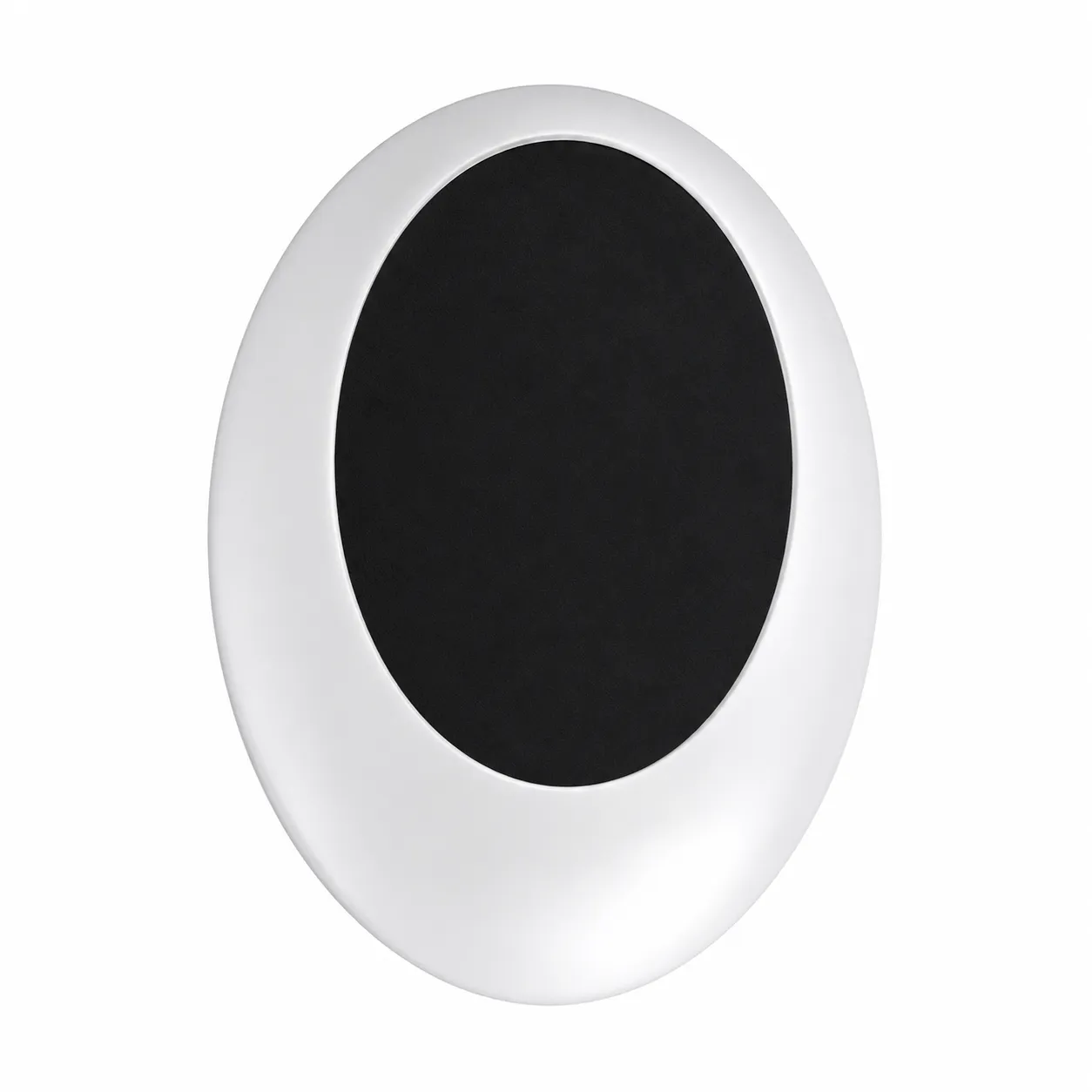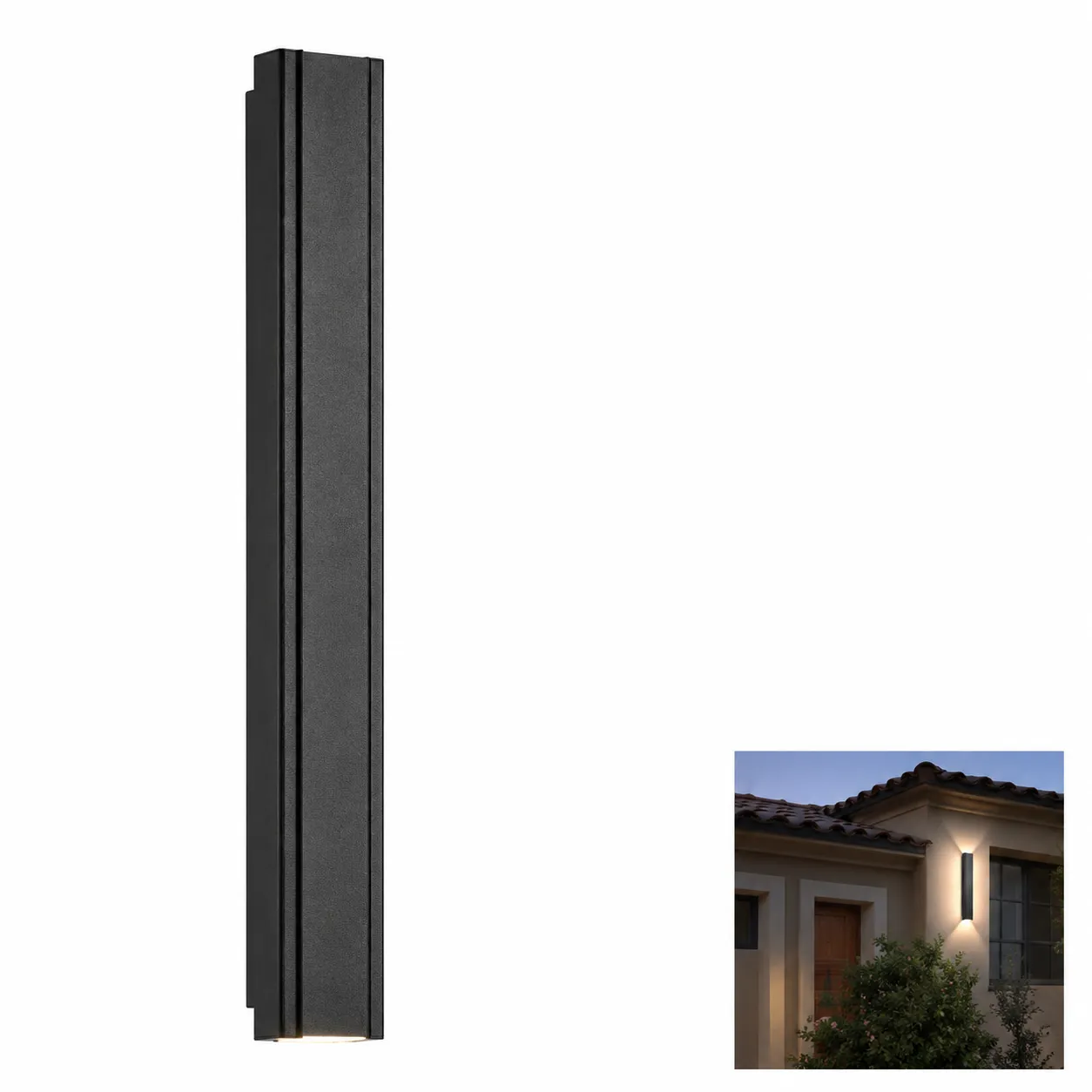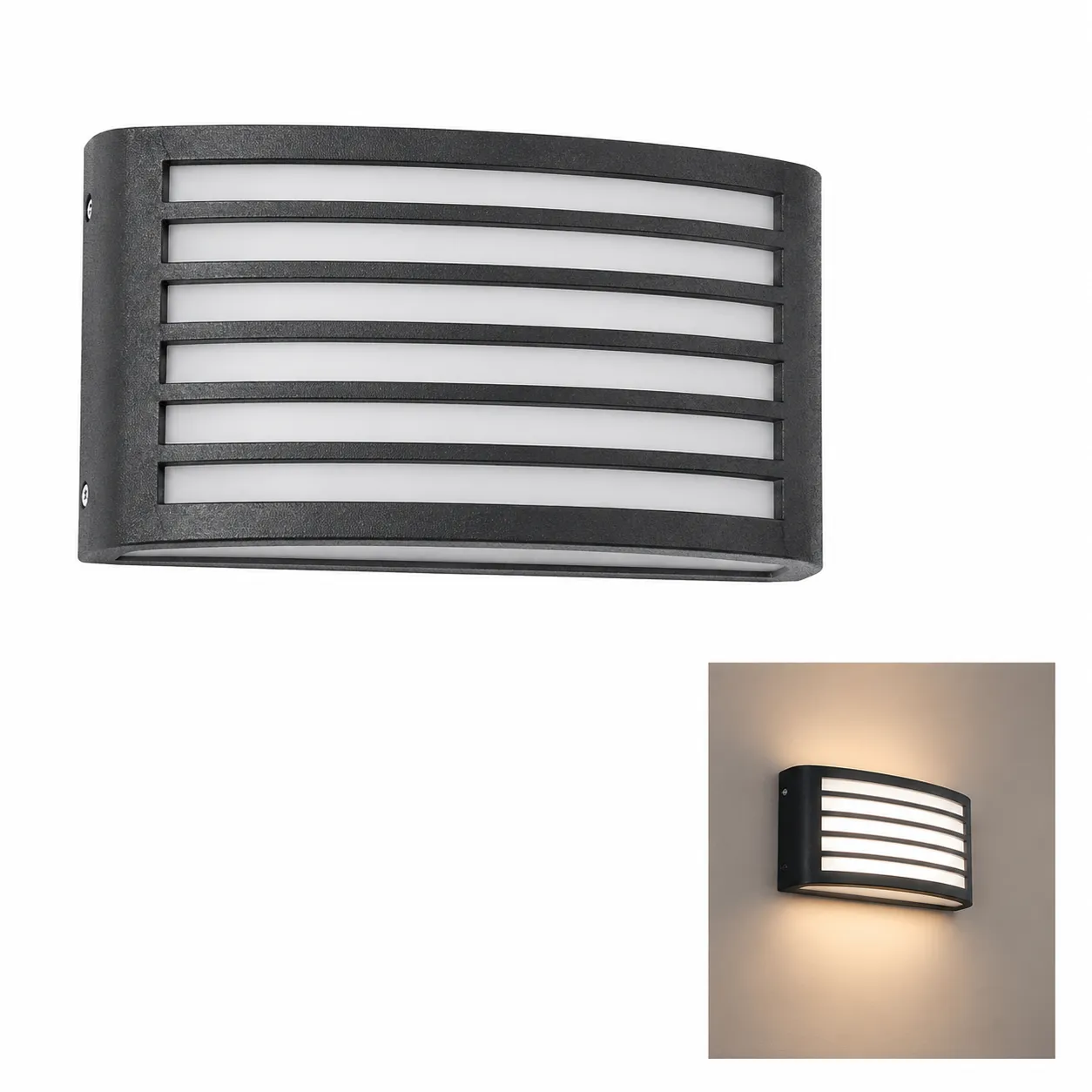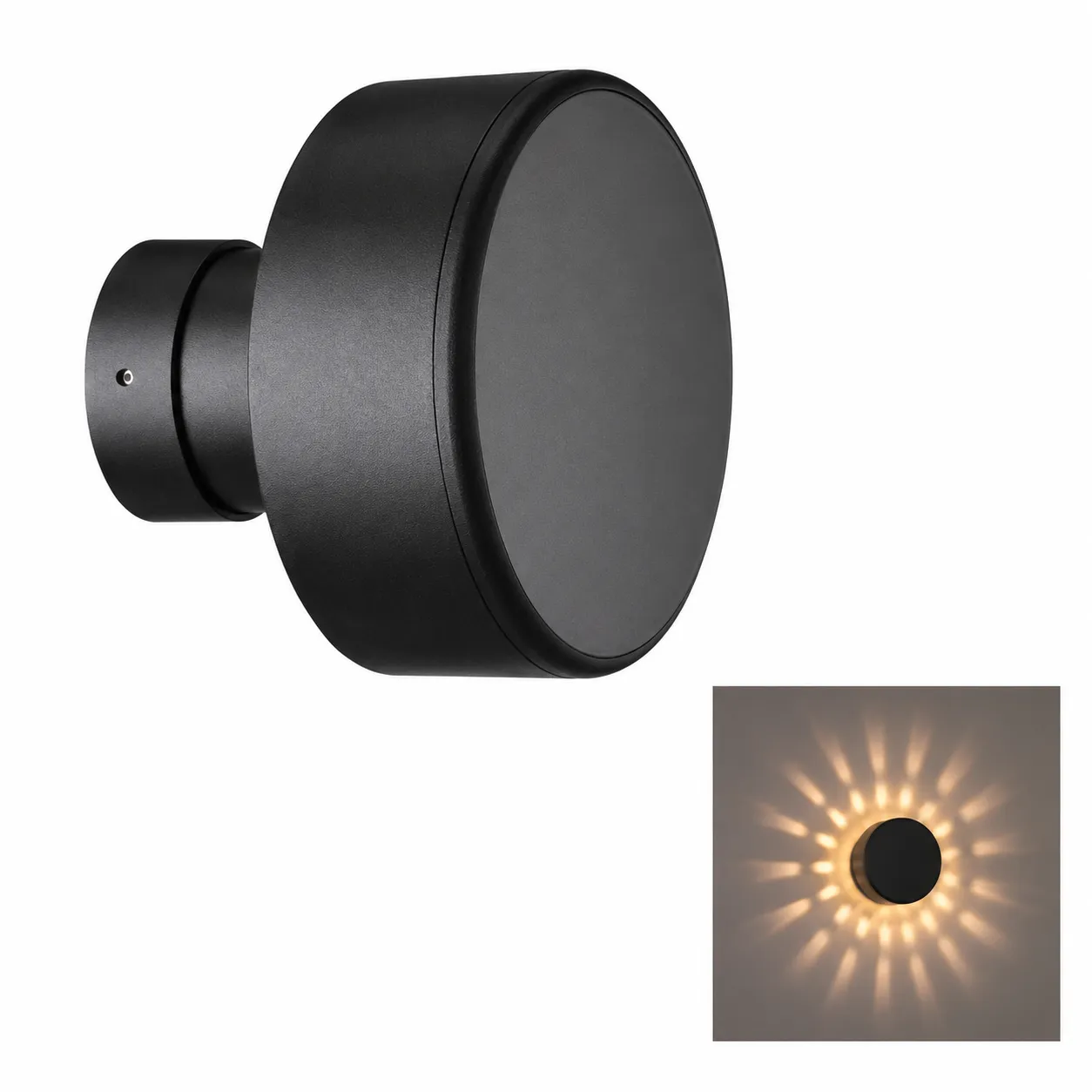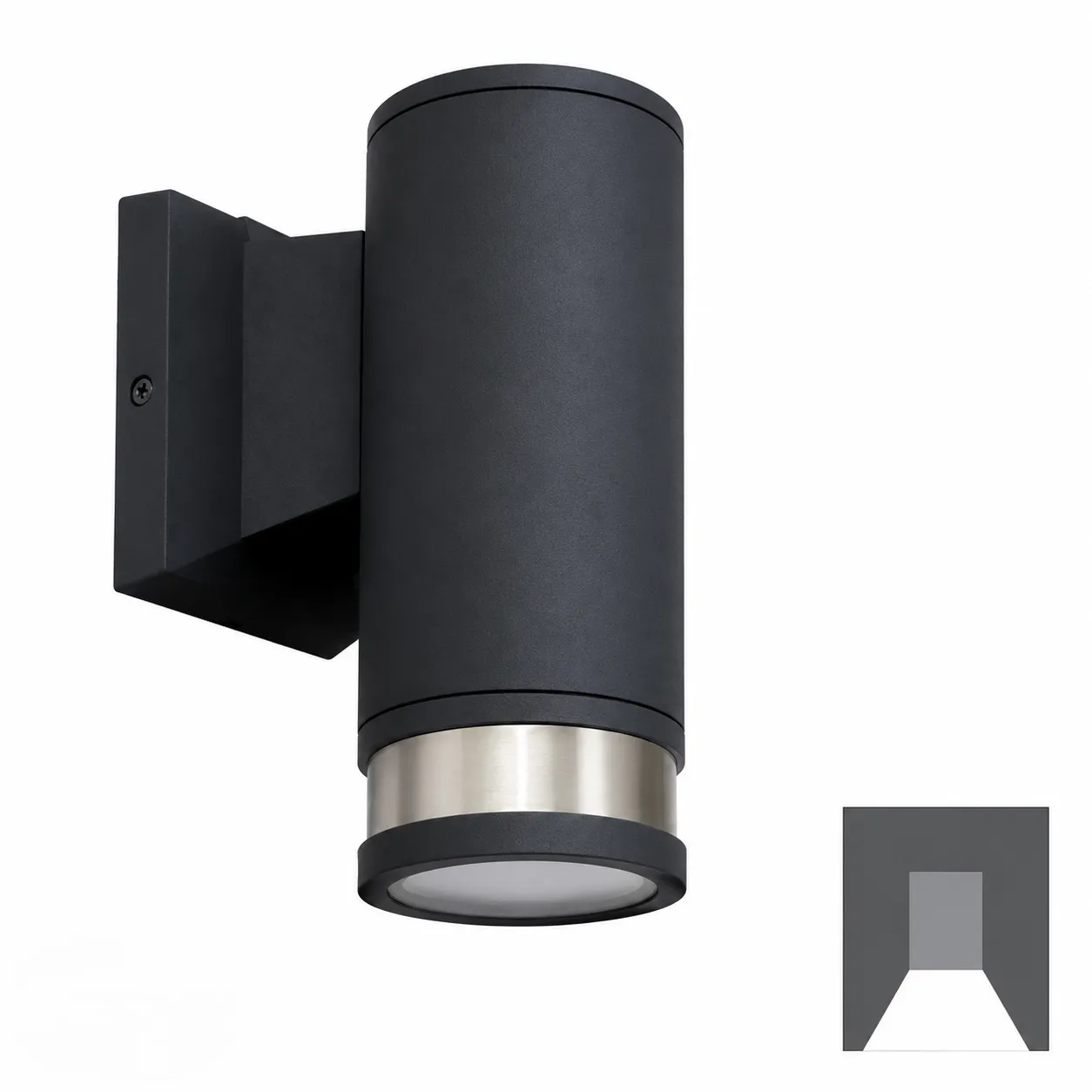



Hybec · Outdoor Lighting

98 models, built for the weather.

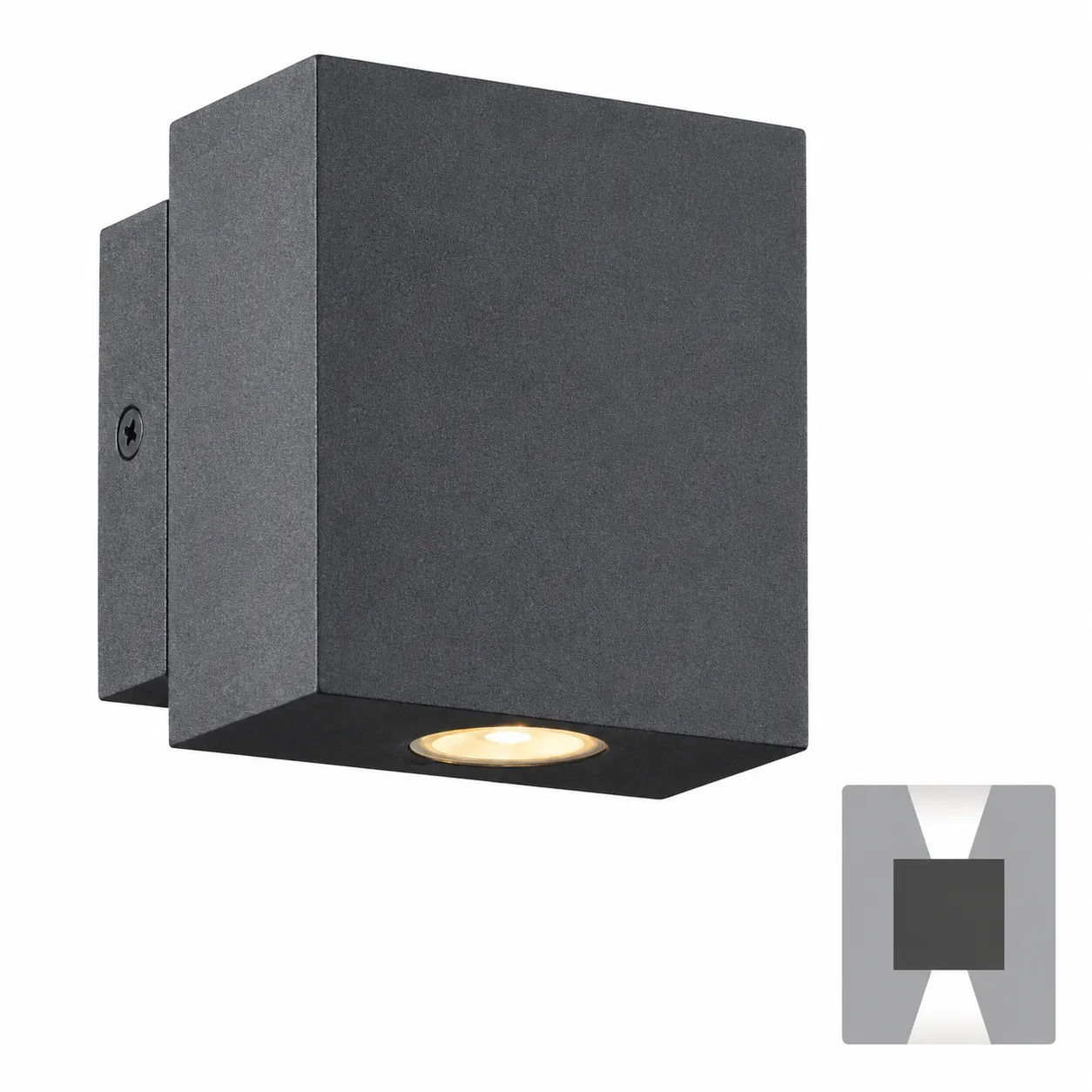
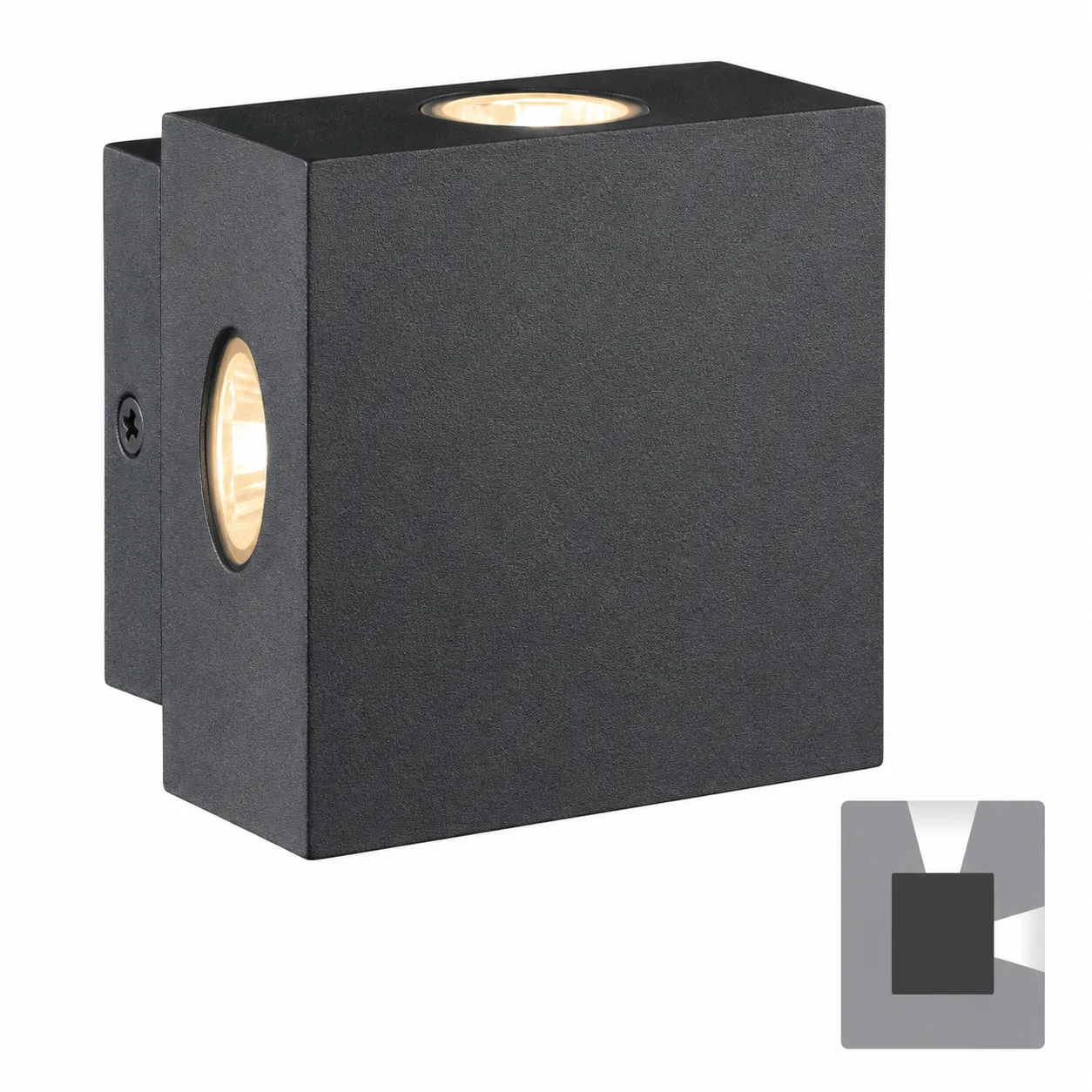
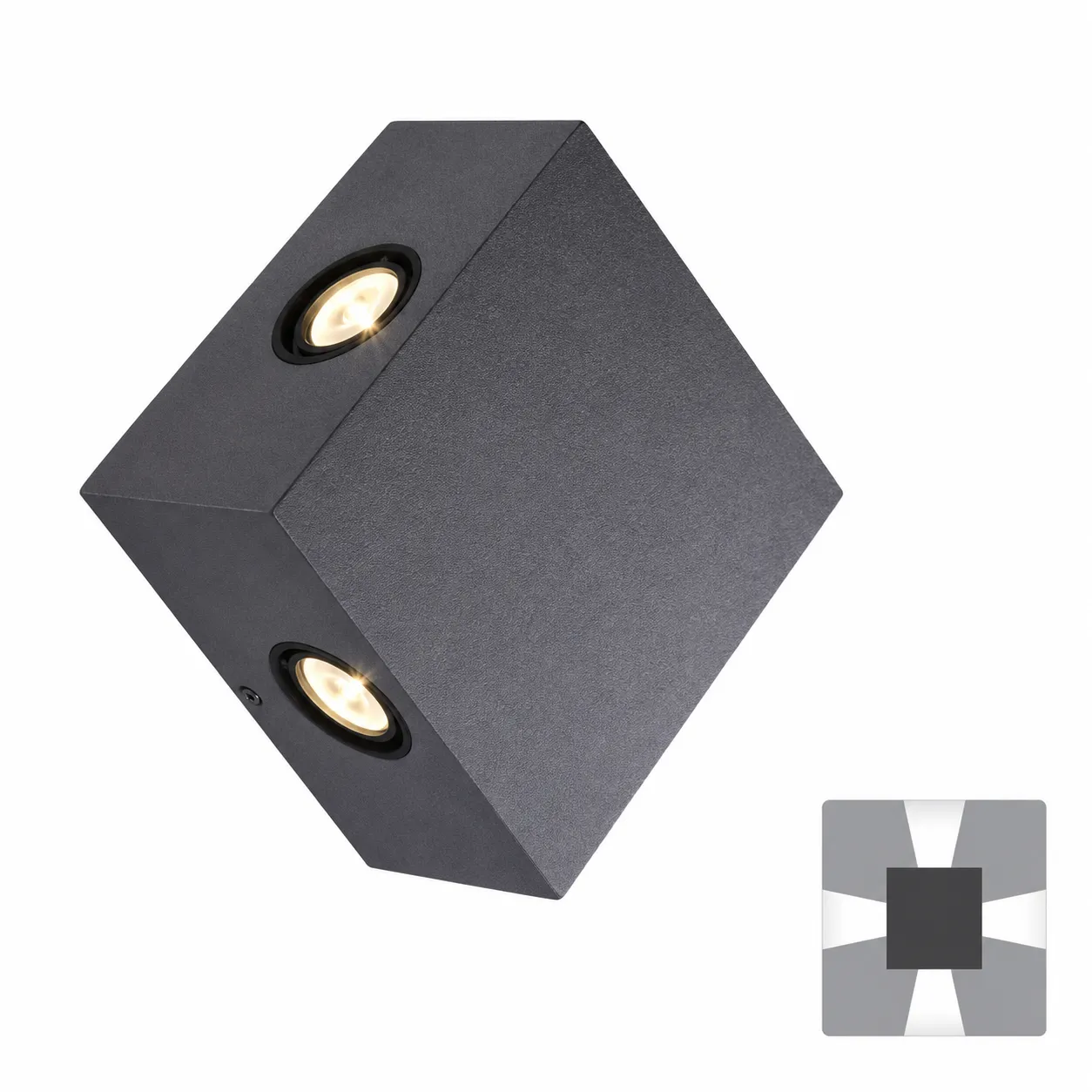
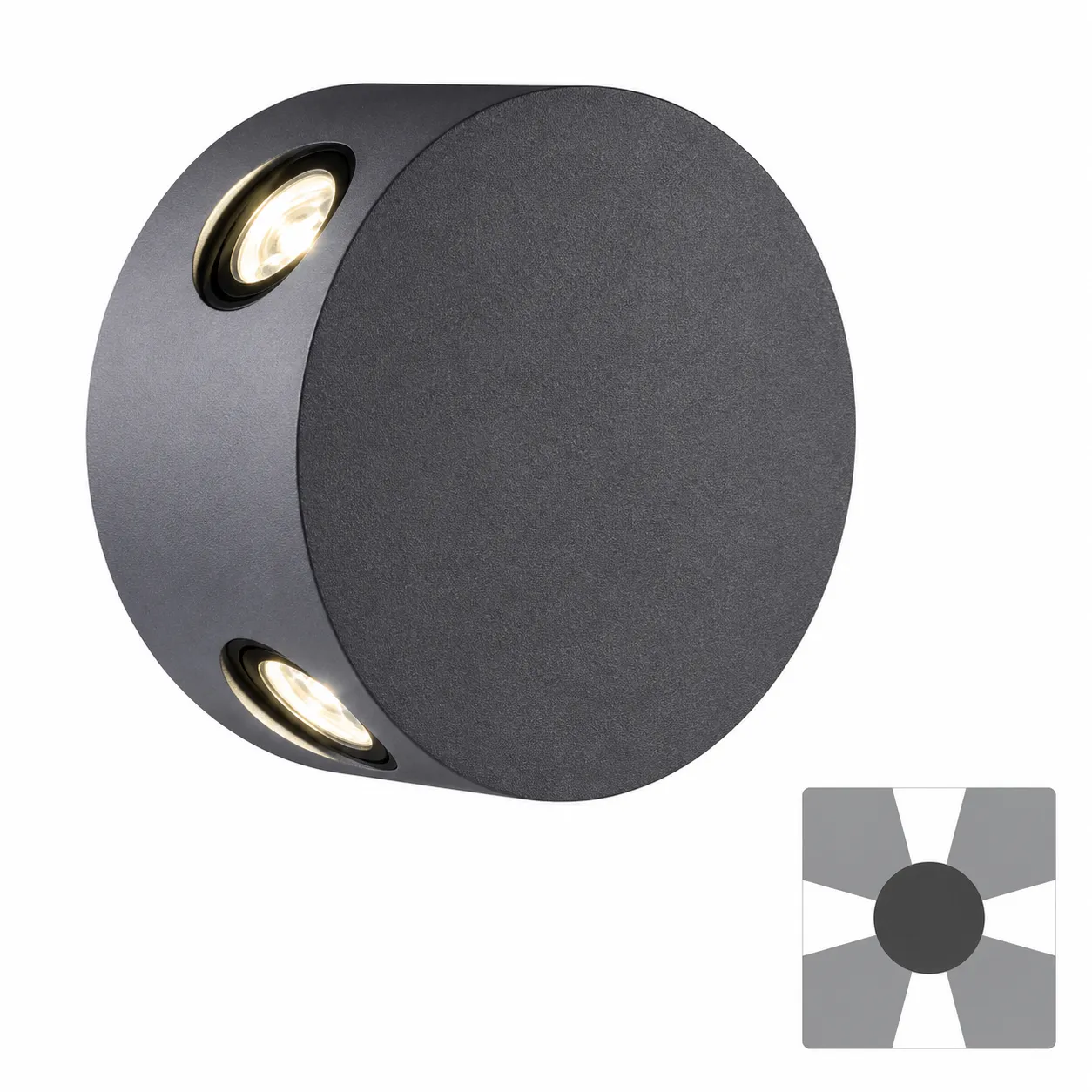
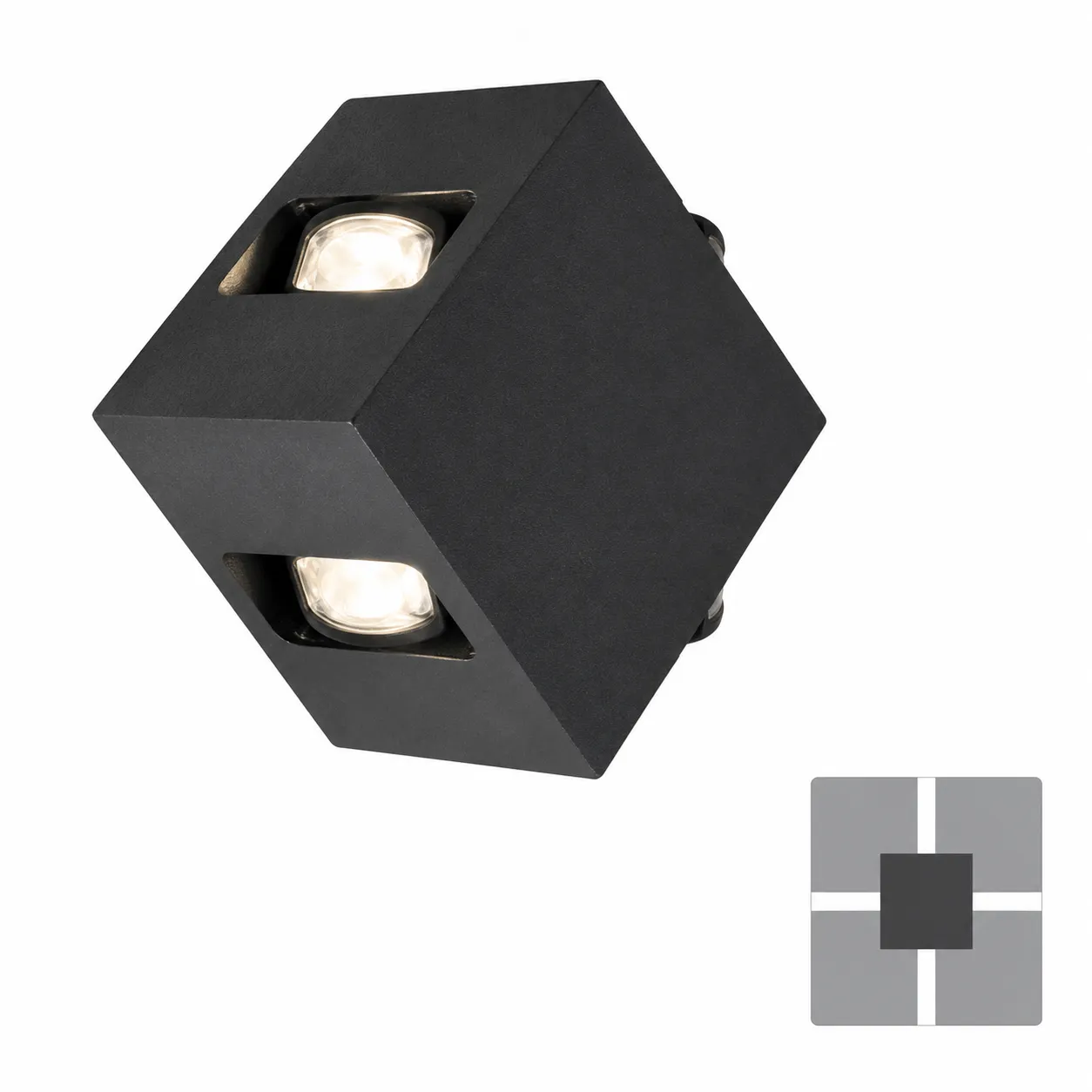
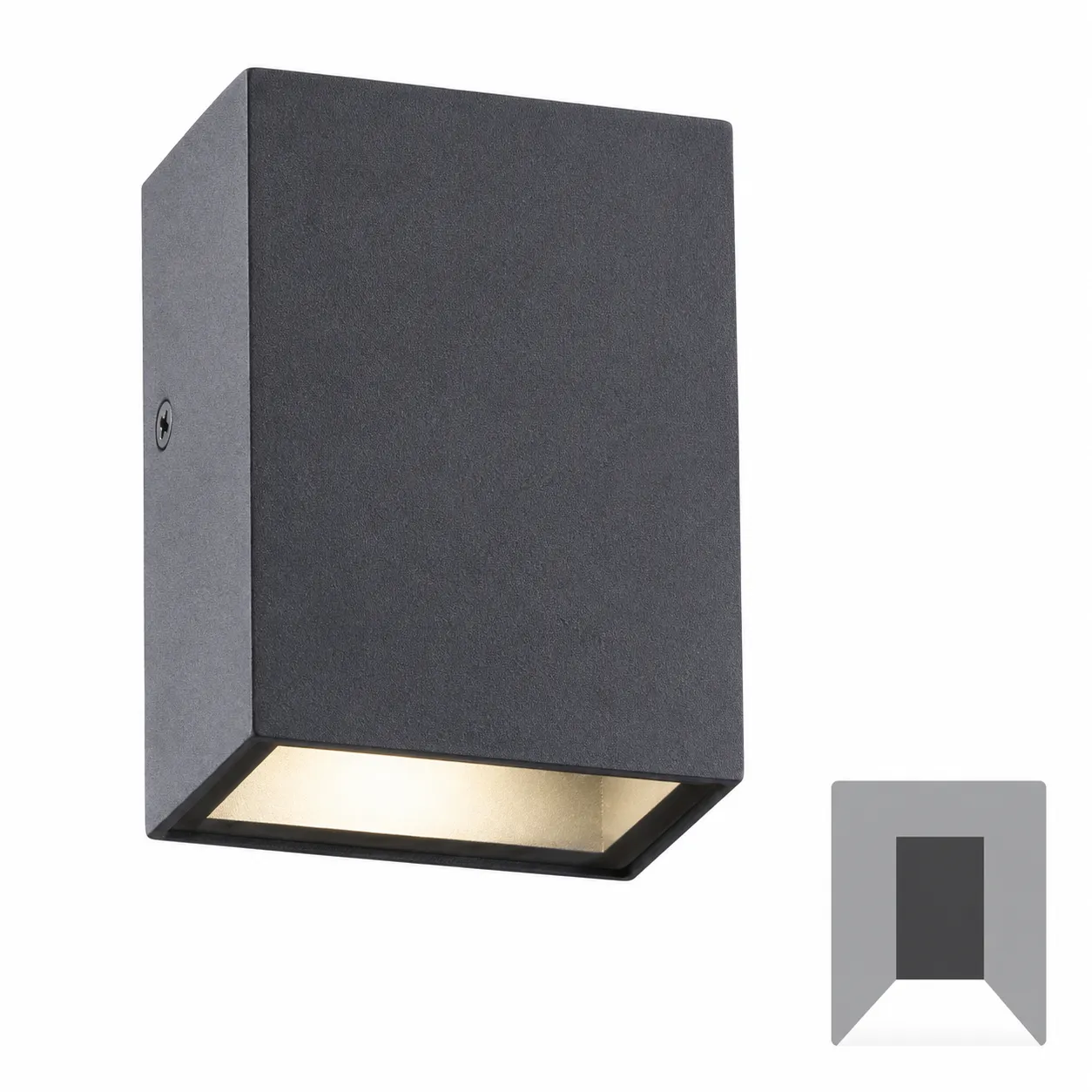
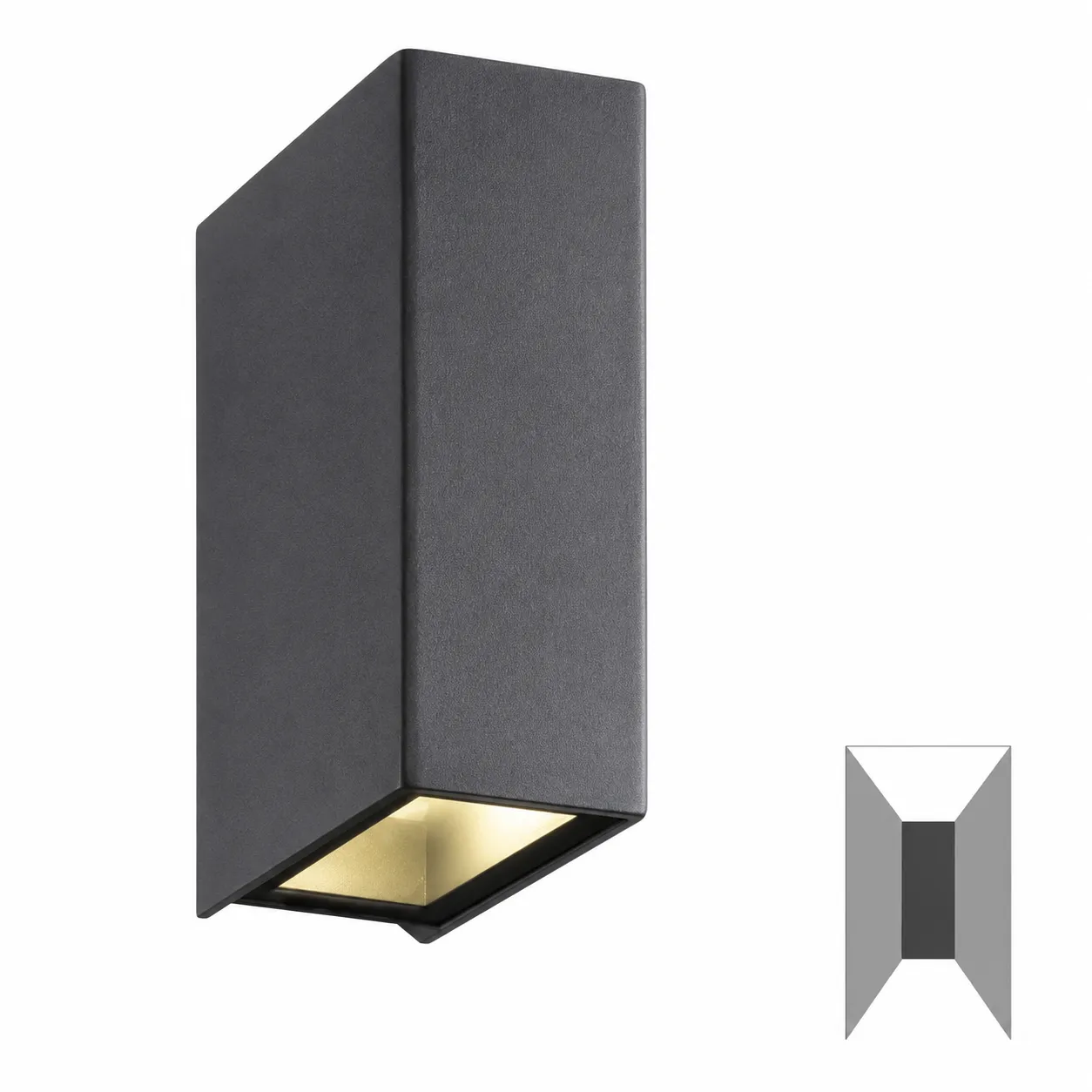
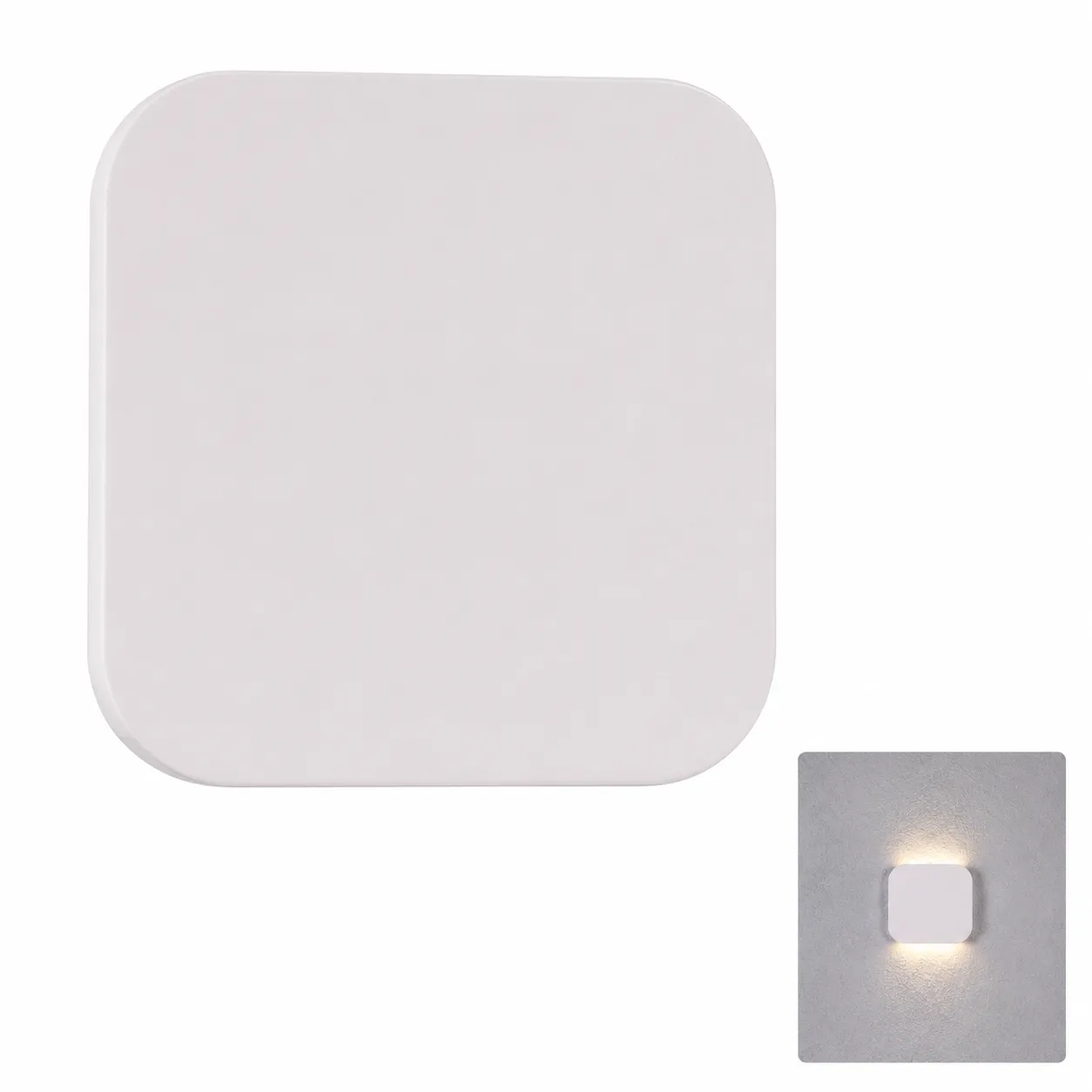
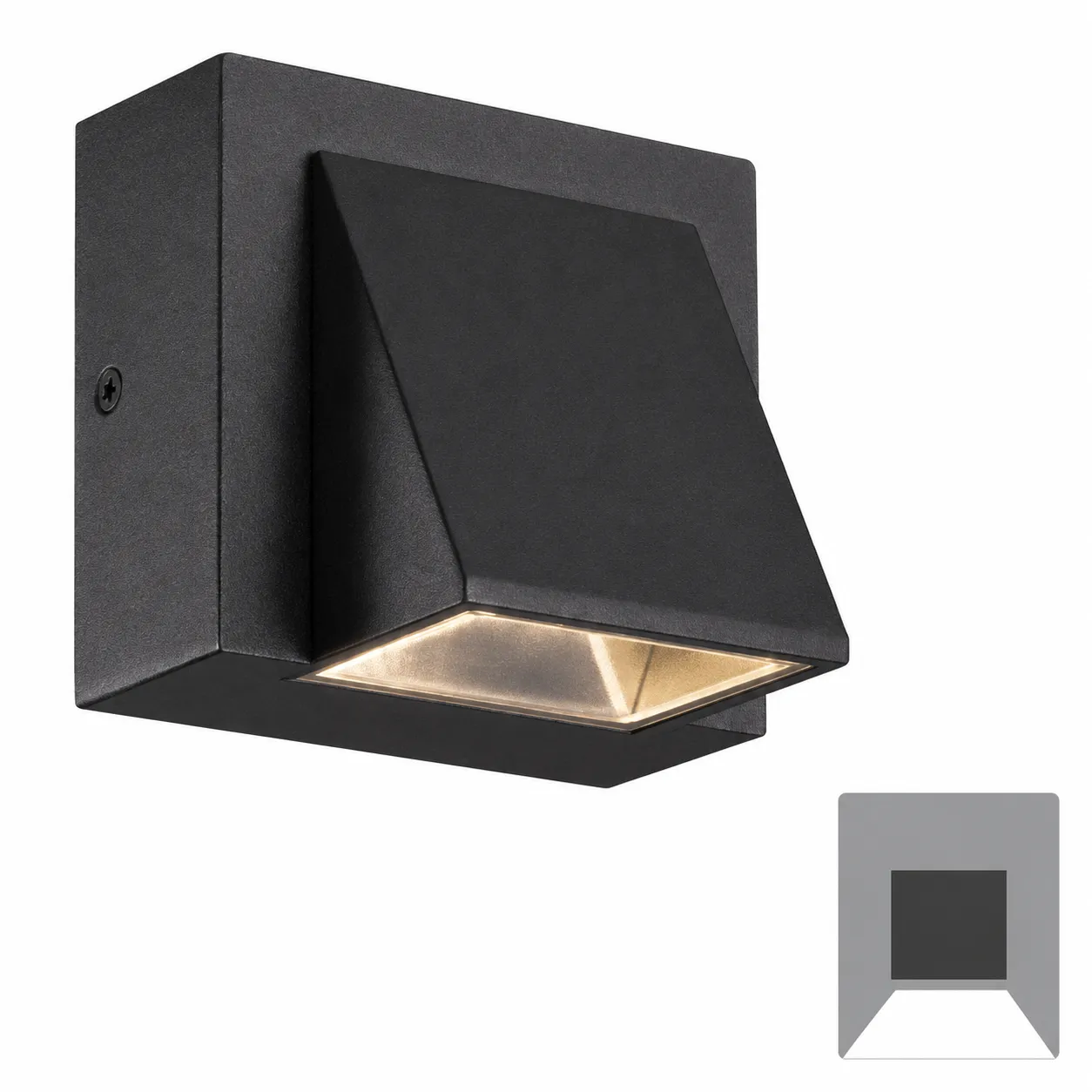
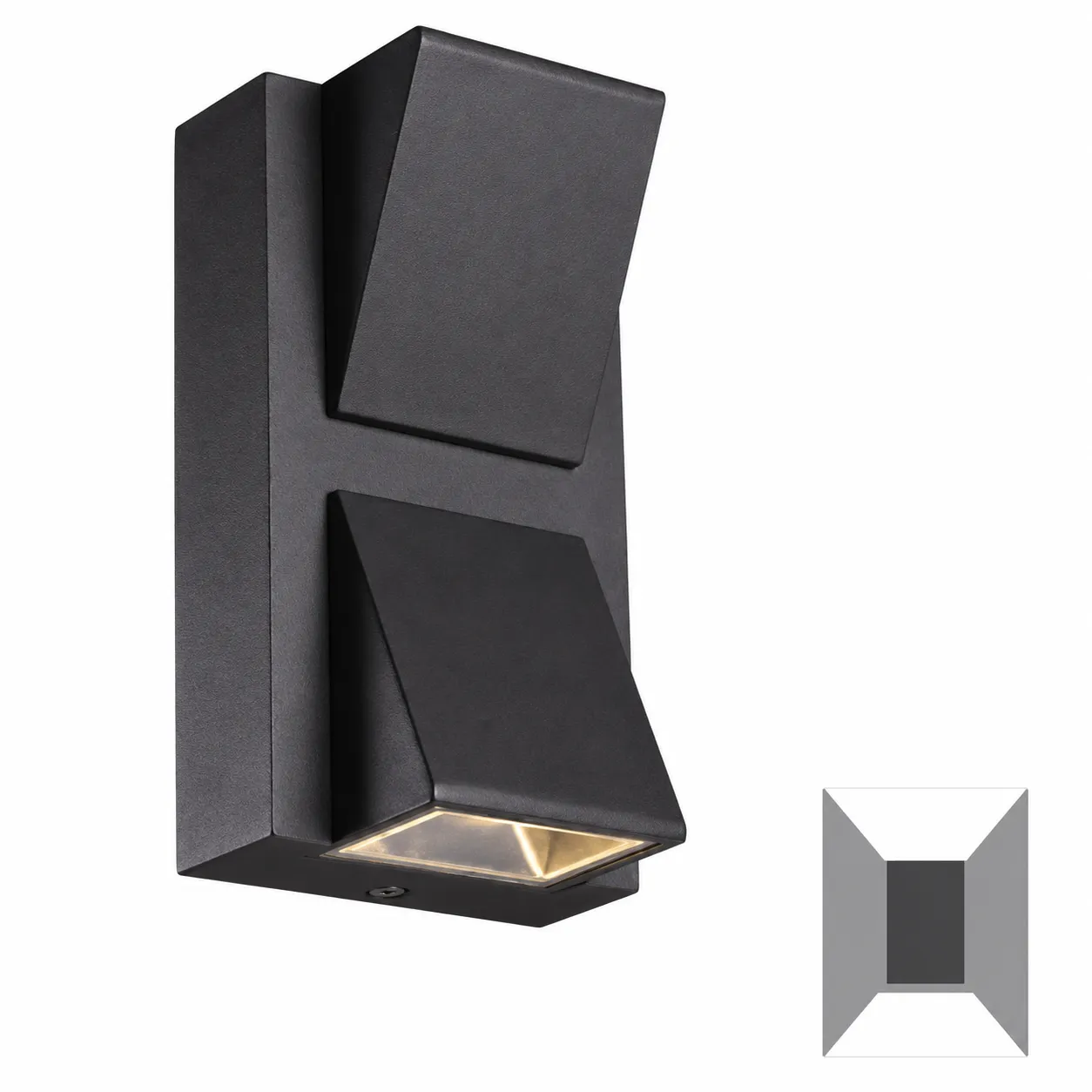
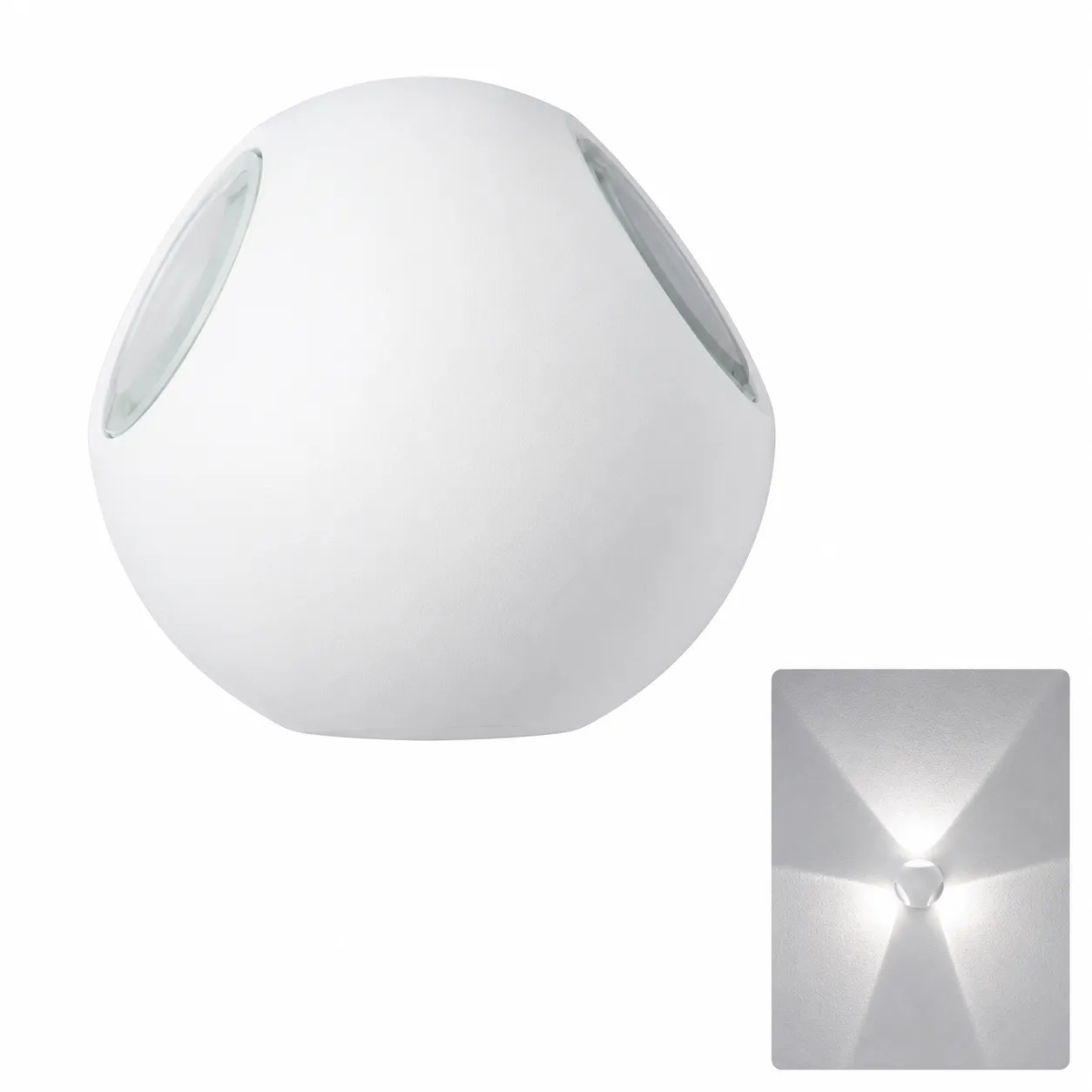
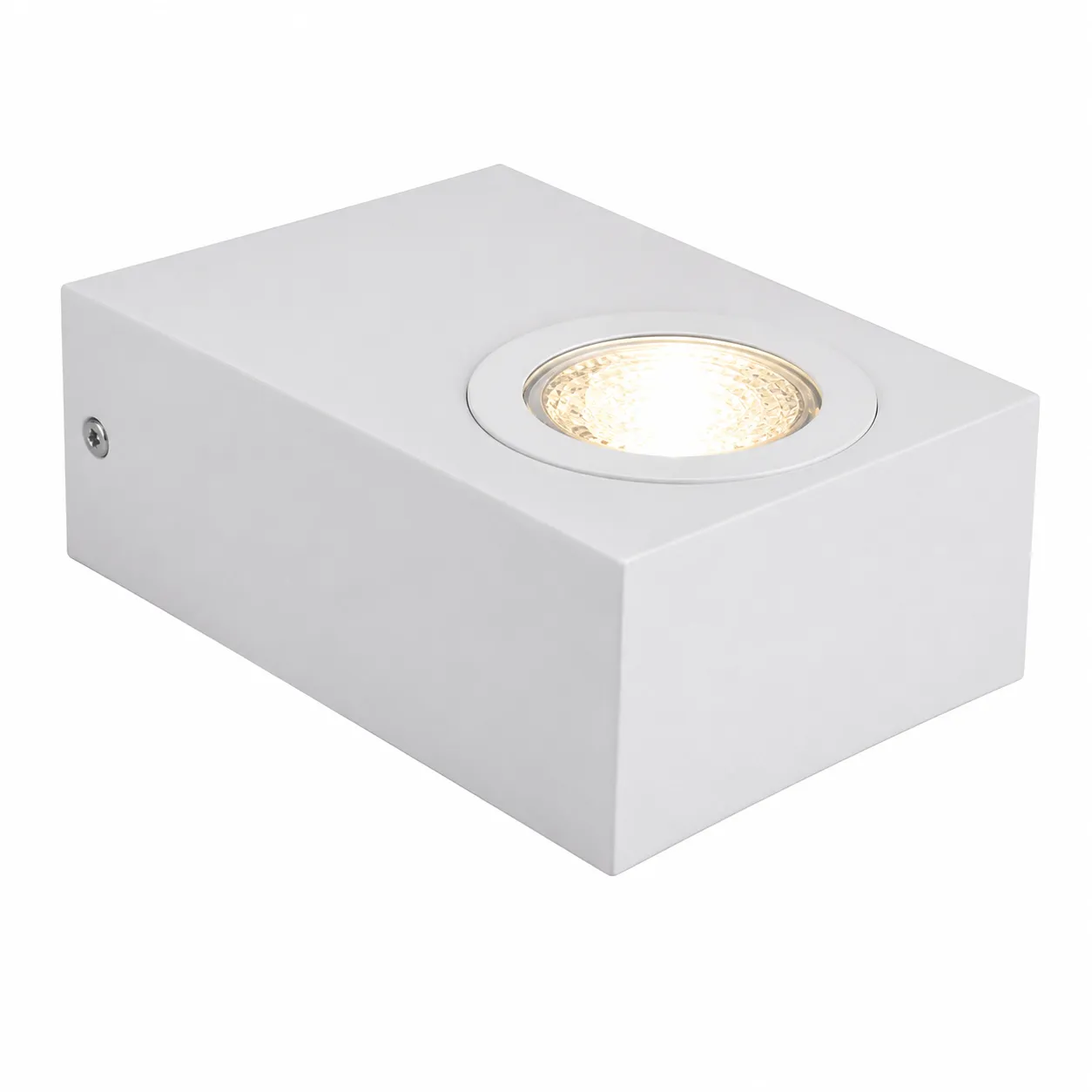
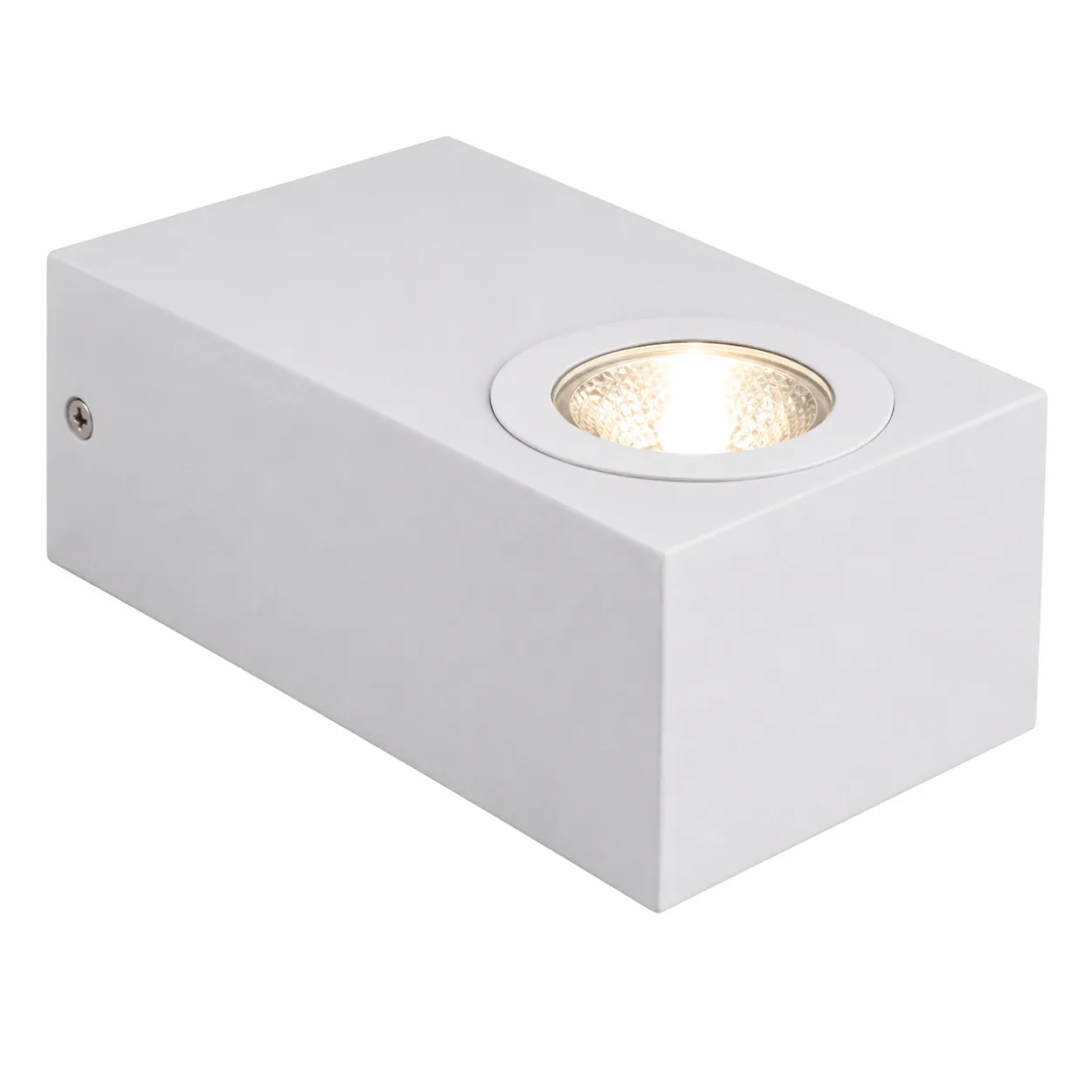
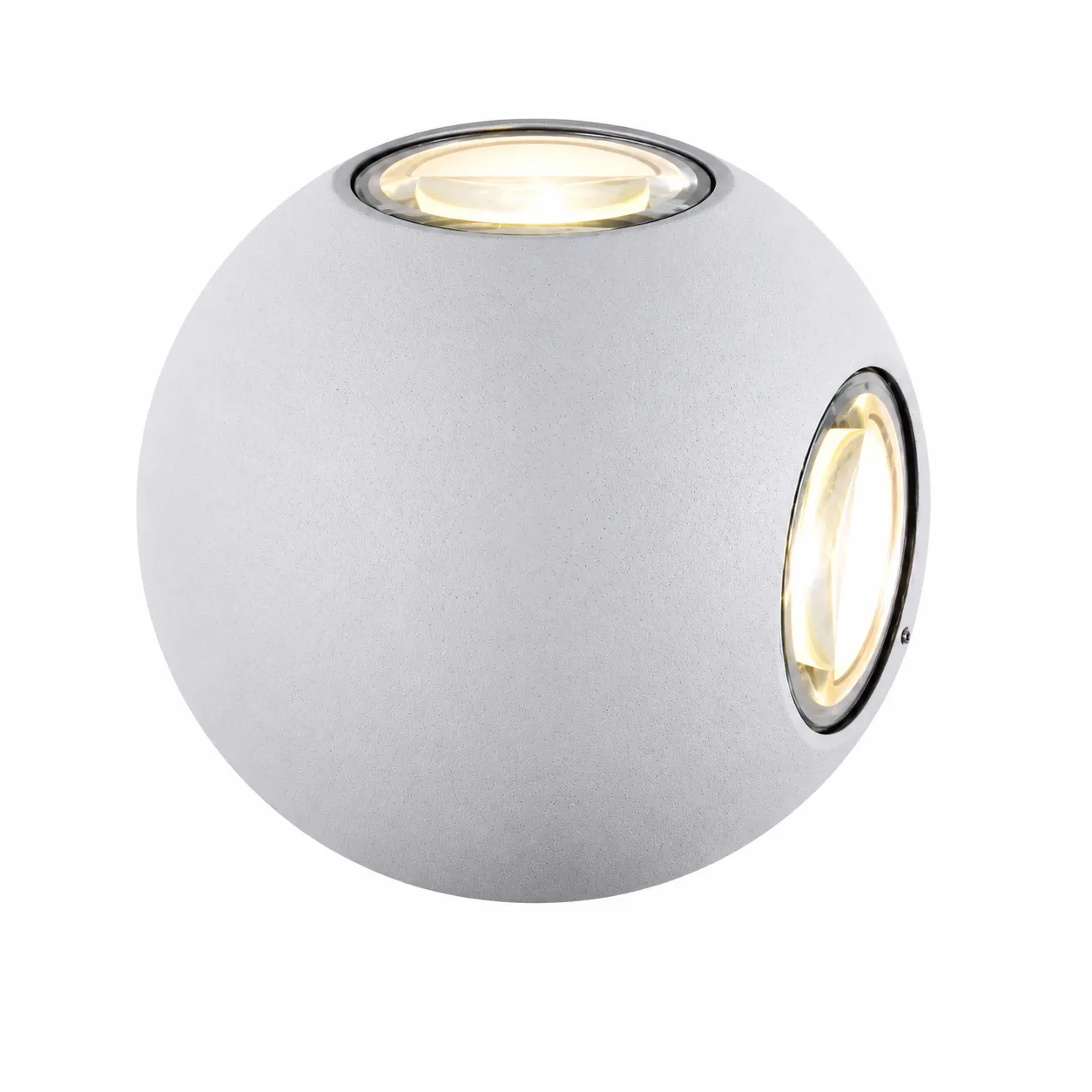
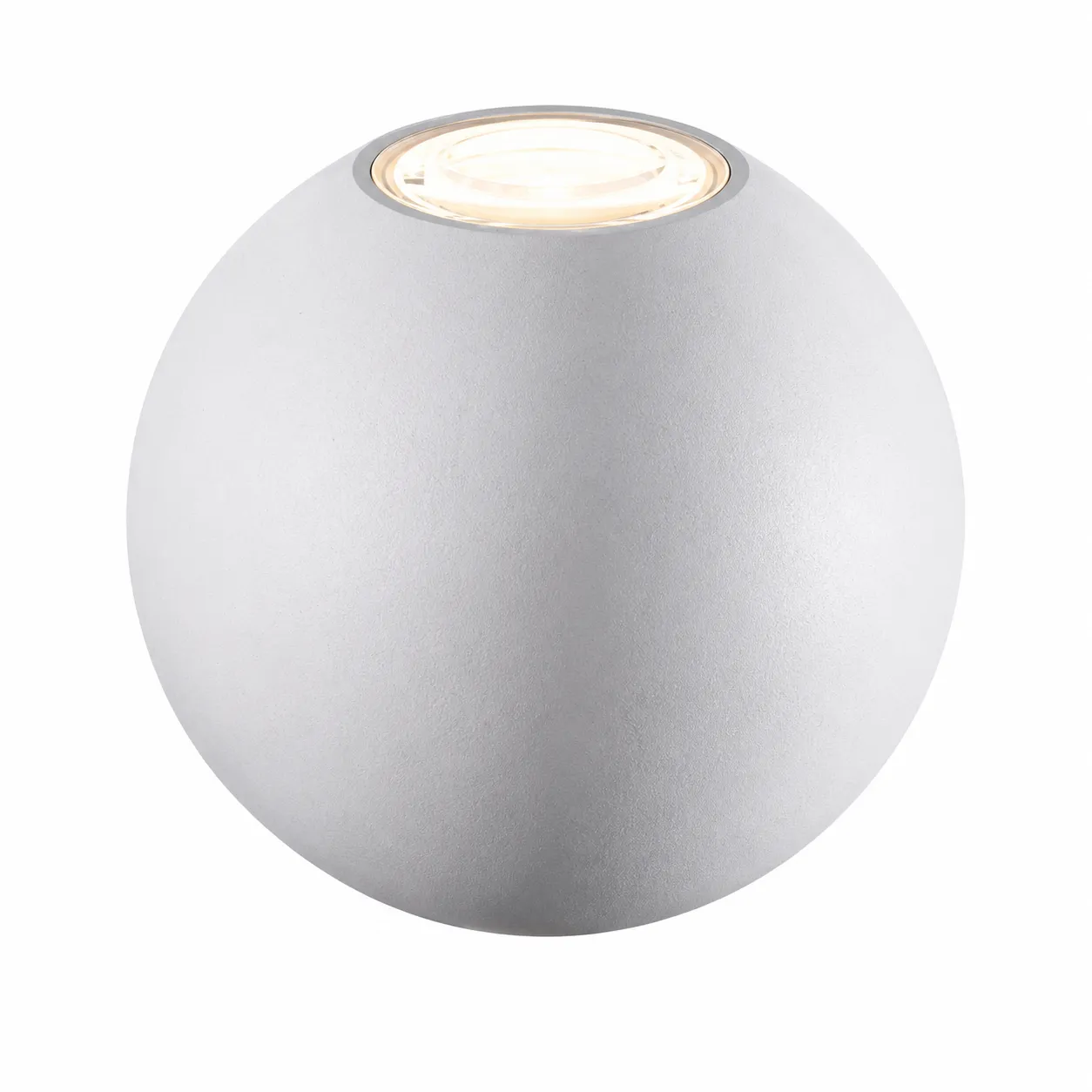
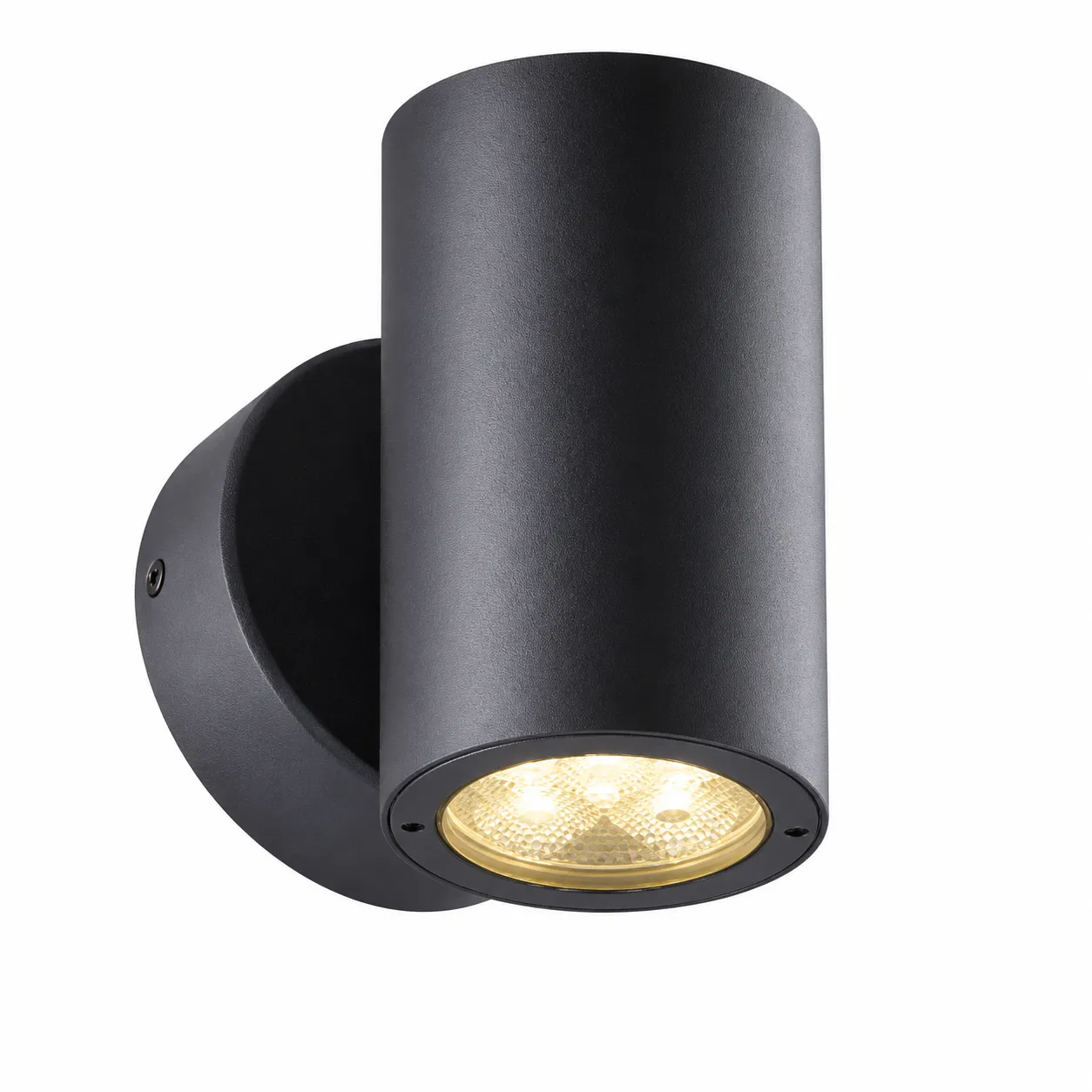
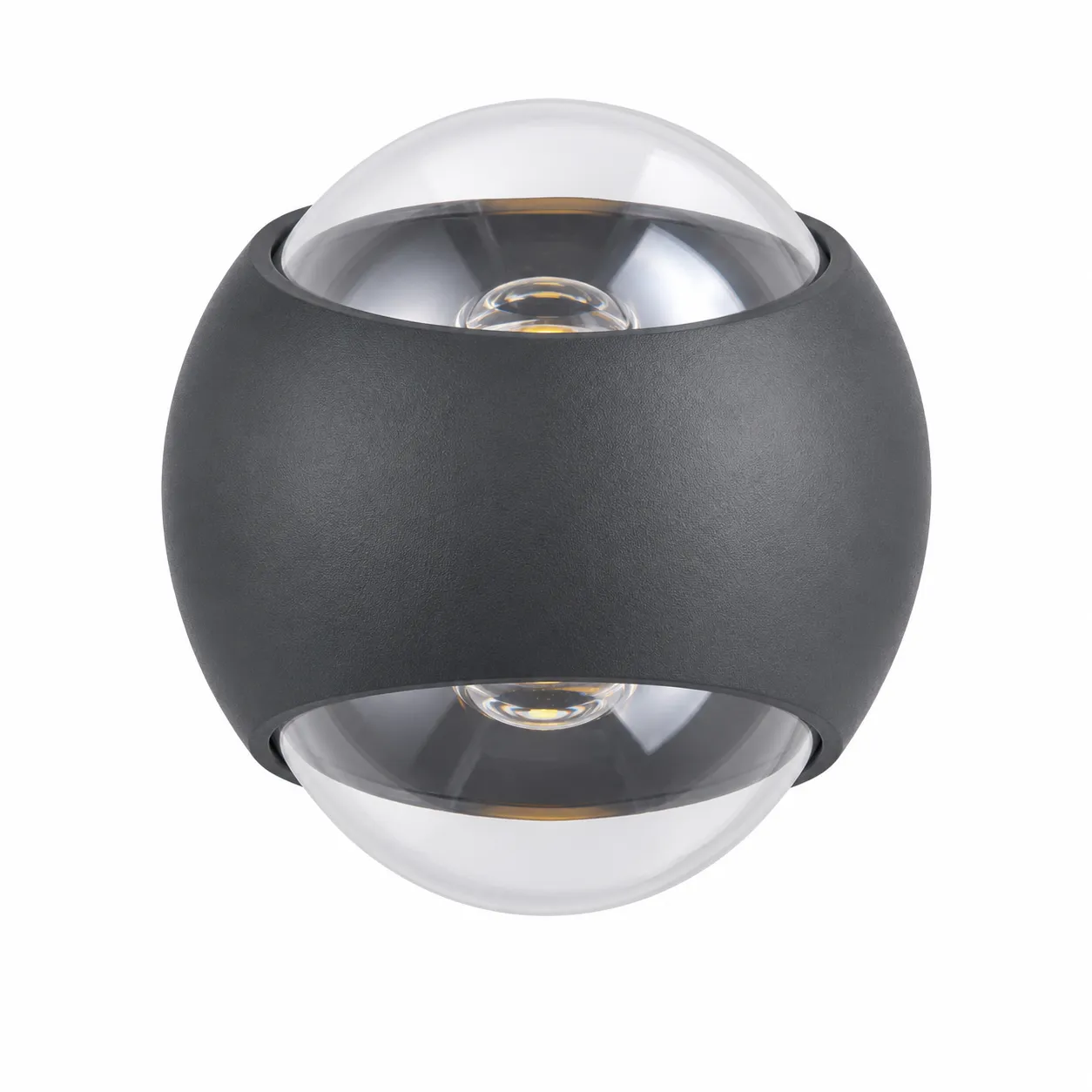
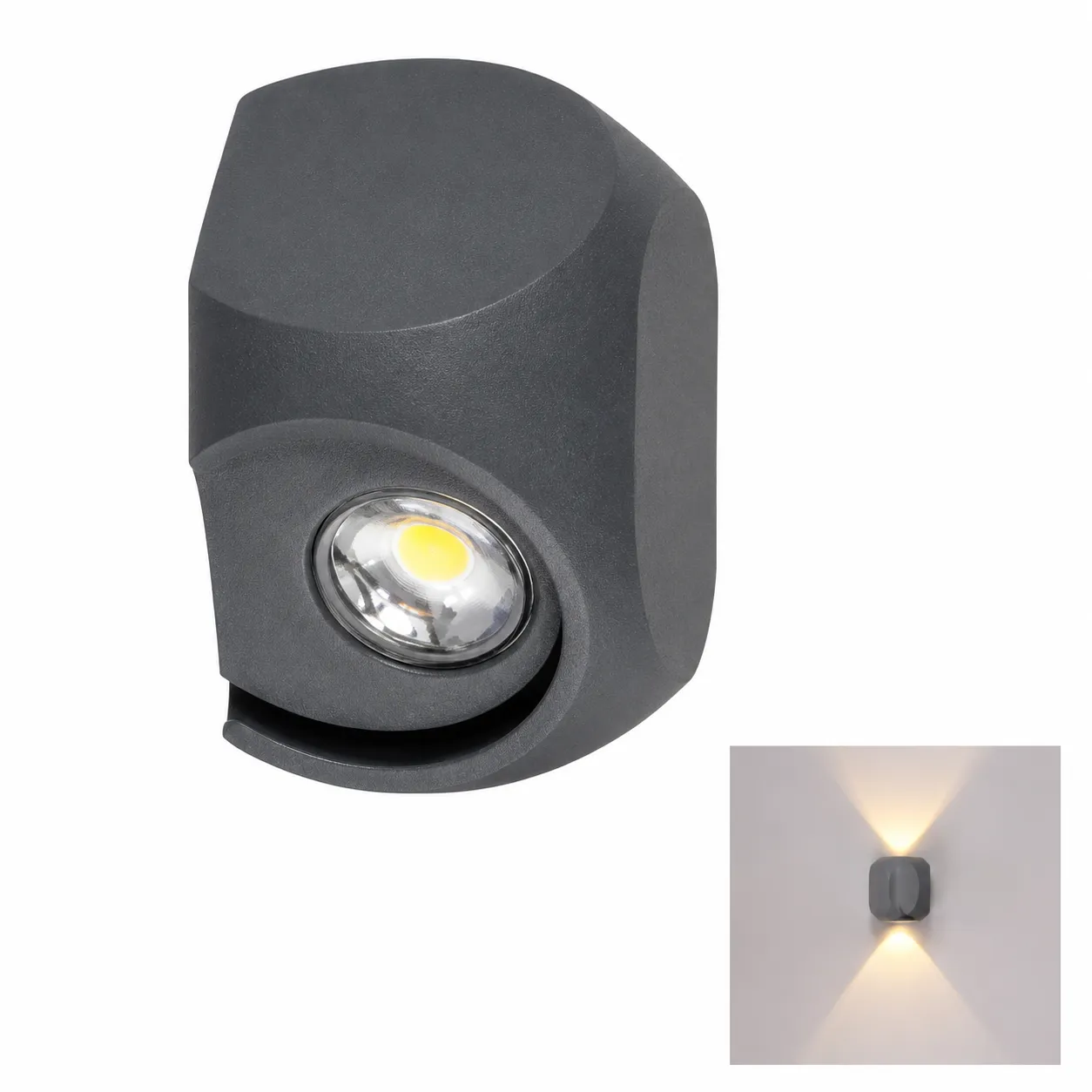
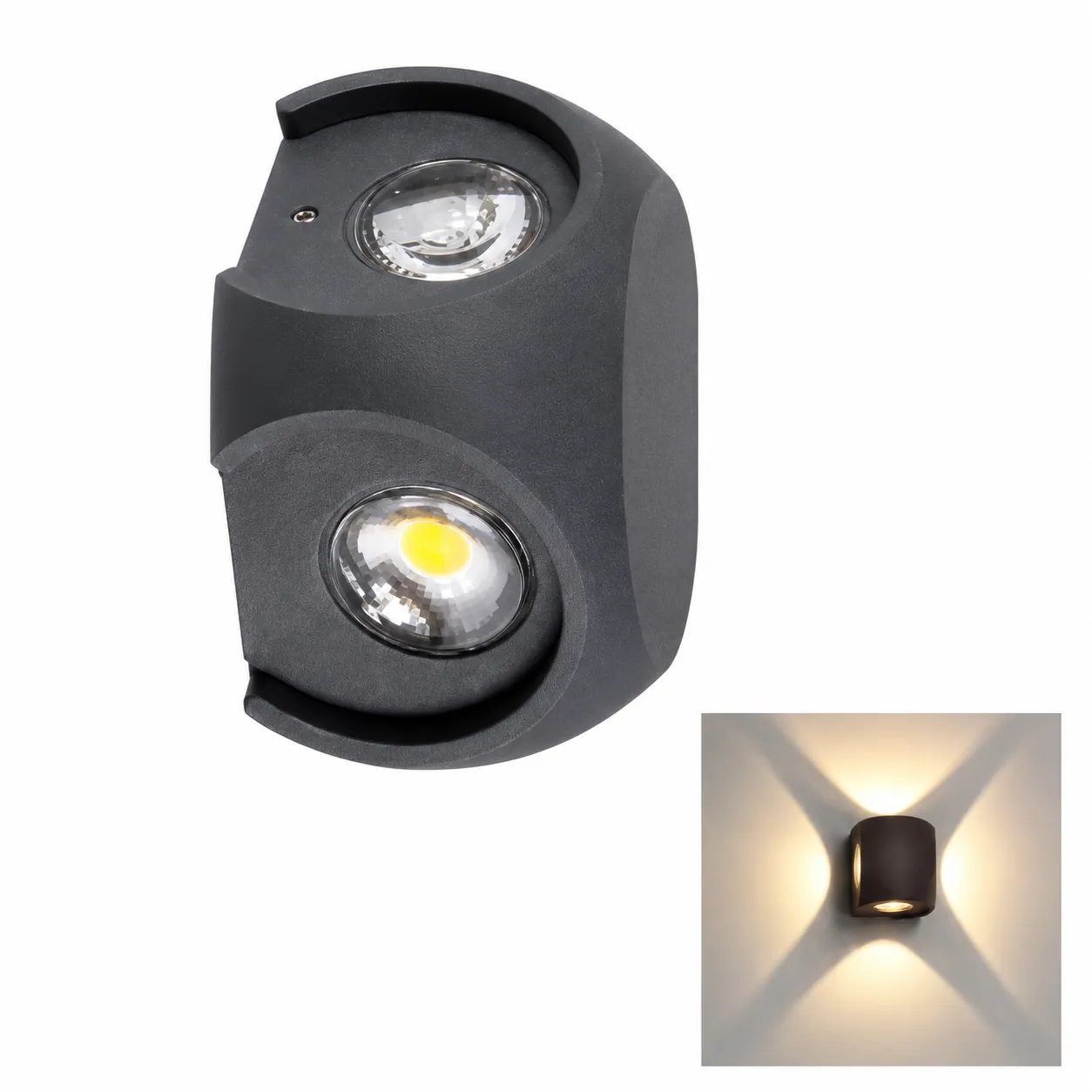
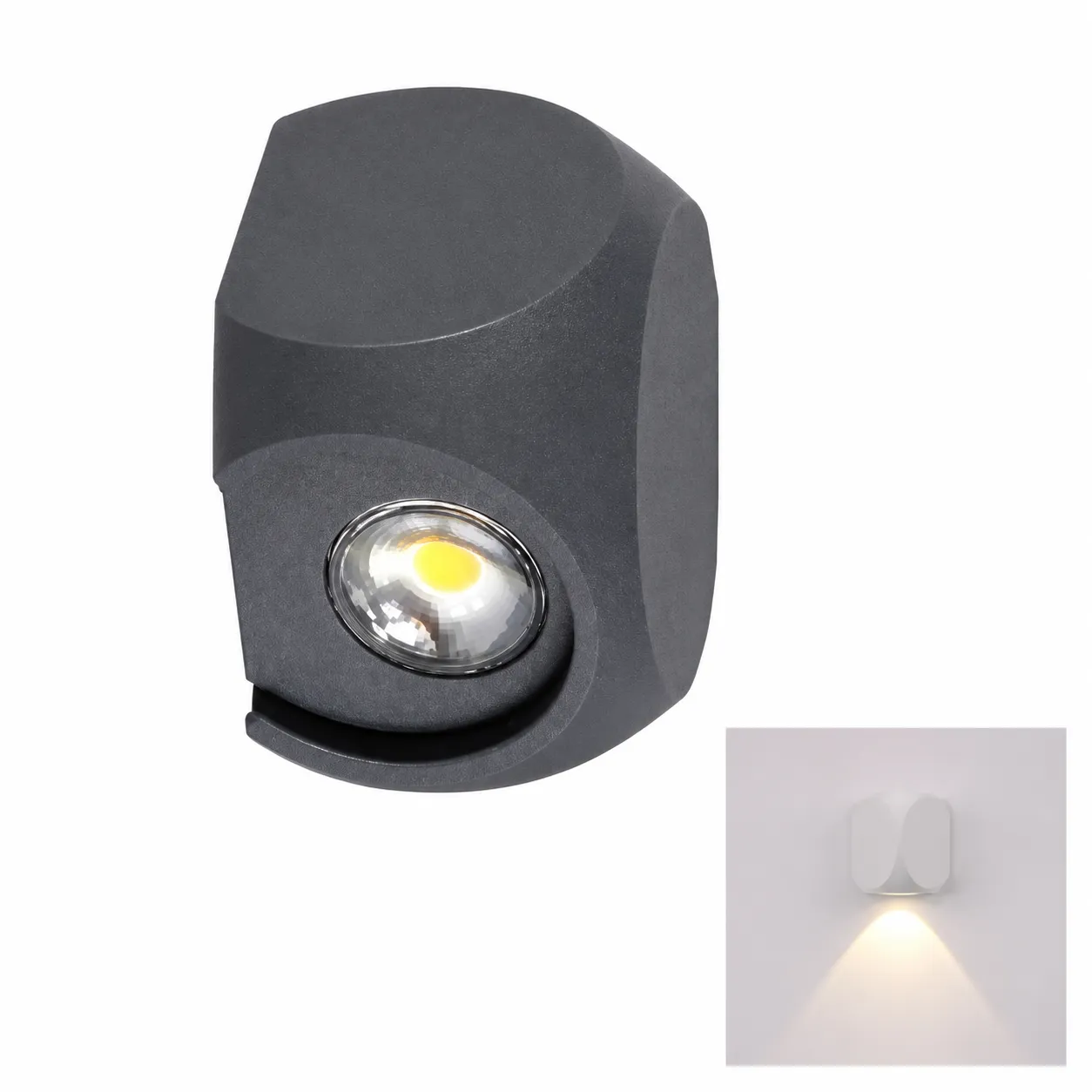
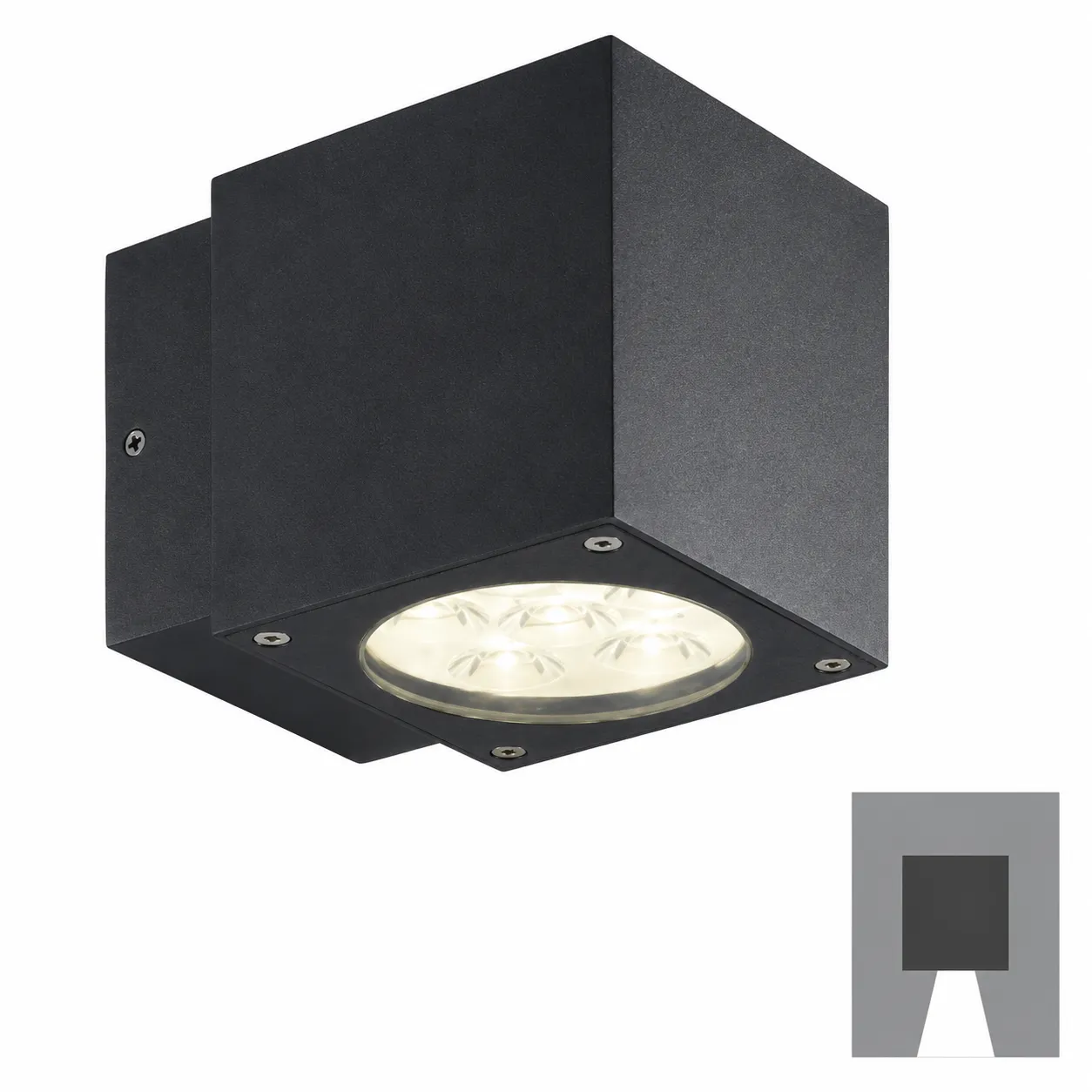
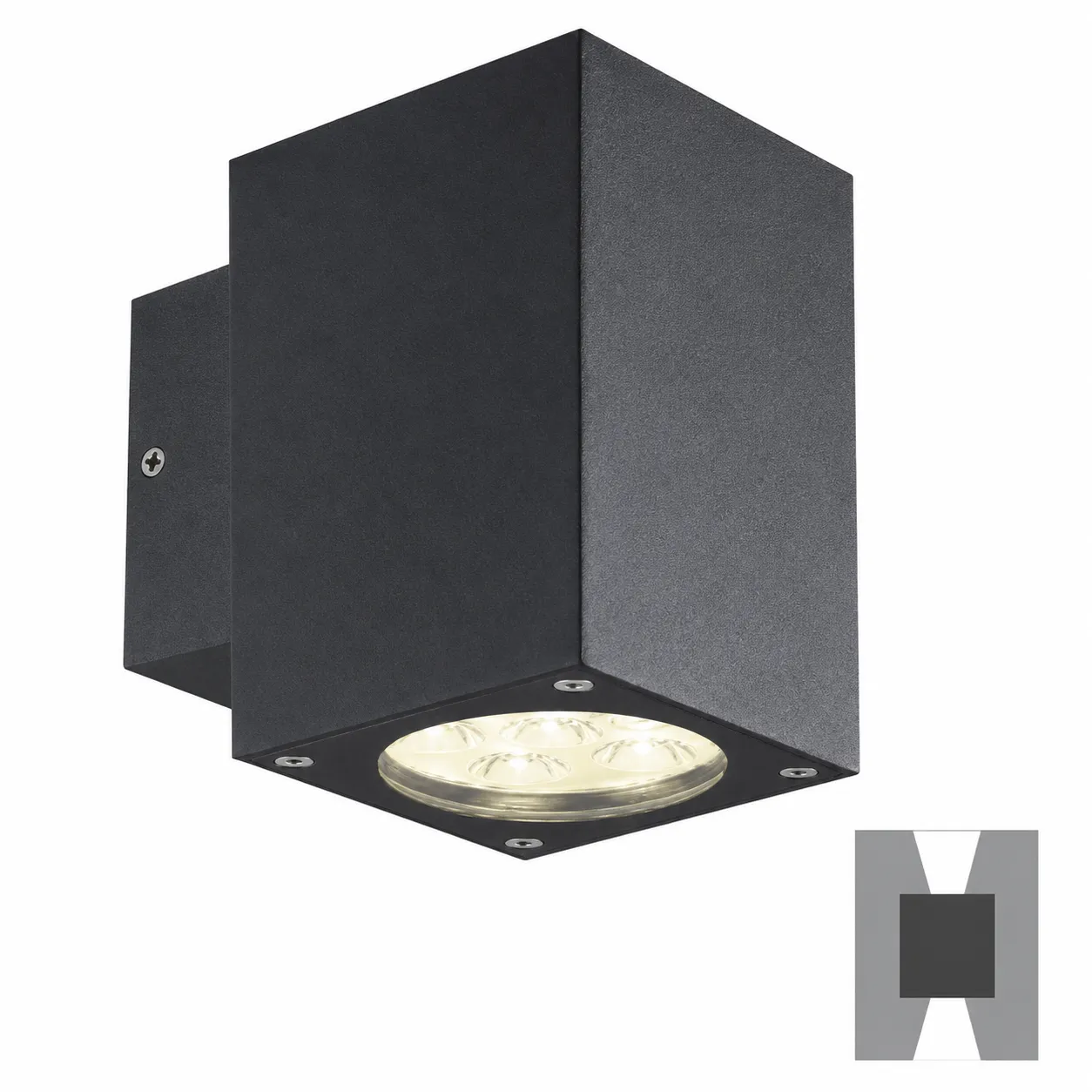
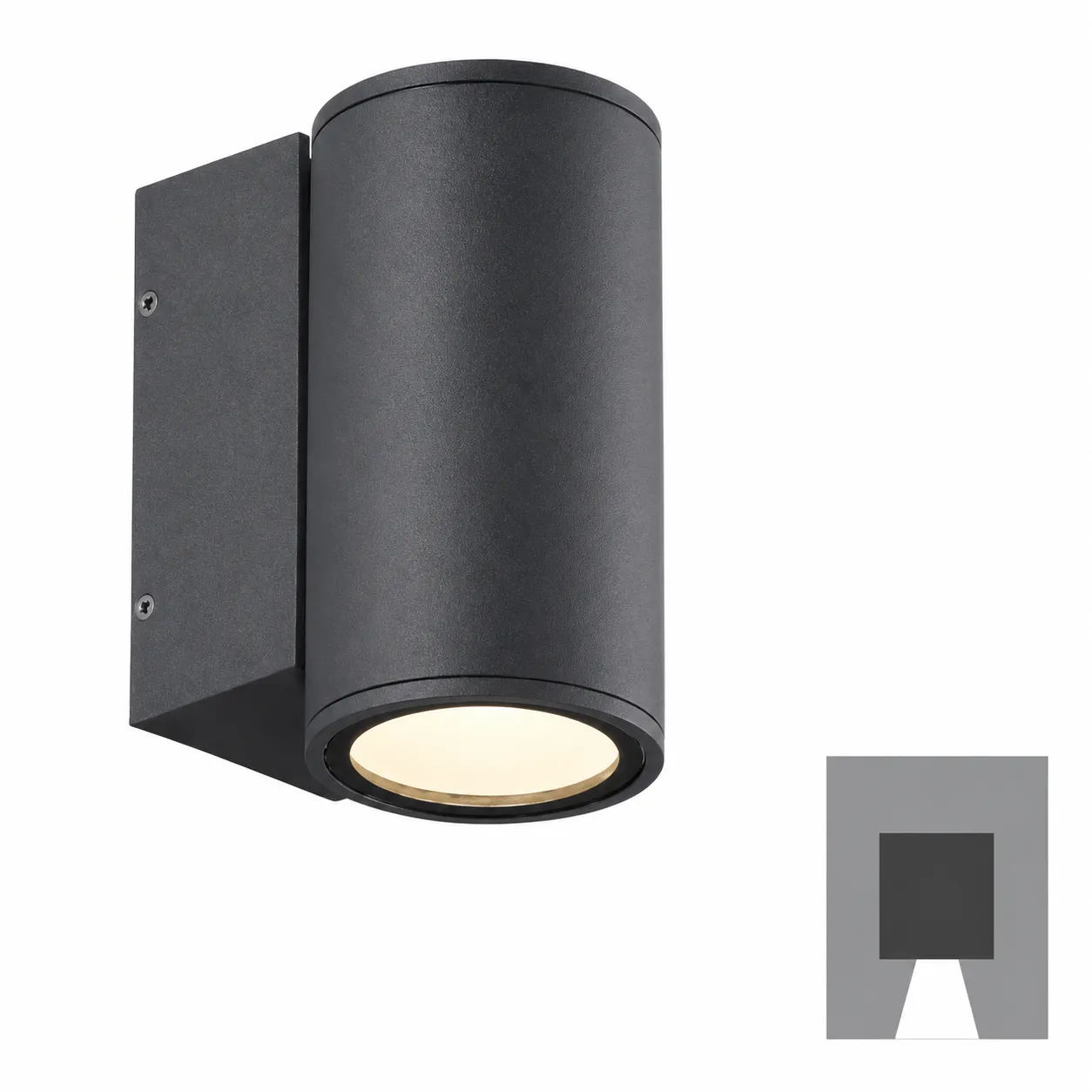
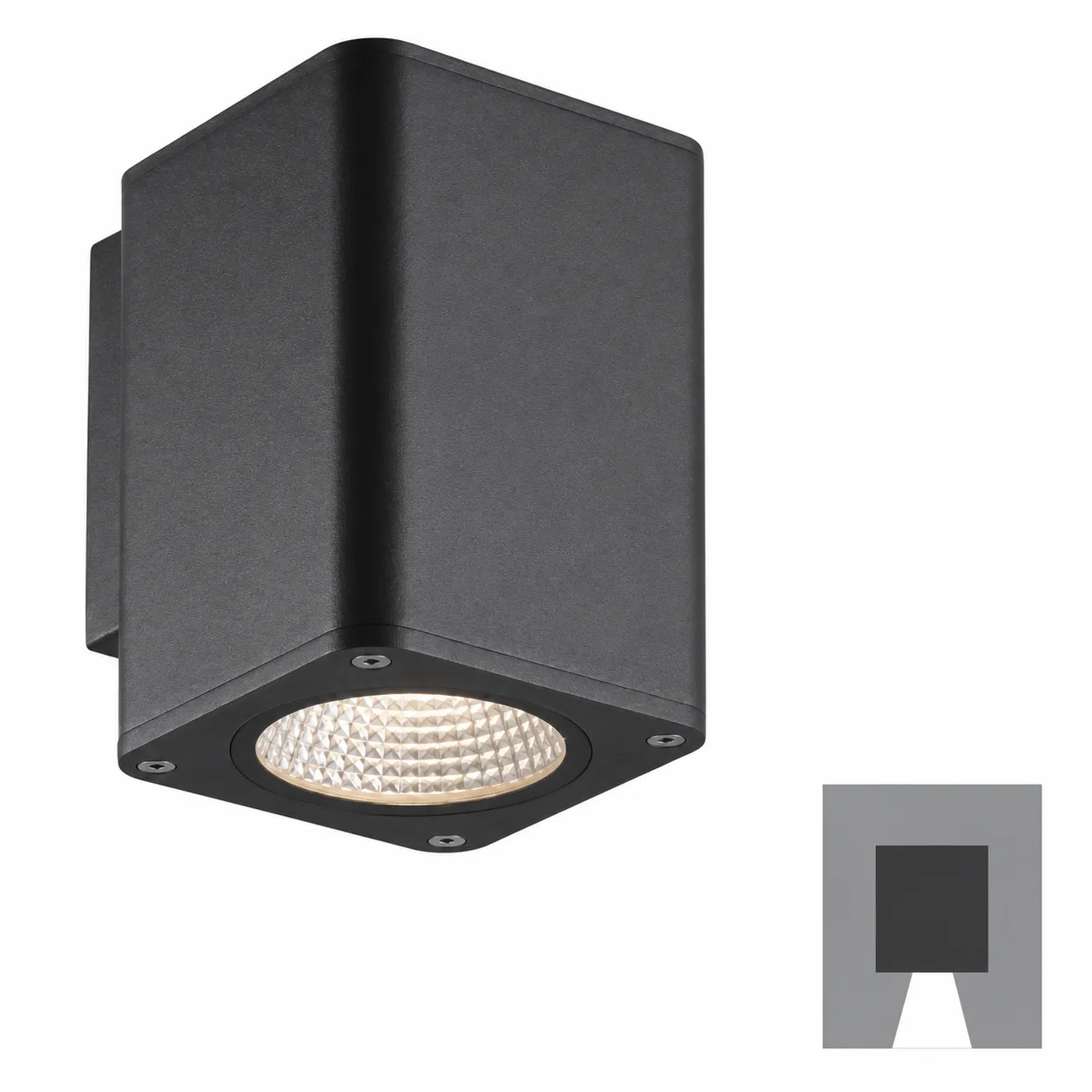
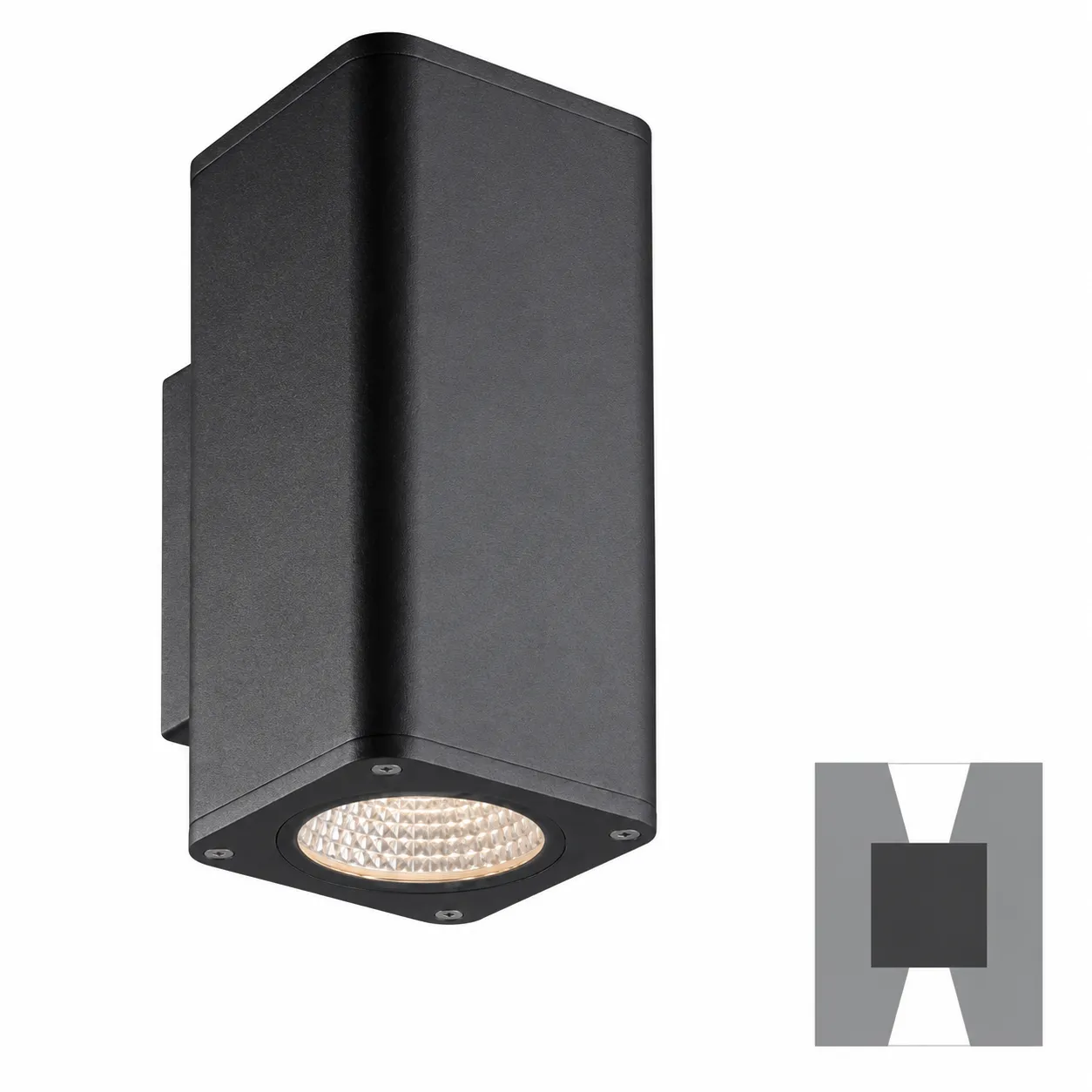
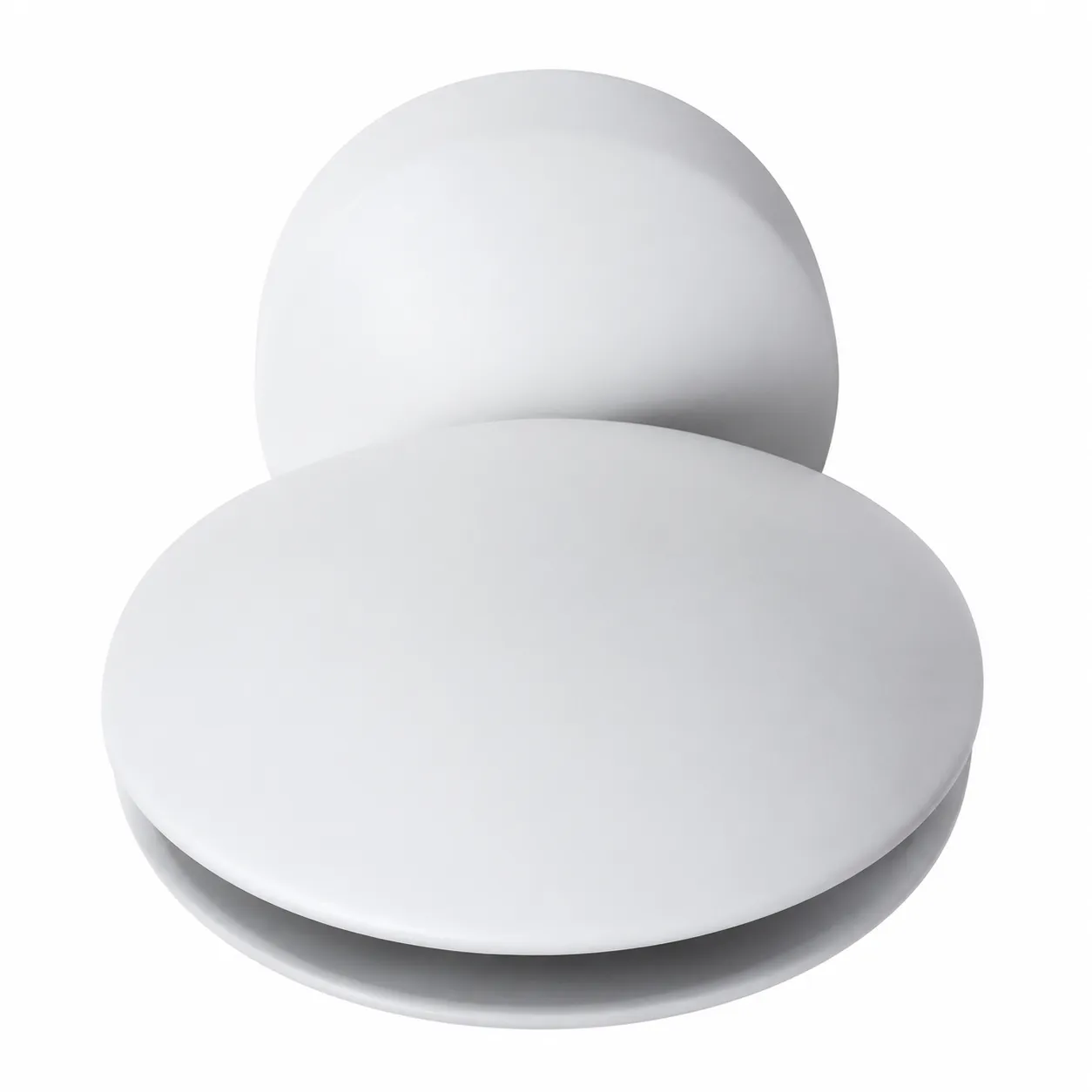
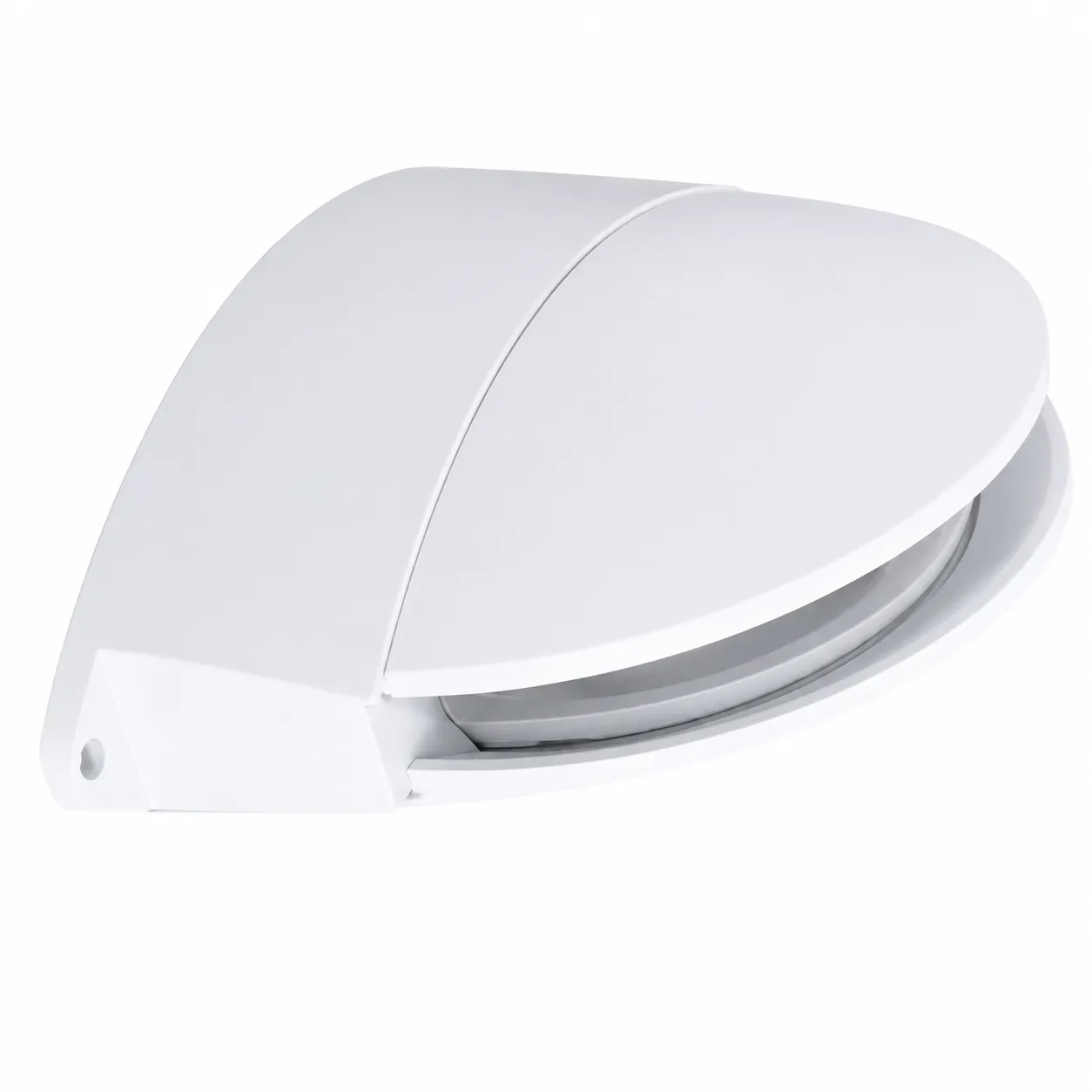
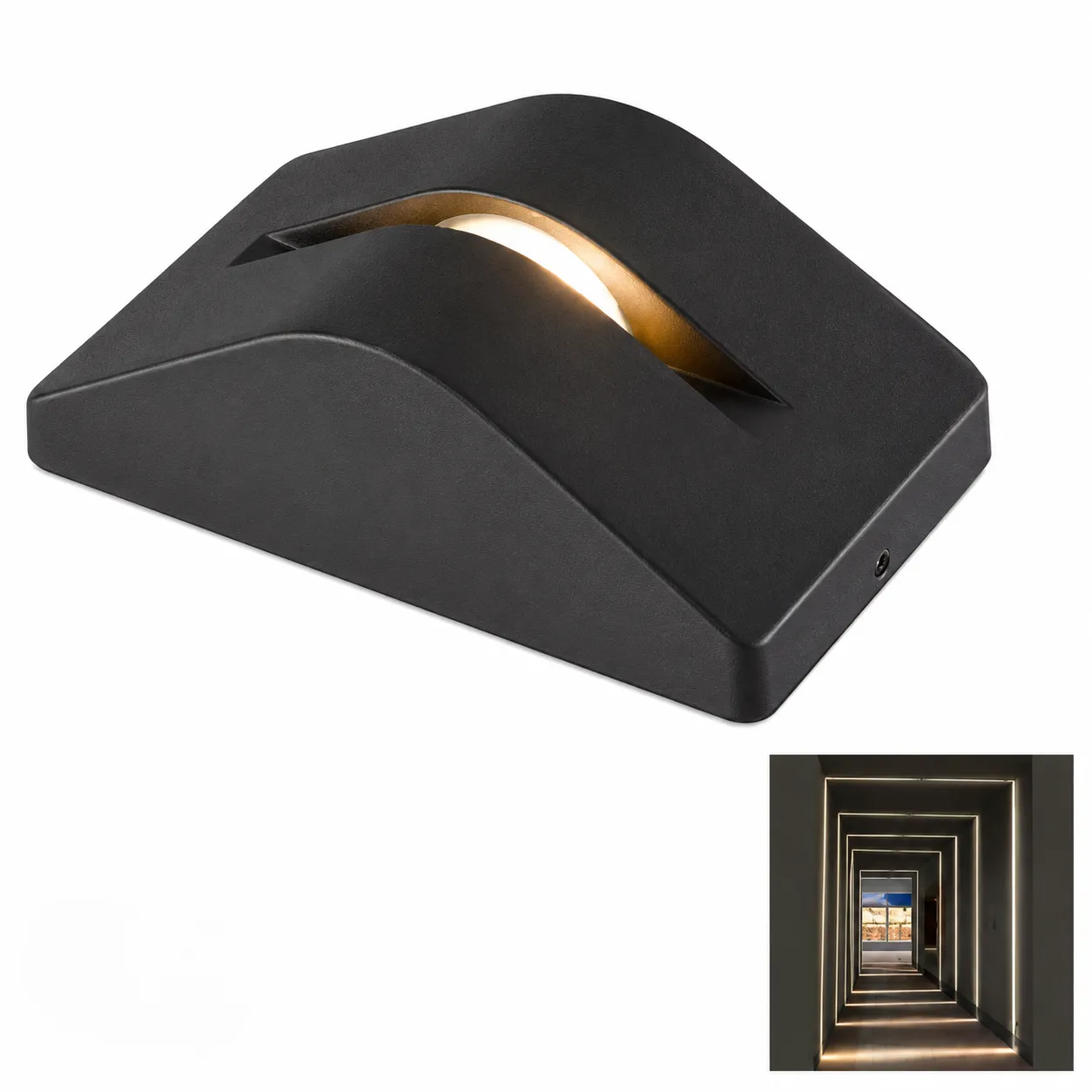
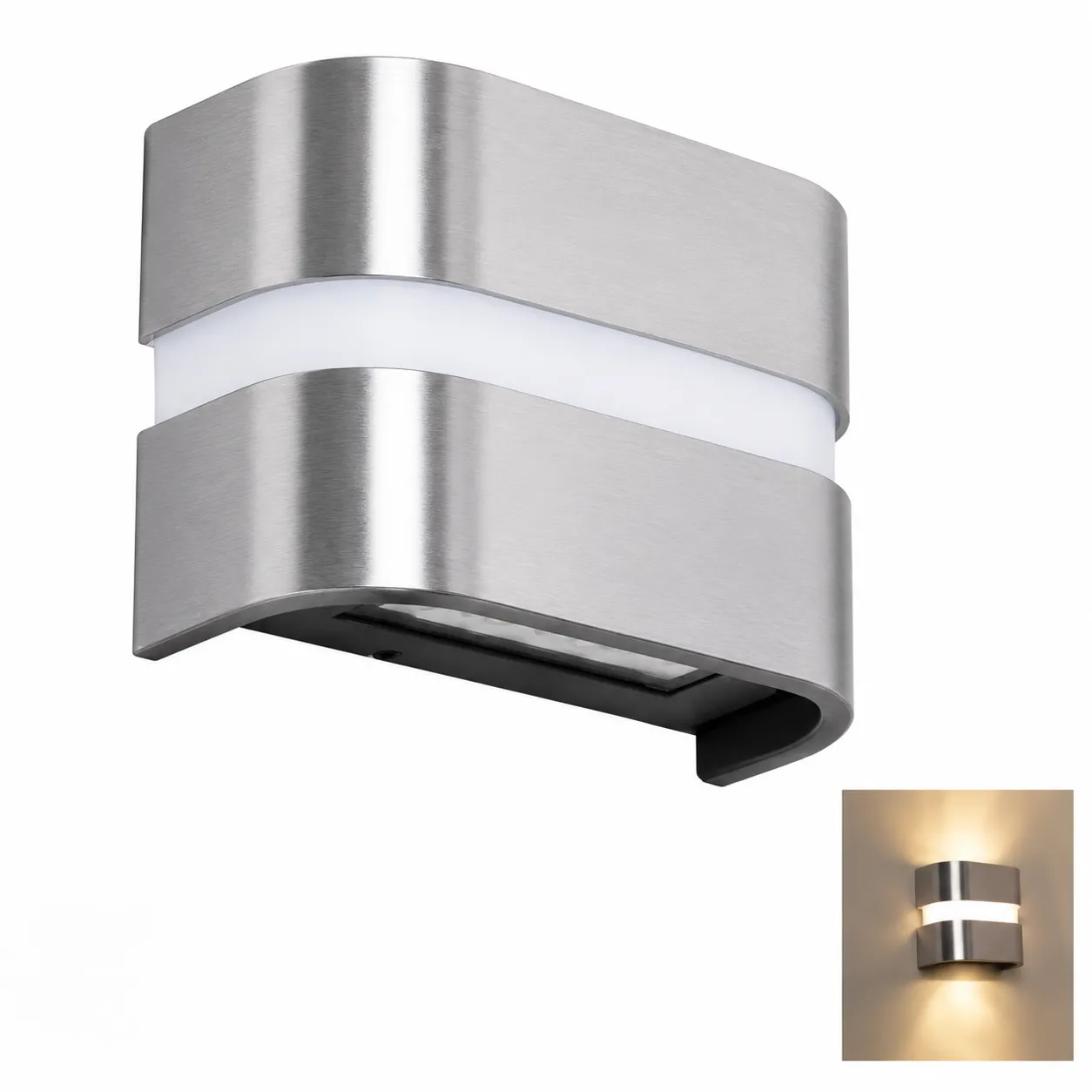
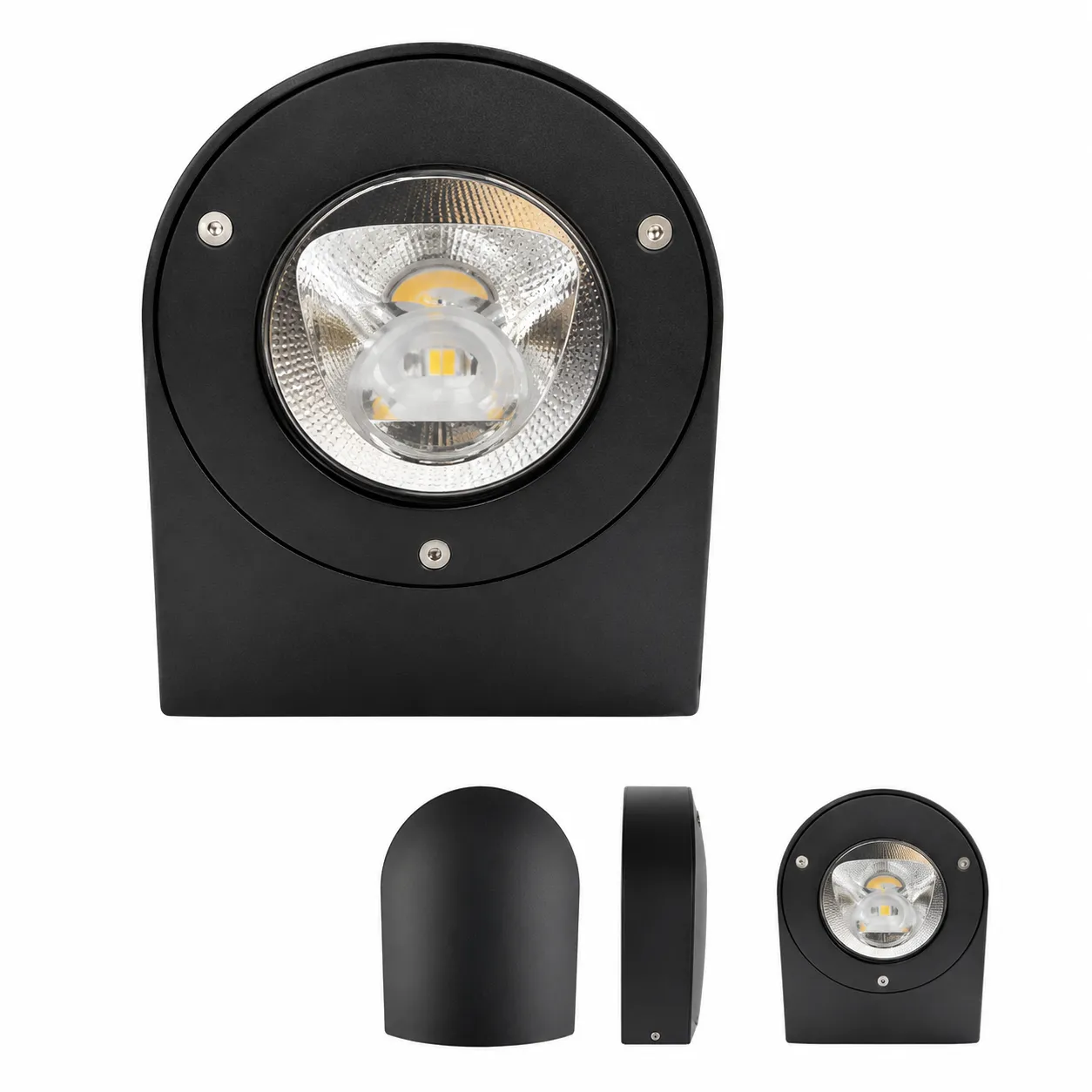
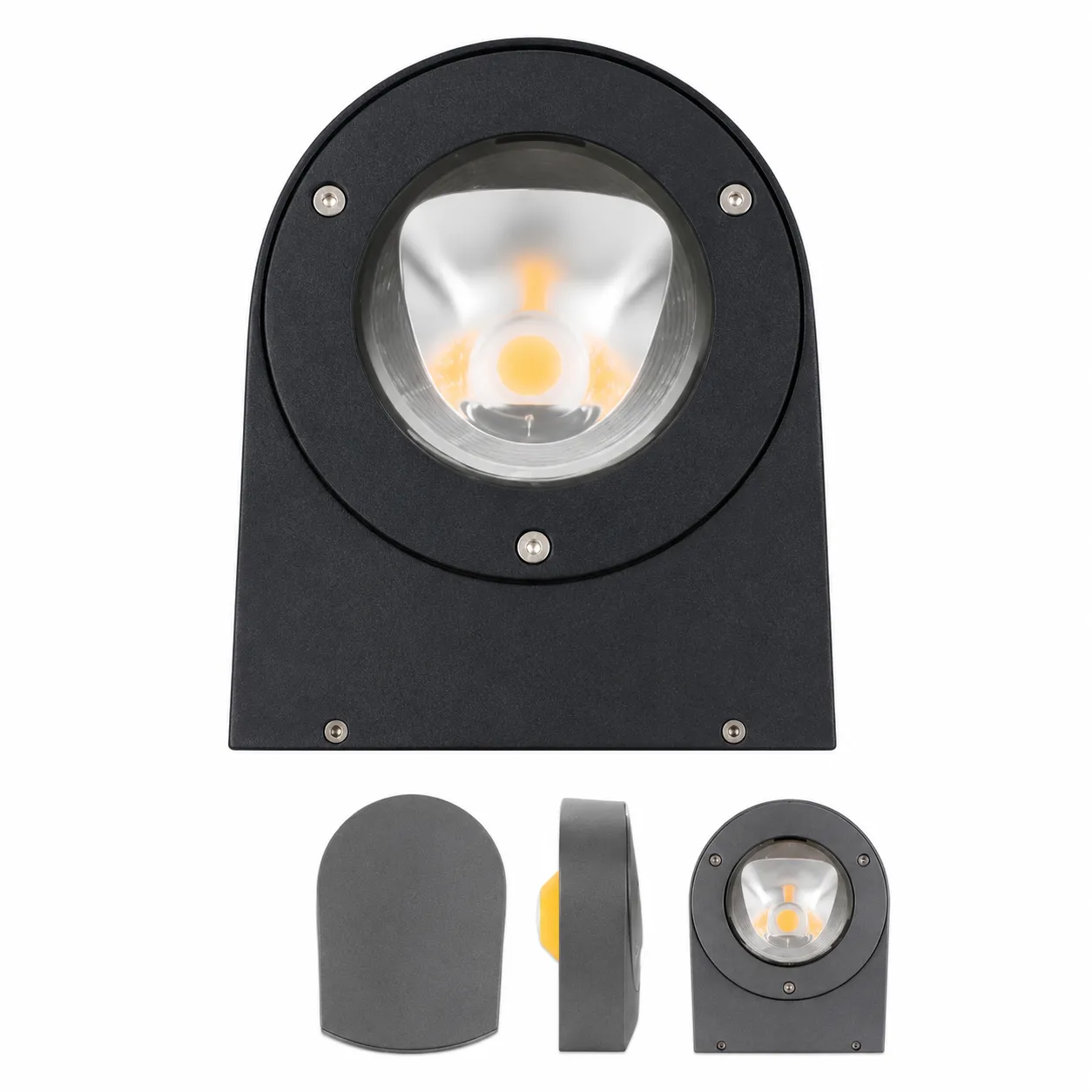
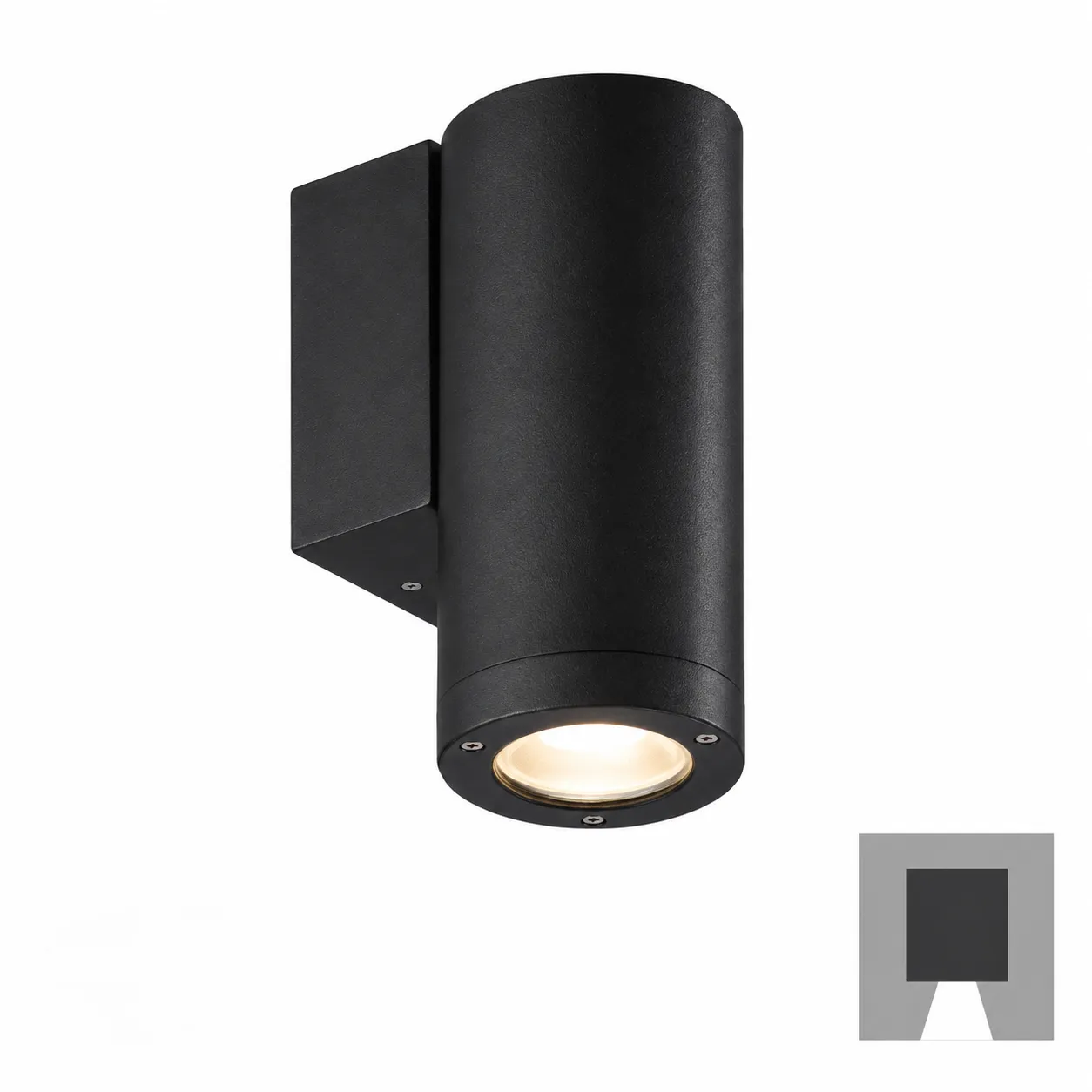
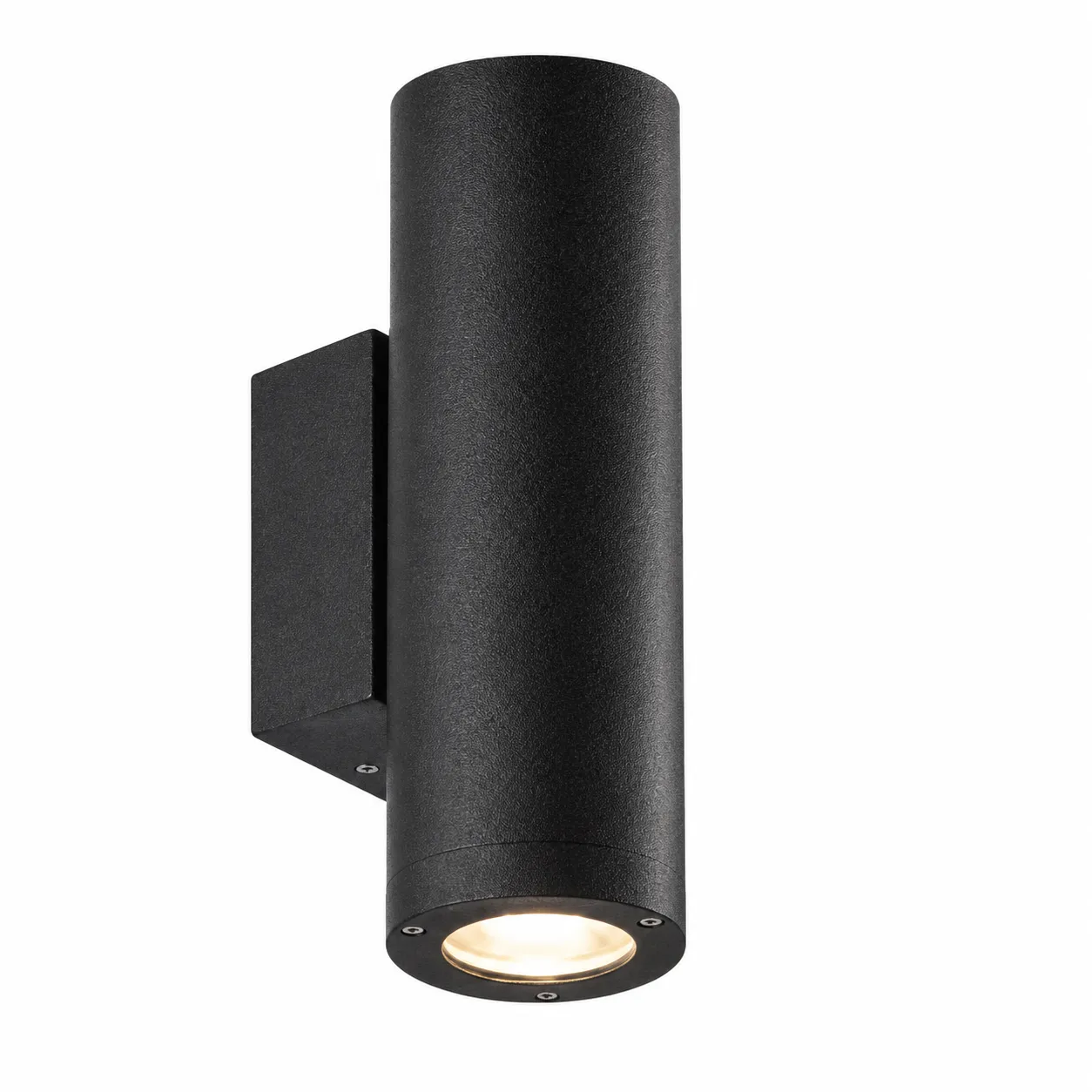
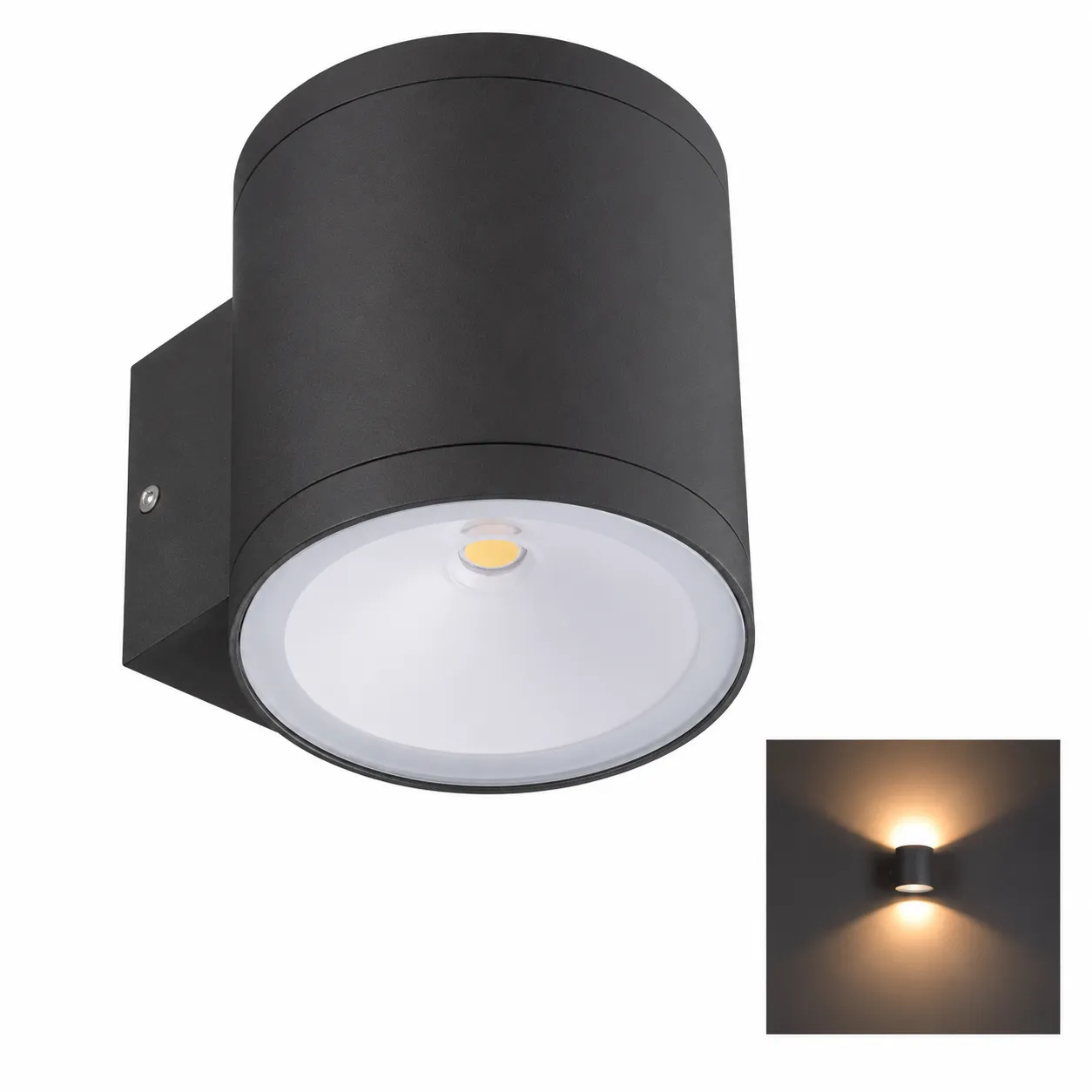
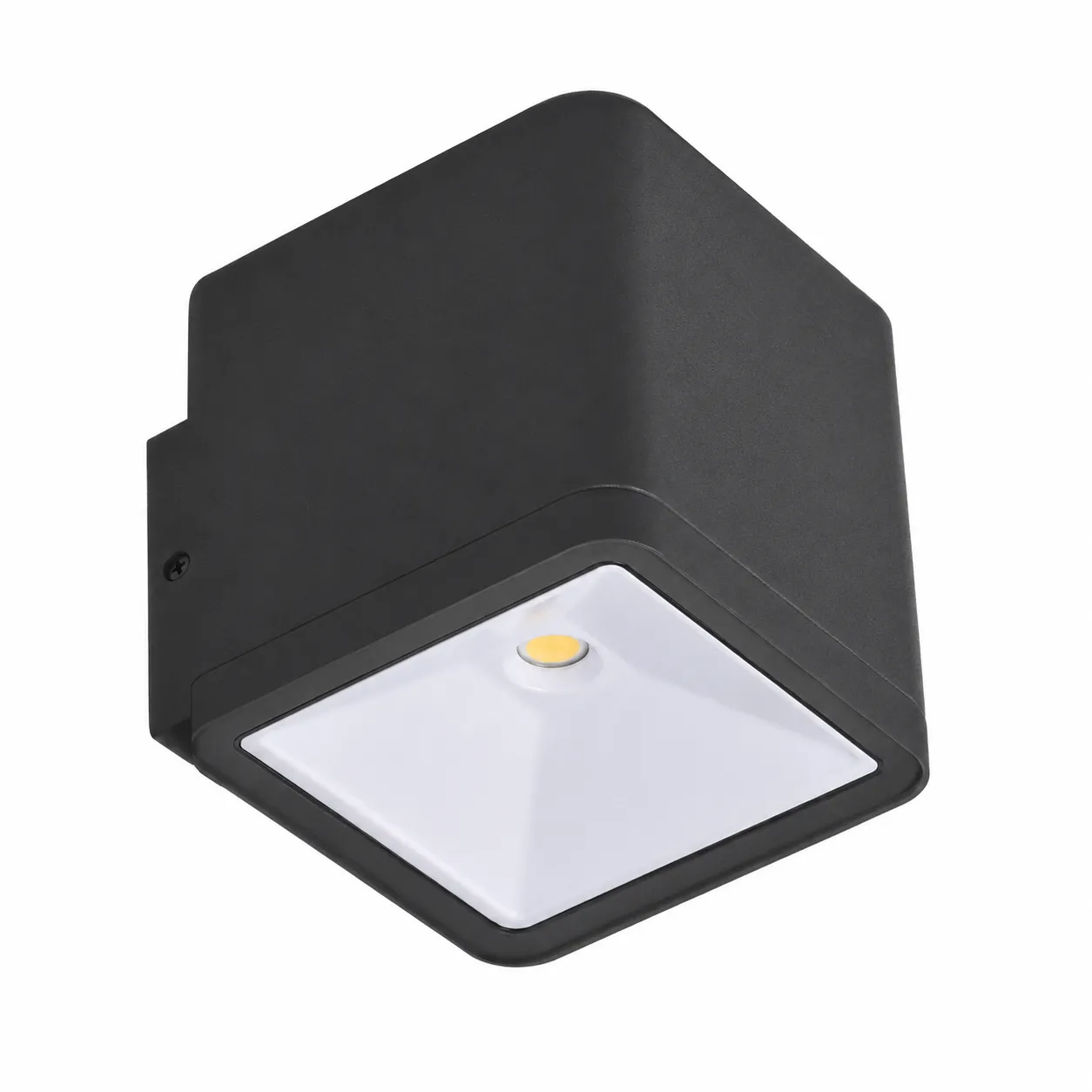
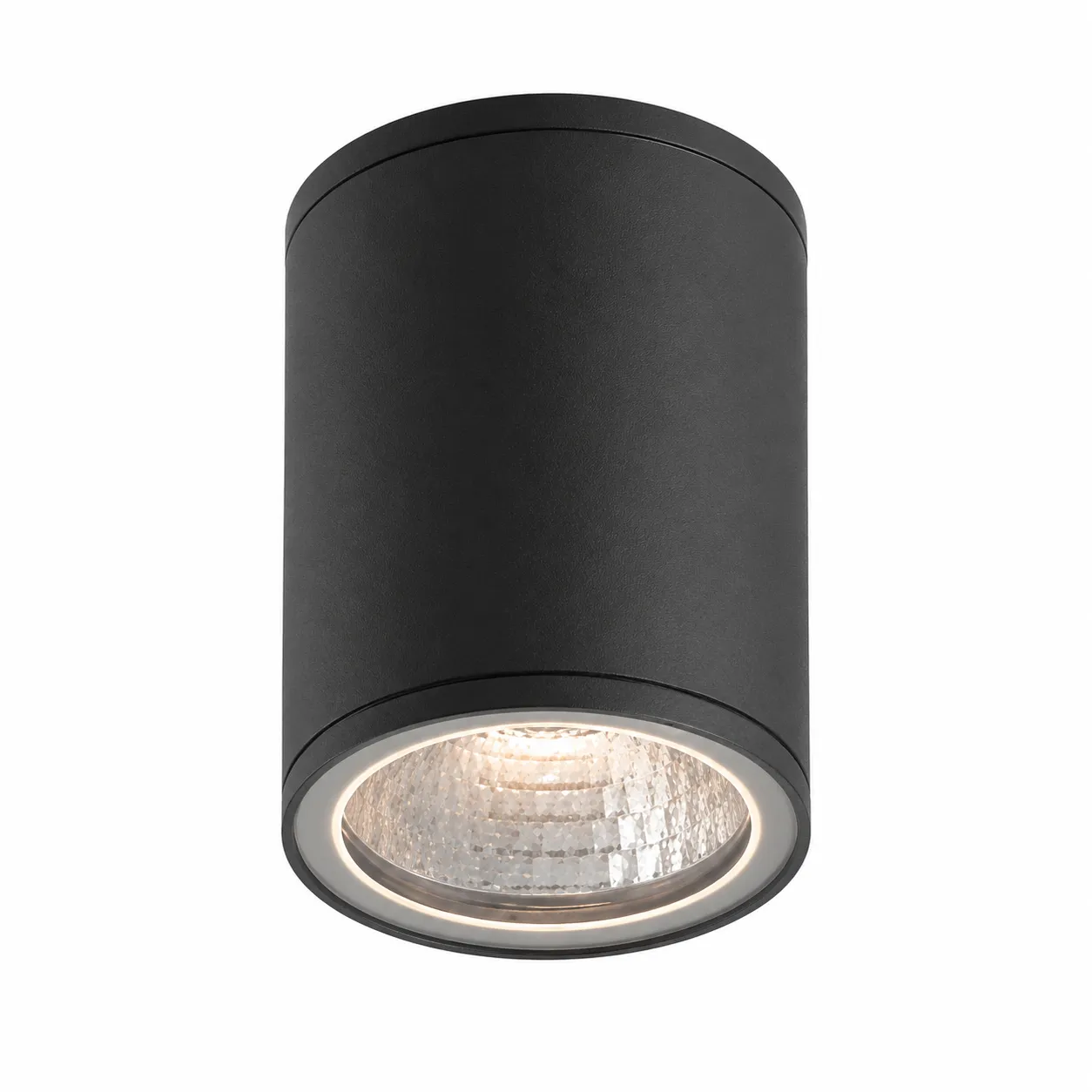
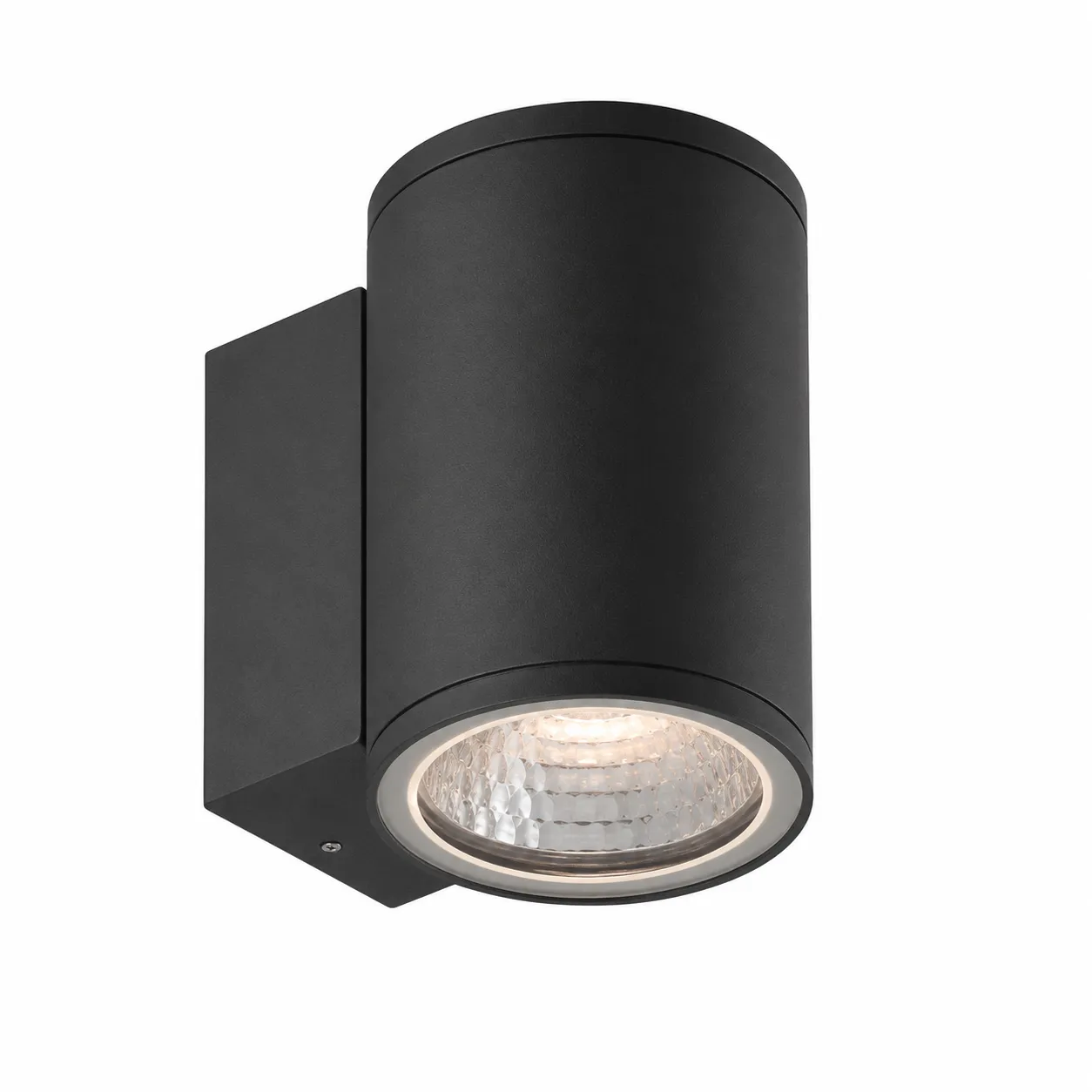
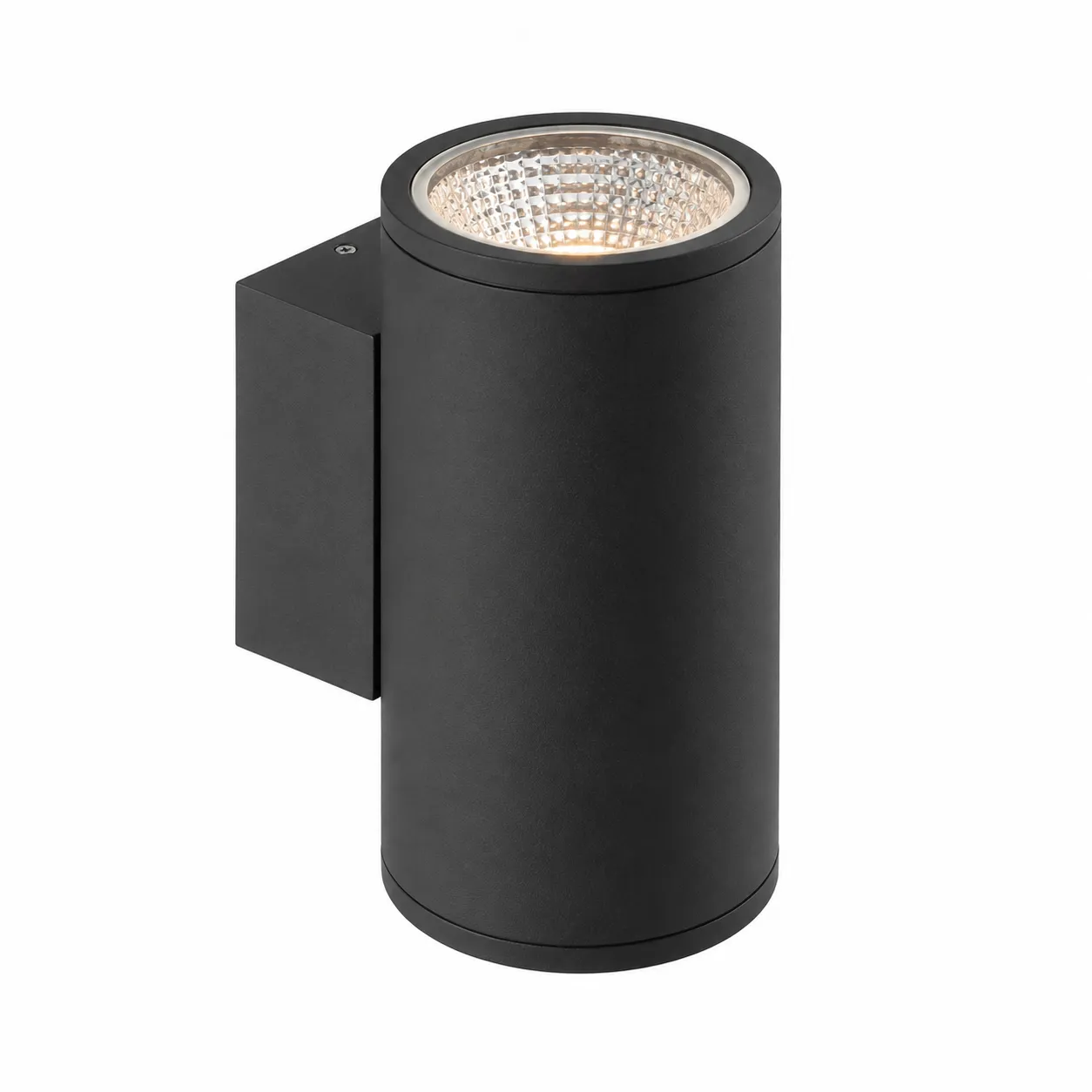
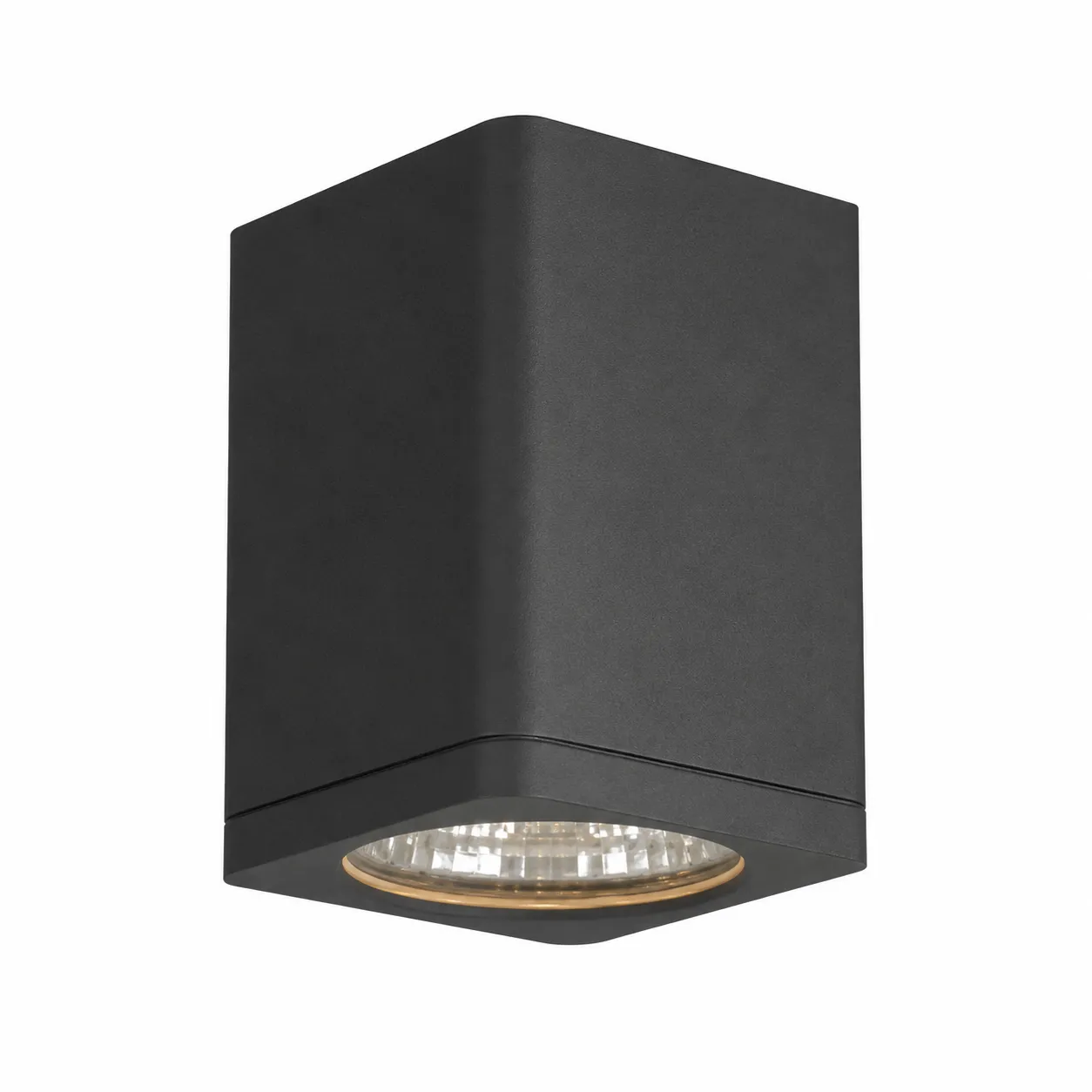
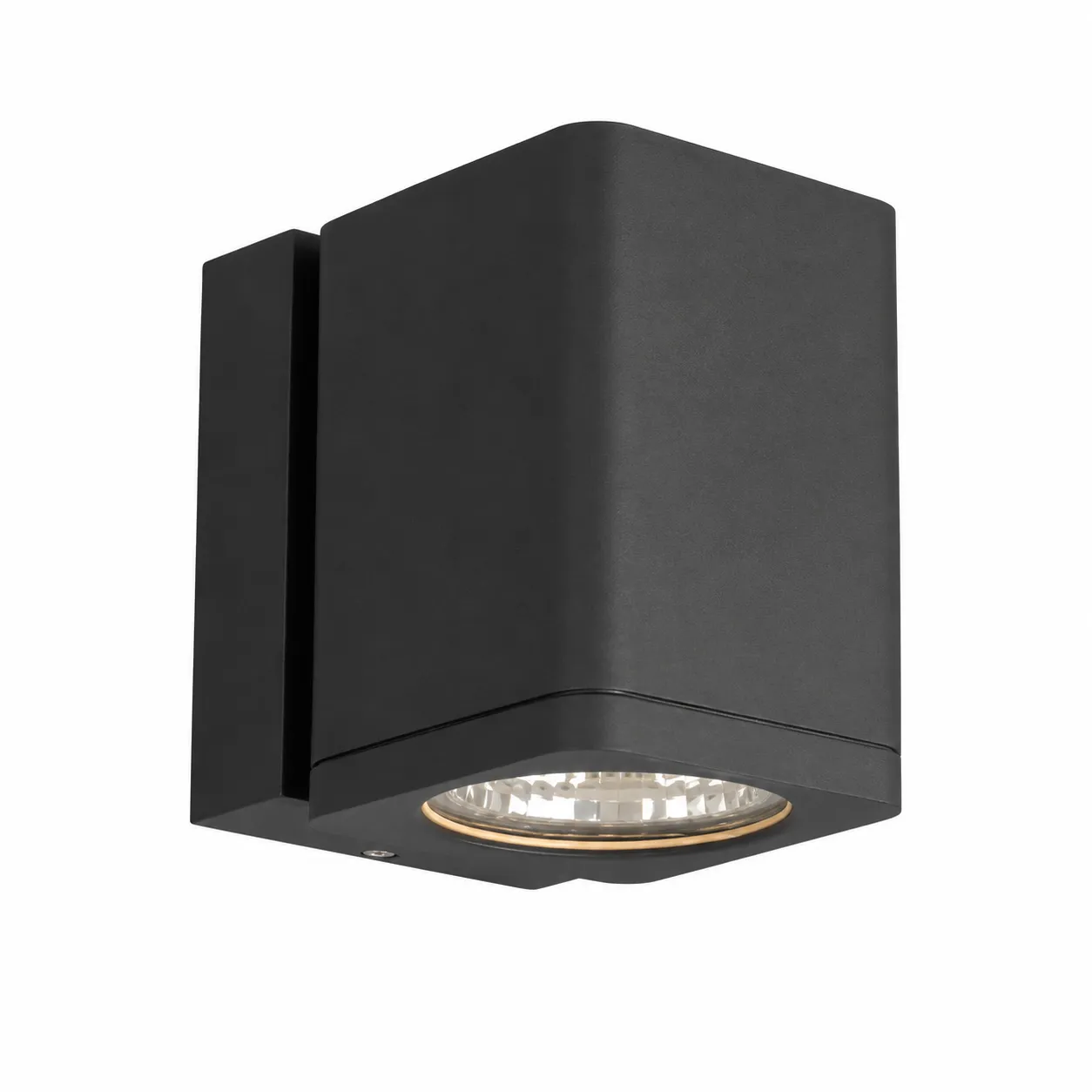
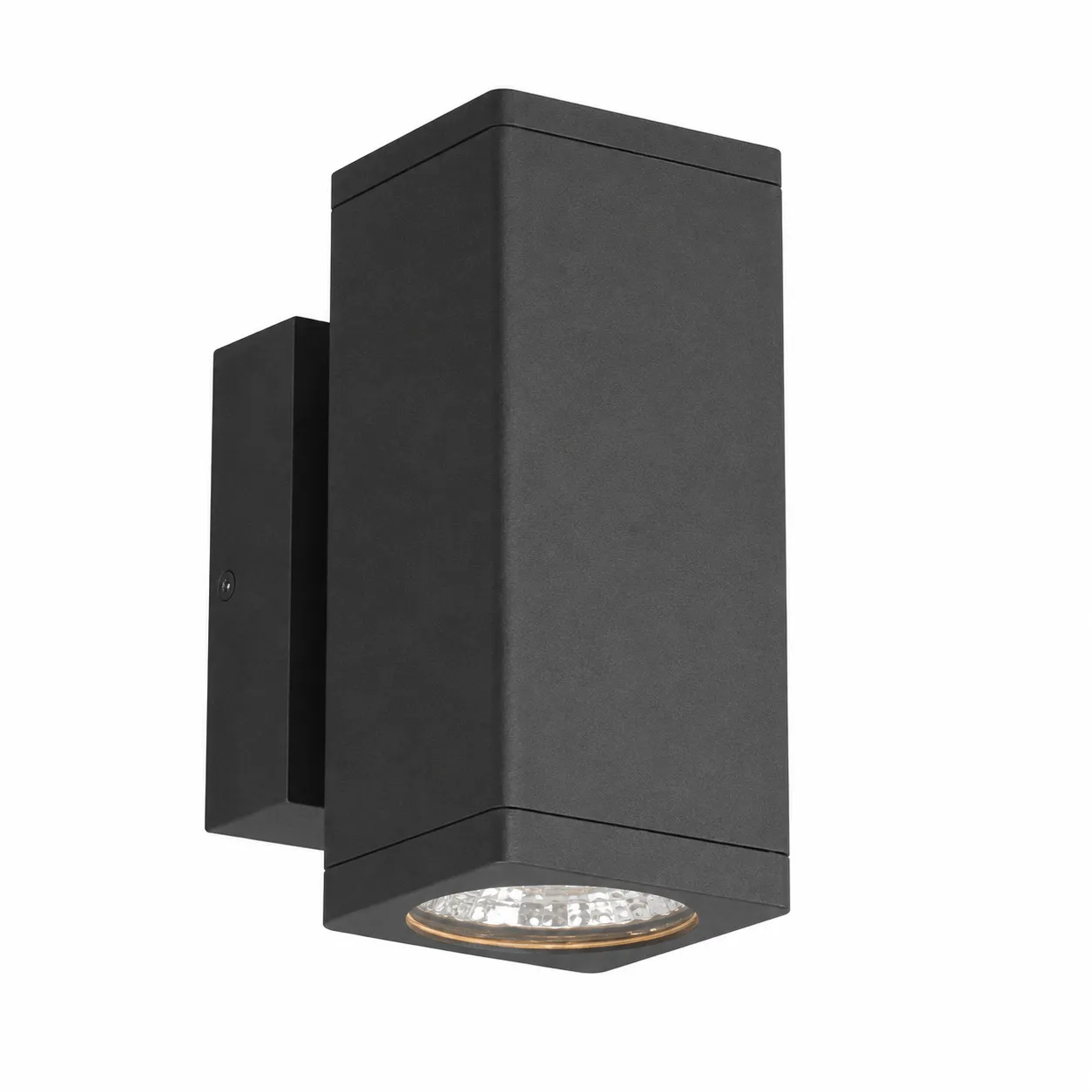
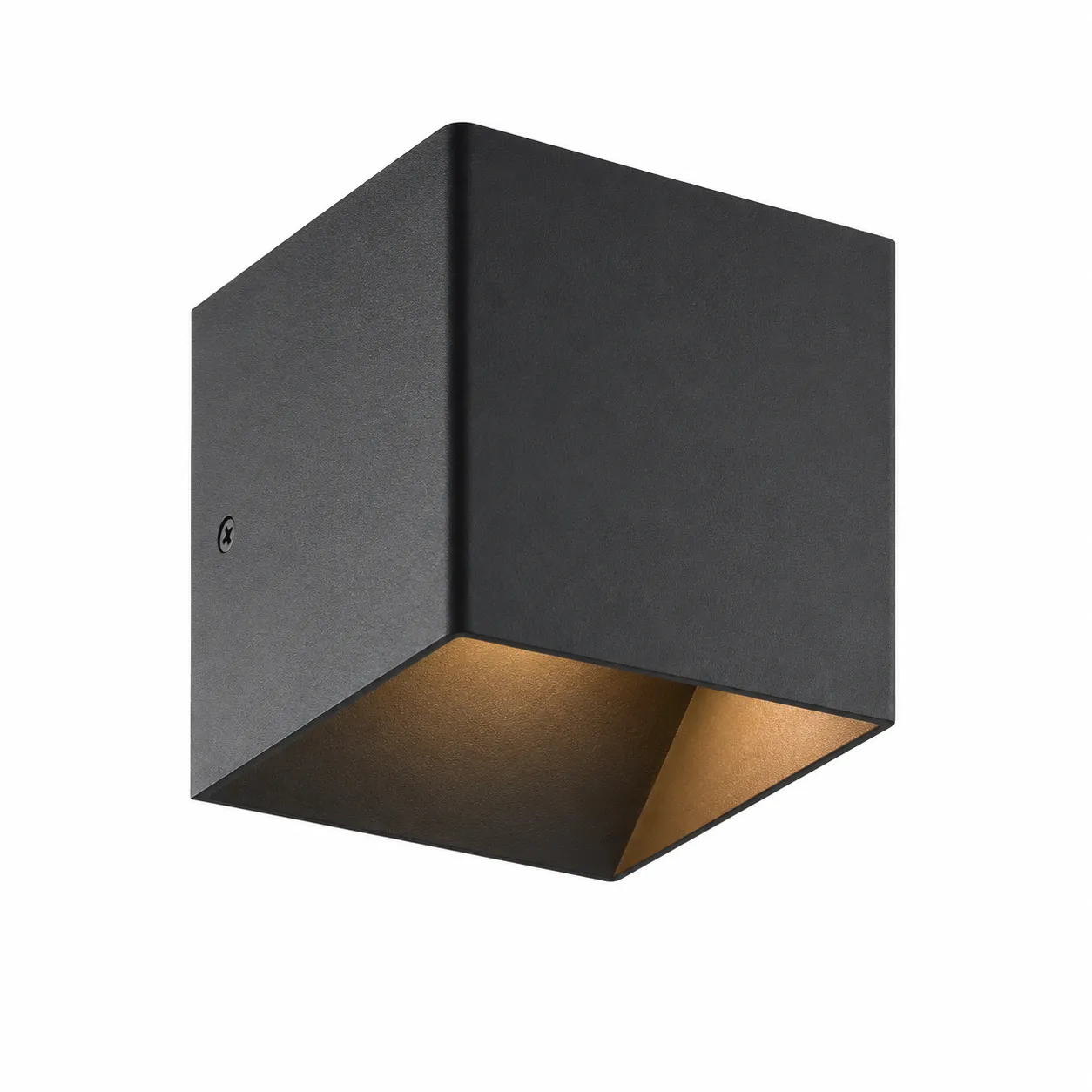
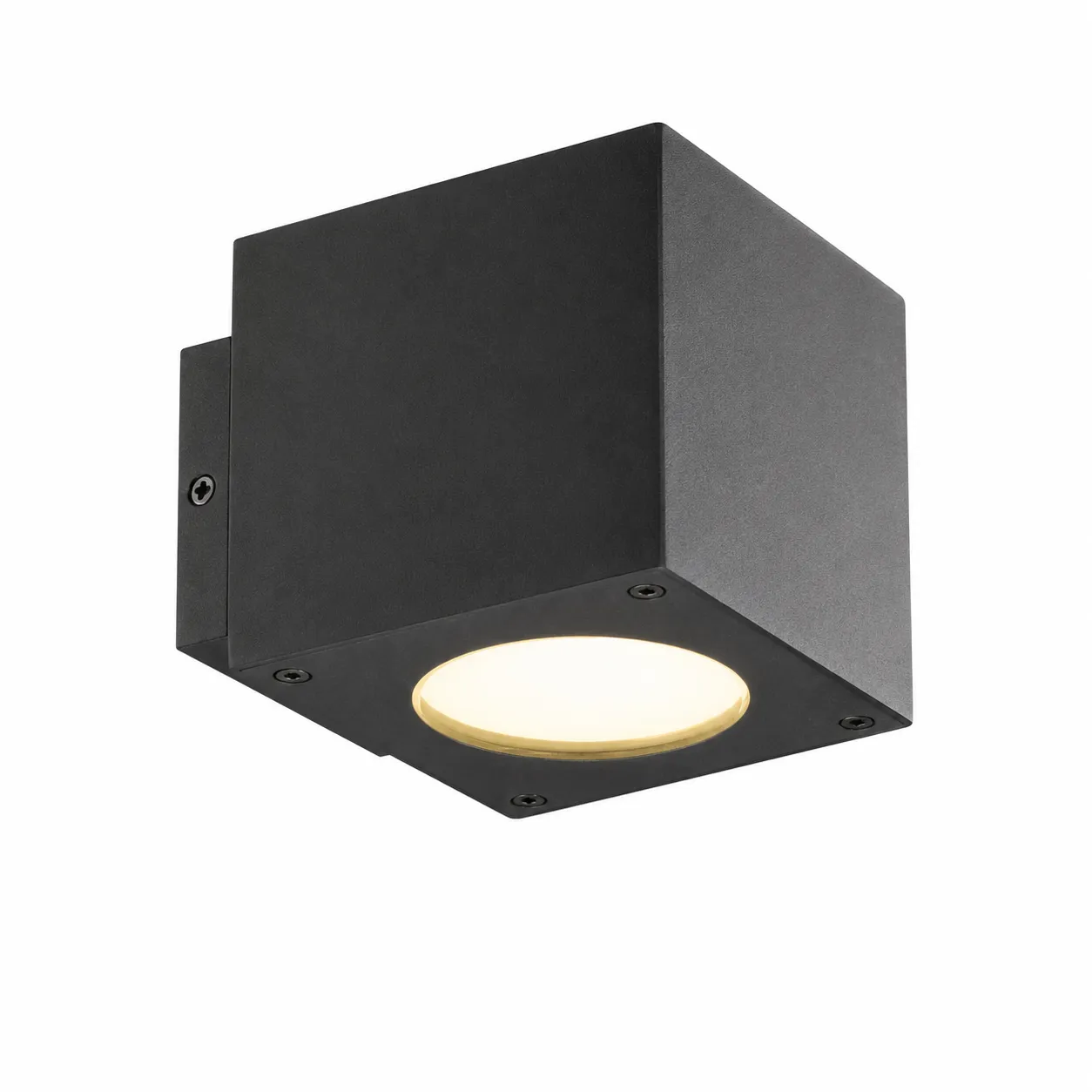
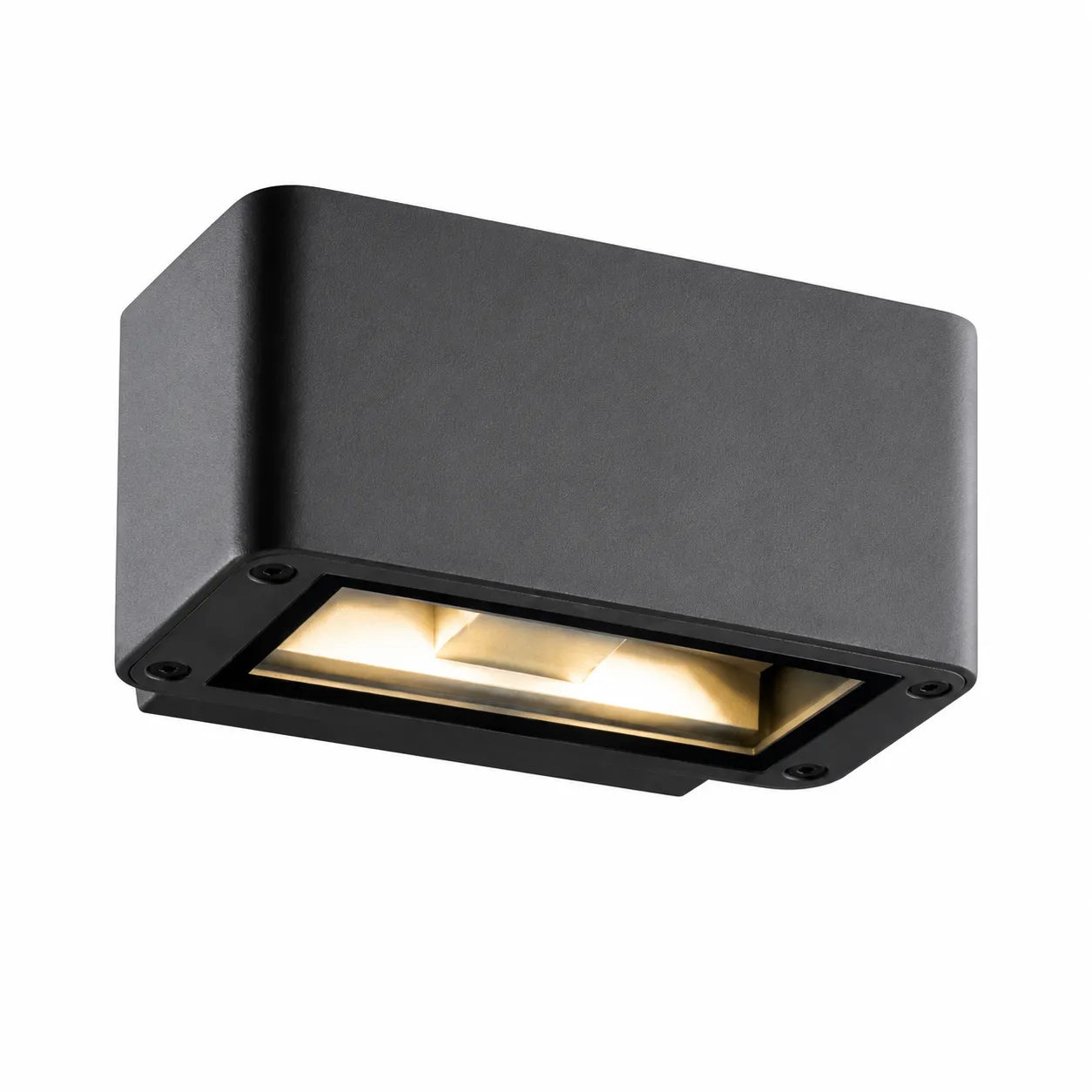
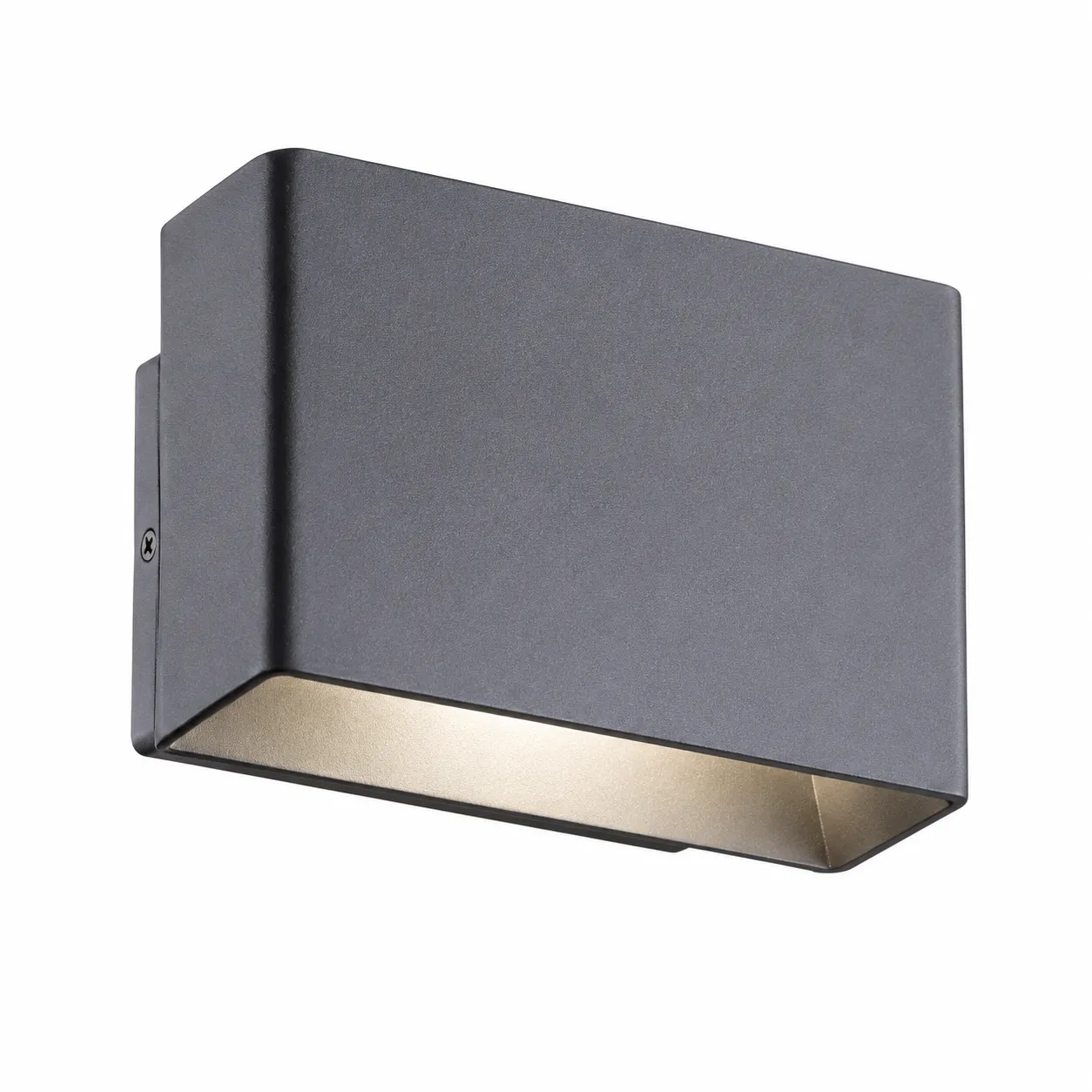
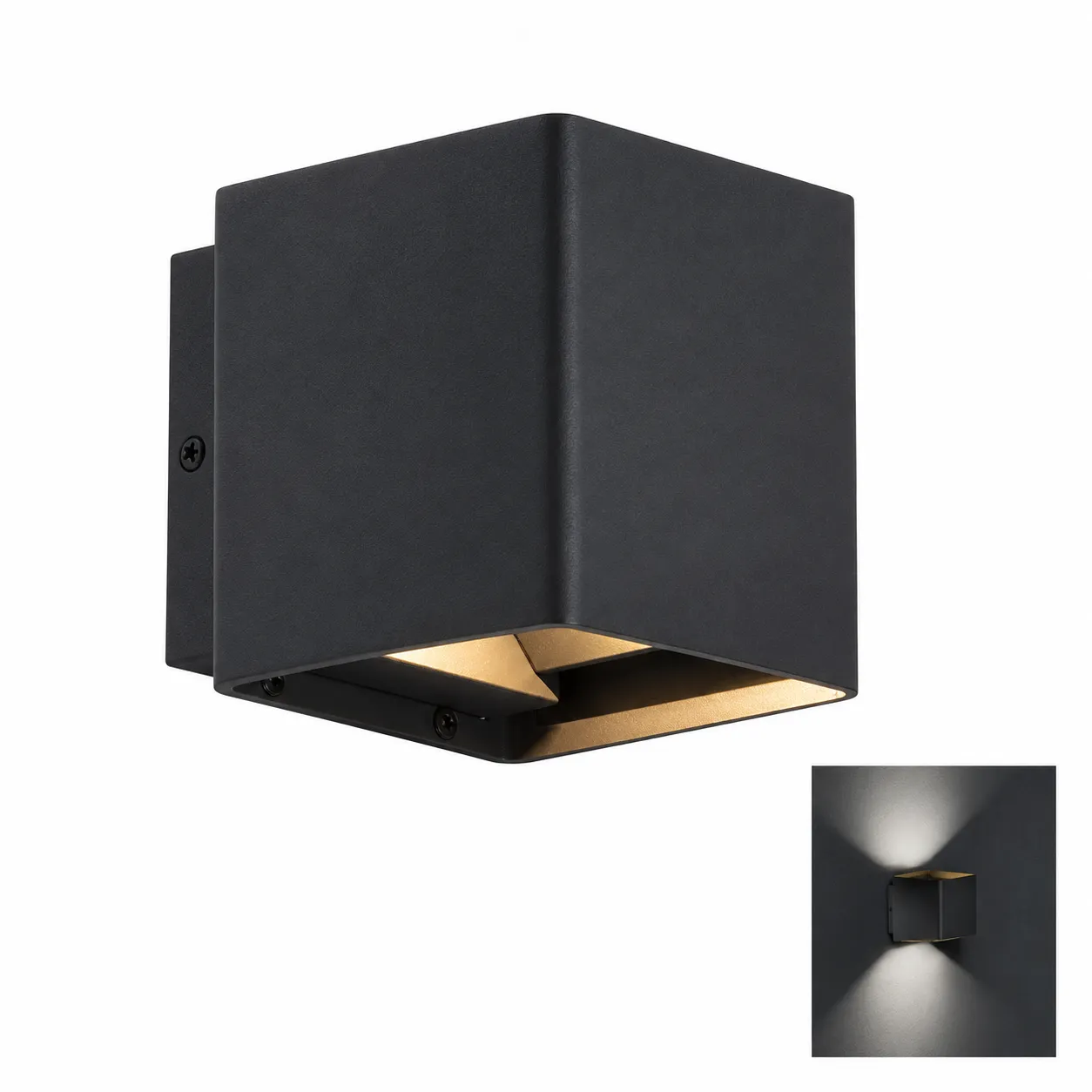
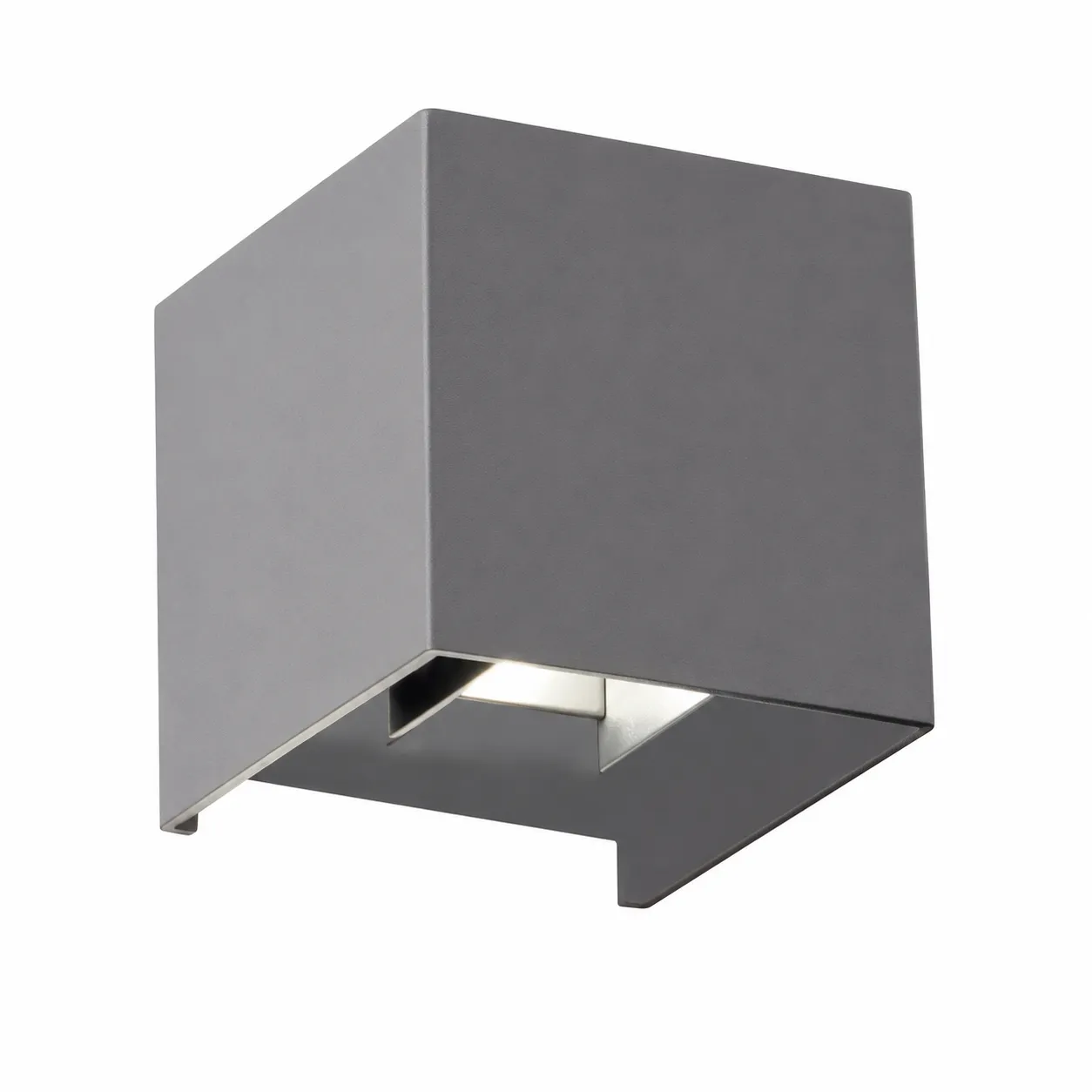
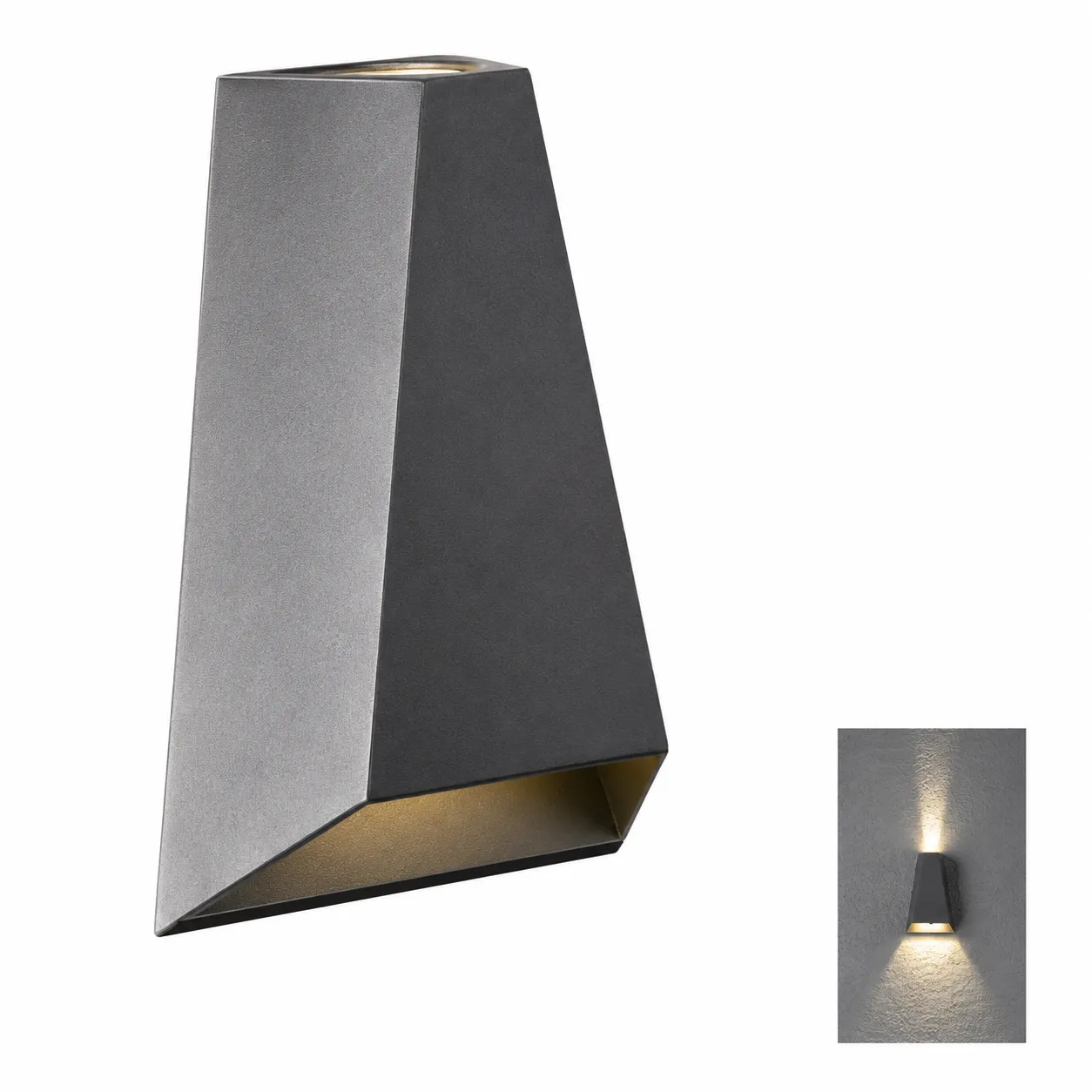
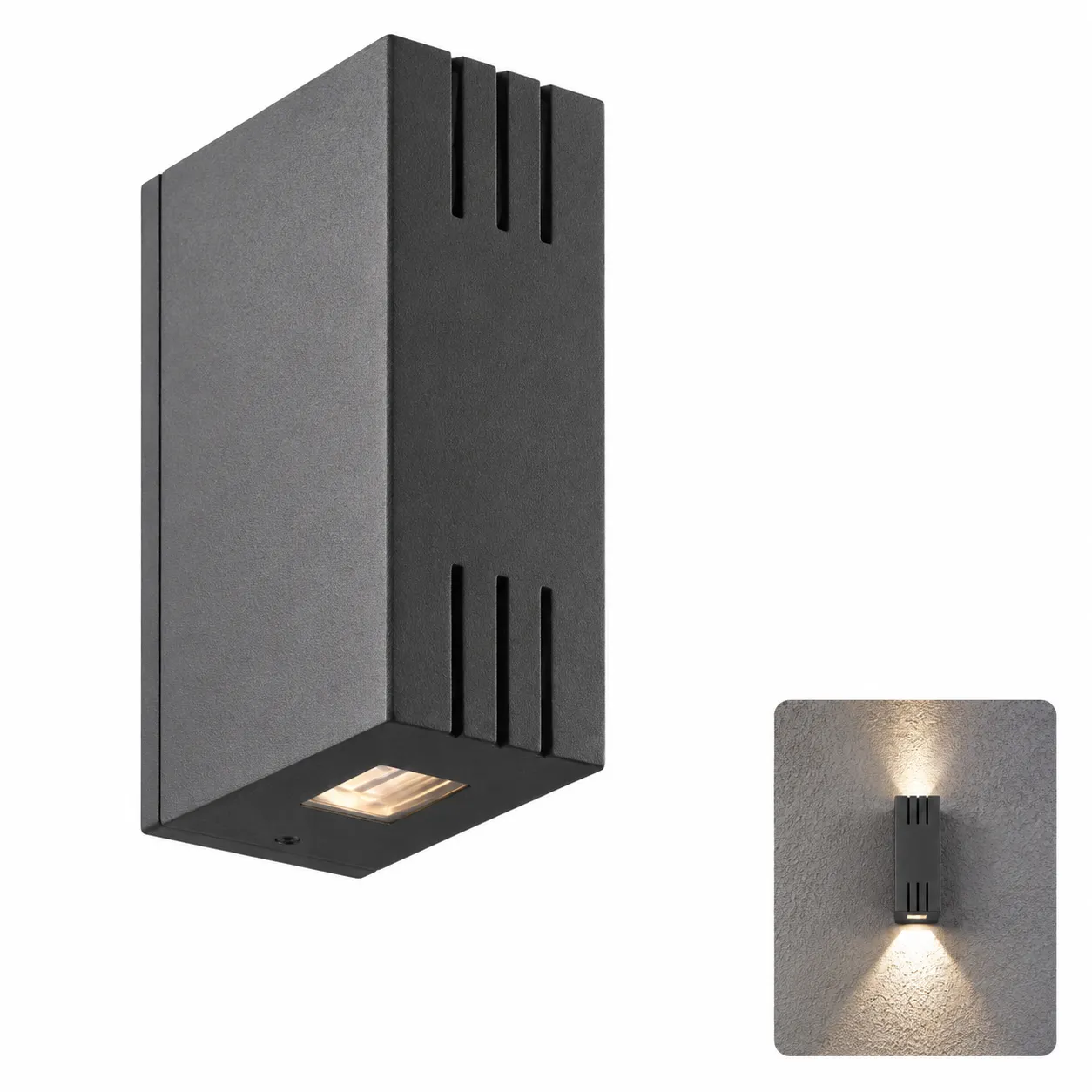
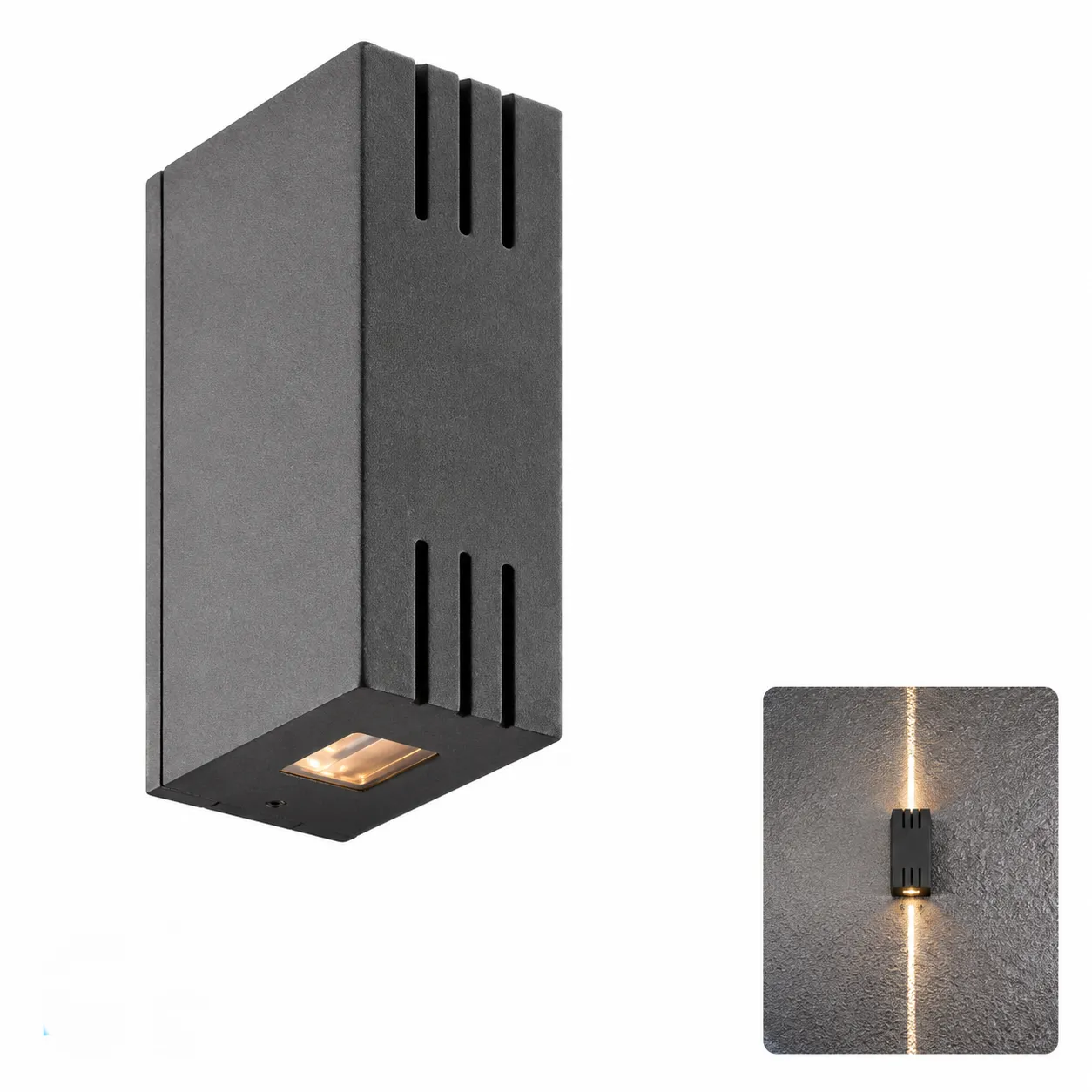
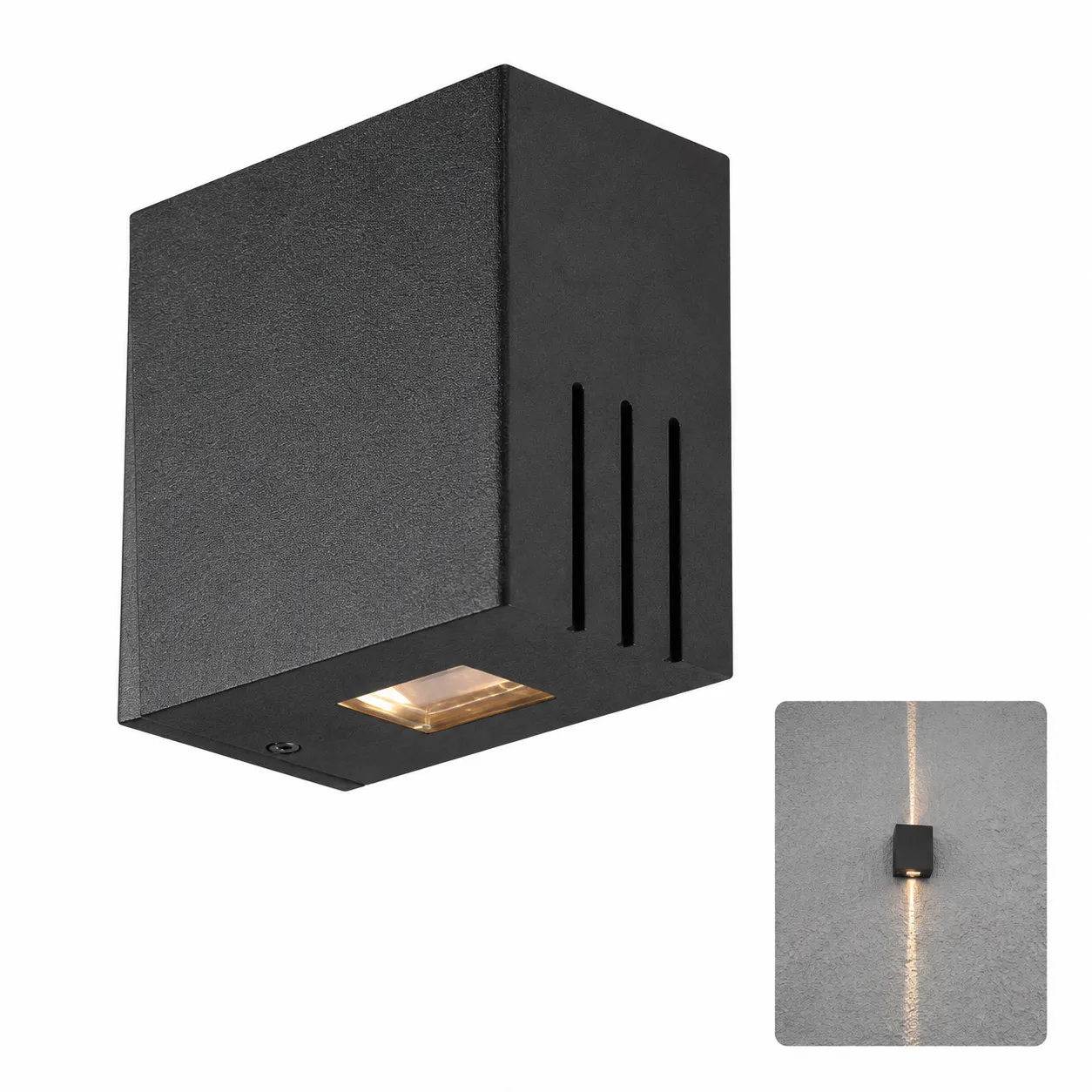
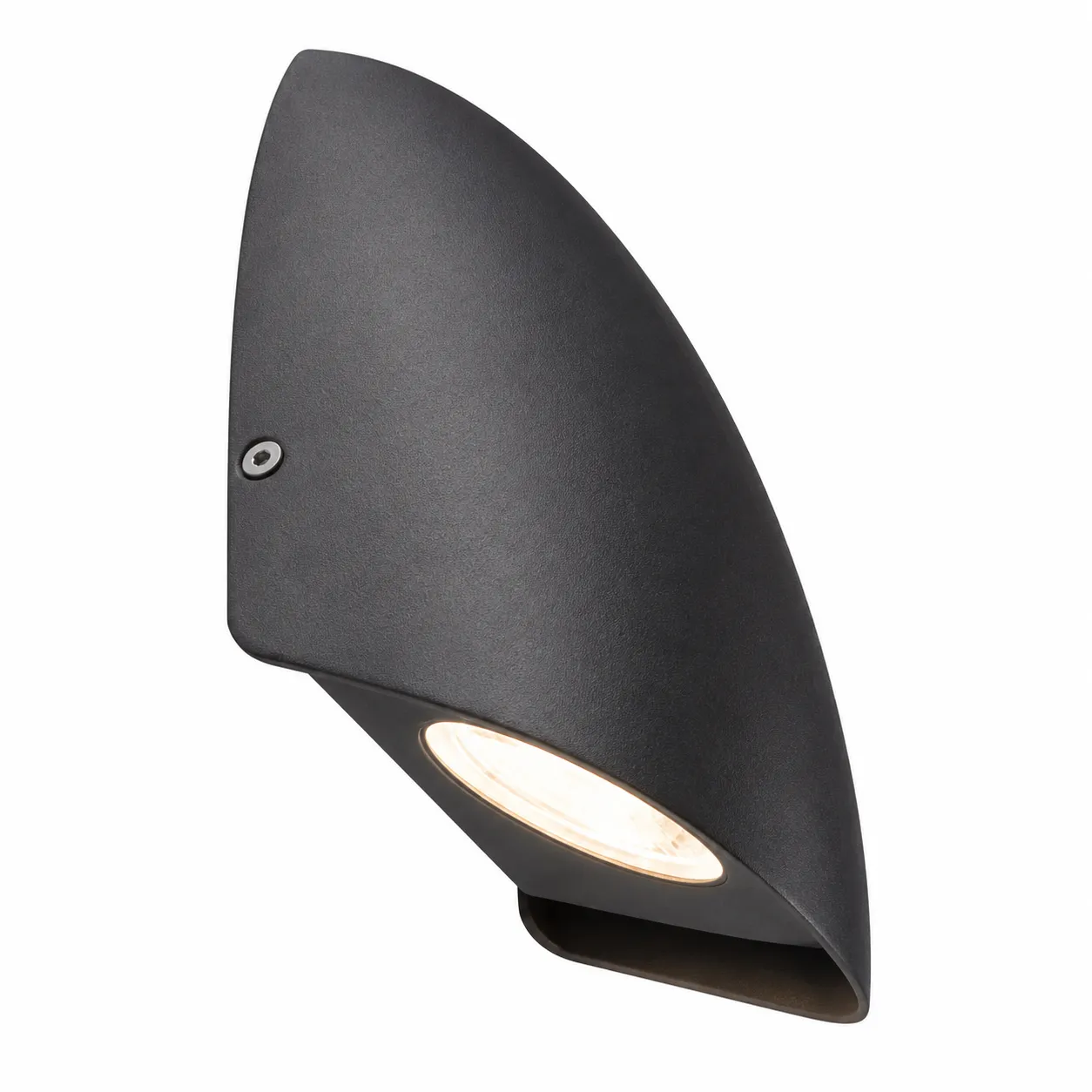
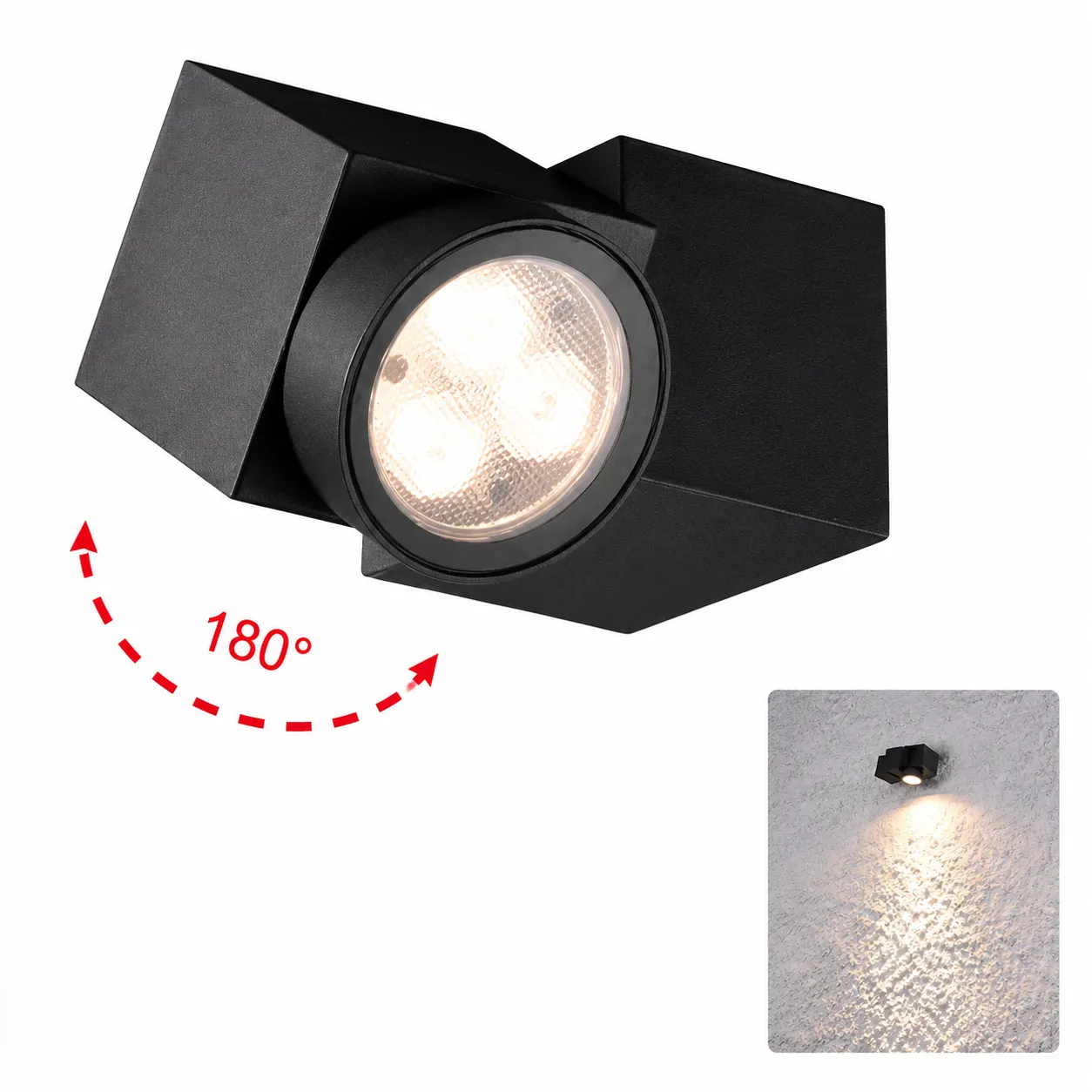
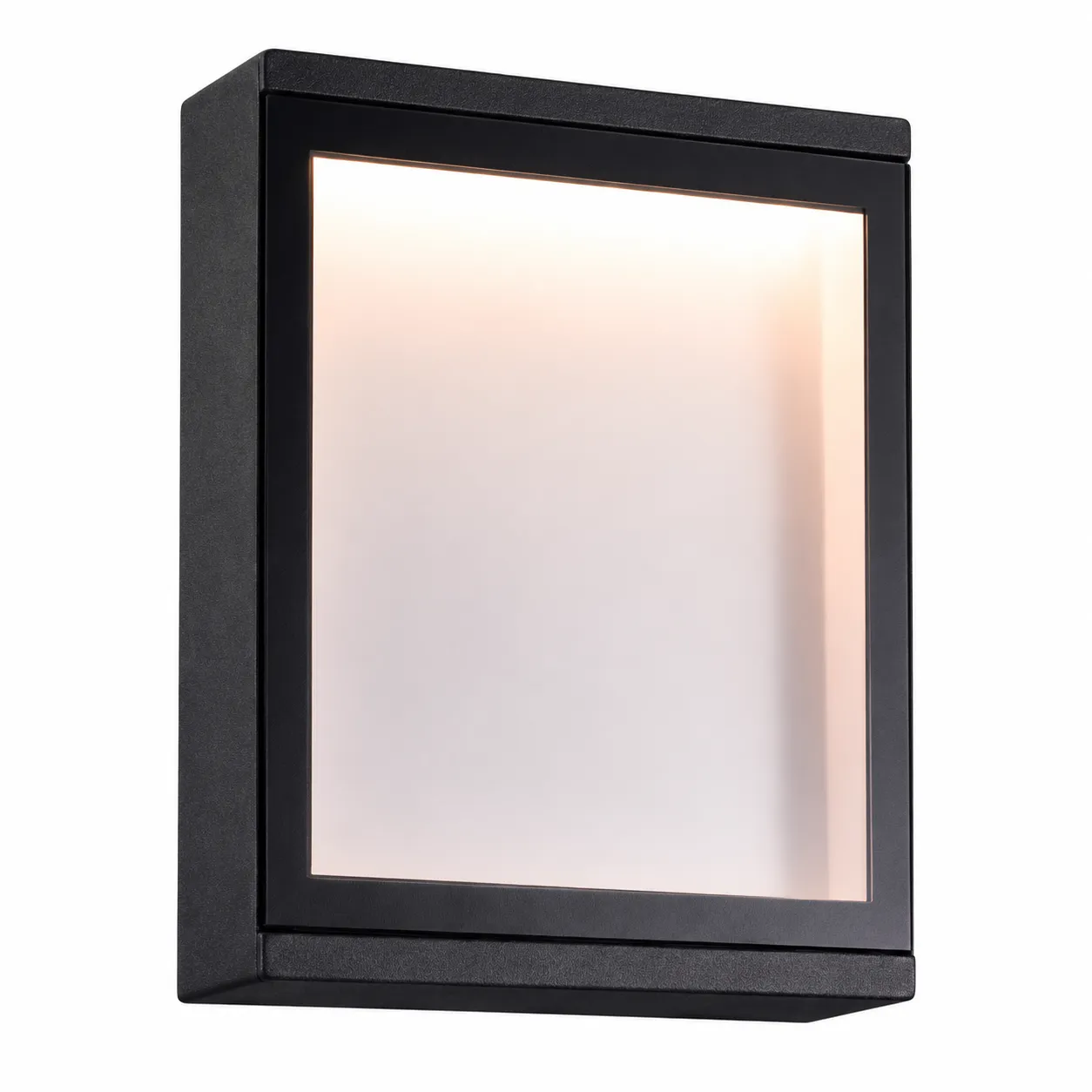
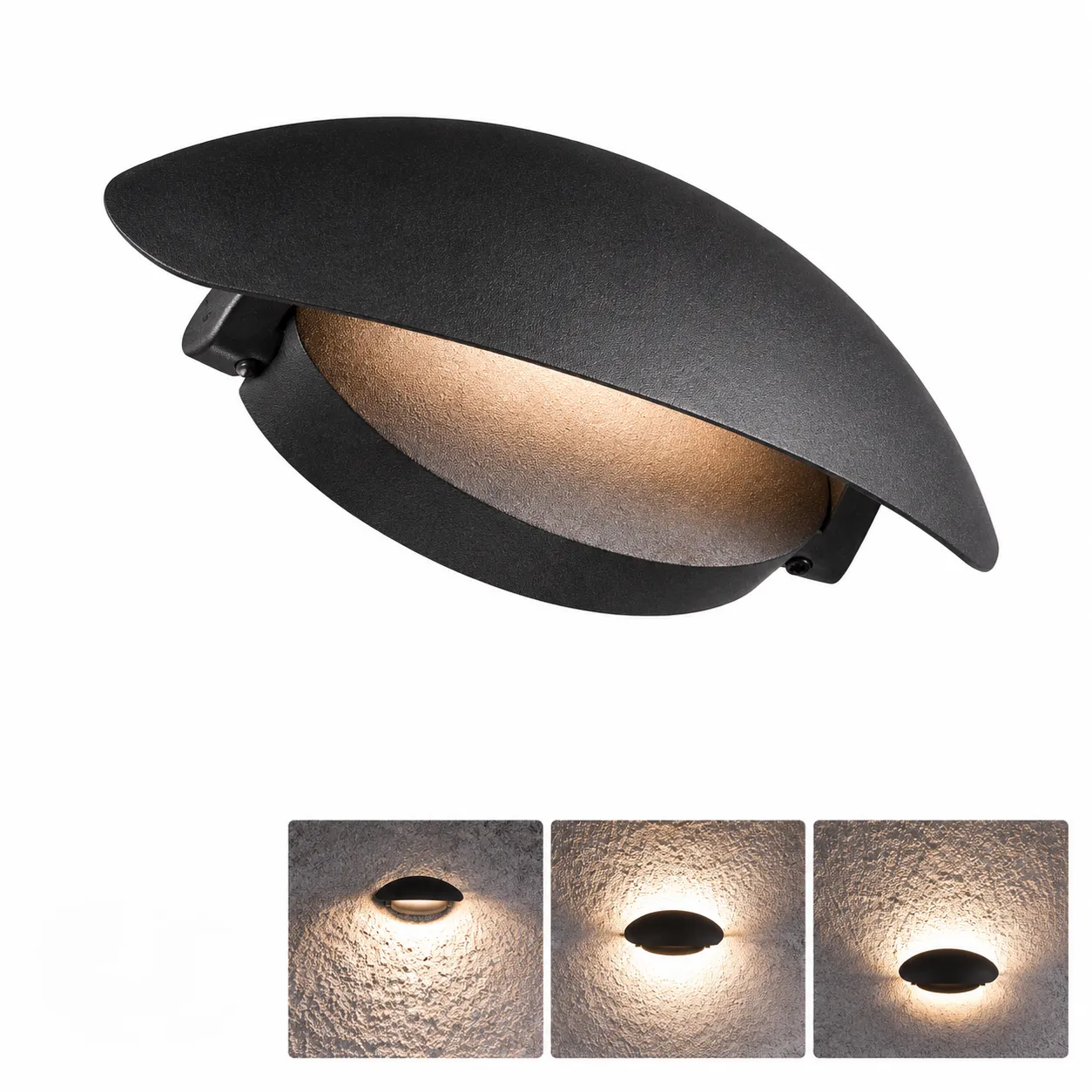
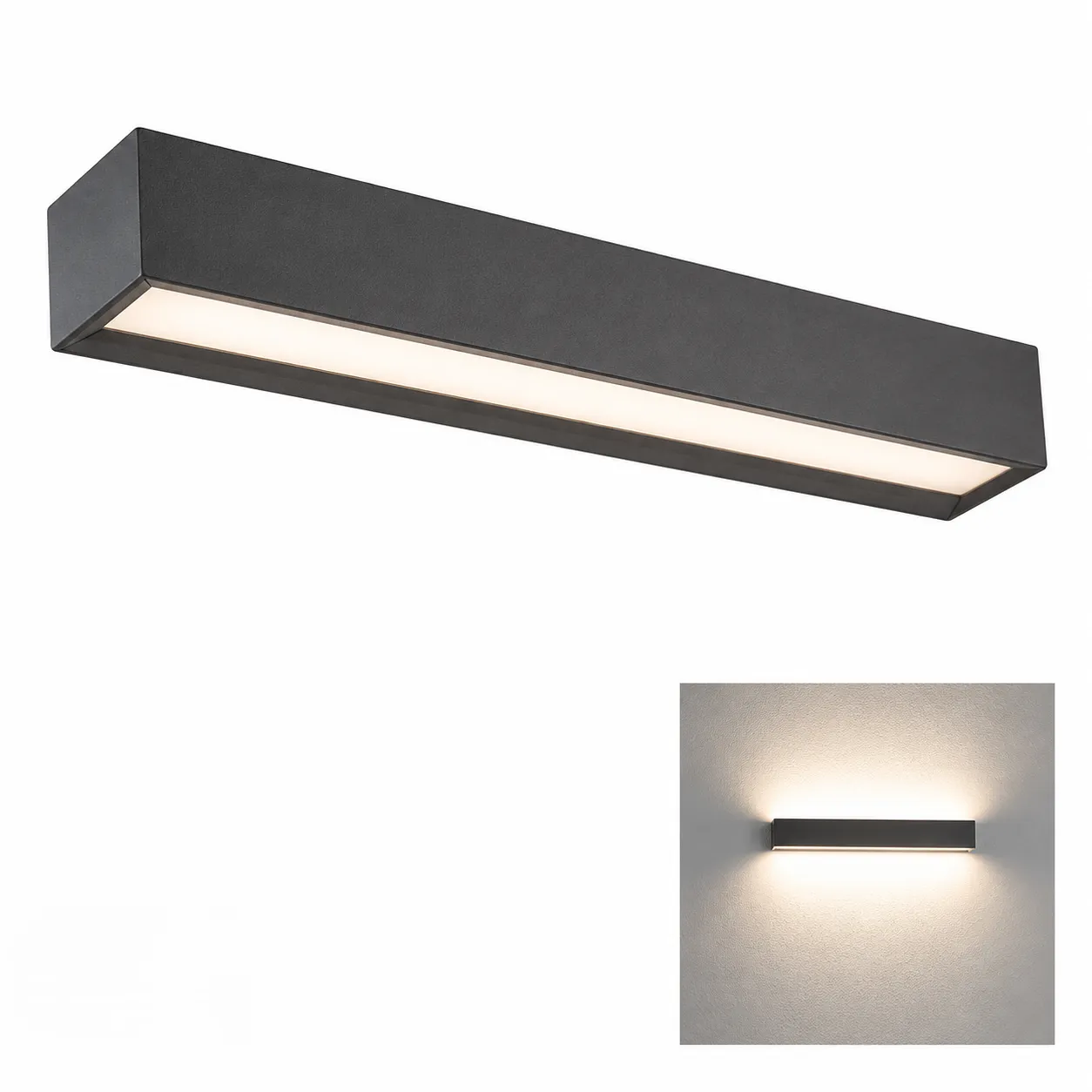
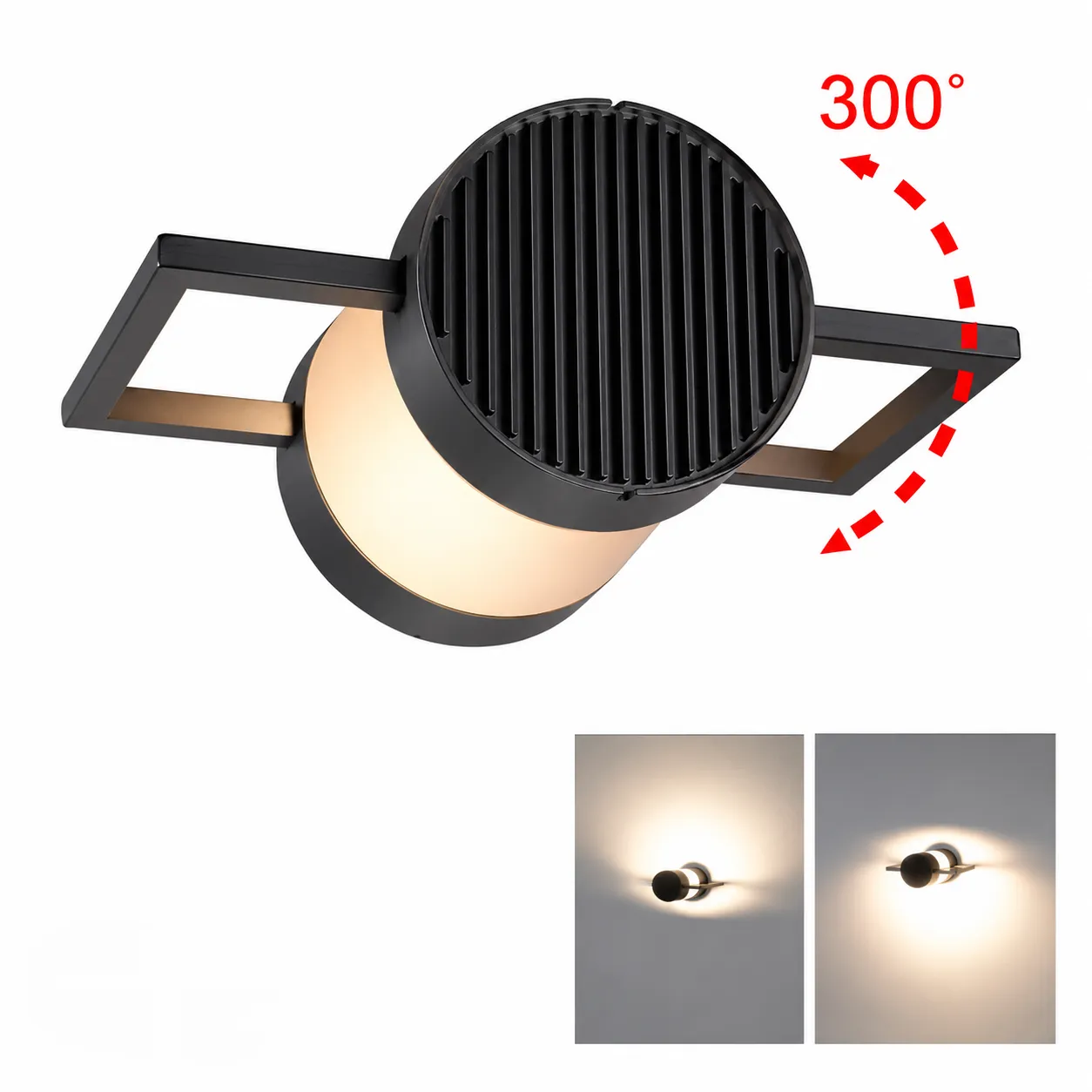
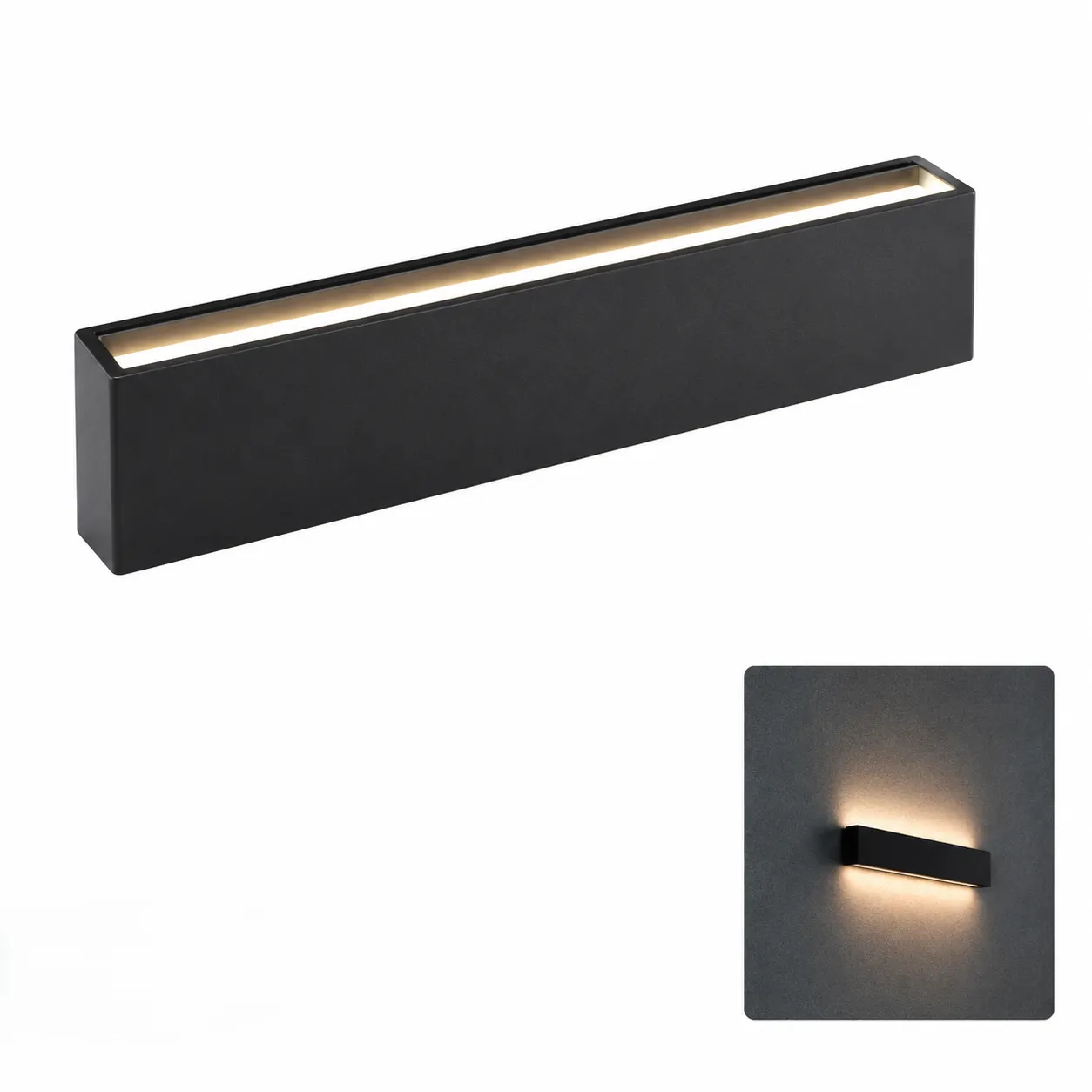
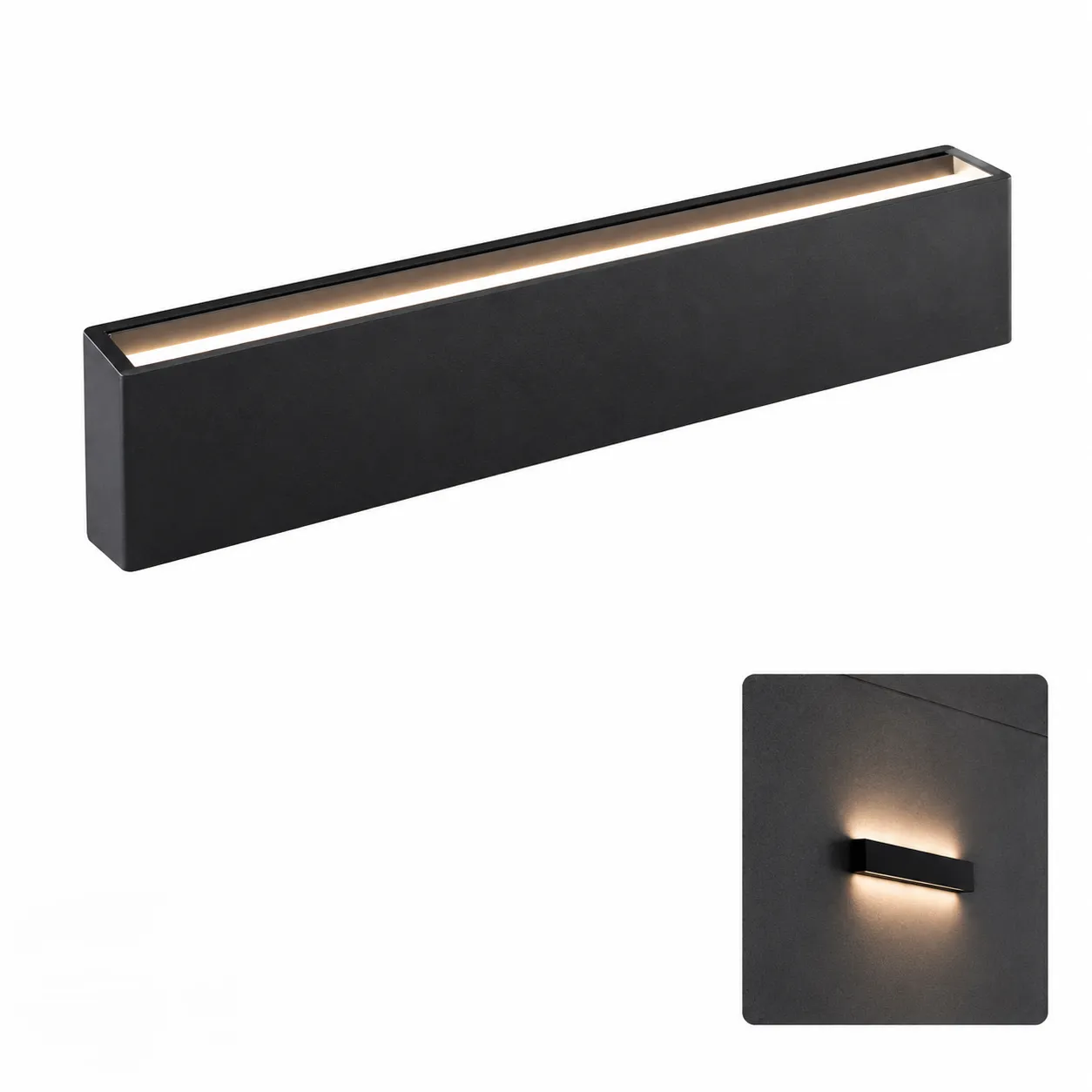
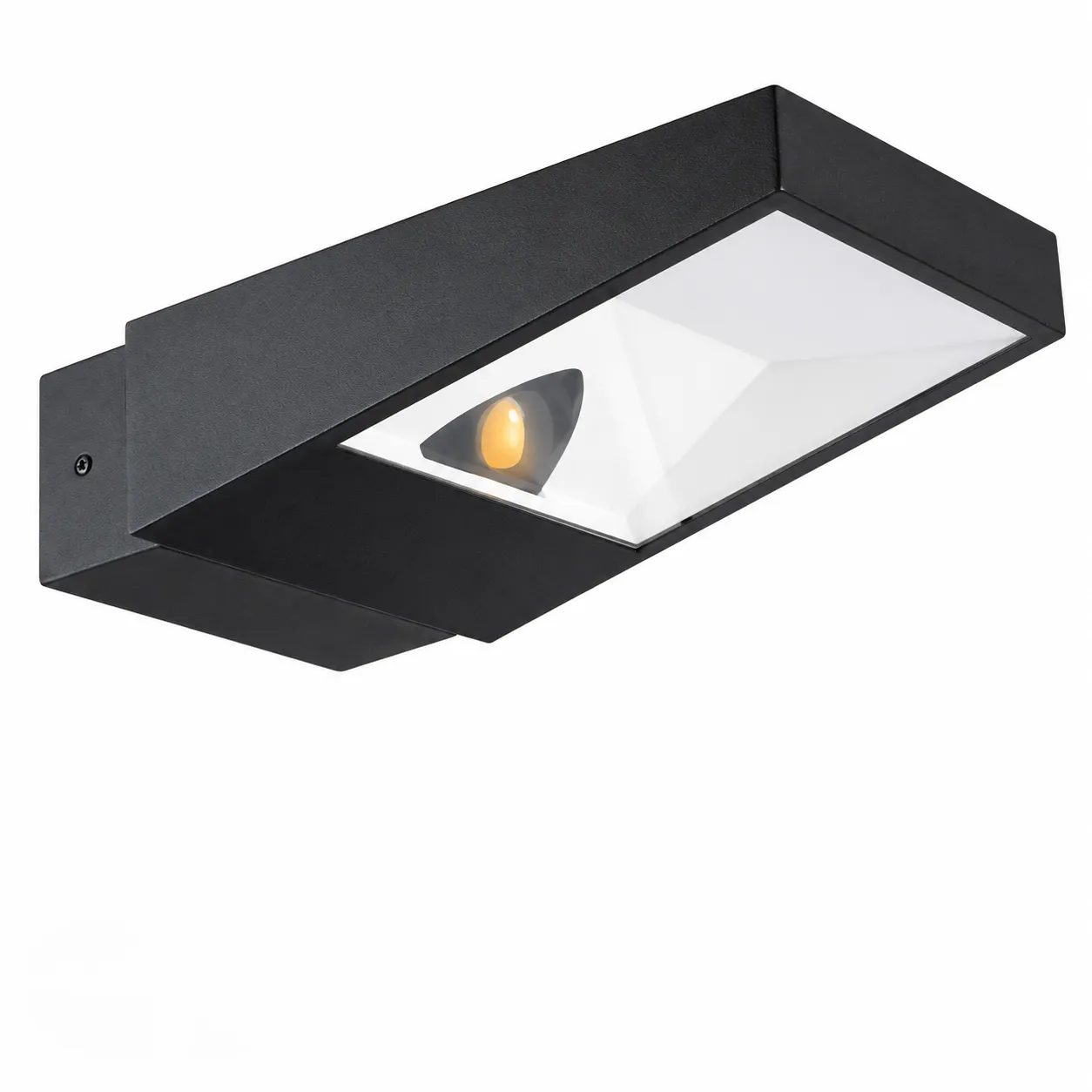
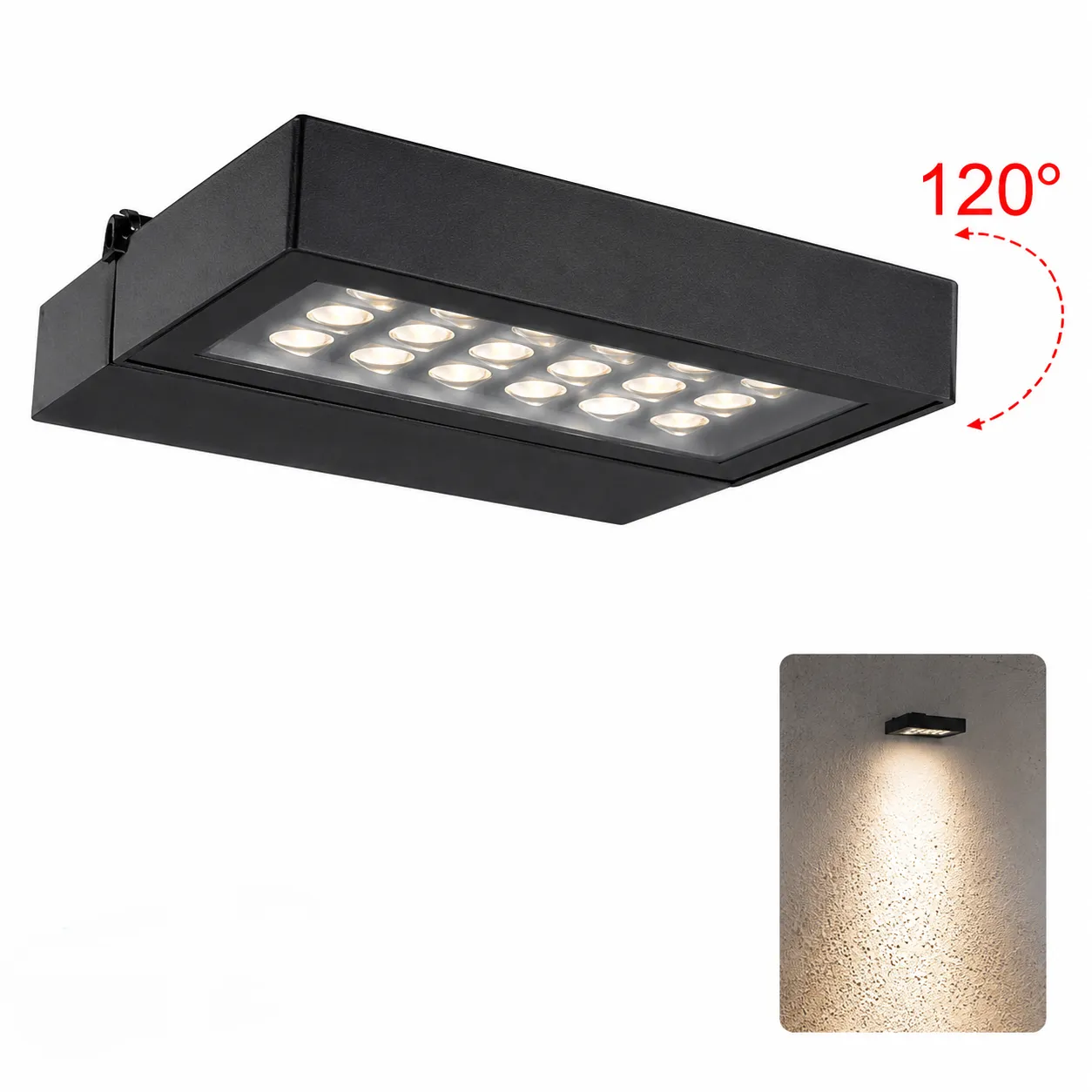
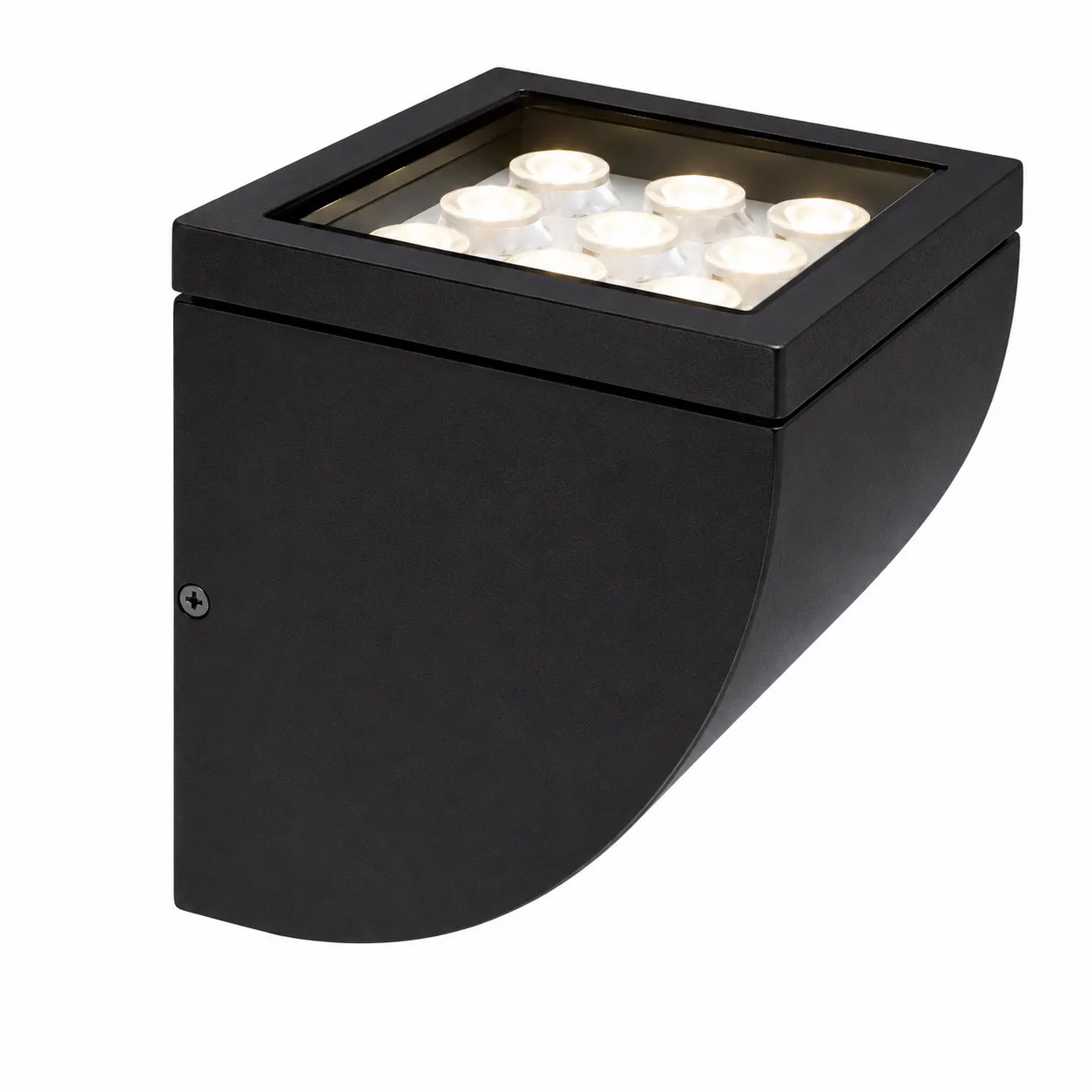
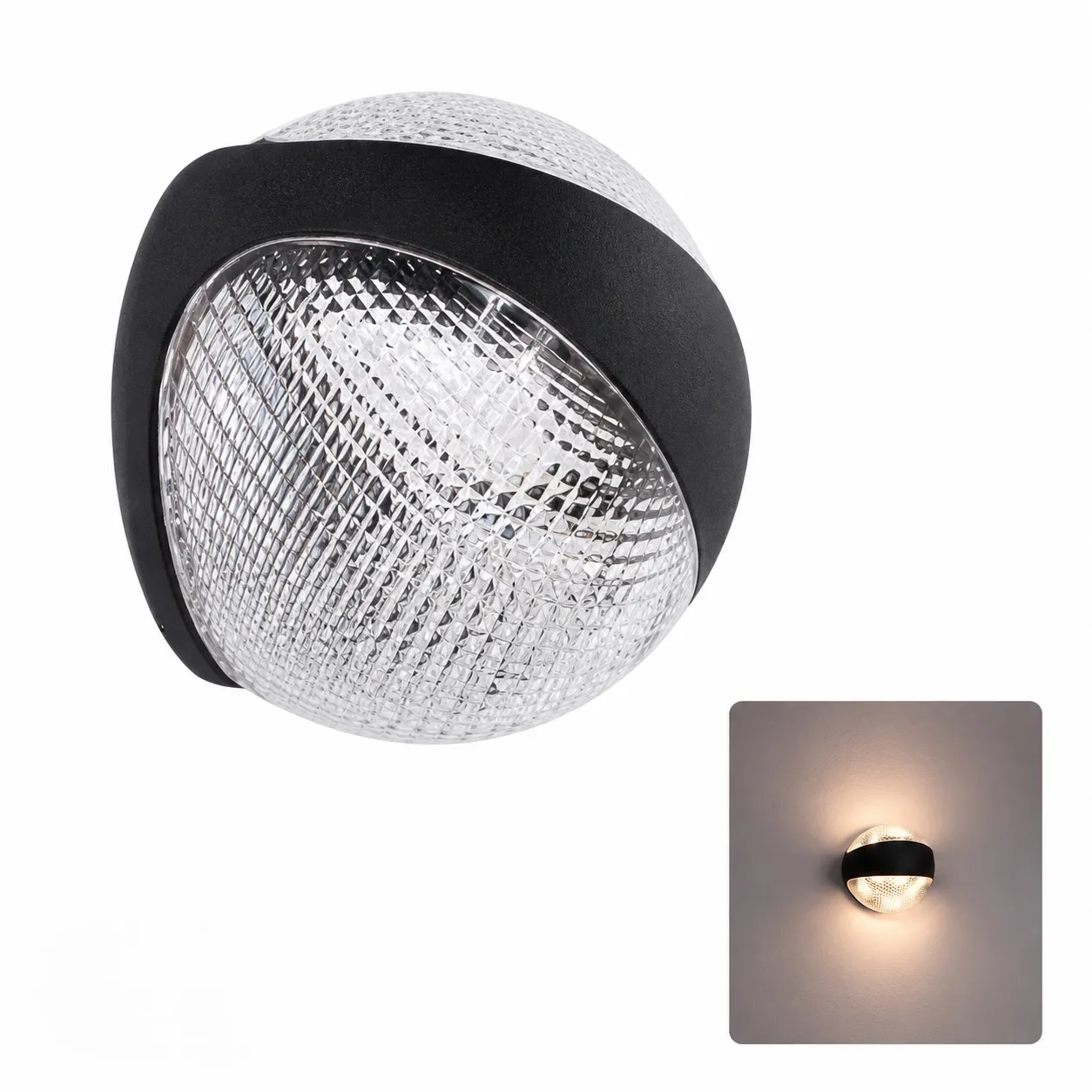
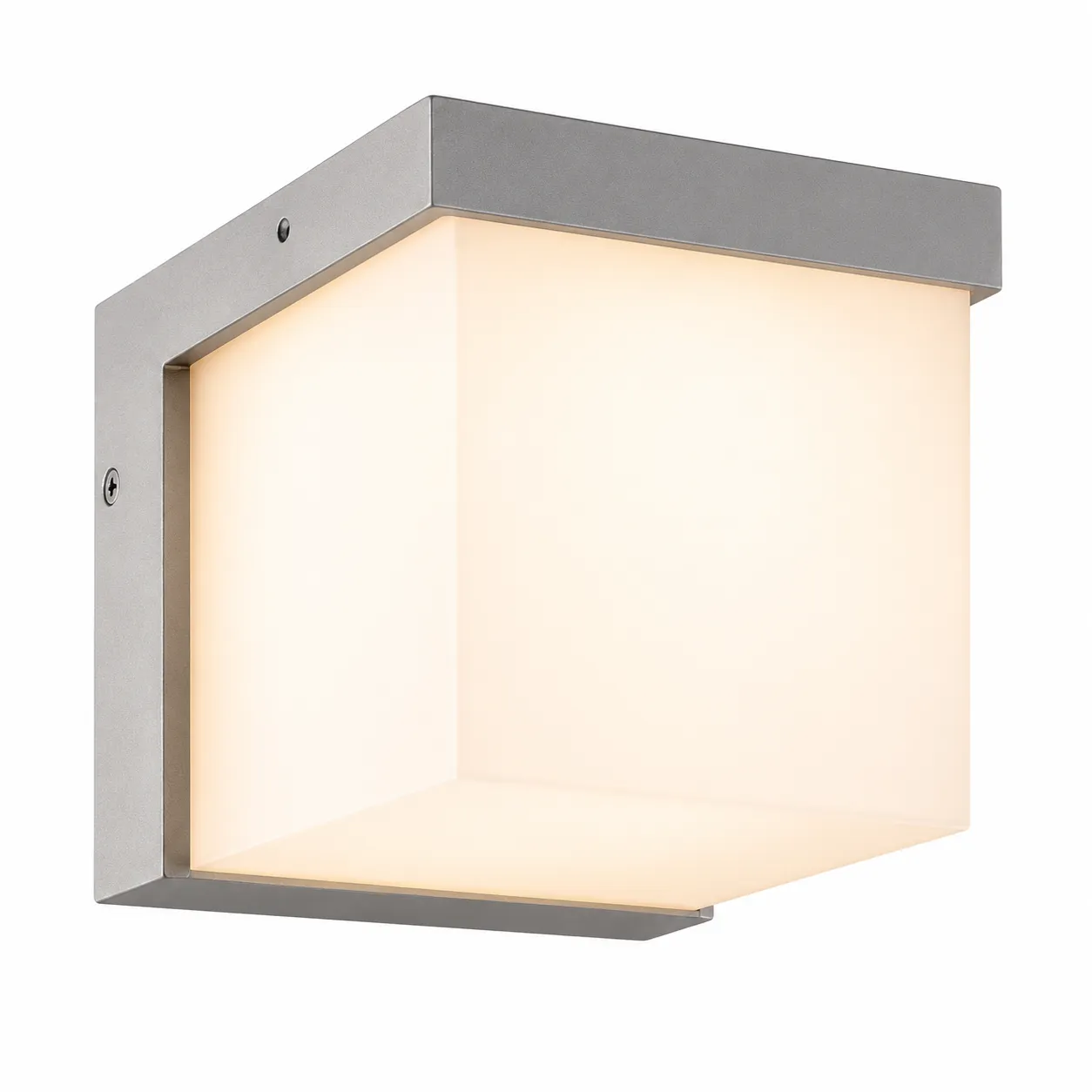
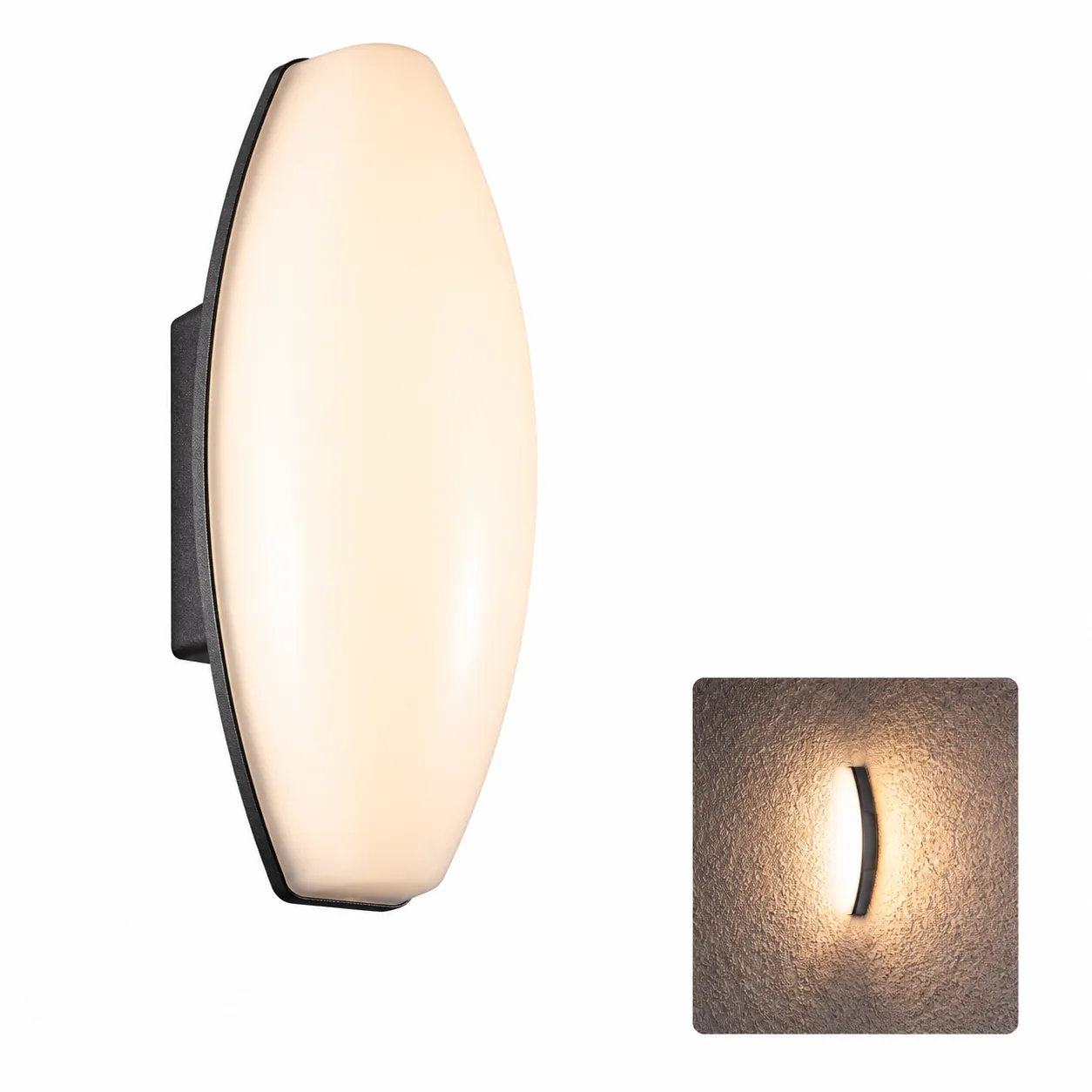
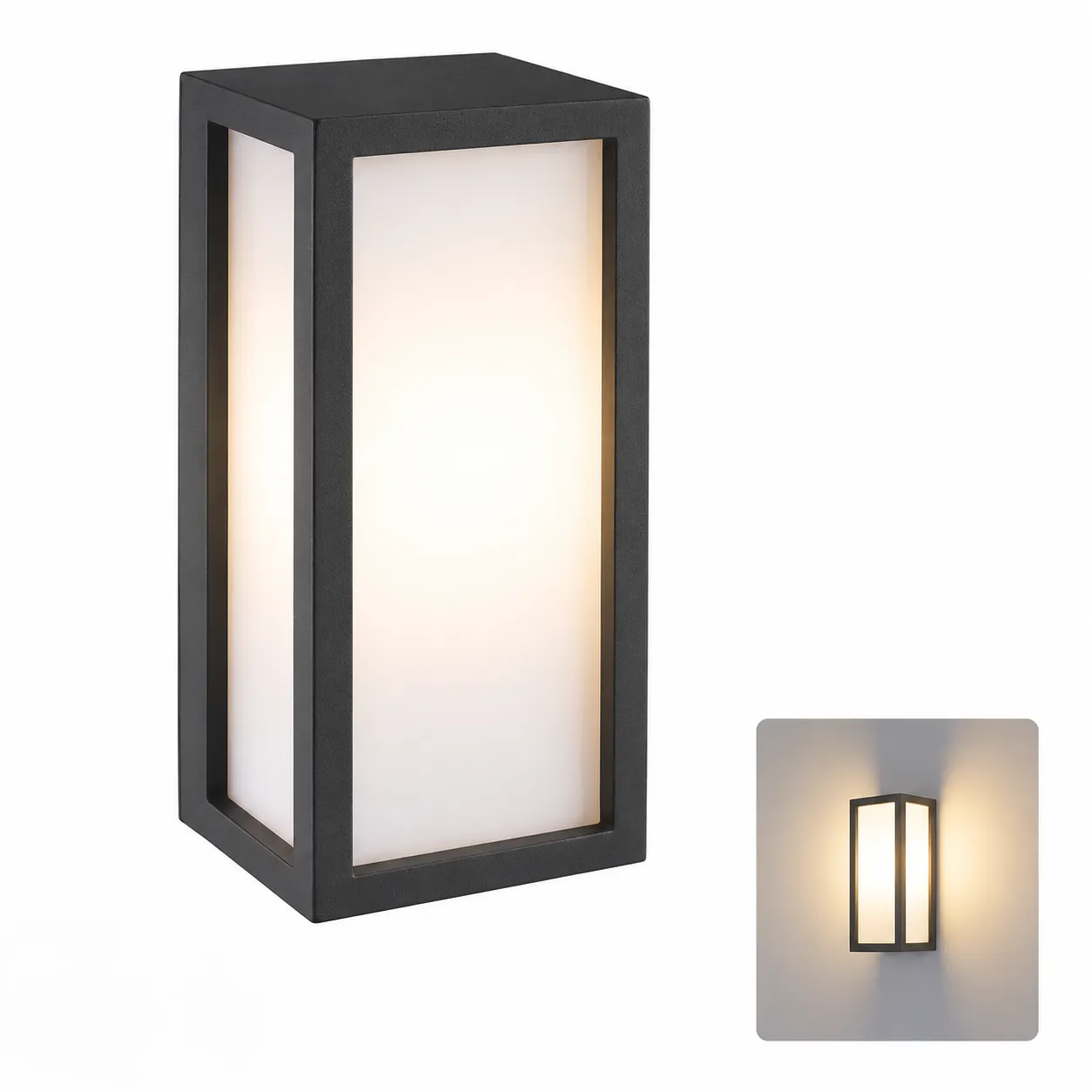
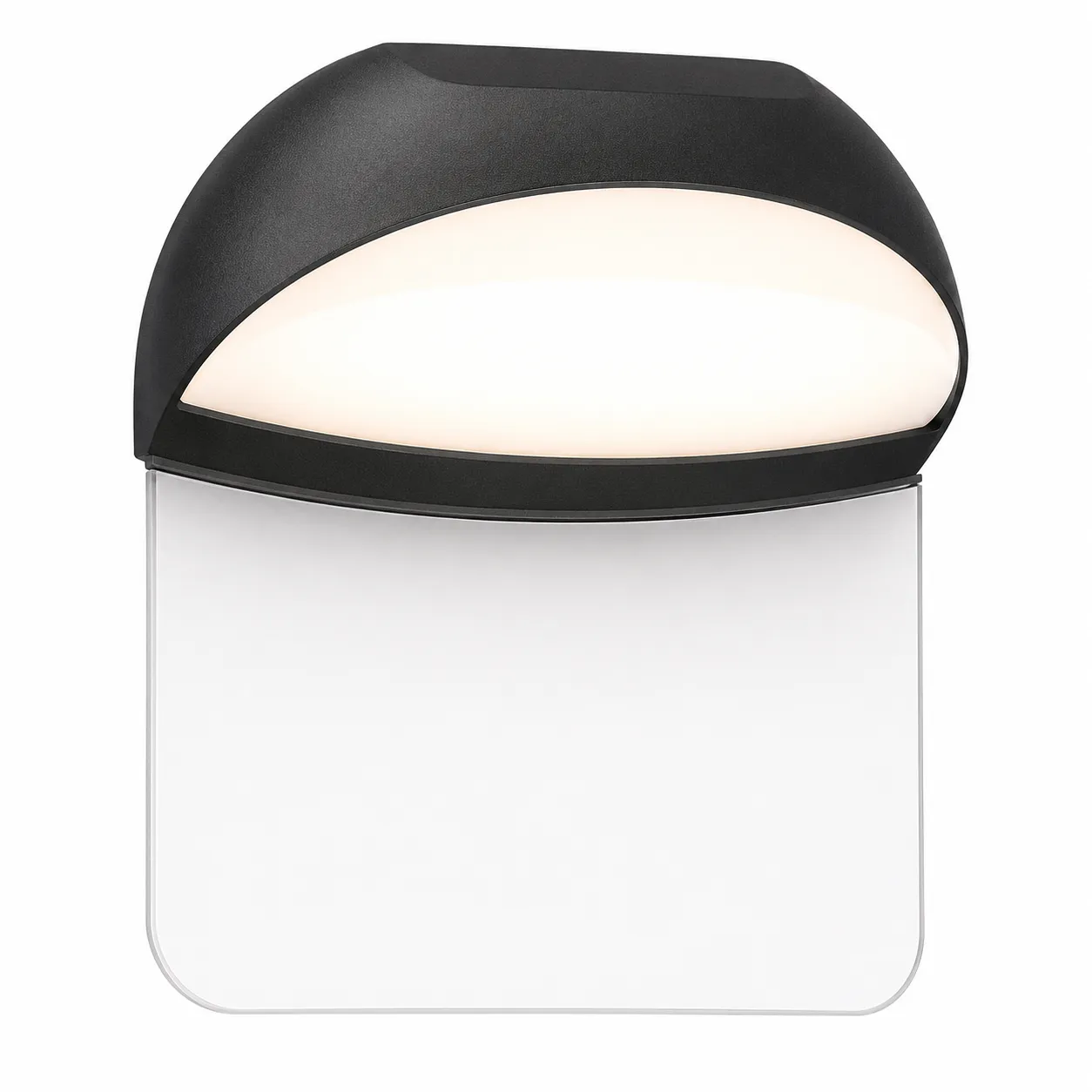
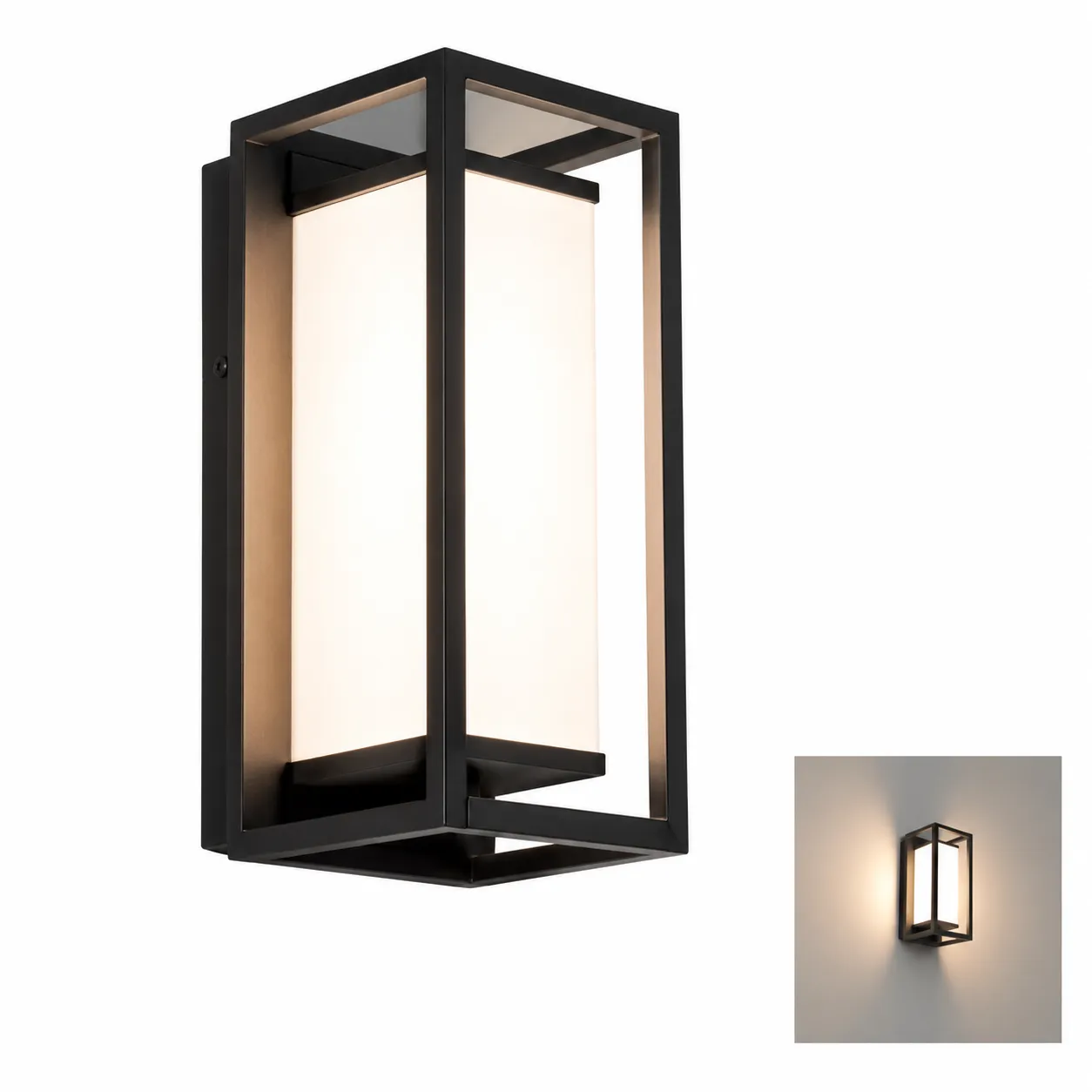
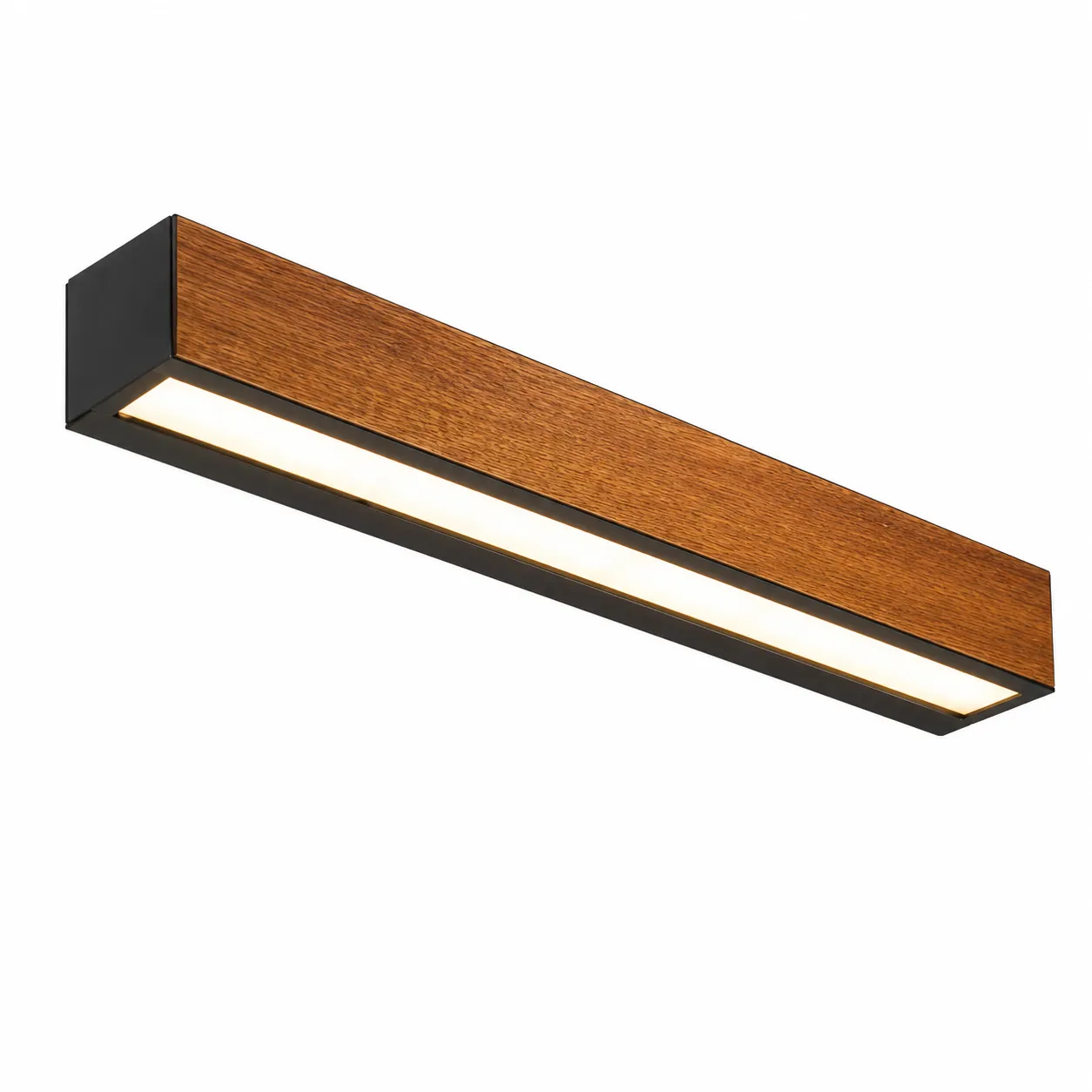
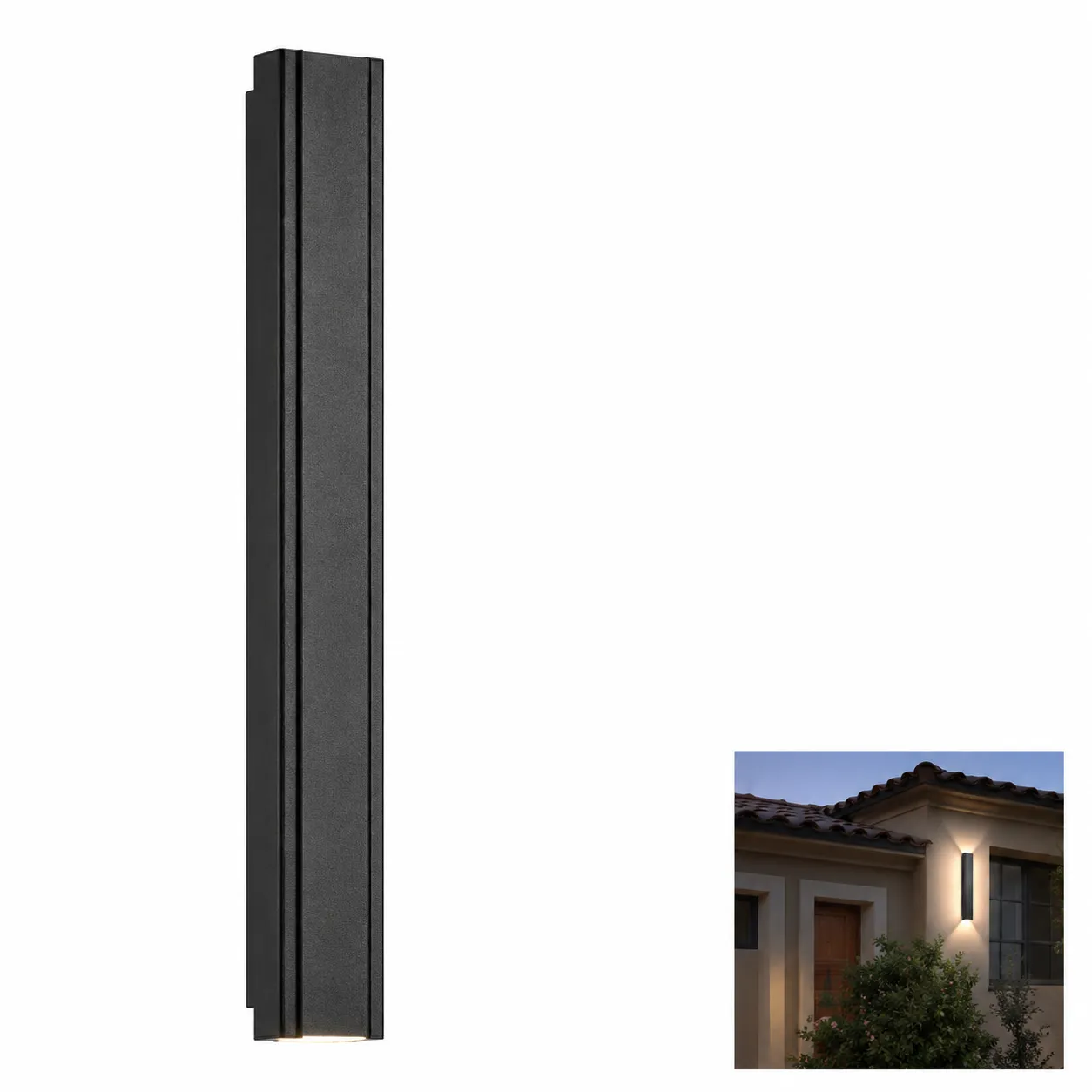
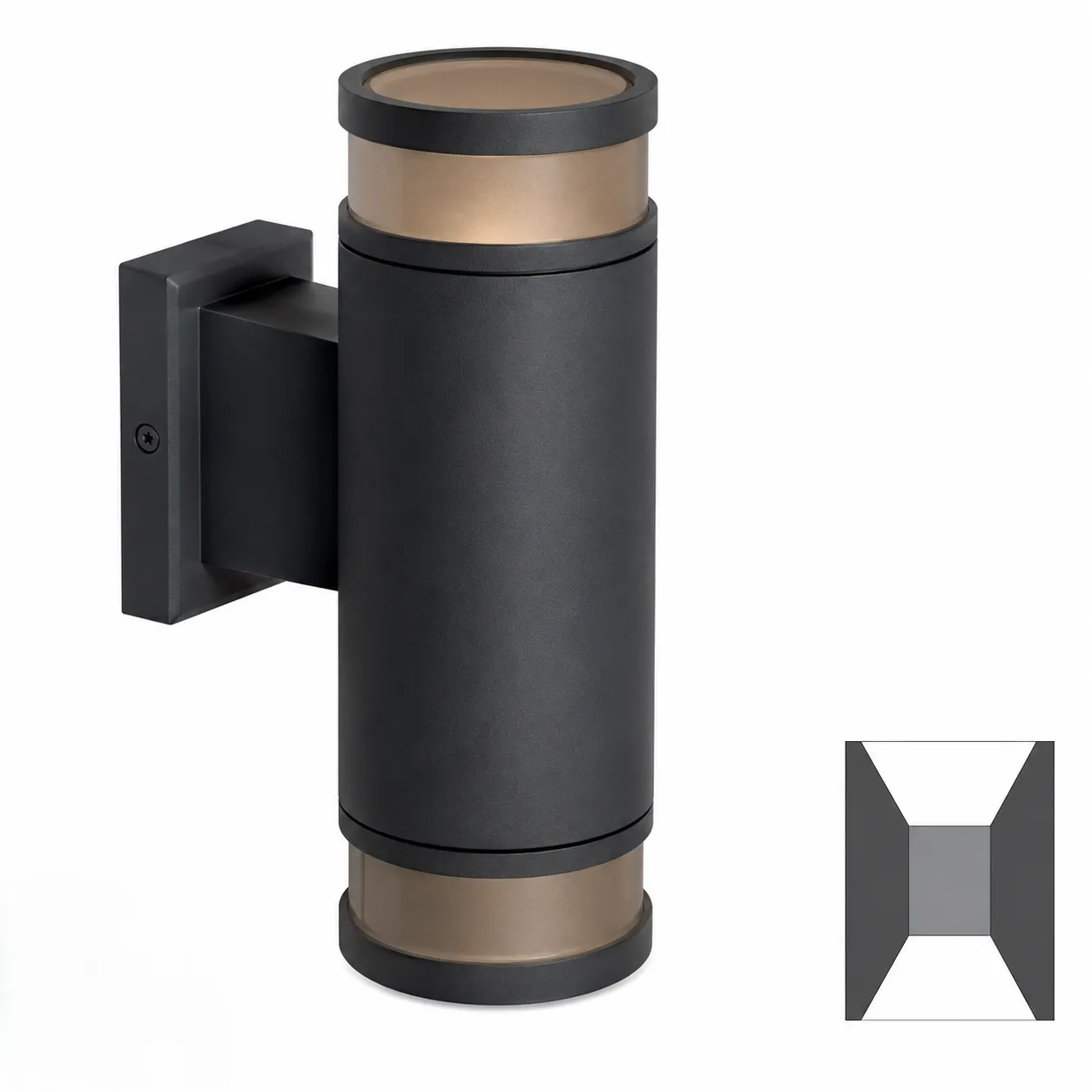
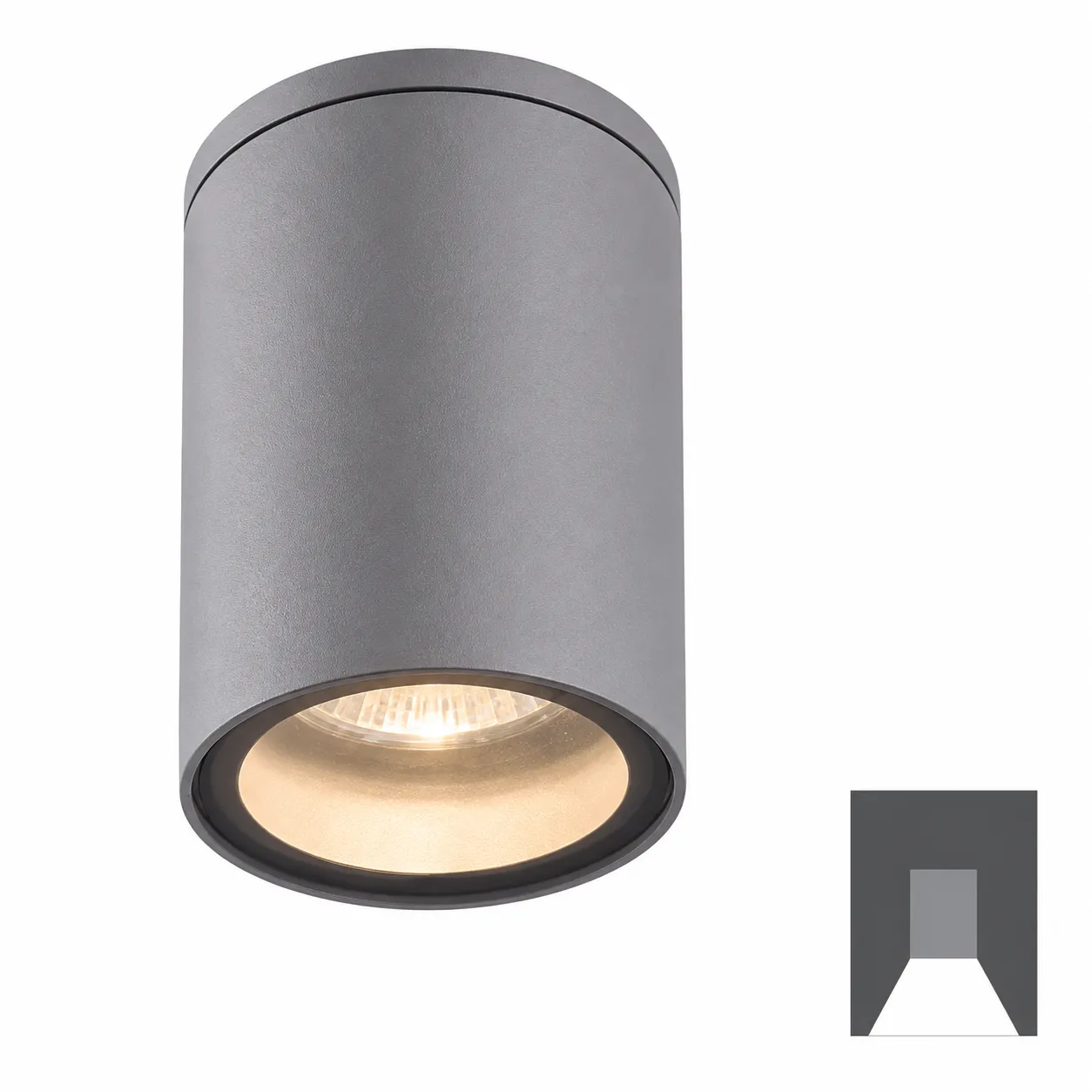
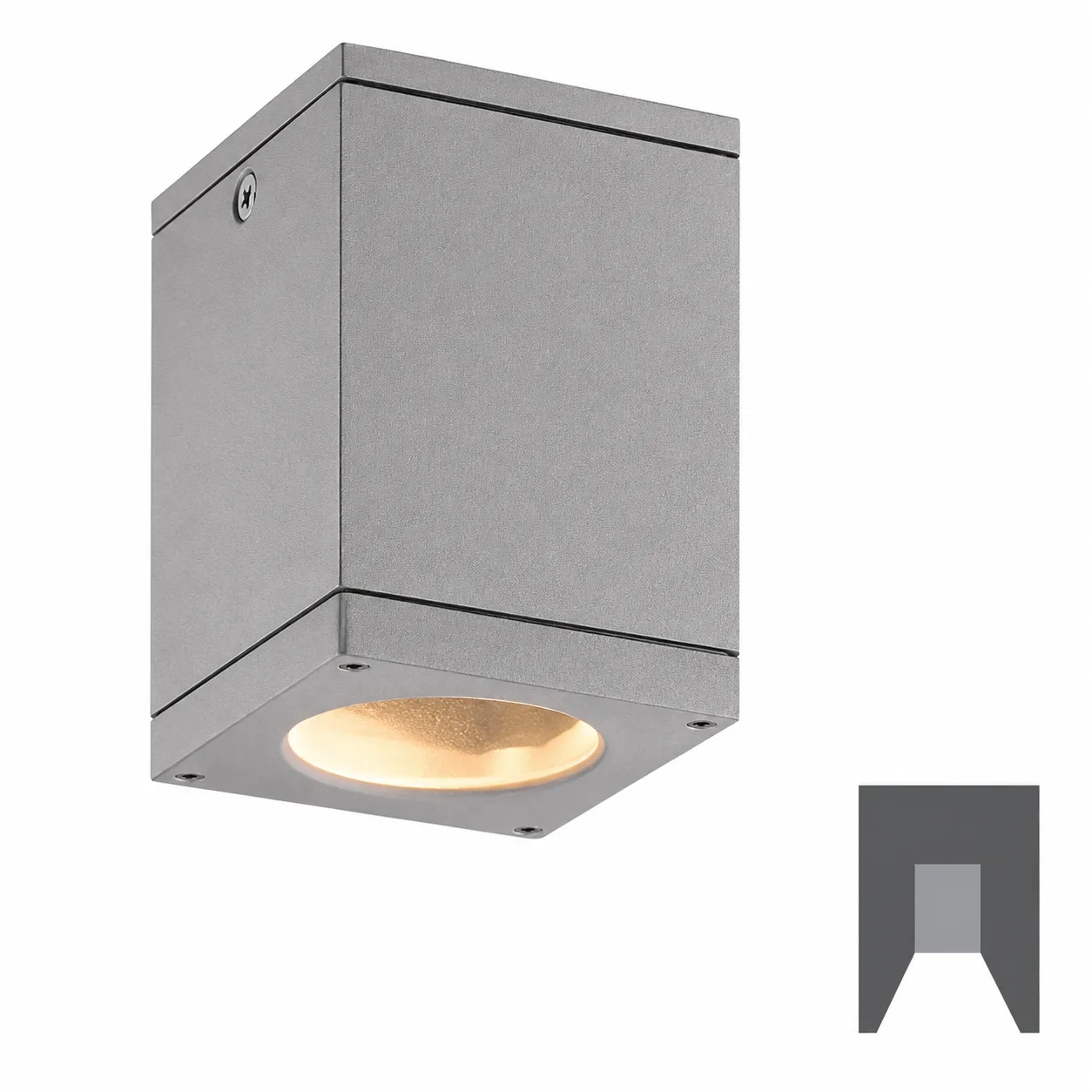
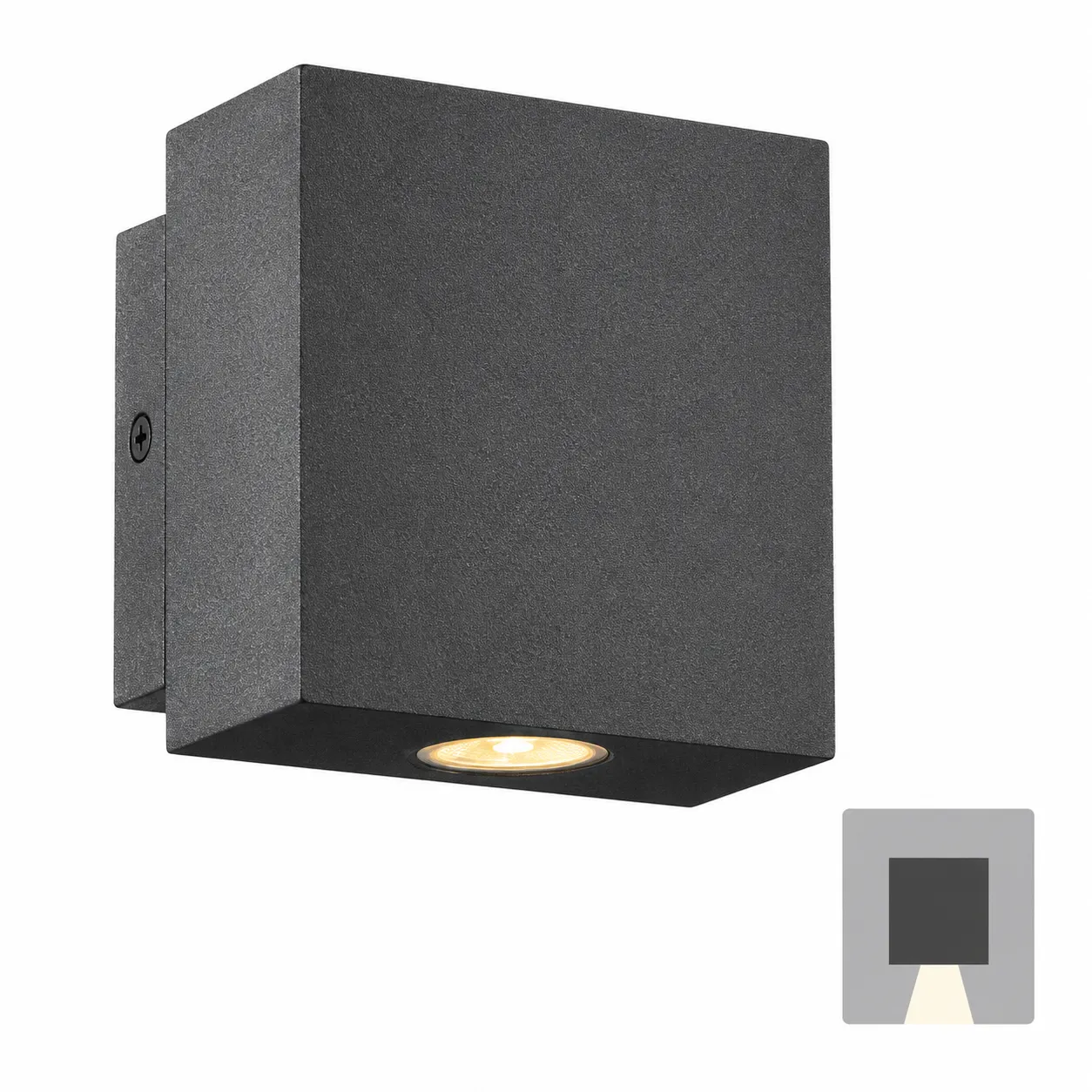
Architectural outdoor surface wall lights for facades, garden compound walls, entry alcoves and exterior corridor lighting.

IP54 & IP65 98 SKUs Hybec catalogue by Hybec →

Where these get used

Applications & typical installations.

Most commonly used in the project types below — across homes, hotels, commercial spaces and landscape projects.

  • Building facades and entry walls
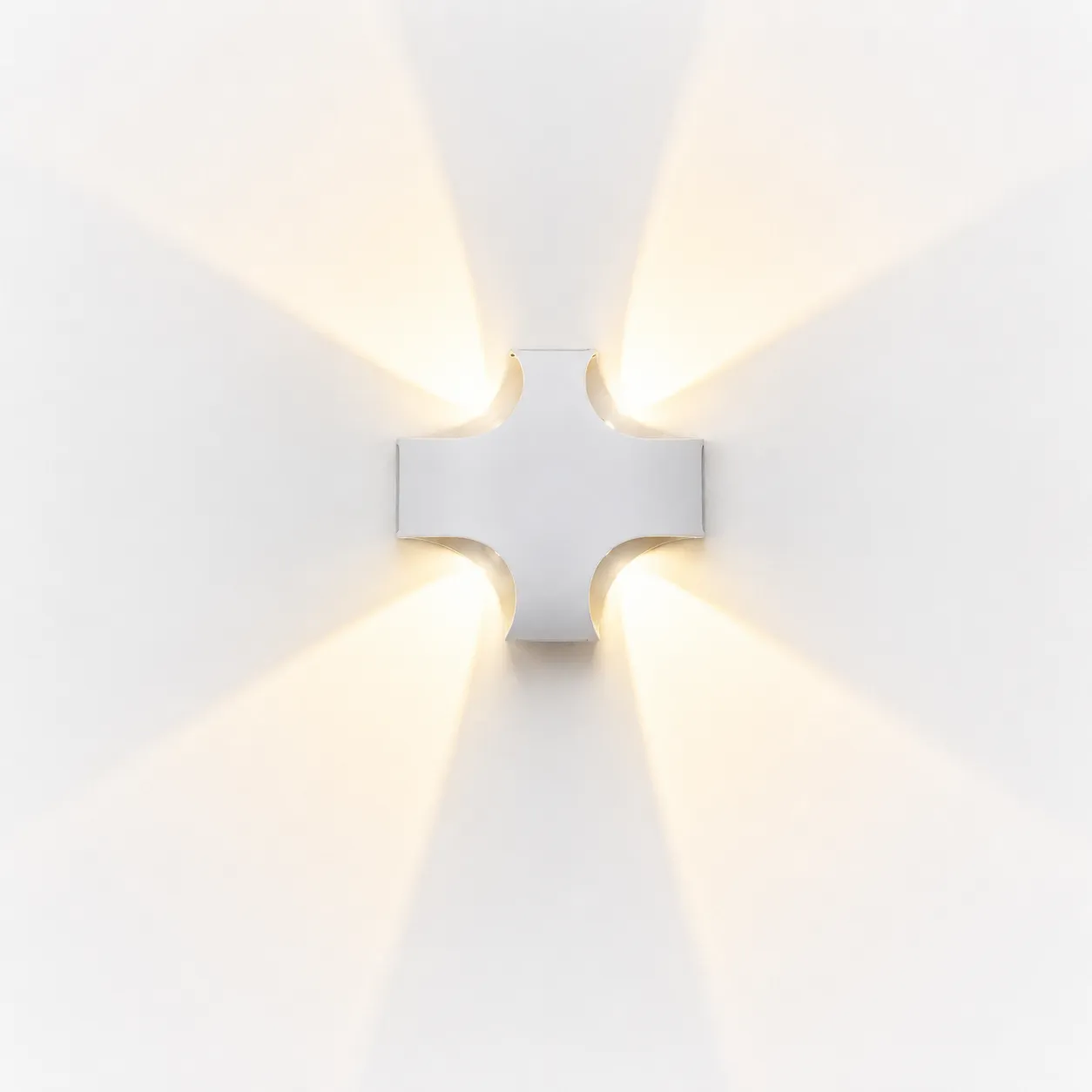
  • Garden compound walls
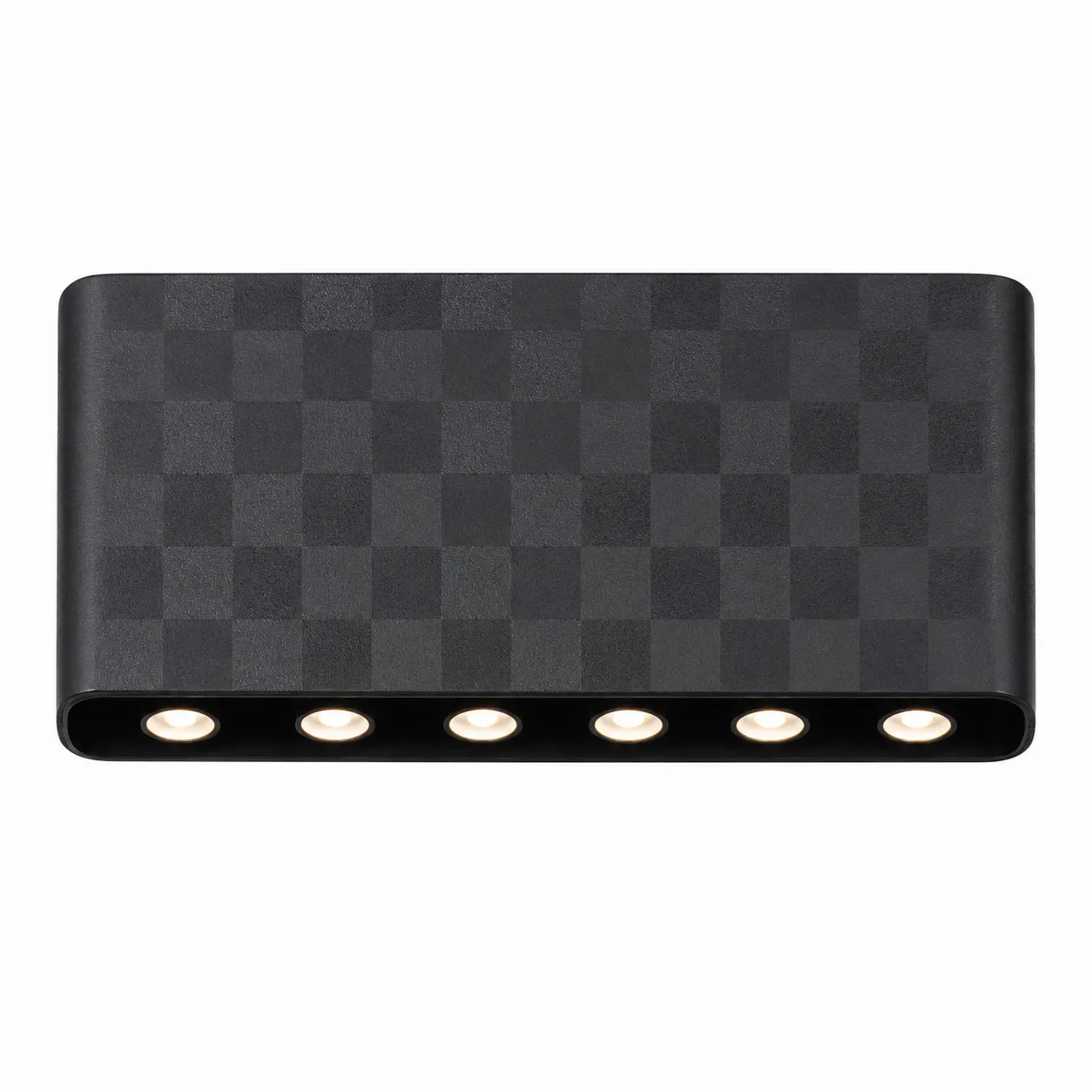
  • Stairwell and corridor exteriors
  • Boundary and gate piers
  • Hotel and resort corridors

A quick buyer's guide

How to pick the right one.

The things to think about when choosing the right model for your project — from weatherproofing to beam angle to how it gets mounted.

  1. 01 IP54 for verandahs and covered walls; IP65 for fully exposed surfaces
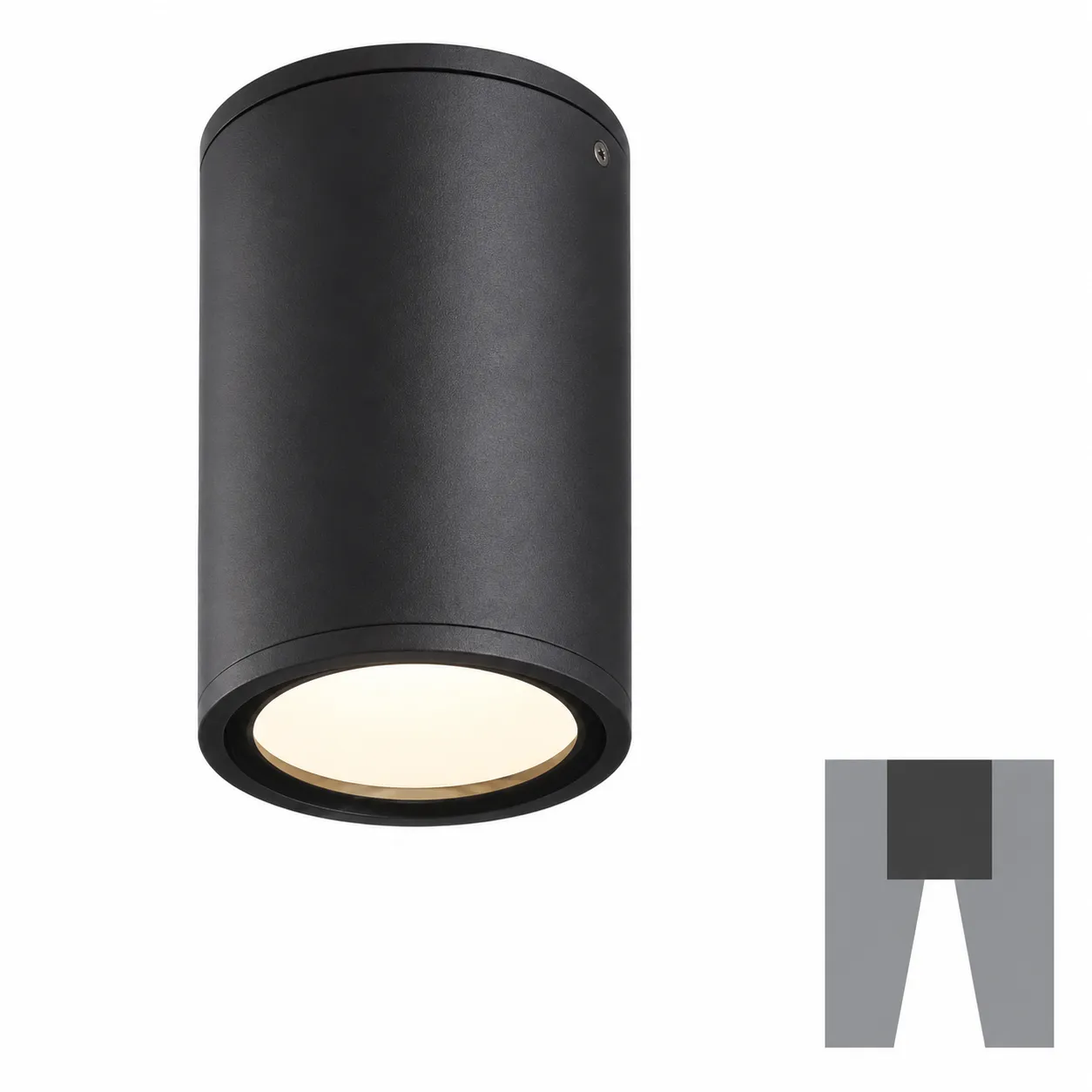
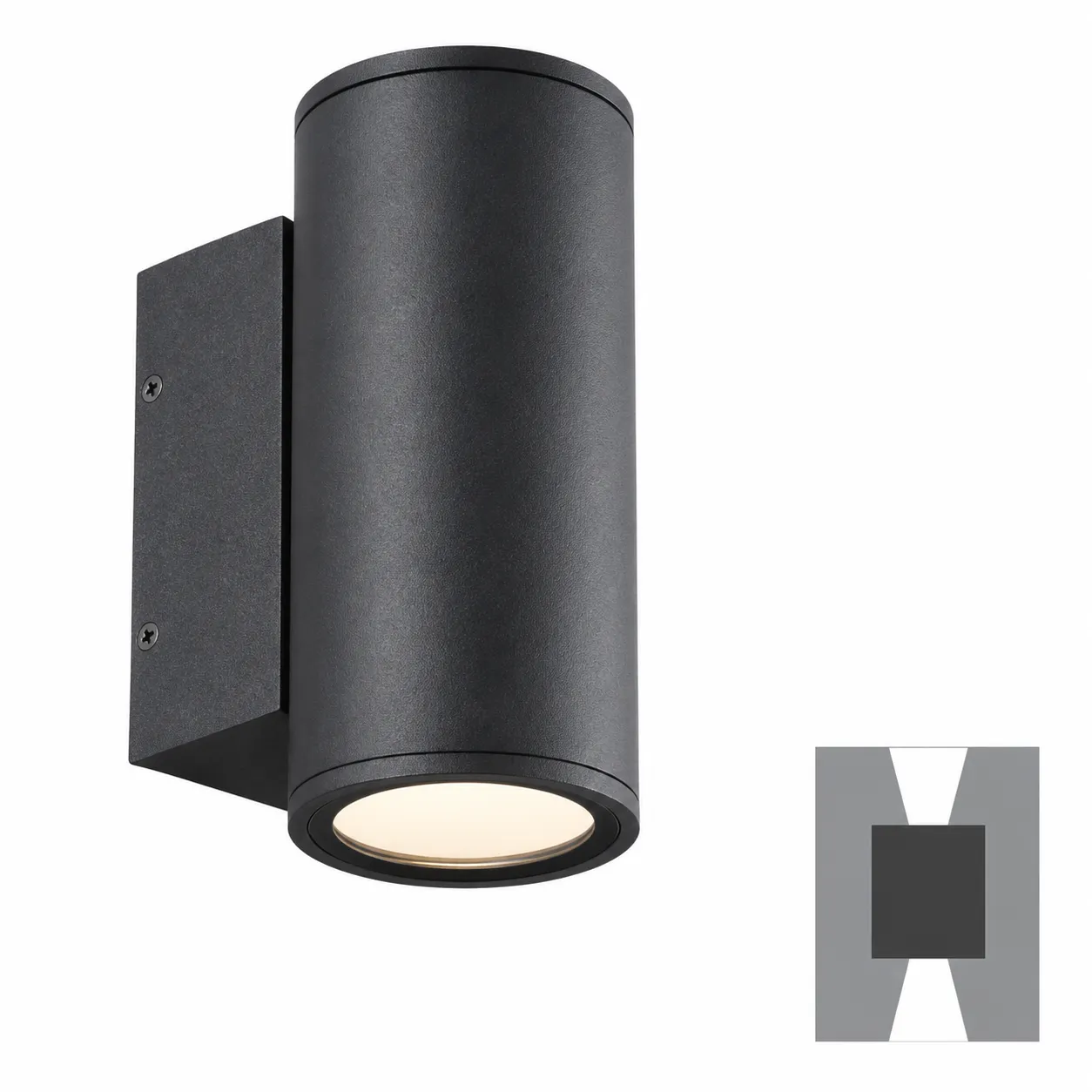
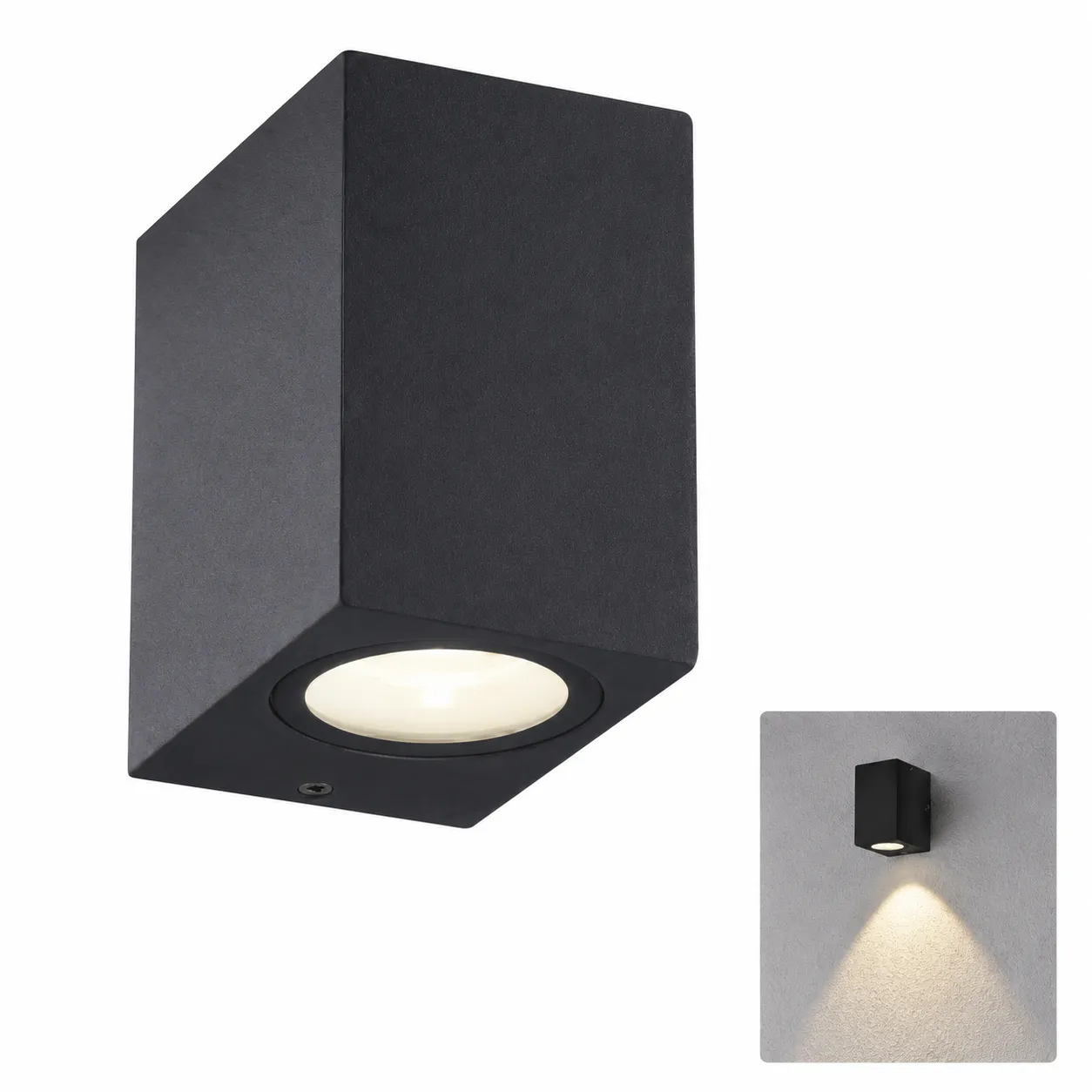
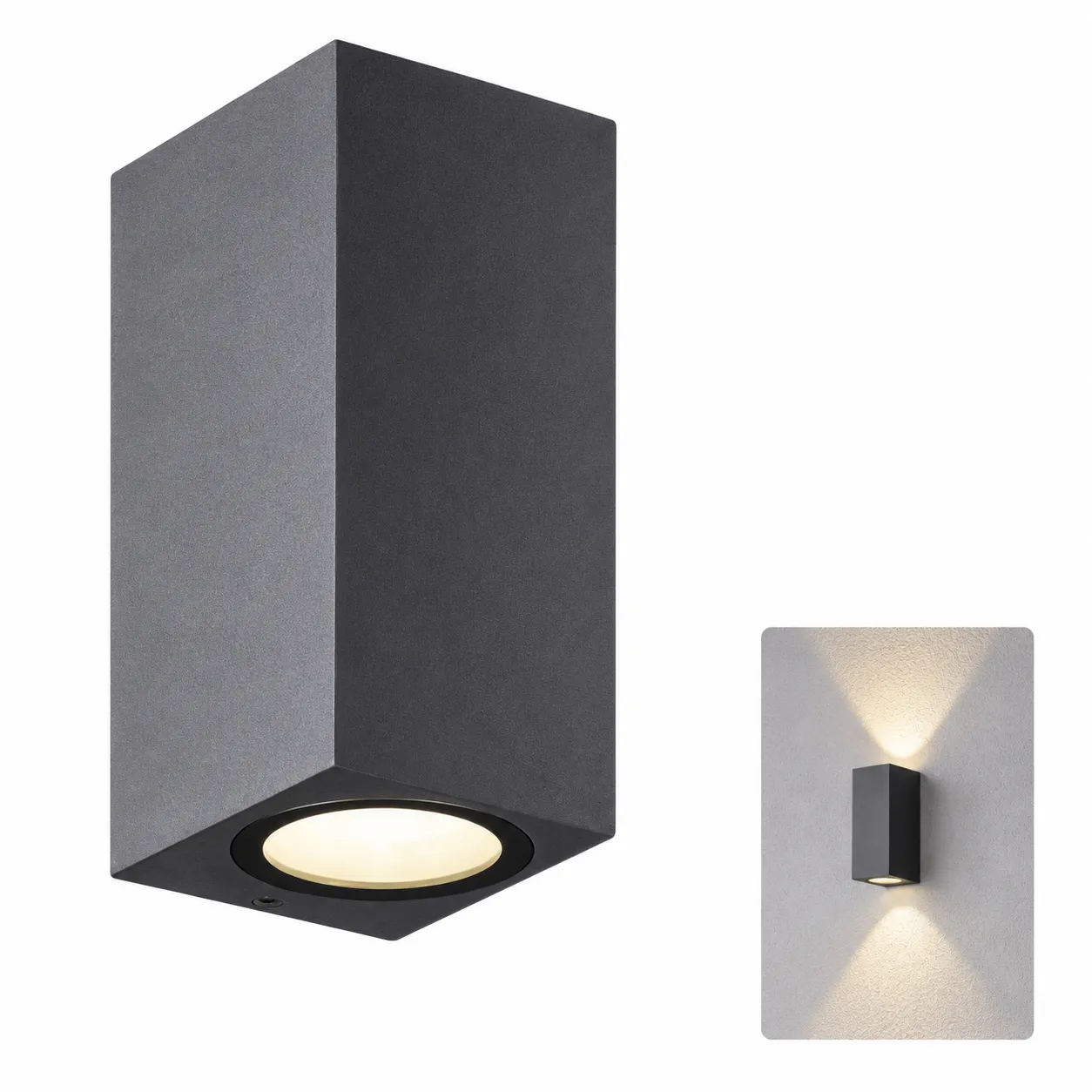
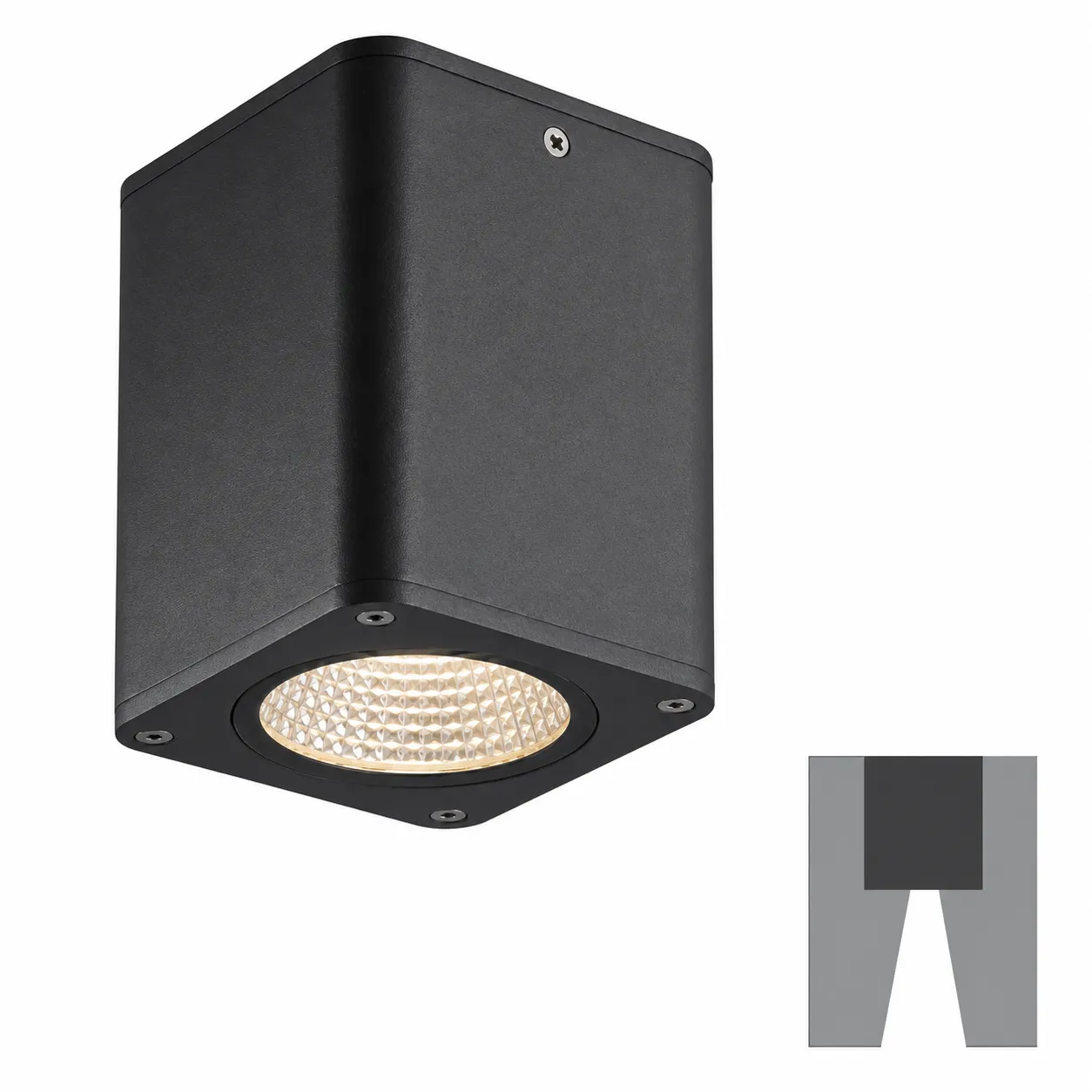
  2. 02 Up-light, down-light or bi-directional throw based on facade effect
  3. 03 Wide-beam (90°–120°) for ambient wash; narrow for sharp grazing
  4. 04 Mount height 2–3m above grade for pathway lighting; 3–6m for facade graze

What's standard across the range

Built-in quality features.

  • Die-cast aluminium body in graphite or dark grey
  • Bridgelux / Cree / Everlight LEDs
  • IP54 to IP65 sealed enclosure
  • Tempered glass or polycarbonate diffuser

In this range

All 98 models.

Tap any model for the full specifications — wattage, beam angle, brightness, dimensions, weatherproof rating and LED source. Colour temperature and colour accuracy confirmed at quotation.

FAQs

Common buyer questions.

Quick answers to the questions we hear most often about this range.

What is the difference between up-down and single-direction wall lights?

Up-down fixtures throw light both upward and downward, creating the twin triangular wash common on entrance walls and boundary piers. Single-direction fixtures light one way only — better where you want to avoid upward spill or light trespass.

What mounting height suits an outdoor wall light?

Around 1.8 to 2.2 metres for entrance and pathway lighting — roughly eye level or just above. Higher placements spread light more widely but lose the intimacy; lower placements risk glare directly into the eye.

What IP rating do surface wall lights need?

IP65 for exposed elevations. IP54 is acceptable under a deep canopy or covered porch. If the wall faces the prevailing monsoon direction, treat it as fully exposed regardless of any overhang.

Will up-down wall lights cause light pollution?

The upward component can, particularly on tall walls with no soffit above. Where dark-sky considerations apply, use a downward-only fixture or one with a shielded upper aperture, and avoid mounting up-down fixtures at the top of a wall where the upward beam simply escapes.