

Quick answer

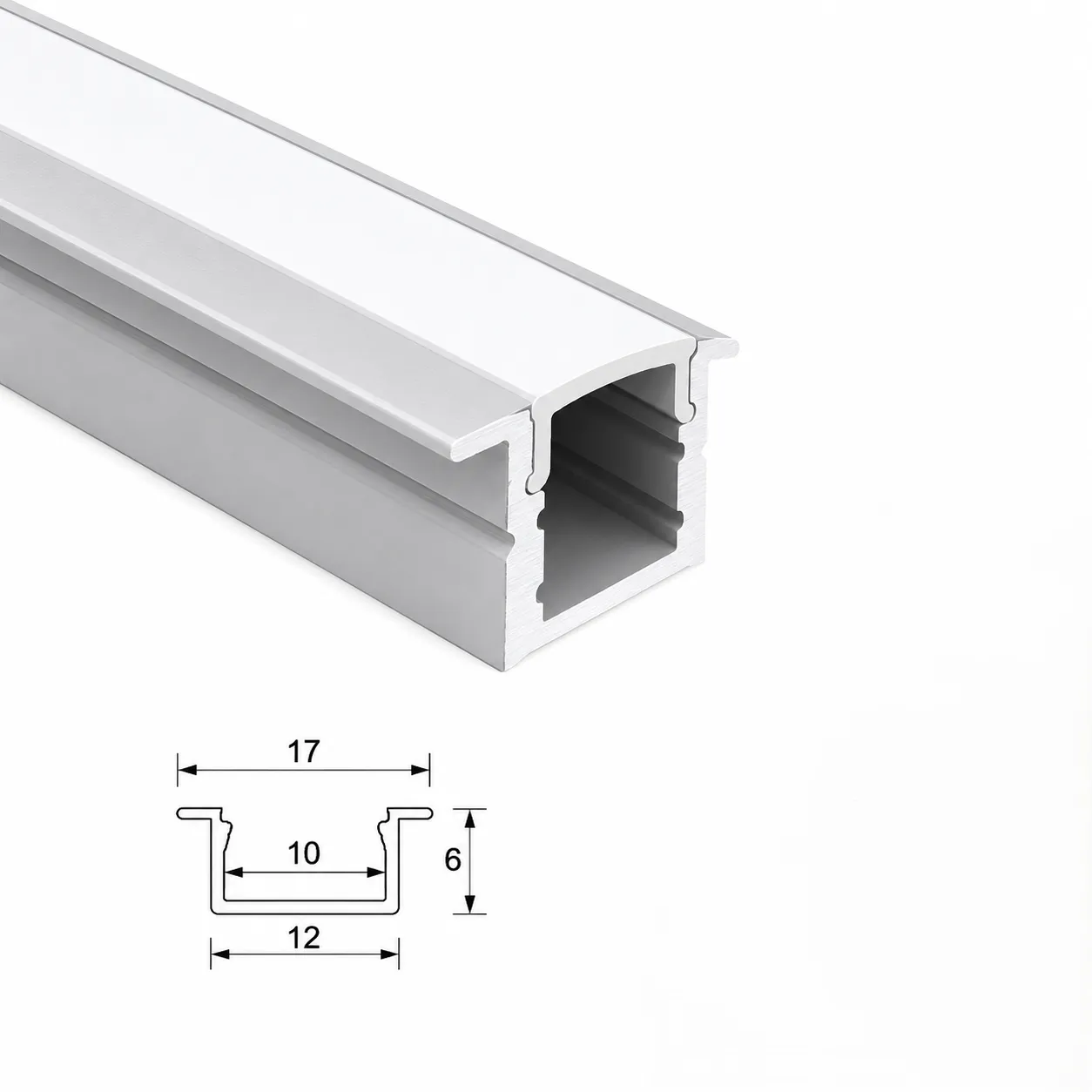
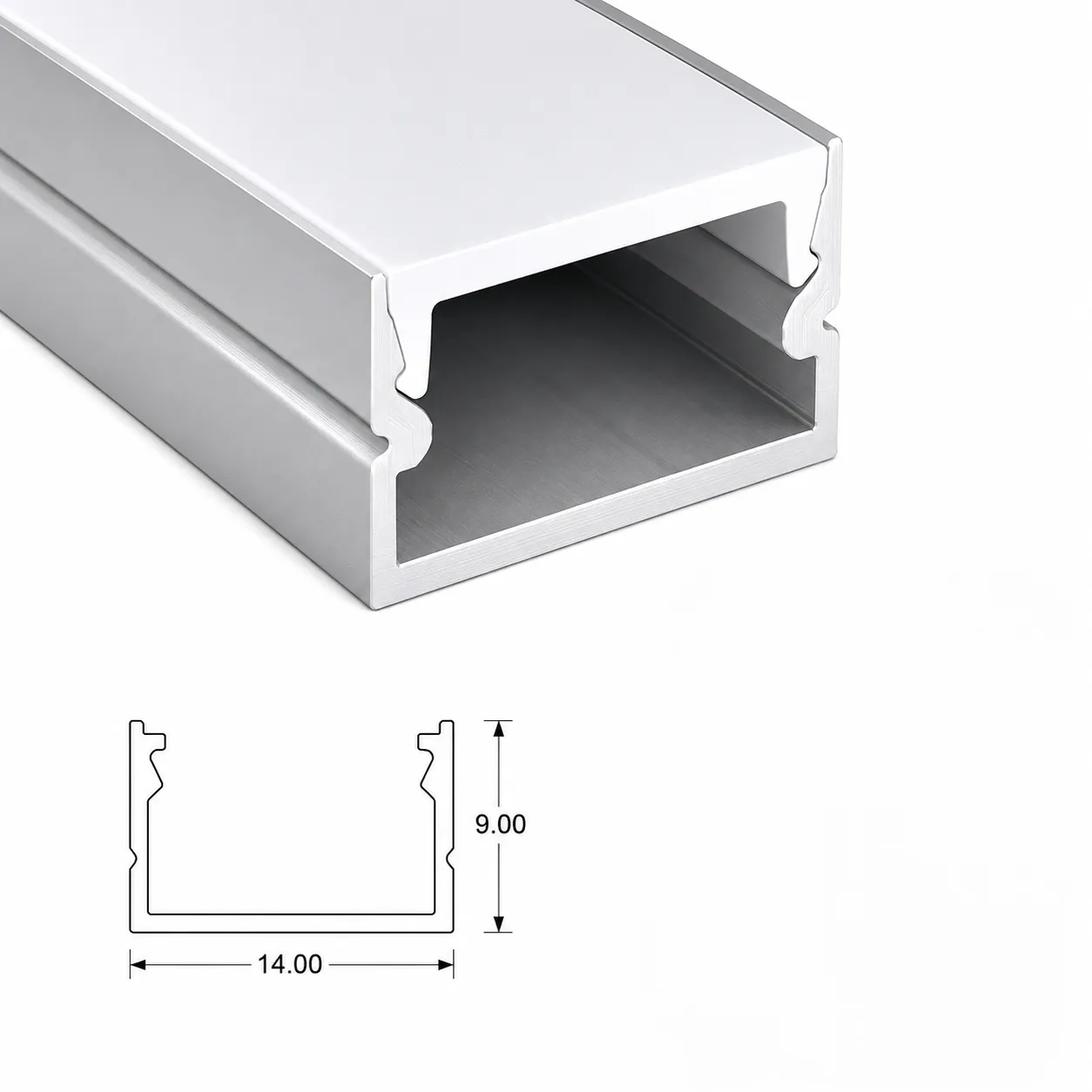
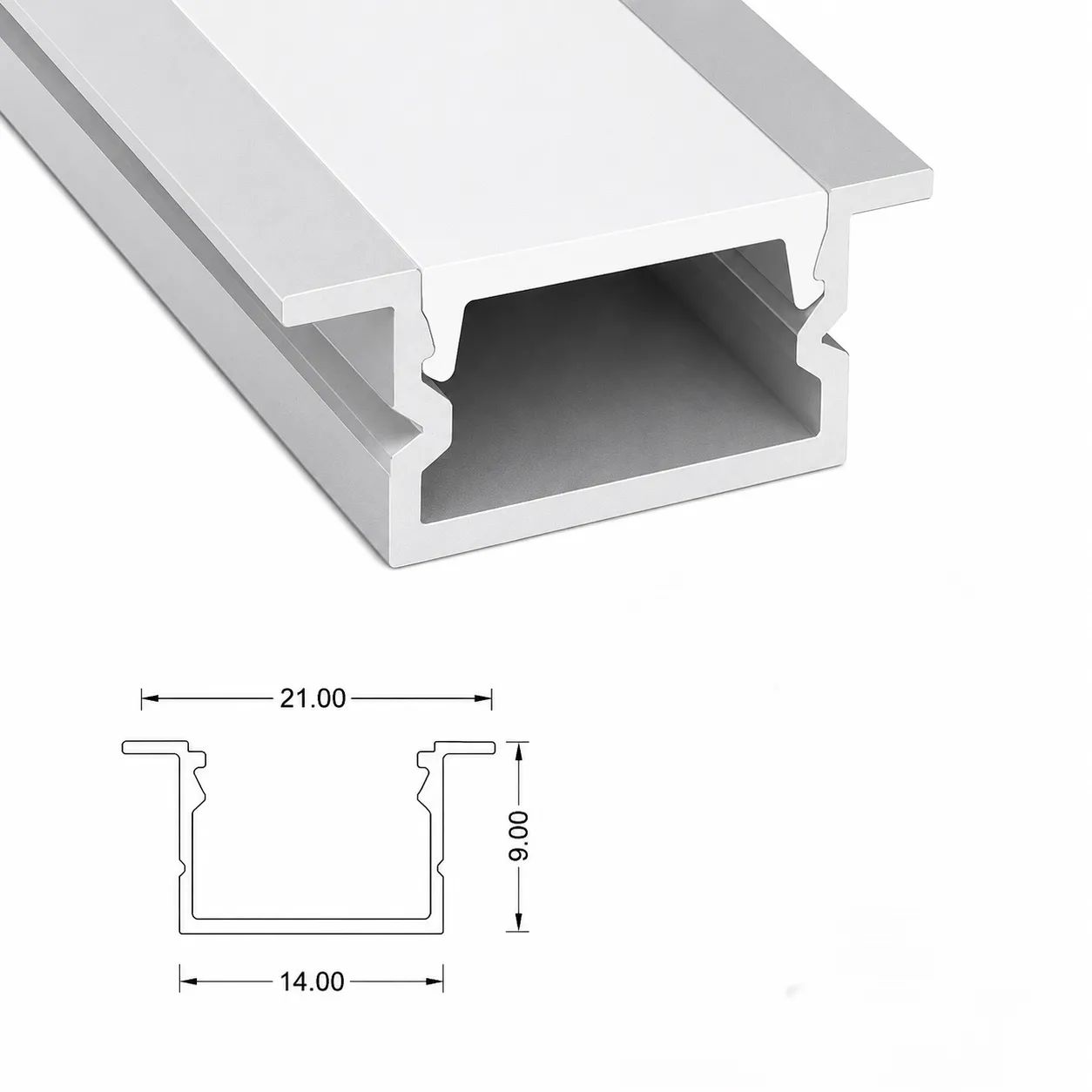
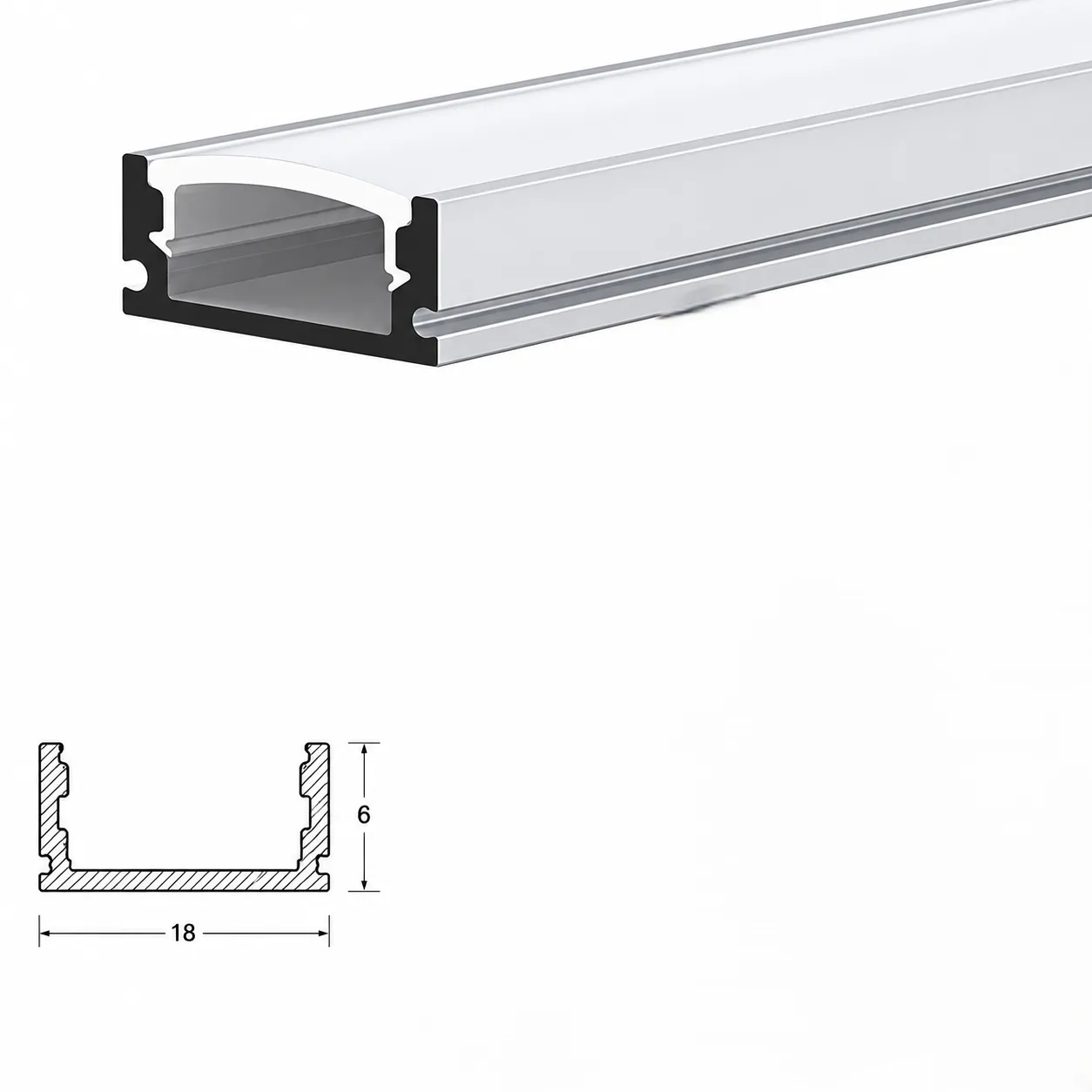
Linear profile lights are aluminium channels with integrated LED strips and diffuser caps, used for continuous architectural lines along ceilings, walls, coves and furniture. Bright Ideas Ahmedabad supplies 53 linear profile models across 7 families — standard, corner, furniture, deep, large, hanging and round — cut-to-length on order, with dimming and colour-temperature options available on enquiry.

Linear profile lights at a glance
Total models53 profiles across 7 families
FamiliesStandard · Corner · Furniture · Deep · Large · Hanging · Round
Width range7mm to 100mm
Mount typesSurface · Conceal / Recessed · Corner · Suspended
LengthsCut-to-length on order
Specs & priceWattage, CCT, CRI and driver on enquiry

Indoor Lighting · Linear Profile

53 profiles, endless architectural lines.

Architectural LED linear profile lights — recessed cove, surface ceiling lines, corner reveals, hanging pendants, furniture profiles and indirect washers. From 7mm narrow profiles for delicate accents to 100mm wide profiles for offices and commercial spaces. All profiles cut-to-length on order, with wattage, colour temperature and driver options confirmed at quotation.

53 models 7 families 7mm – 100mm widths Cut-to-length Custom finishes

Where linear profile fits

Applications & typical projects.

Linear profile is the workhorse of architectural cove and reveal lighting. The kinds of spaces where we install profile lighting most often:

  • Residential — living-room coves, kitchen counter accents, bedroom headboards, wardrobe reveals, bathroom mirror grazers
  • Hotels — guest-room perimeters, lobby coves, restaurant ceiling lines, corridor washers, bar back-lights
  • Offices — meeting-room ceiling reveals, reception accent lighting, cabin perimeter, open-plan cove
  • Retail showrooms — display shelves, product spotlights, perimeter cove, signage backlighting
  • Education — library reading-room coves, lecture-hall reveals, foyer accent lighting
  • Architectural feature lighting — stair-void up-lights, double-height ceiling washes, curtain grazers, indirect ceiling lighting

A quick buyer's guide

How to choose a linear profile.

Five decisions that shape the right profile for your room — from mount type to size to the room it's lighting.

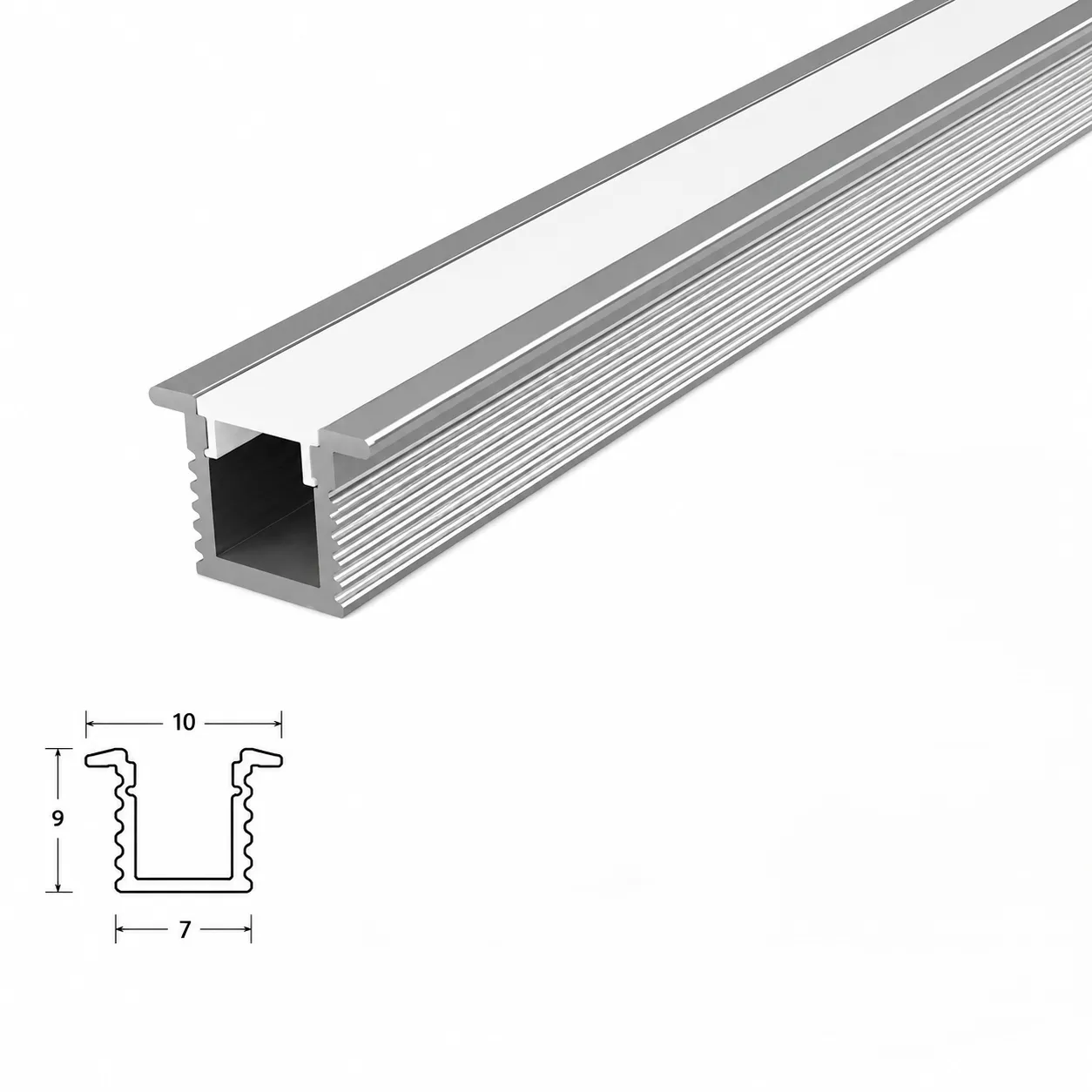
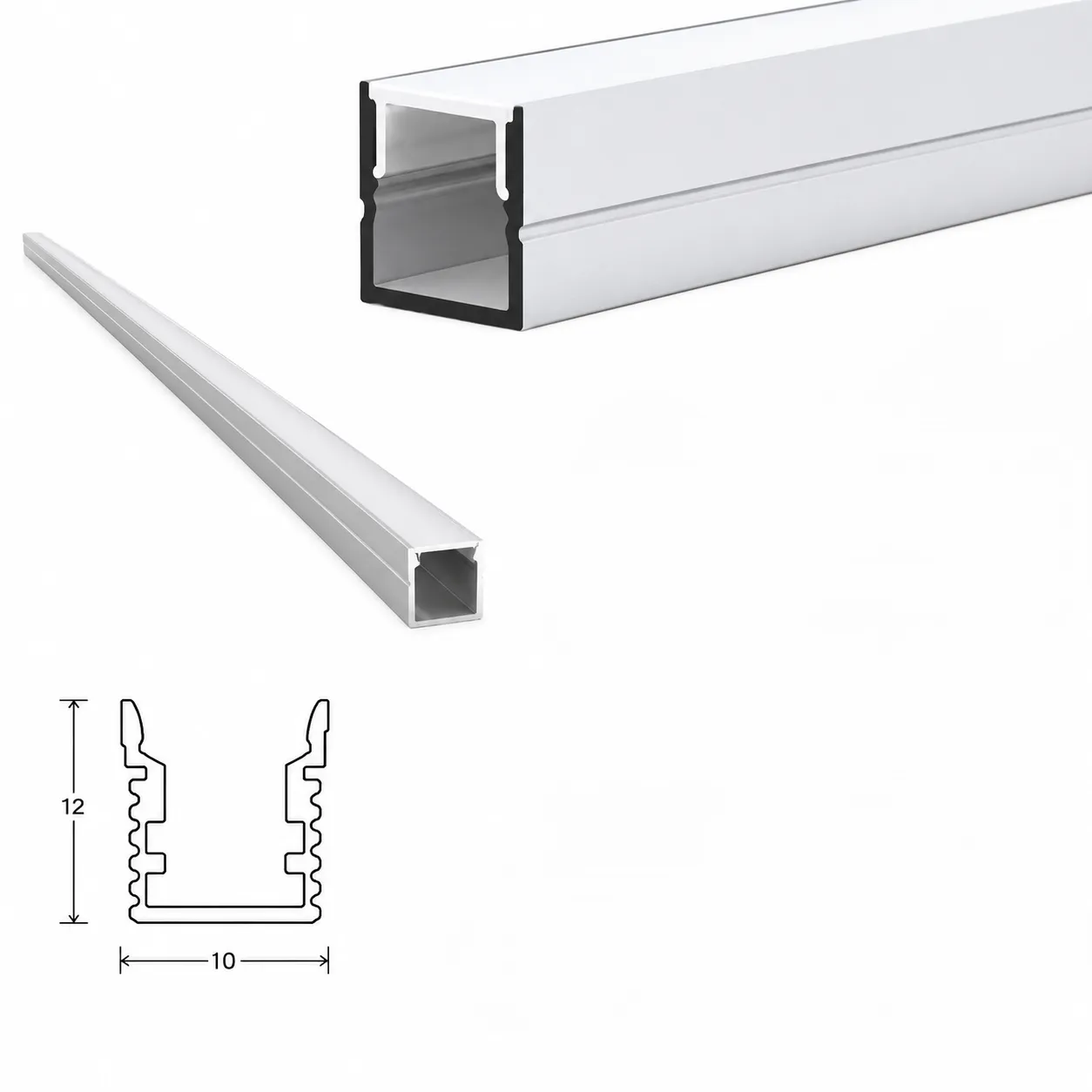
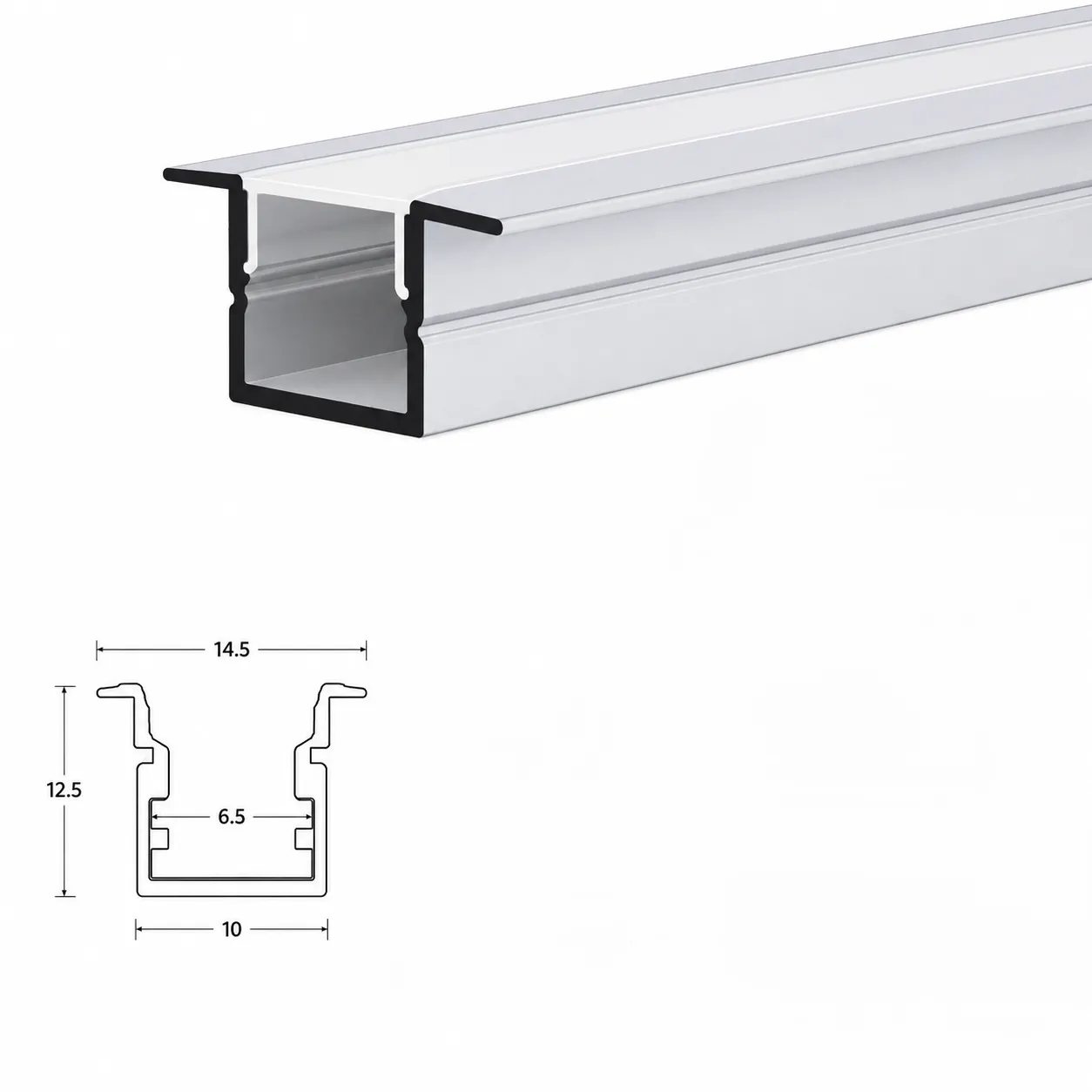
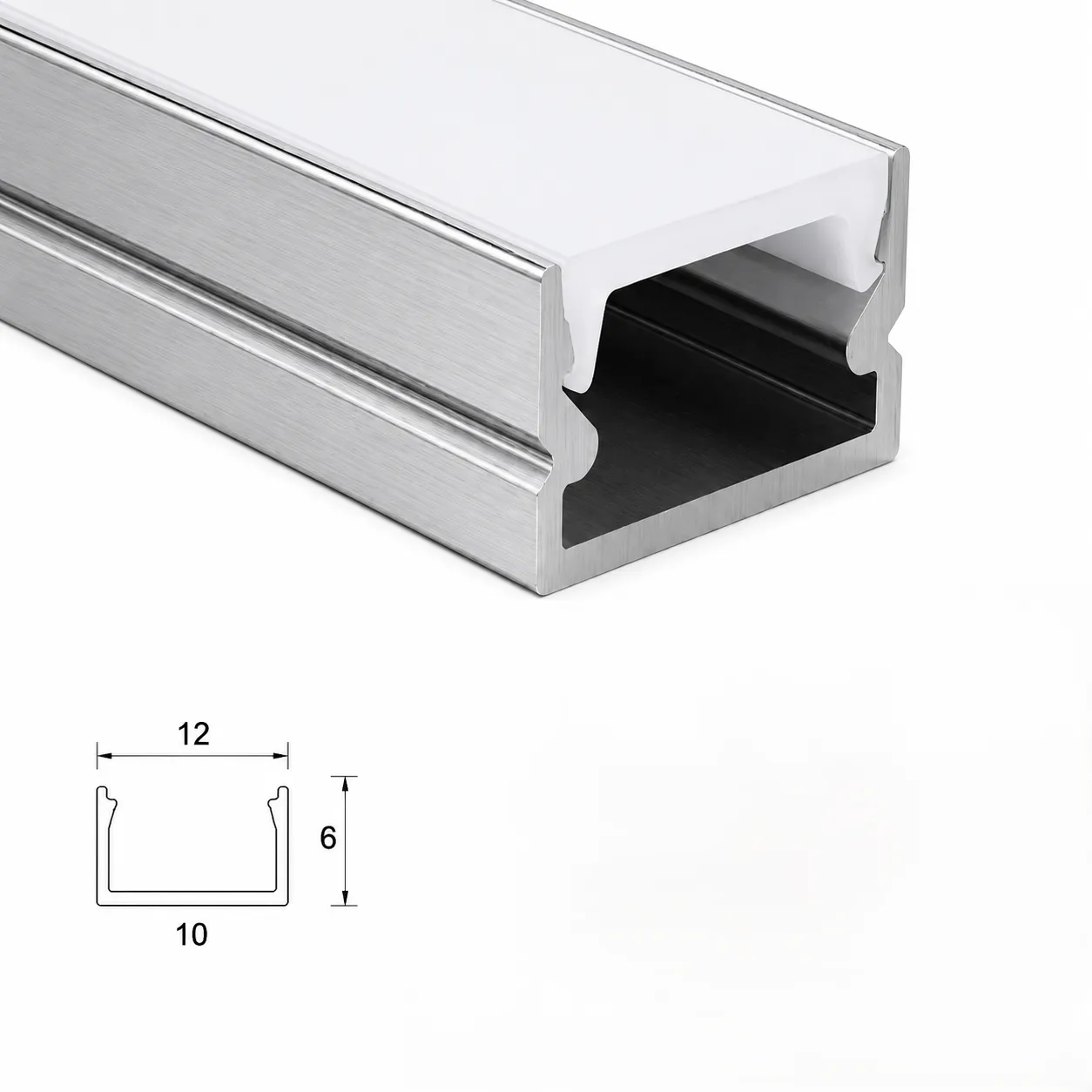
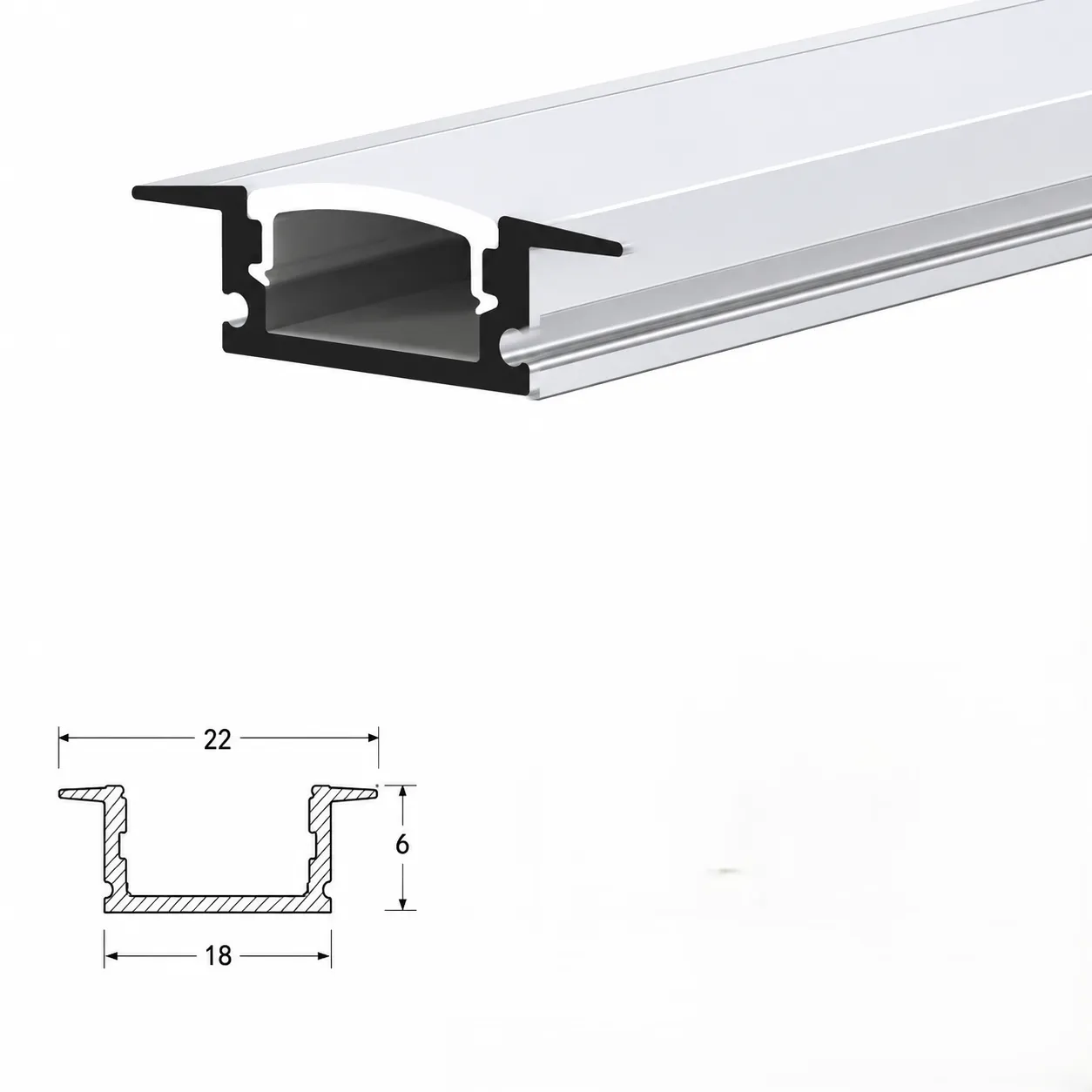
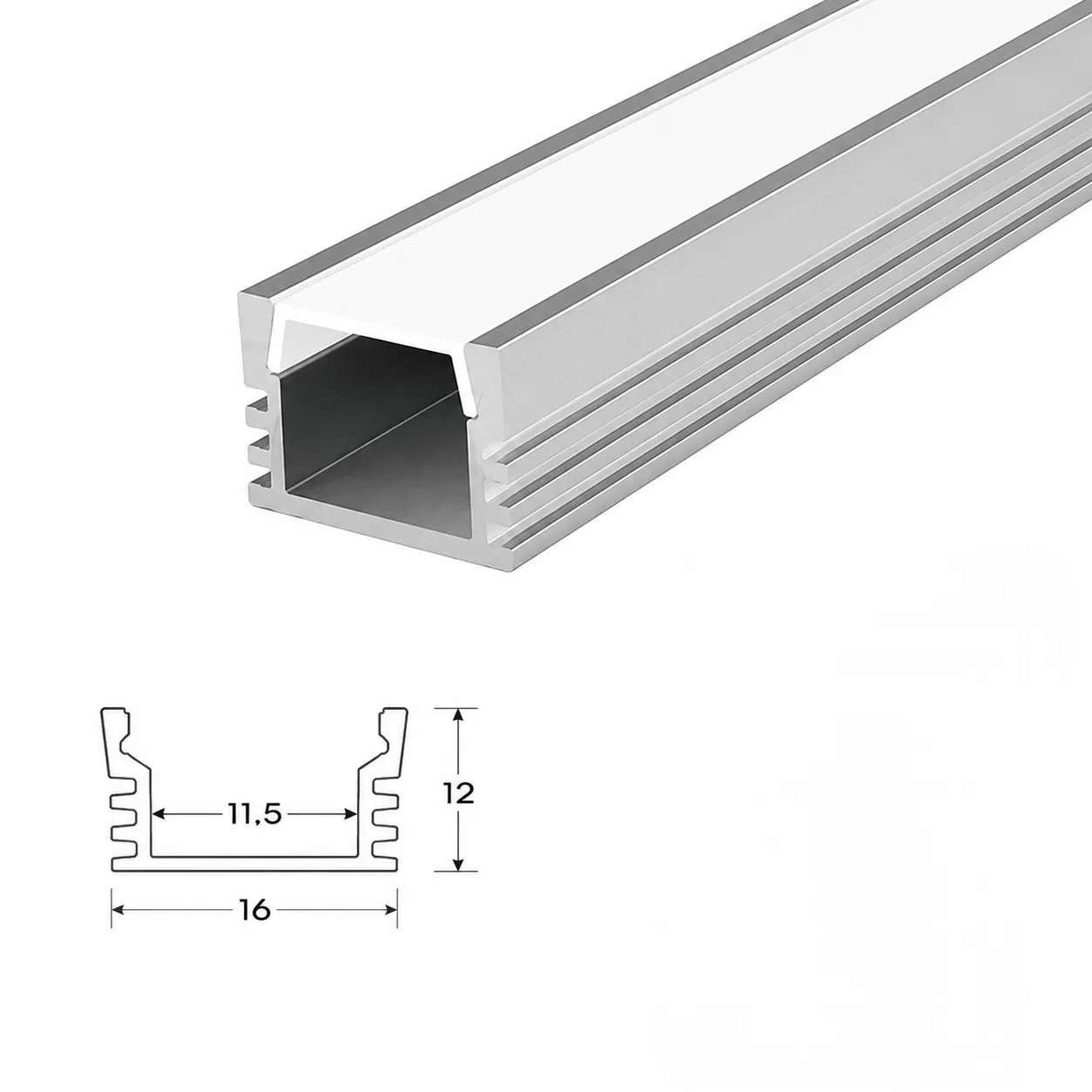
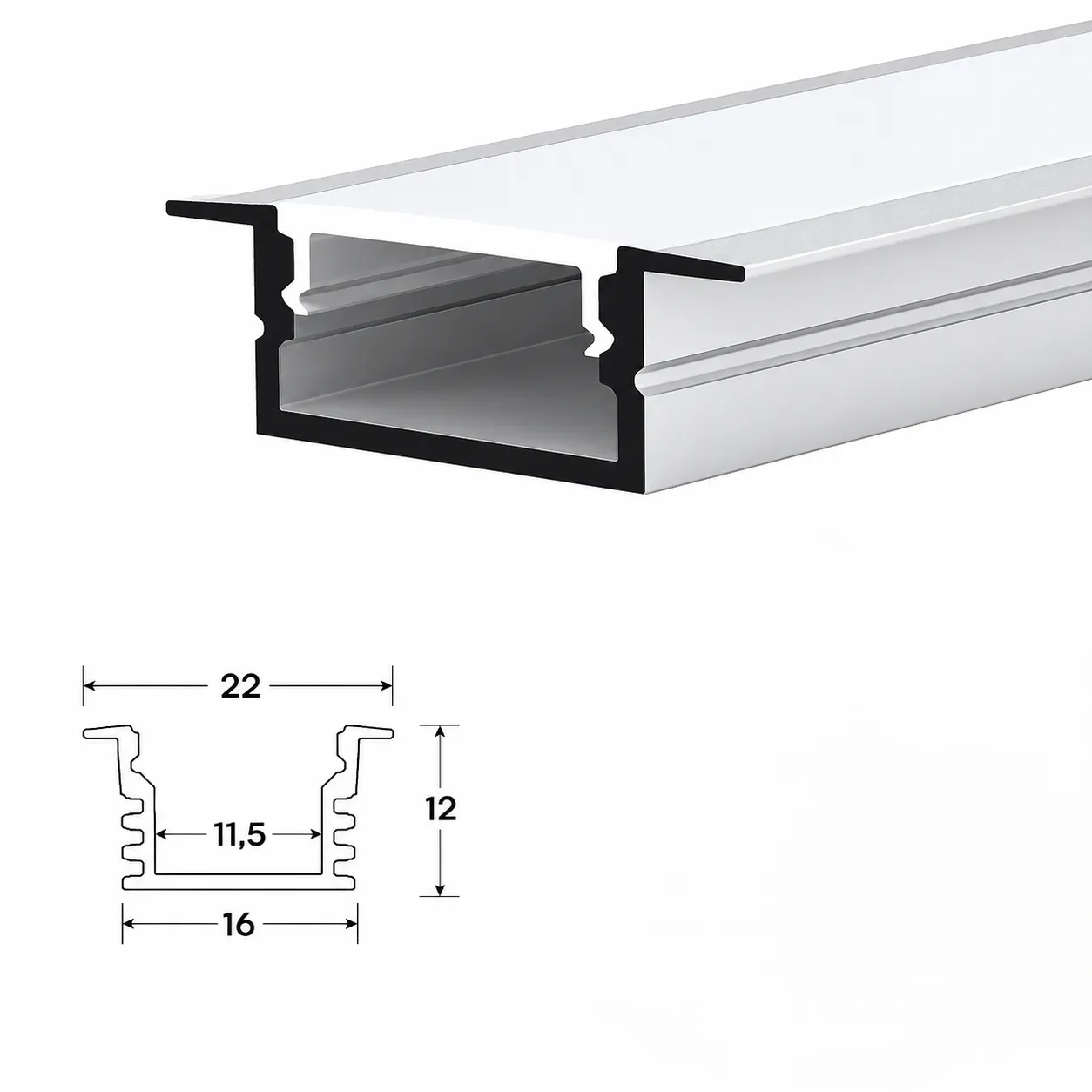
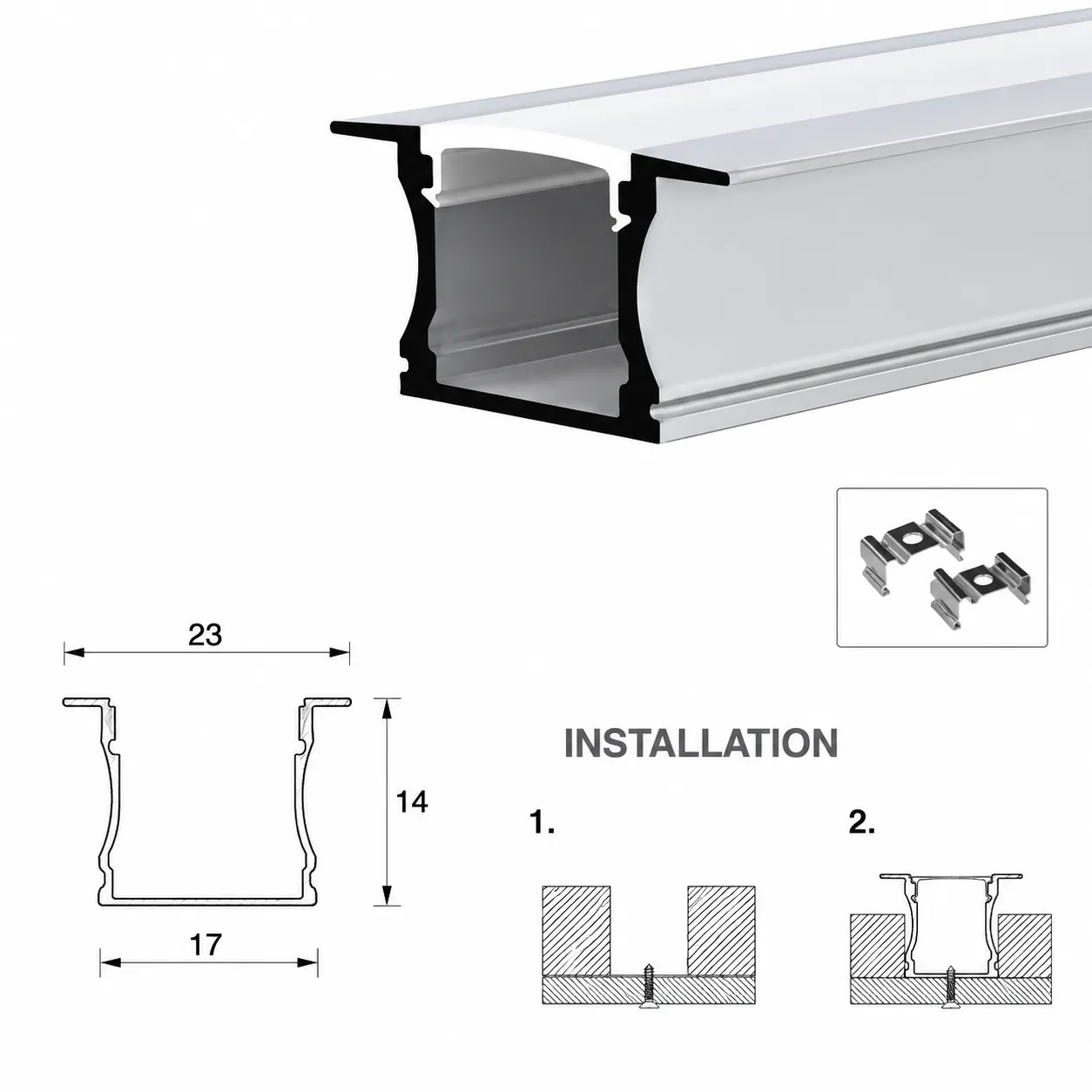
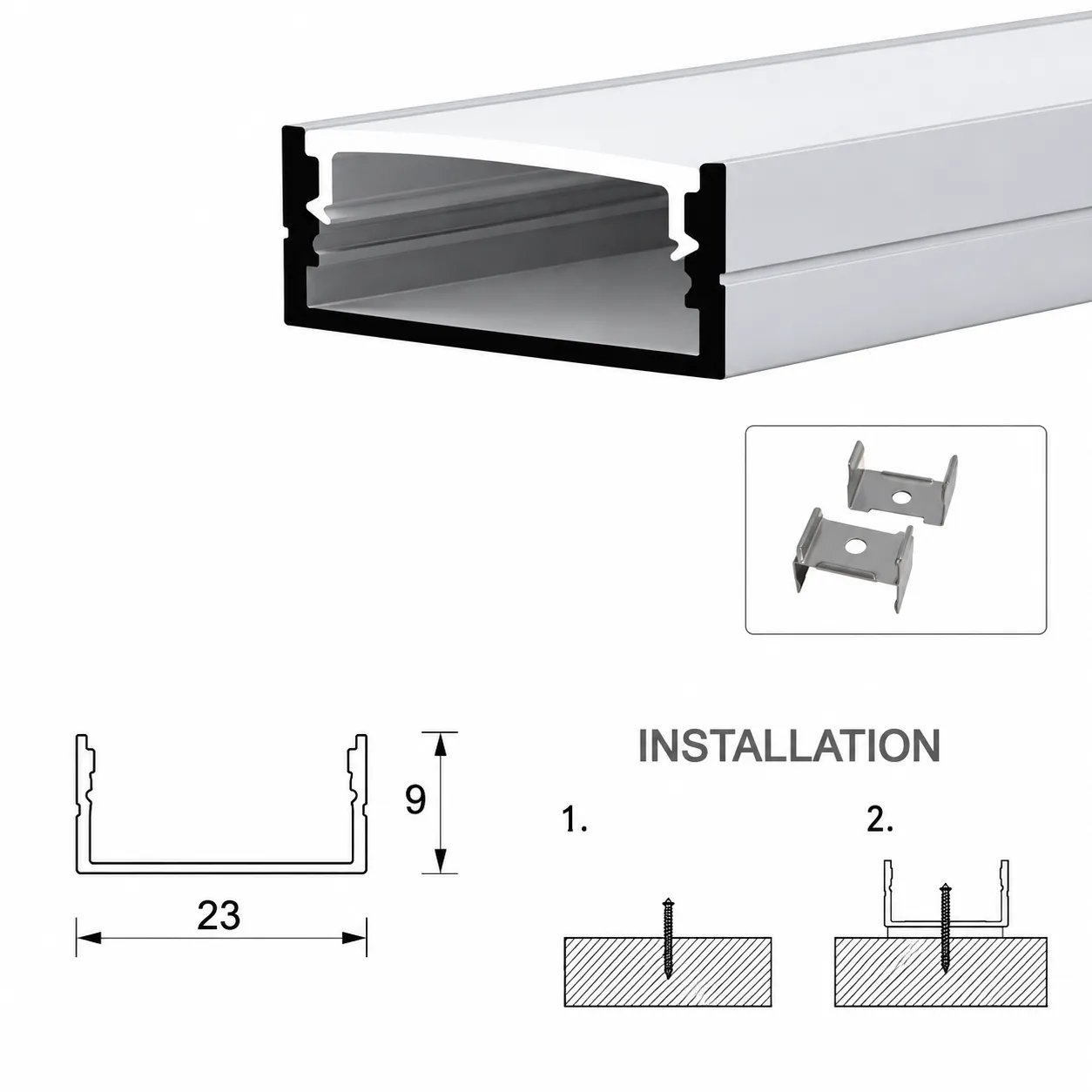
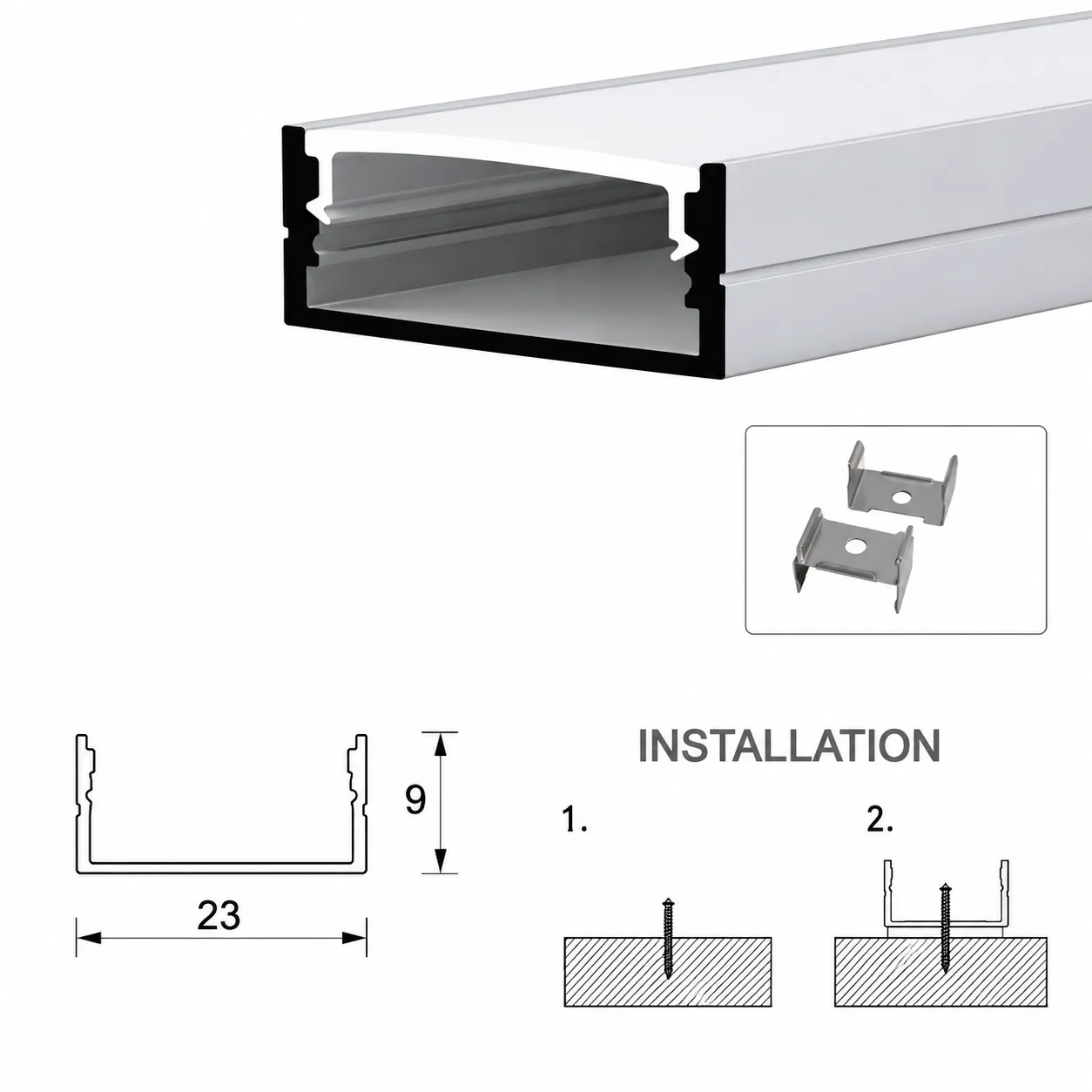
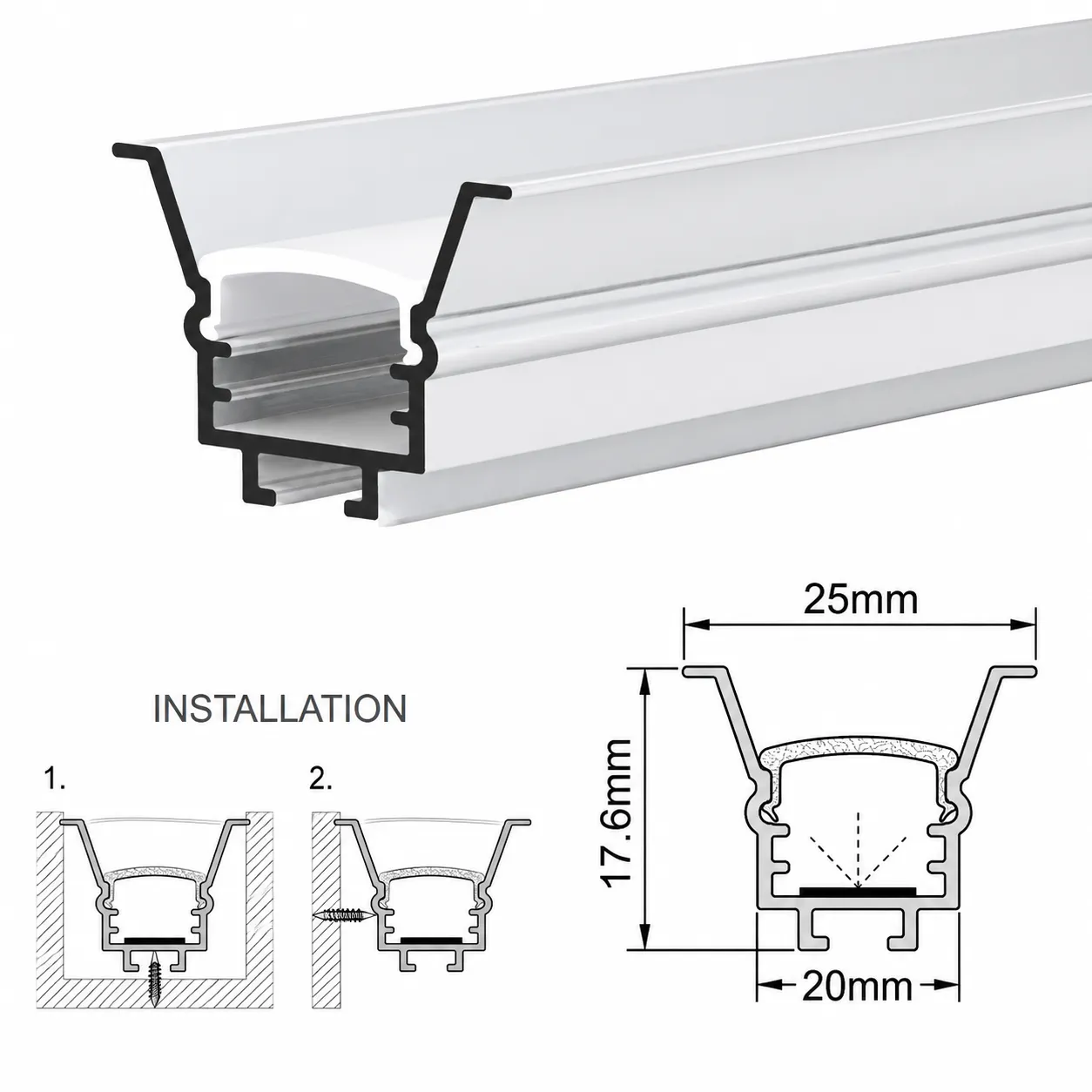
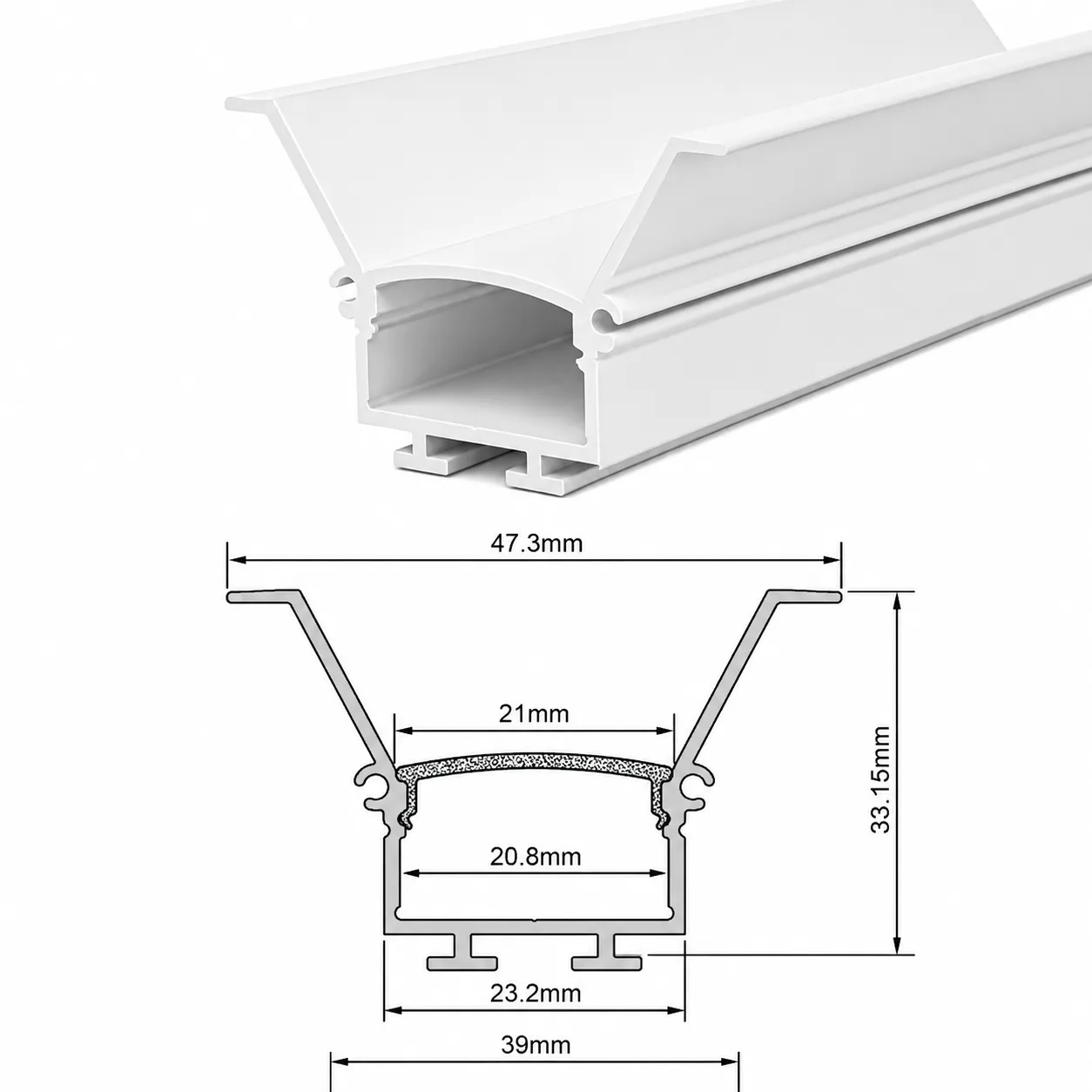
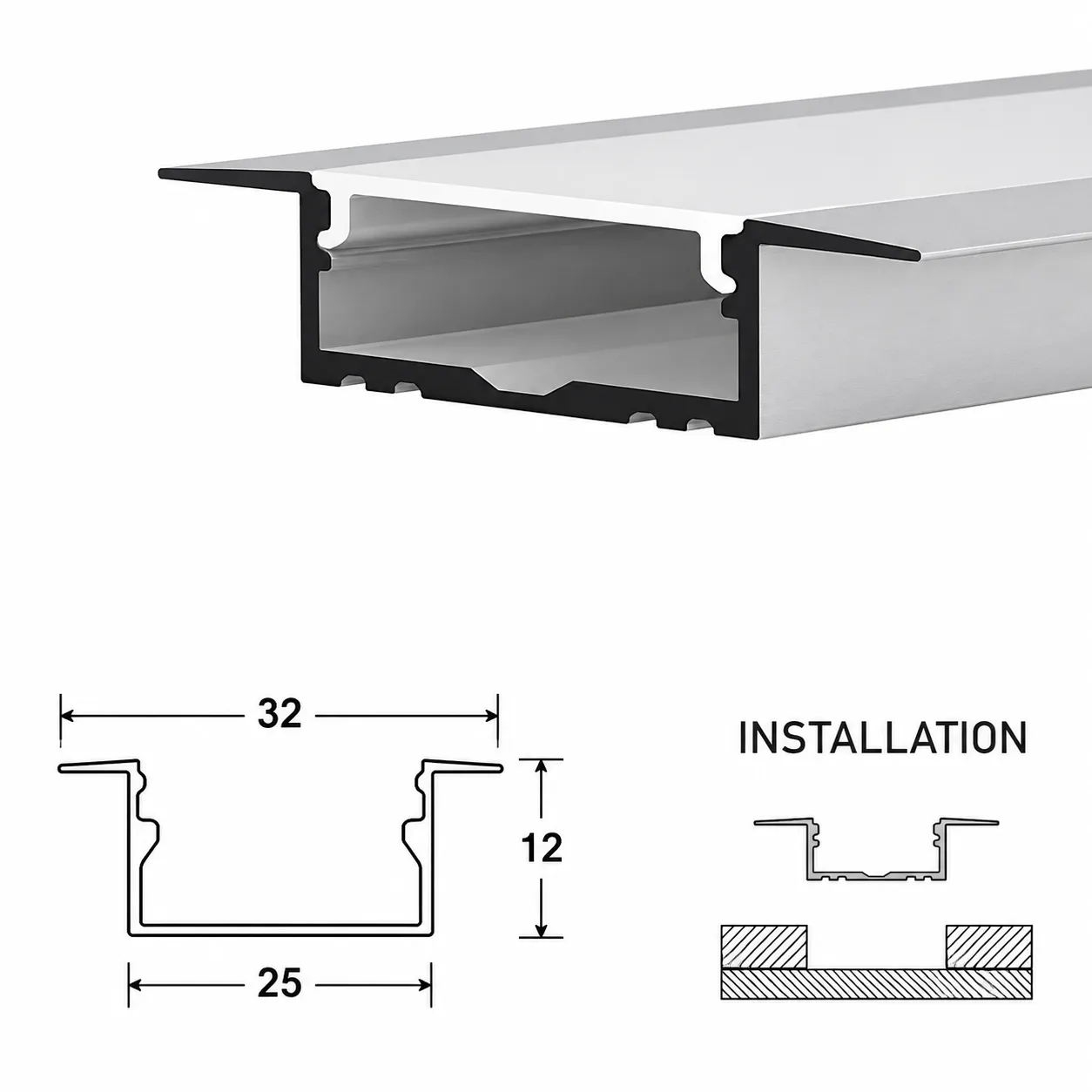
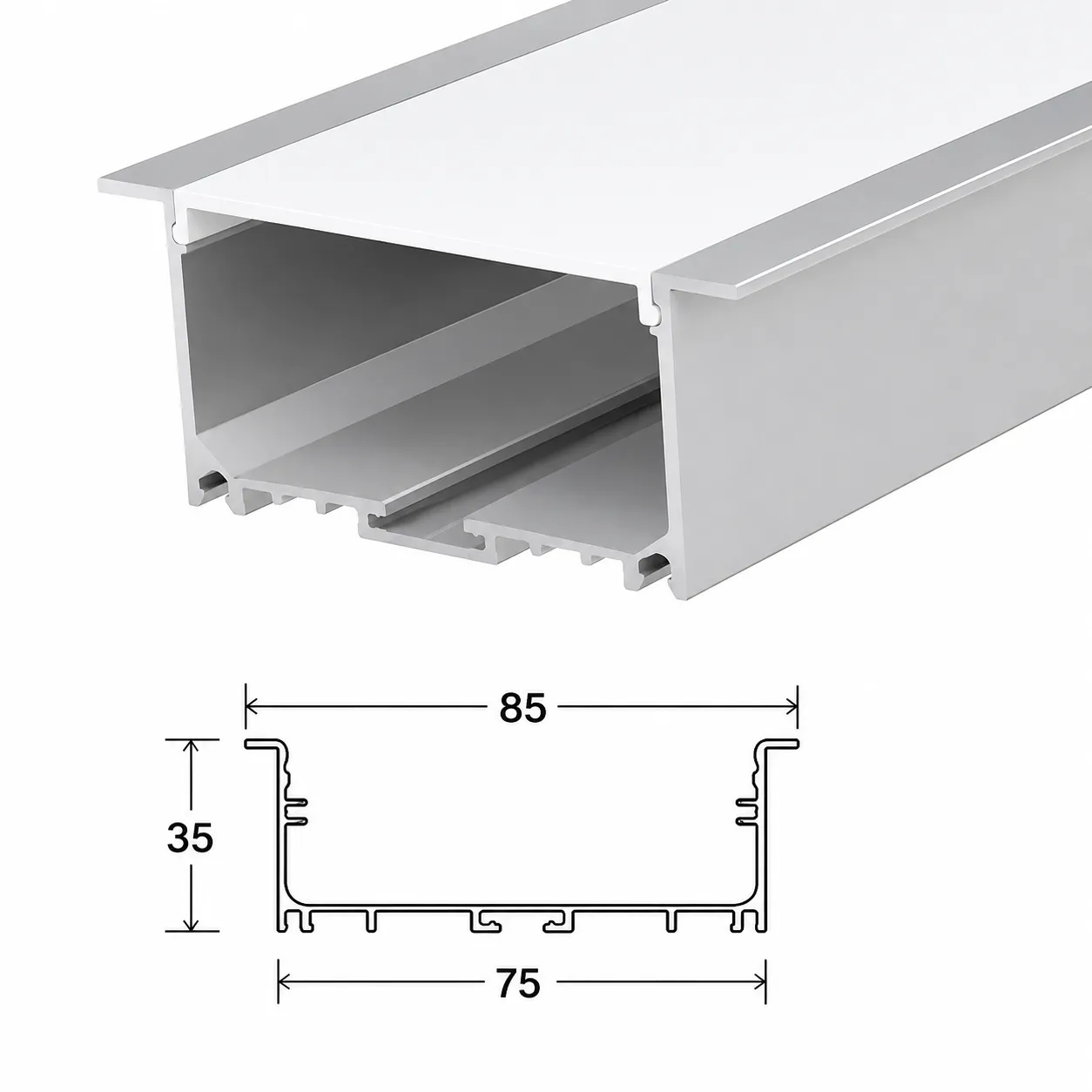
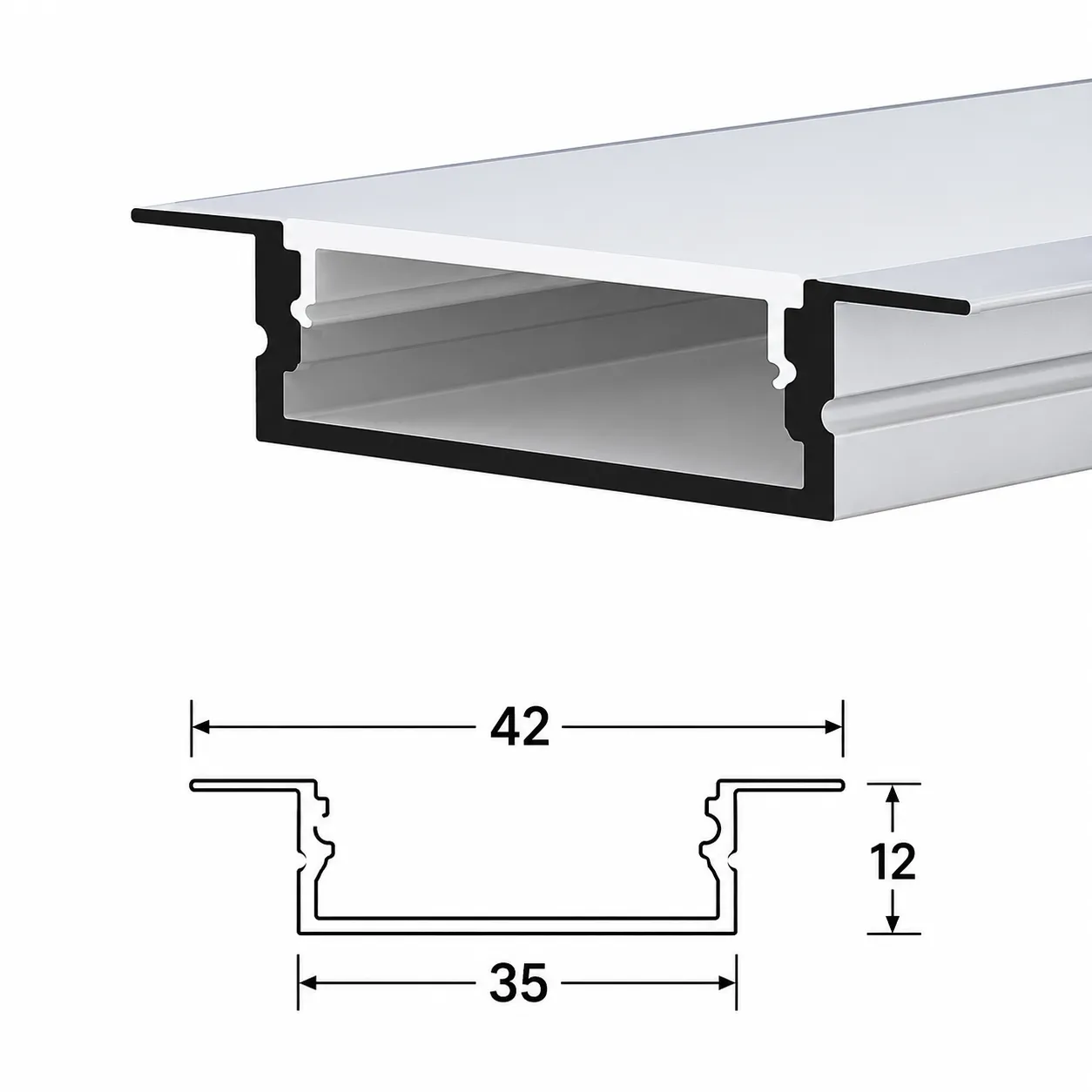
  1. 01Mount type. Surface profiles sit on top of the ceiling or wall — easier to install, retrofit-friendly. Conceal (recessed/trimless) profiles sink flush into the ceiling for a cleaner architectural finish but need a channel cut at construction stage.
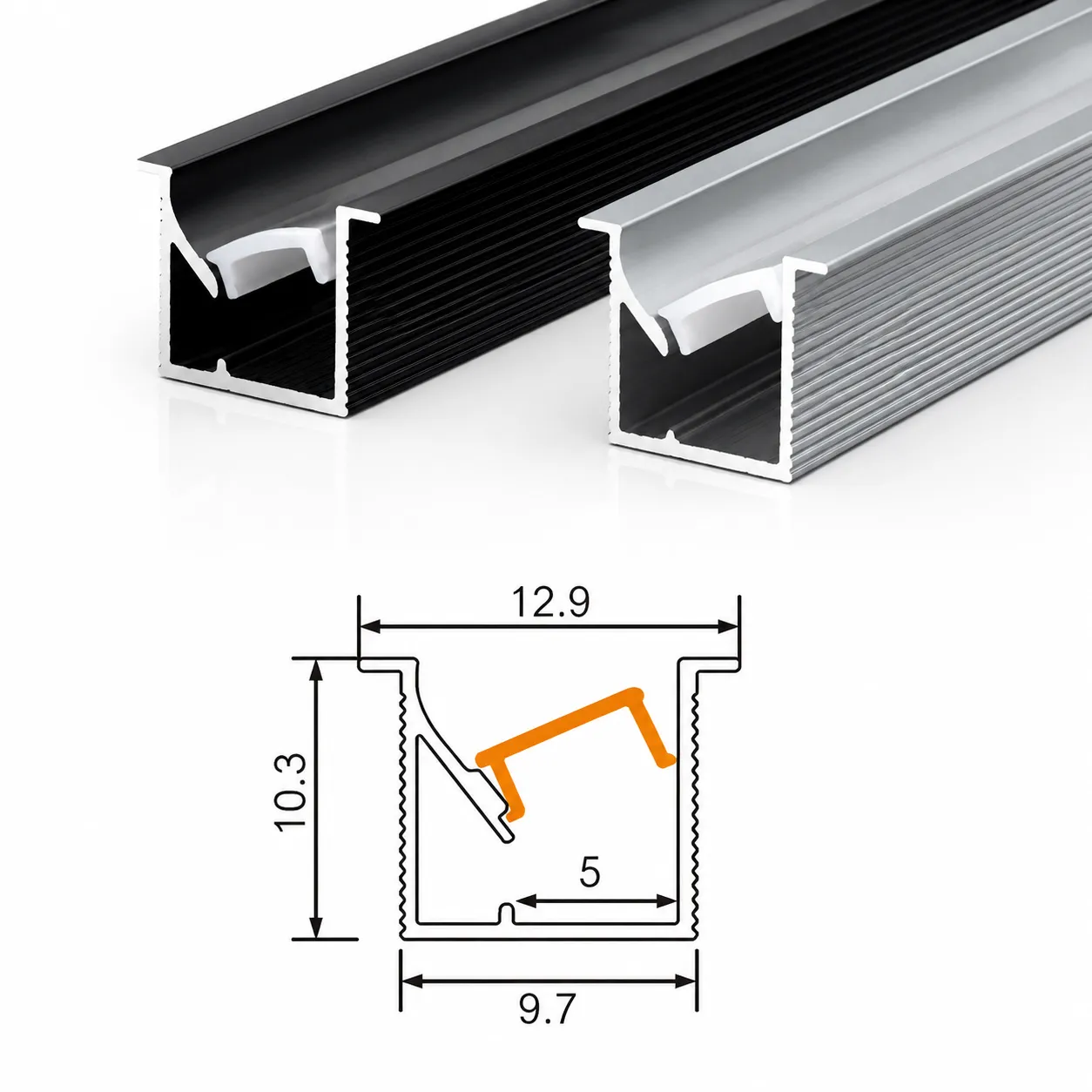
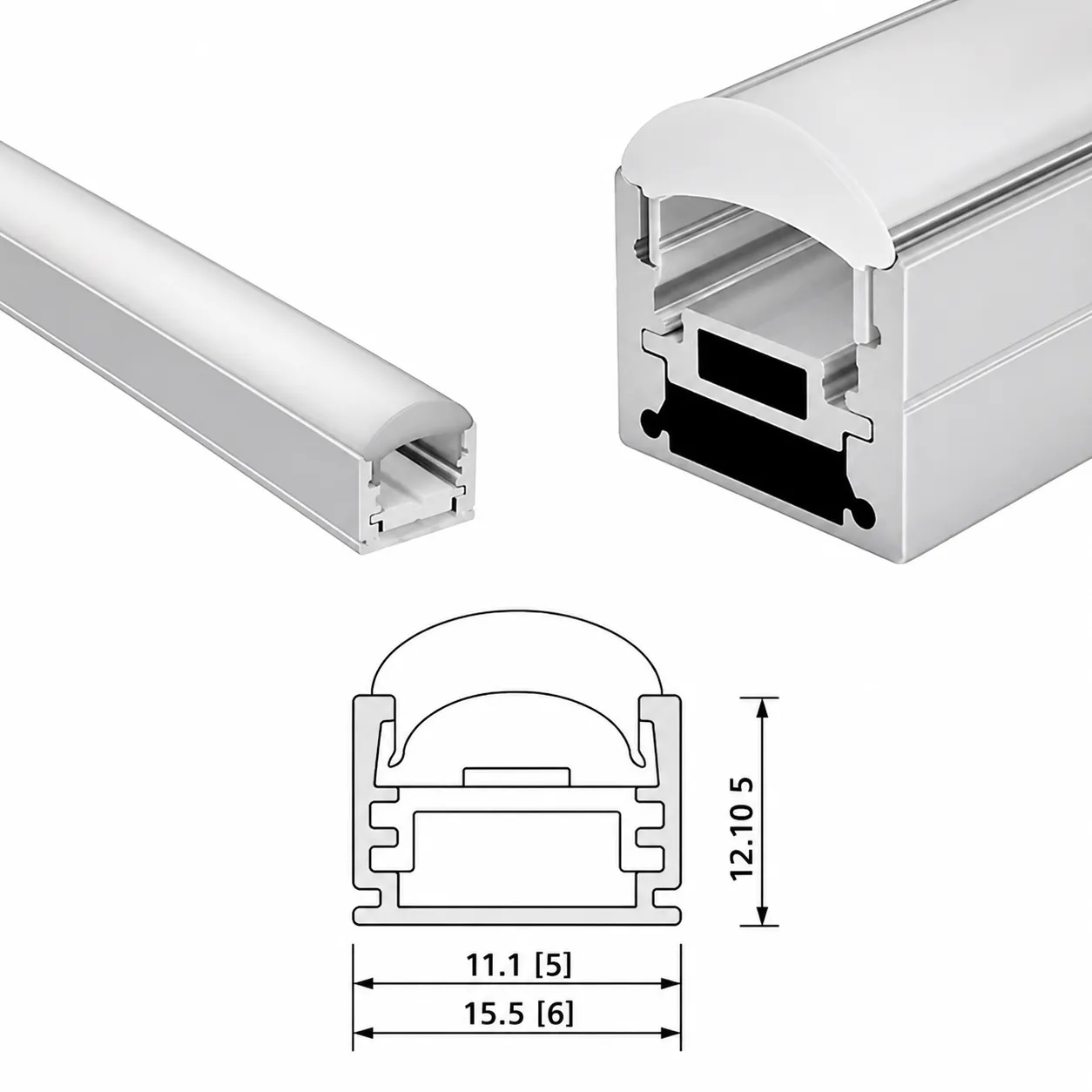
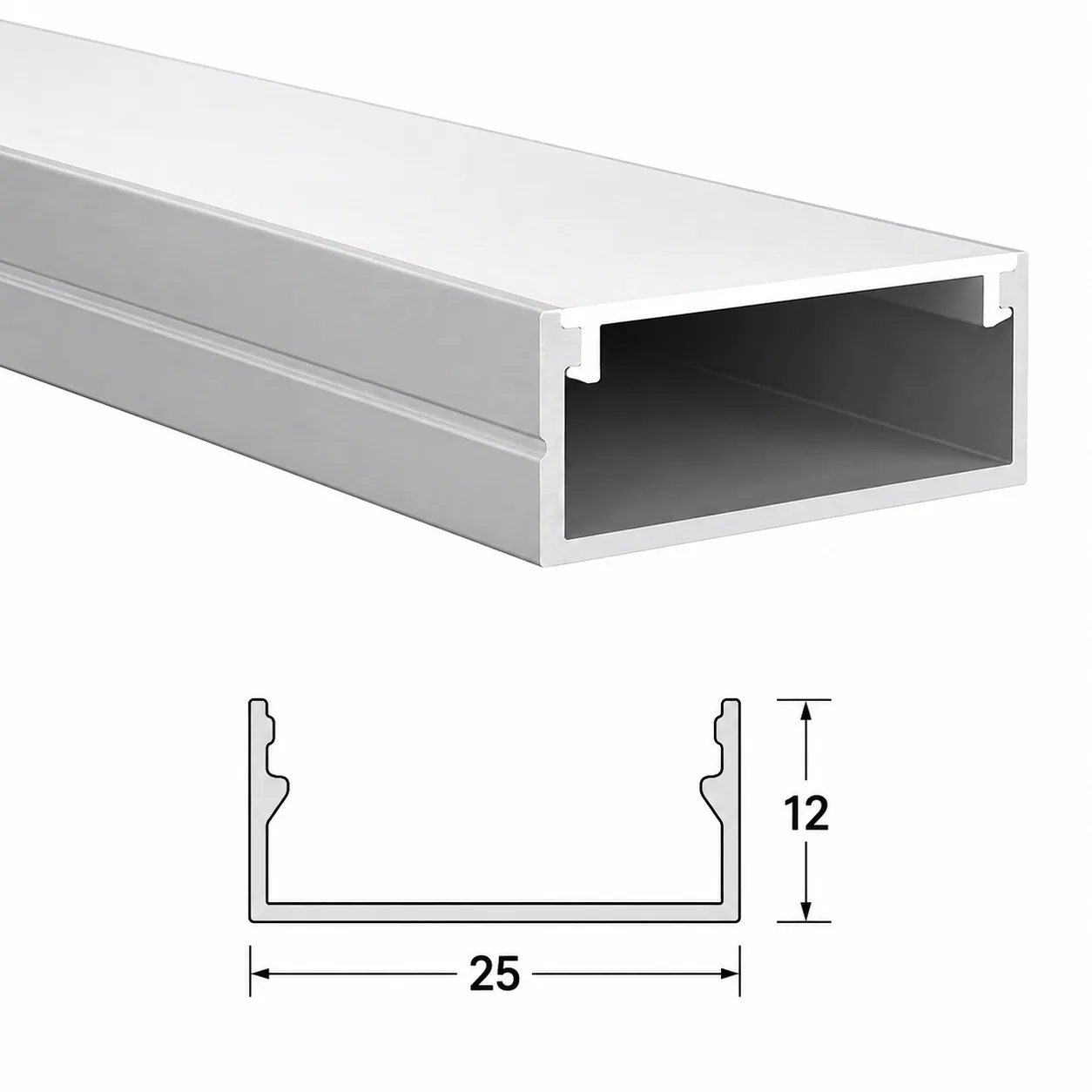
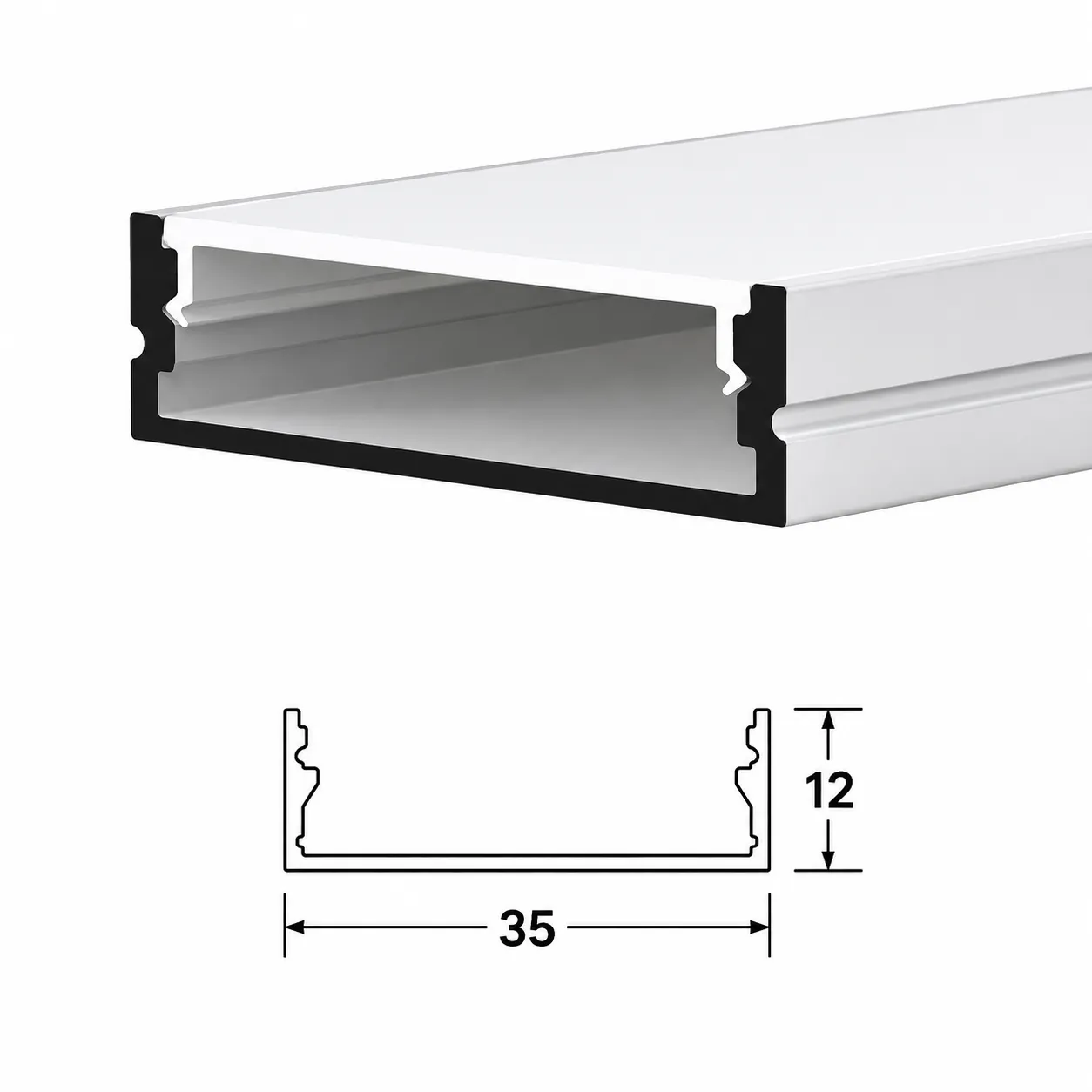
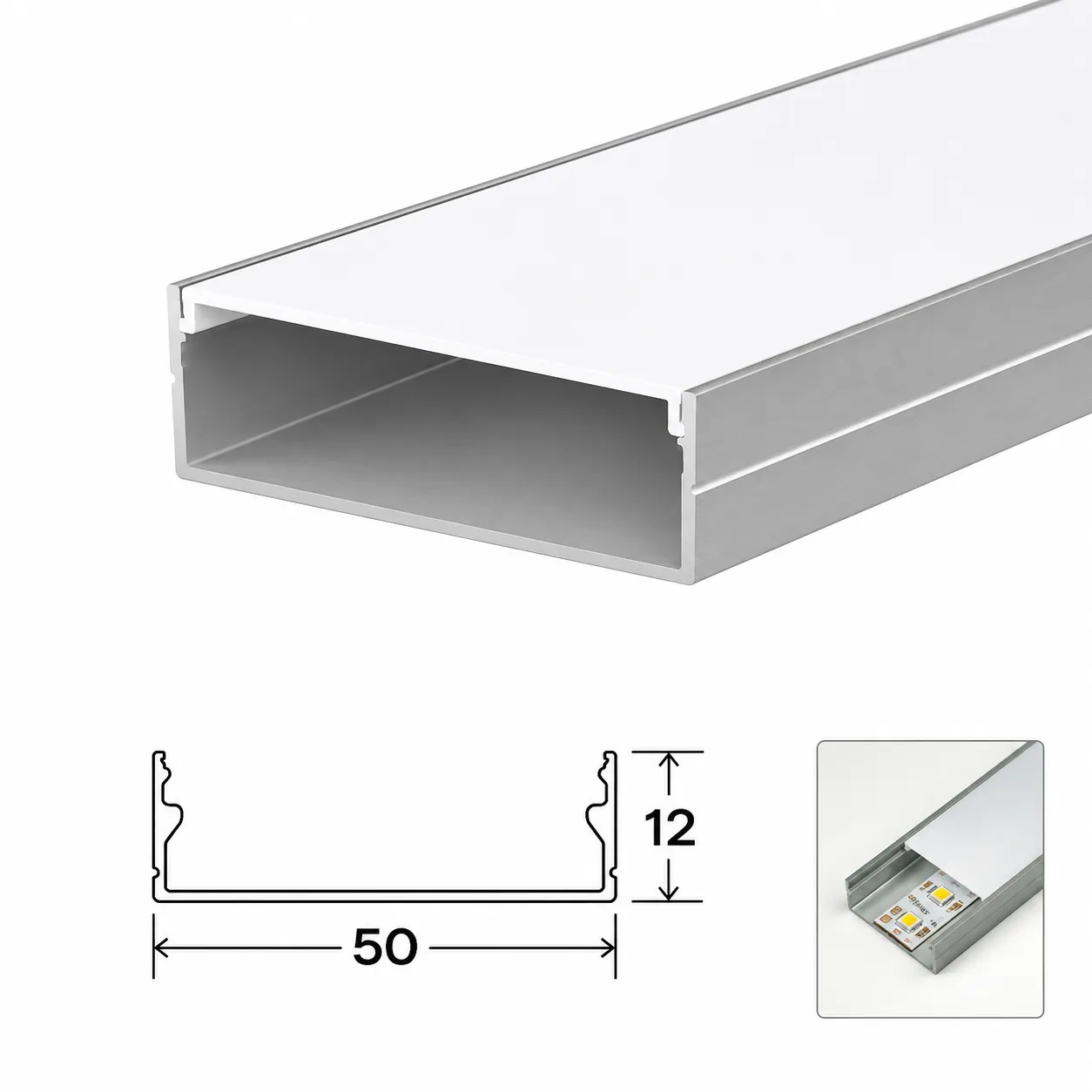
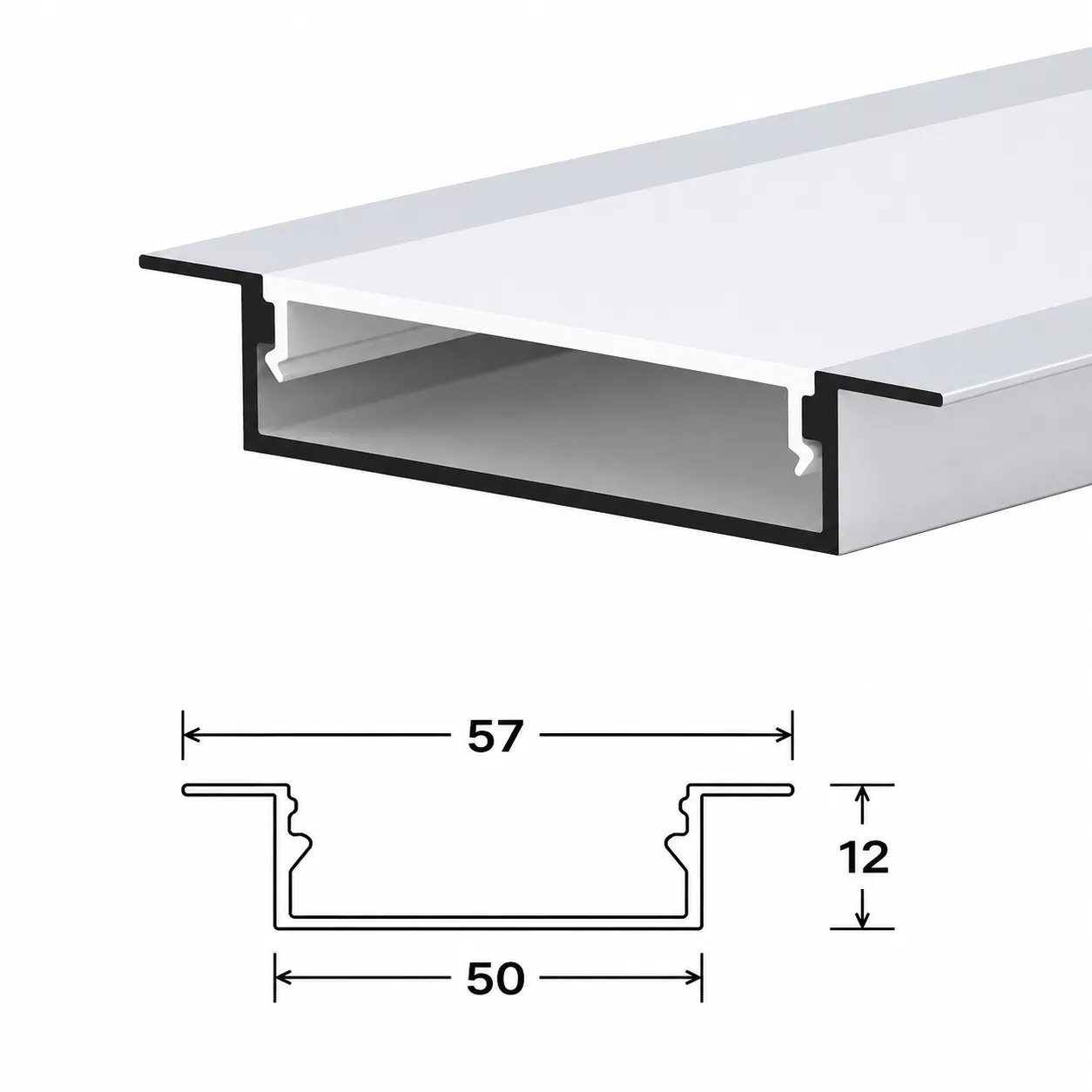
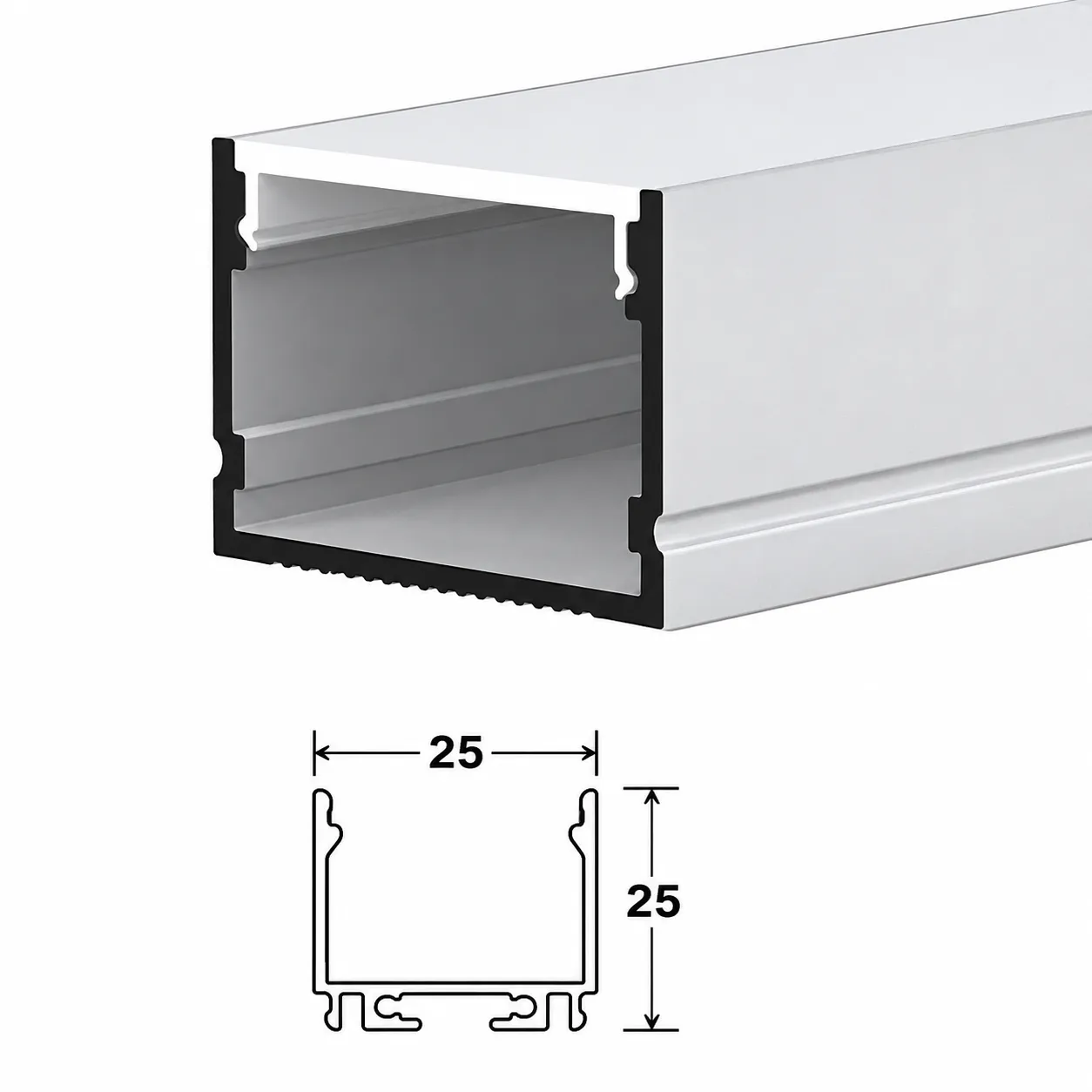
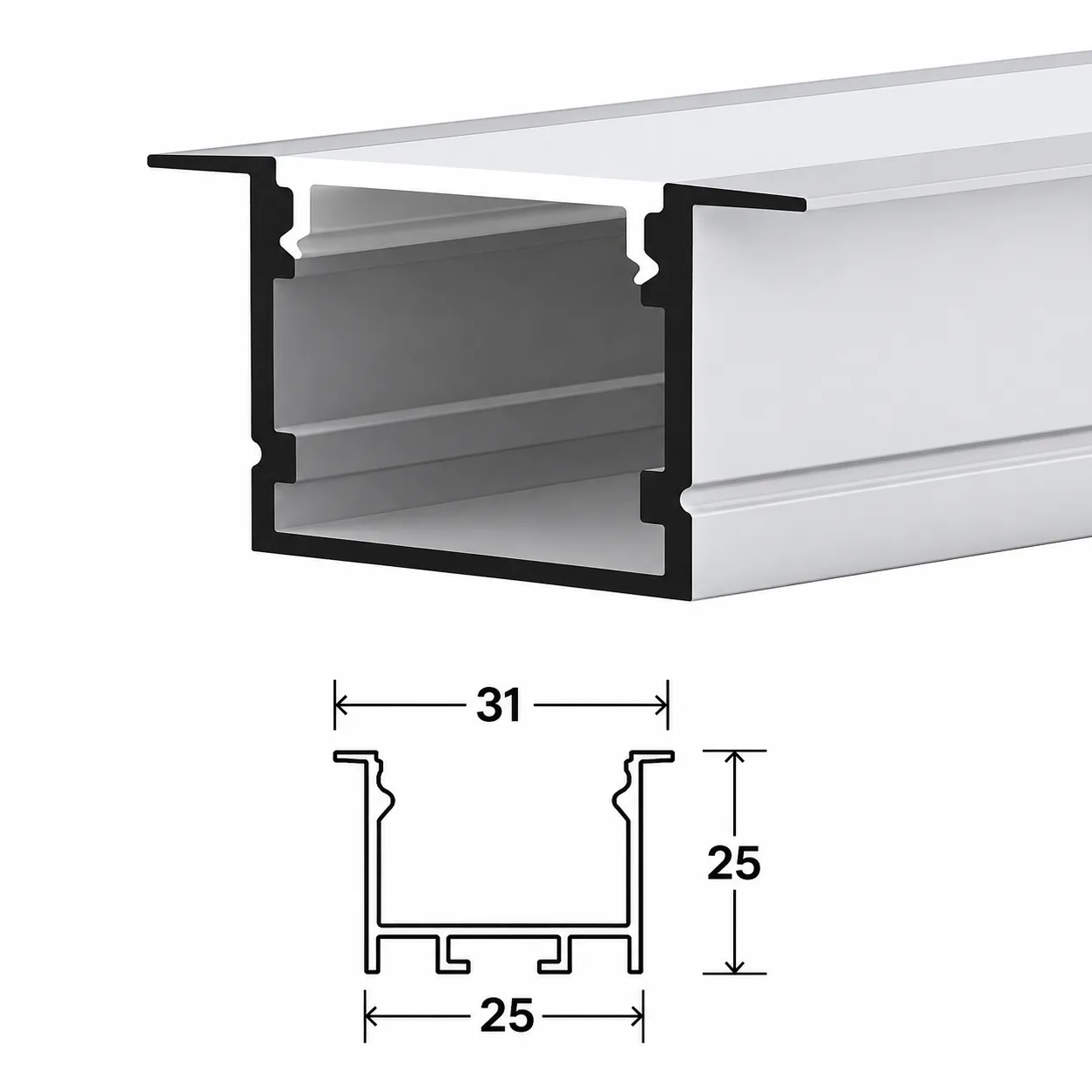
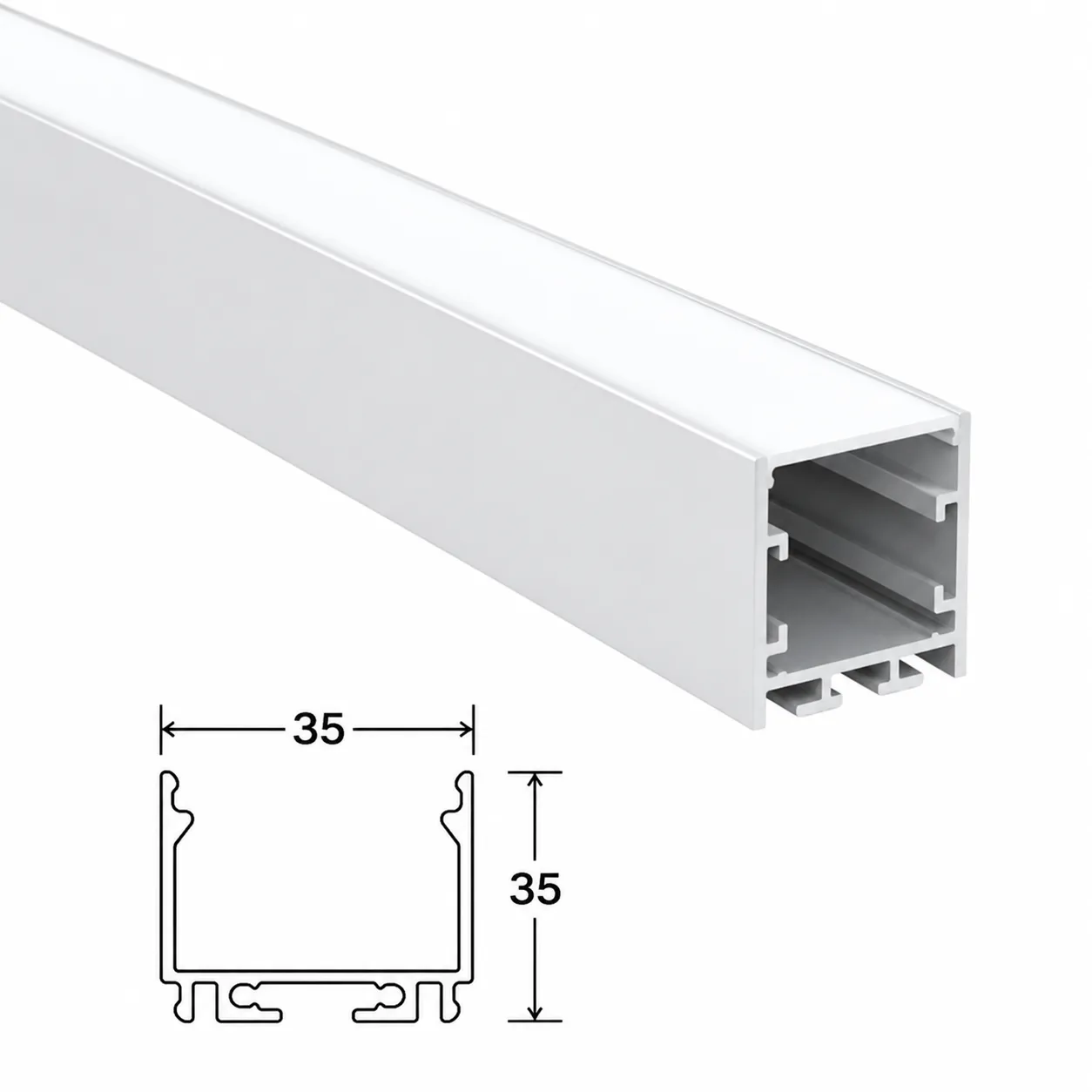
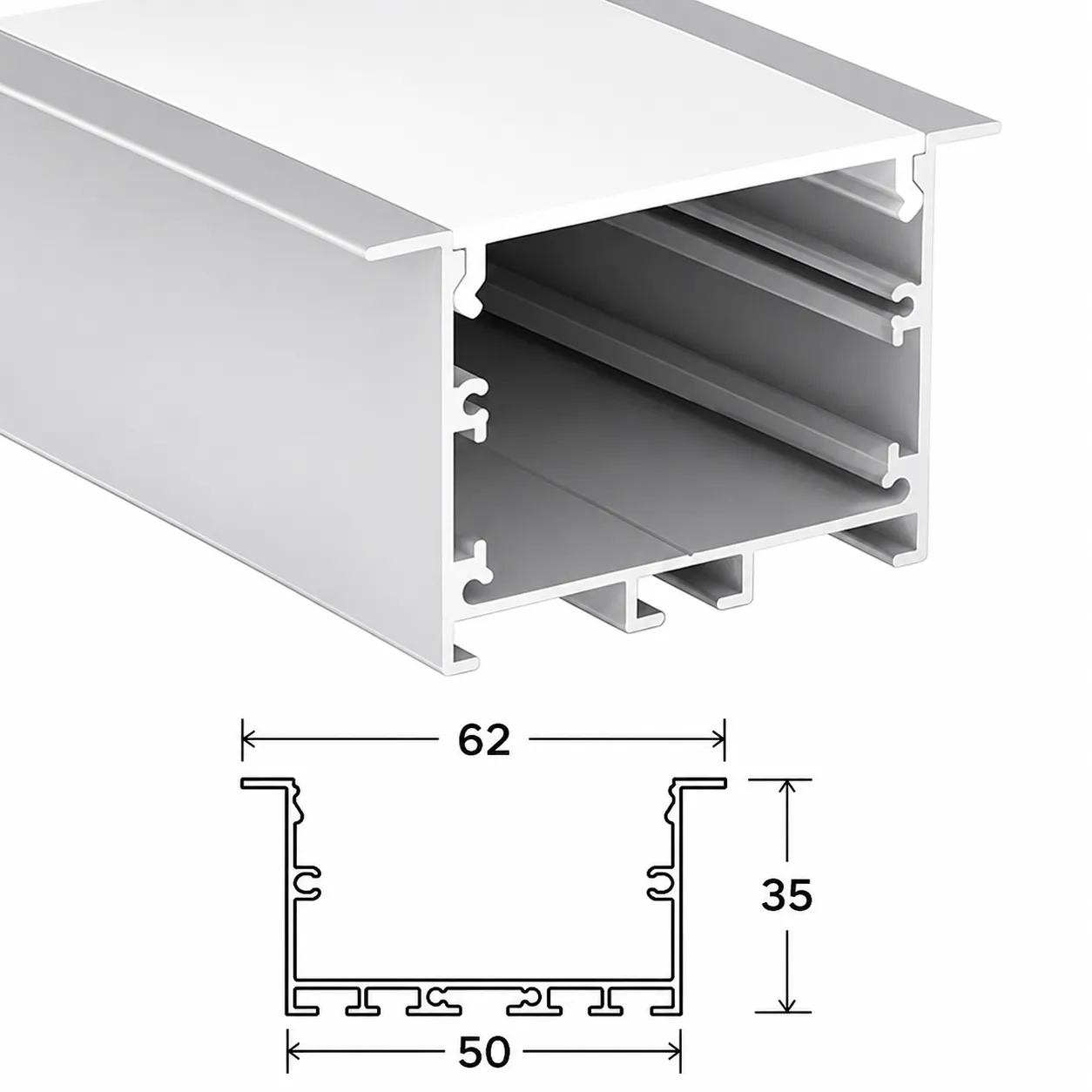
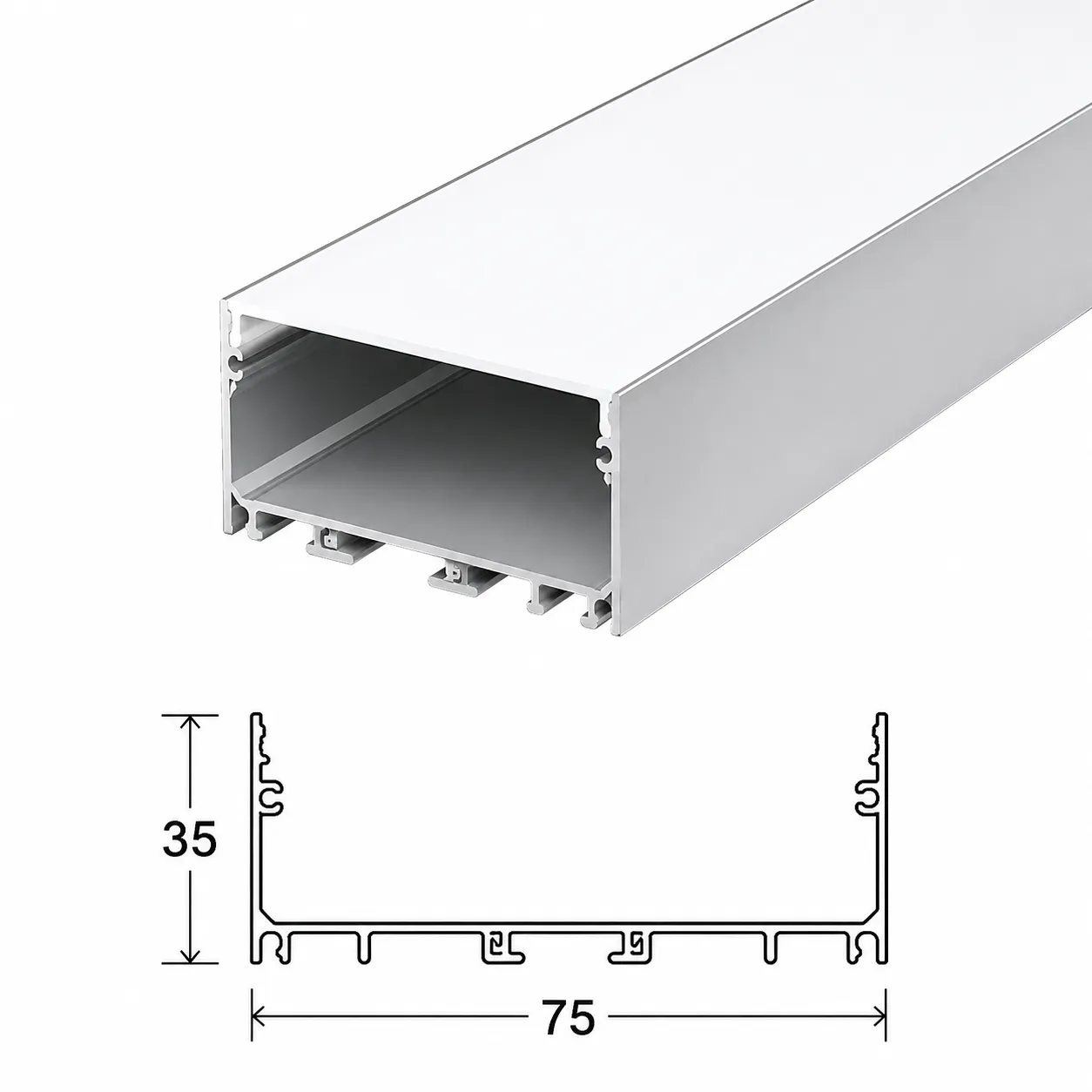
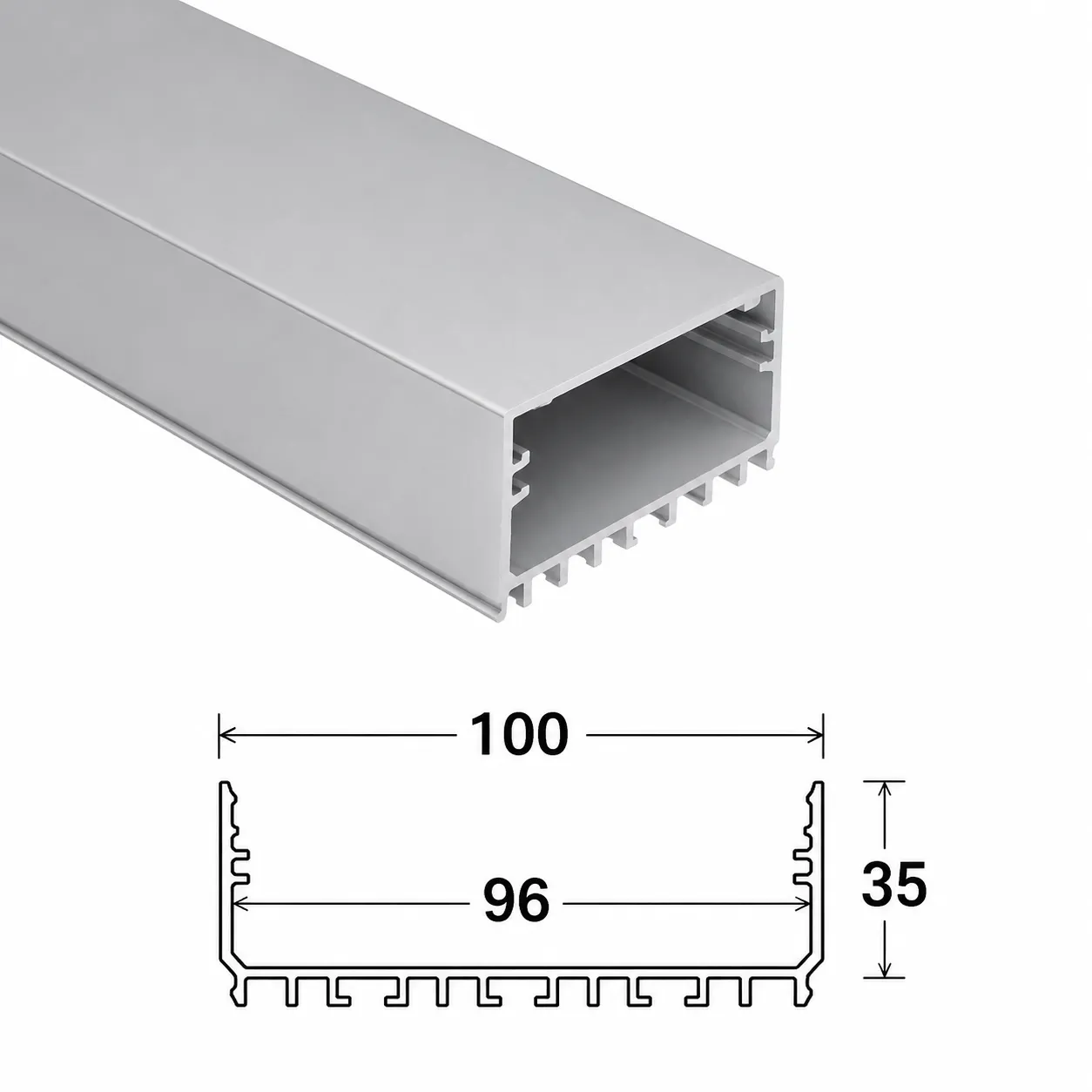
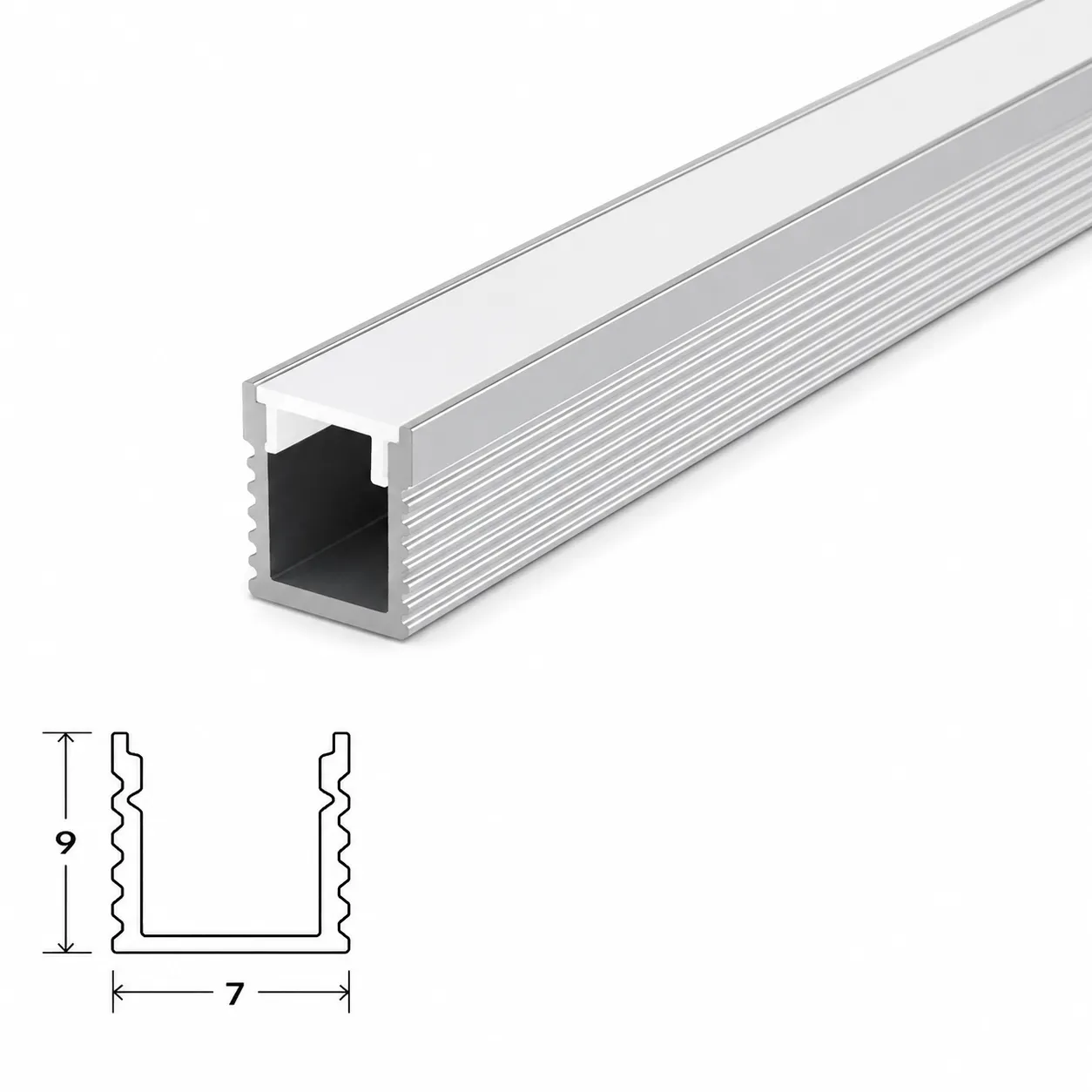
  2. 02Profile width. Narrow profiles (7mm to 17mm) for delicate residential accents and furniture lighting. Mid-size (20mm to 35mm) for ceiling coves, reveals and bedroom features. Wide (50mm to 100mm) for offices, retail and commercial applications where light output matters more than fixture subtlety.
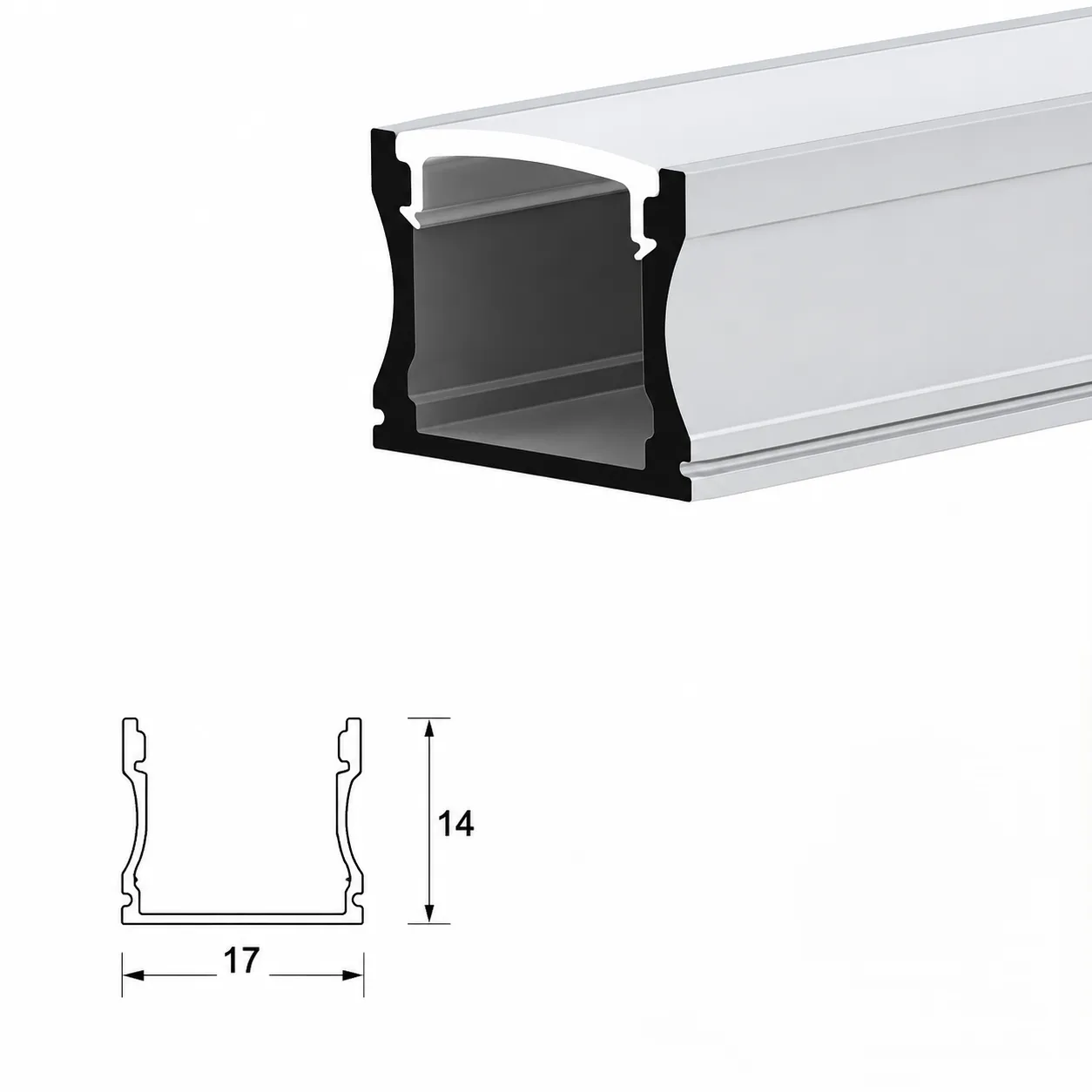
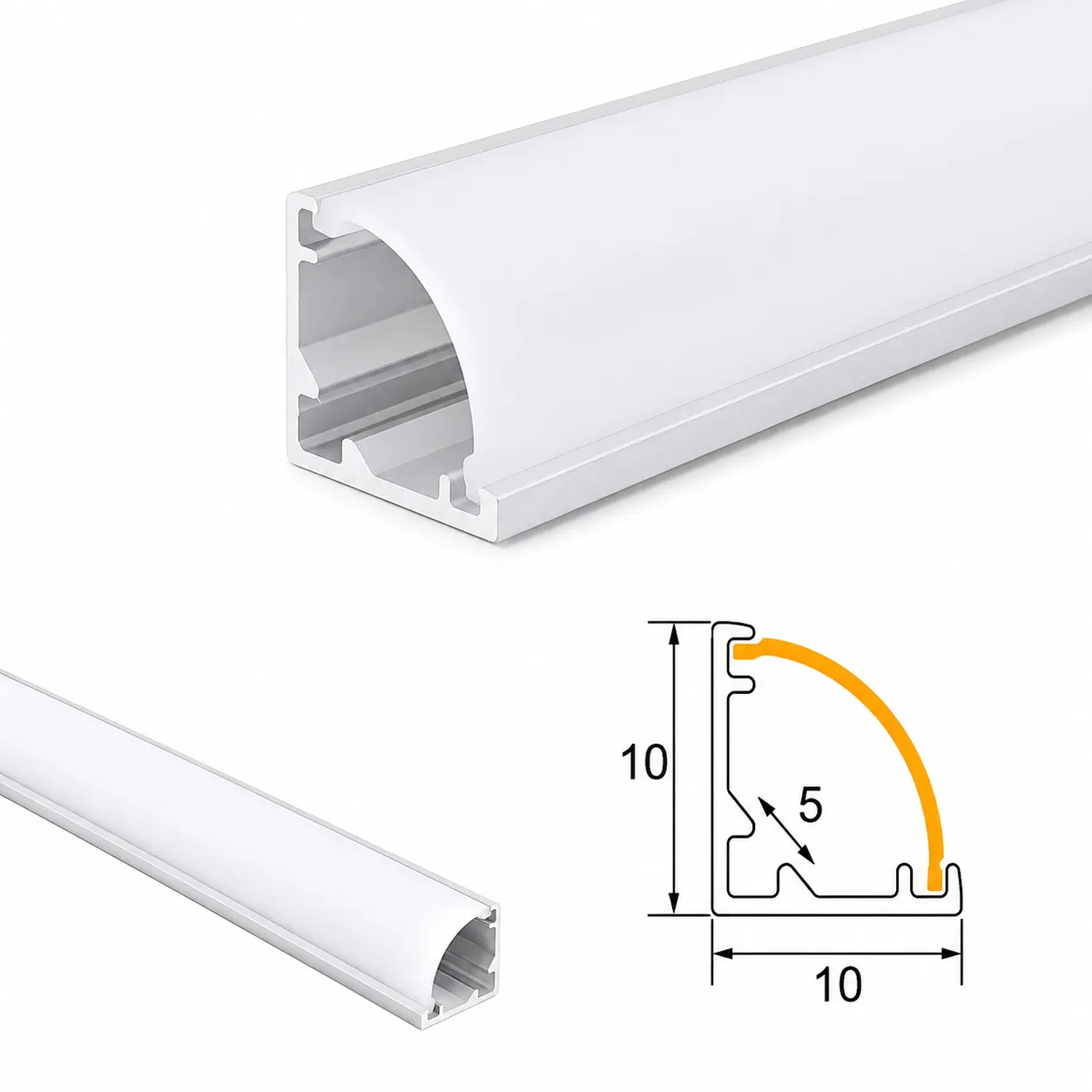
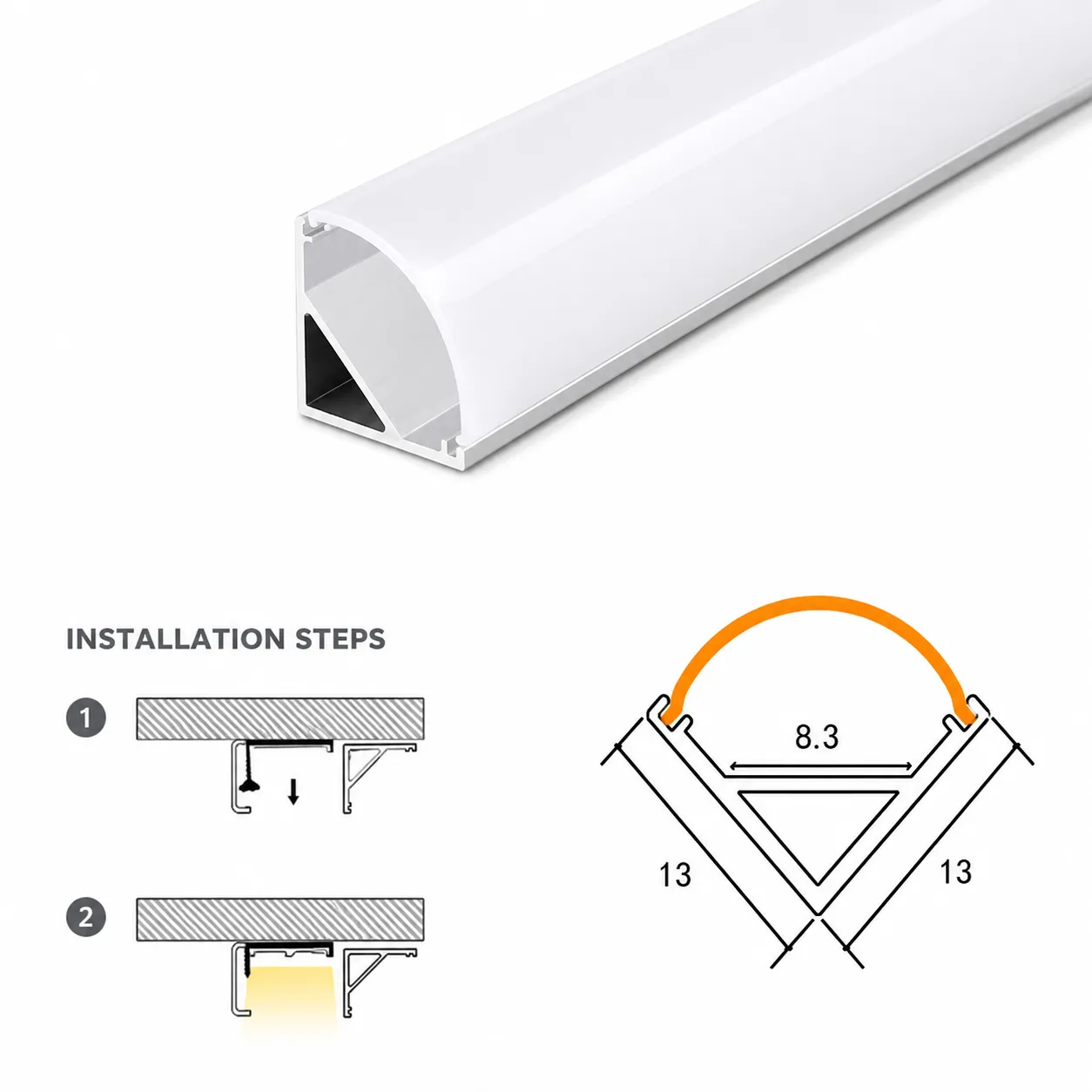
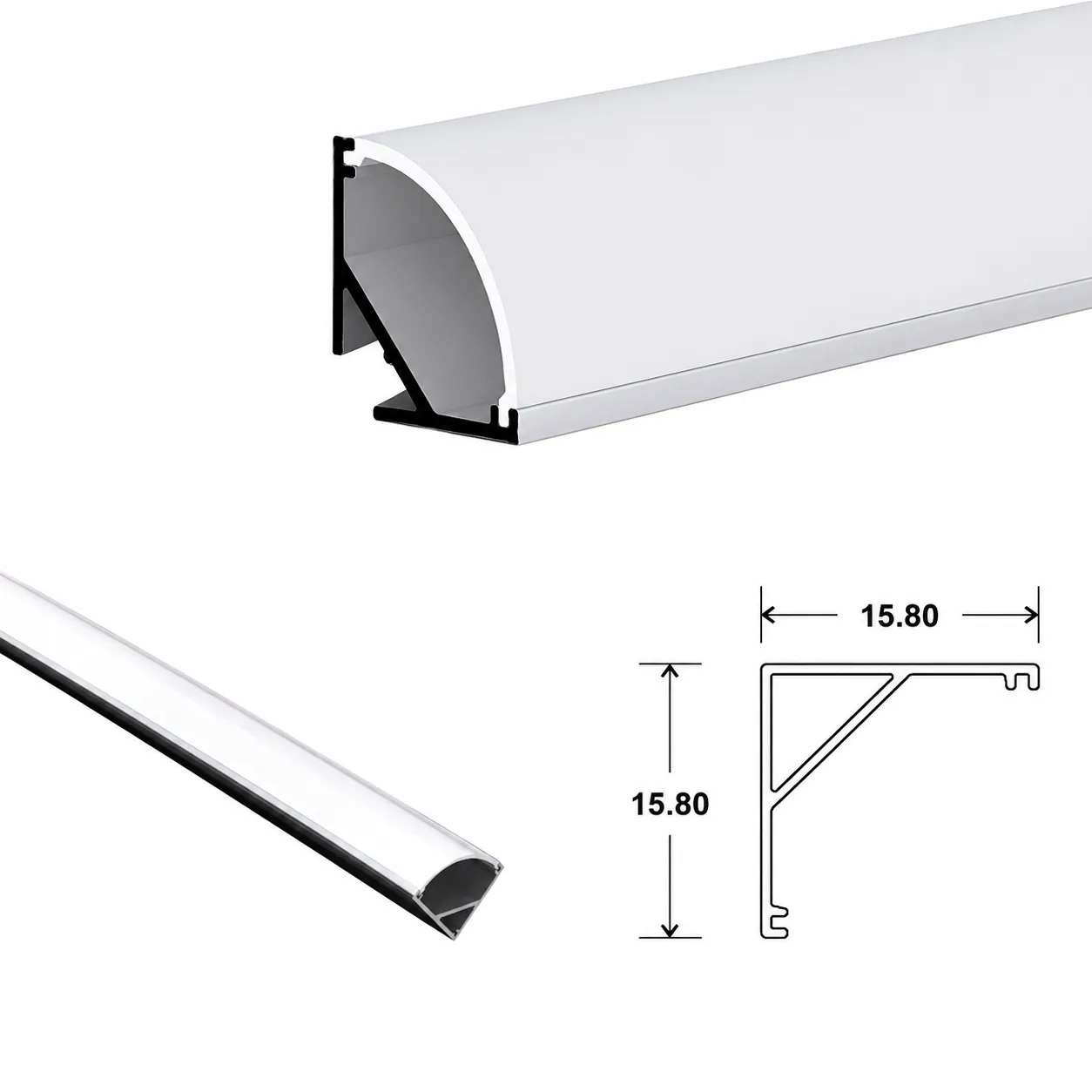
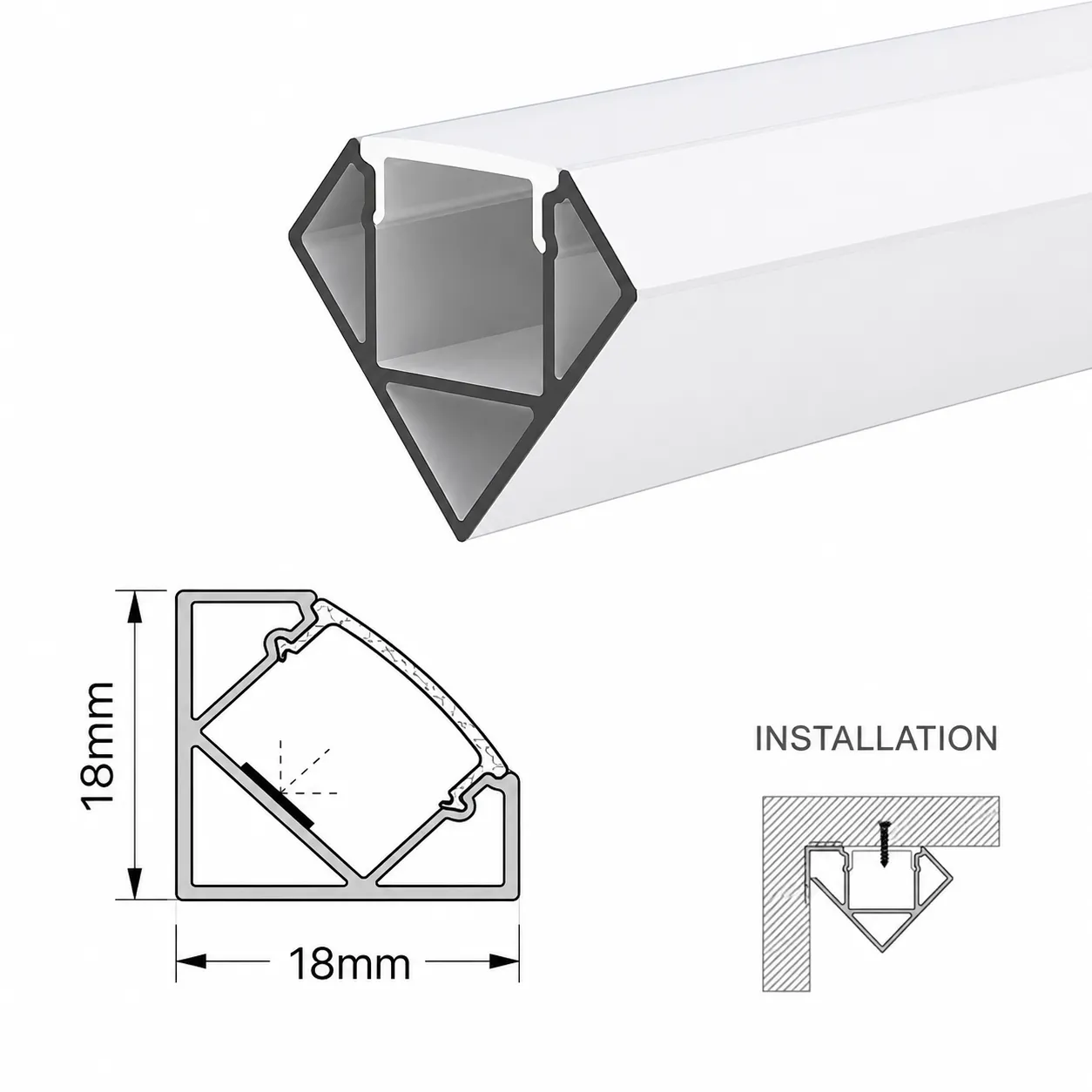
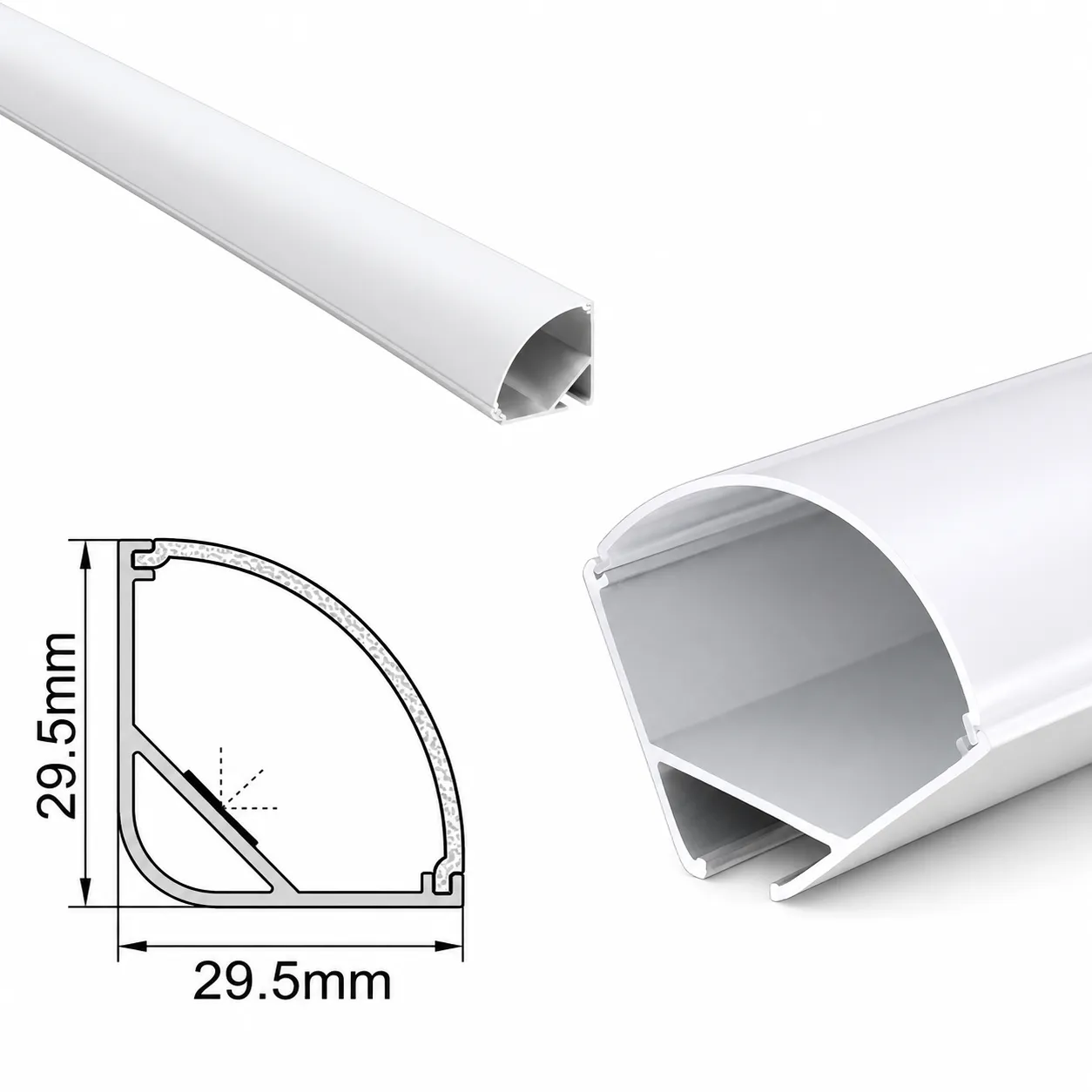
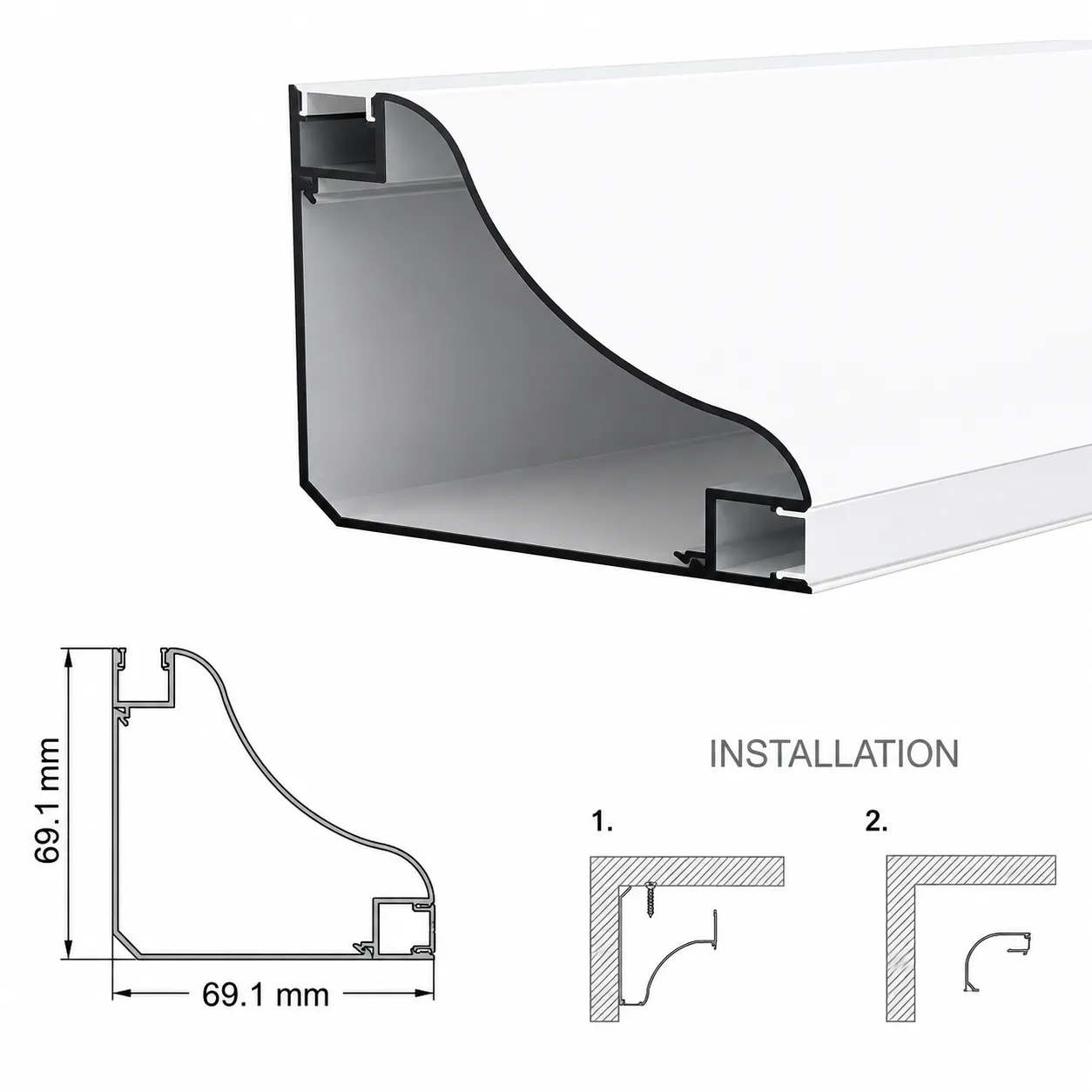
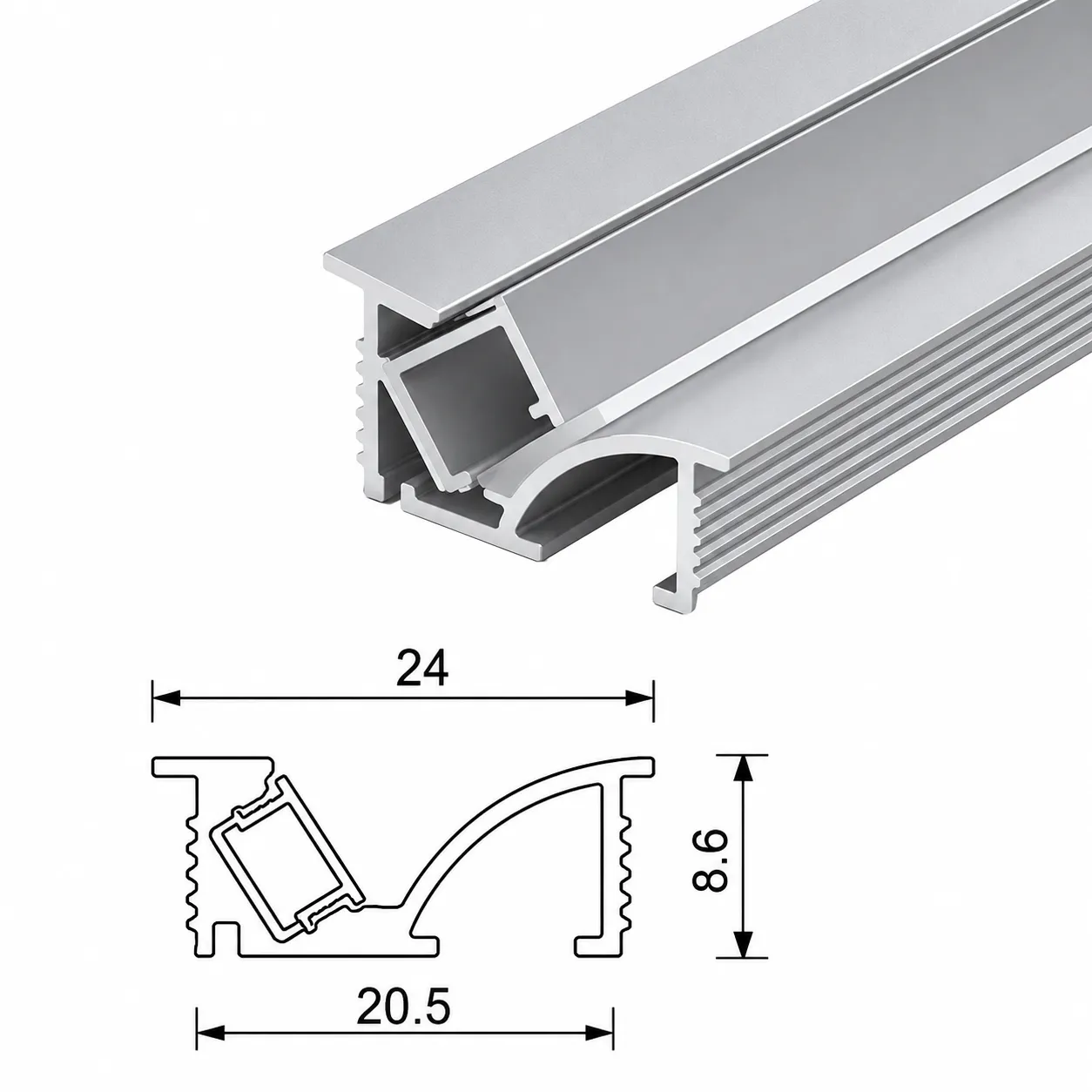
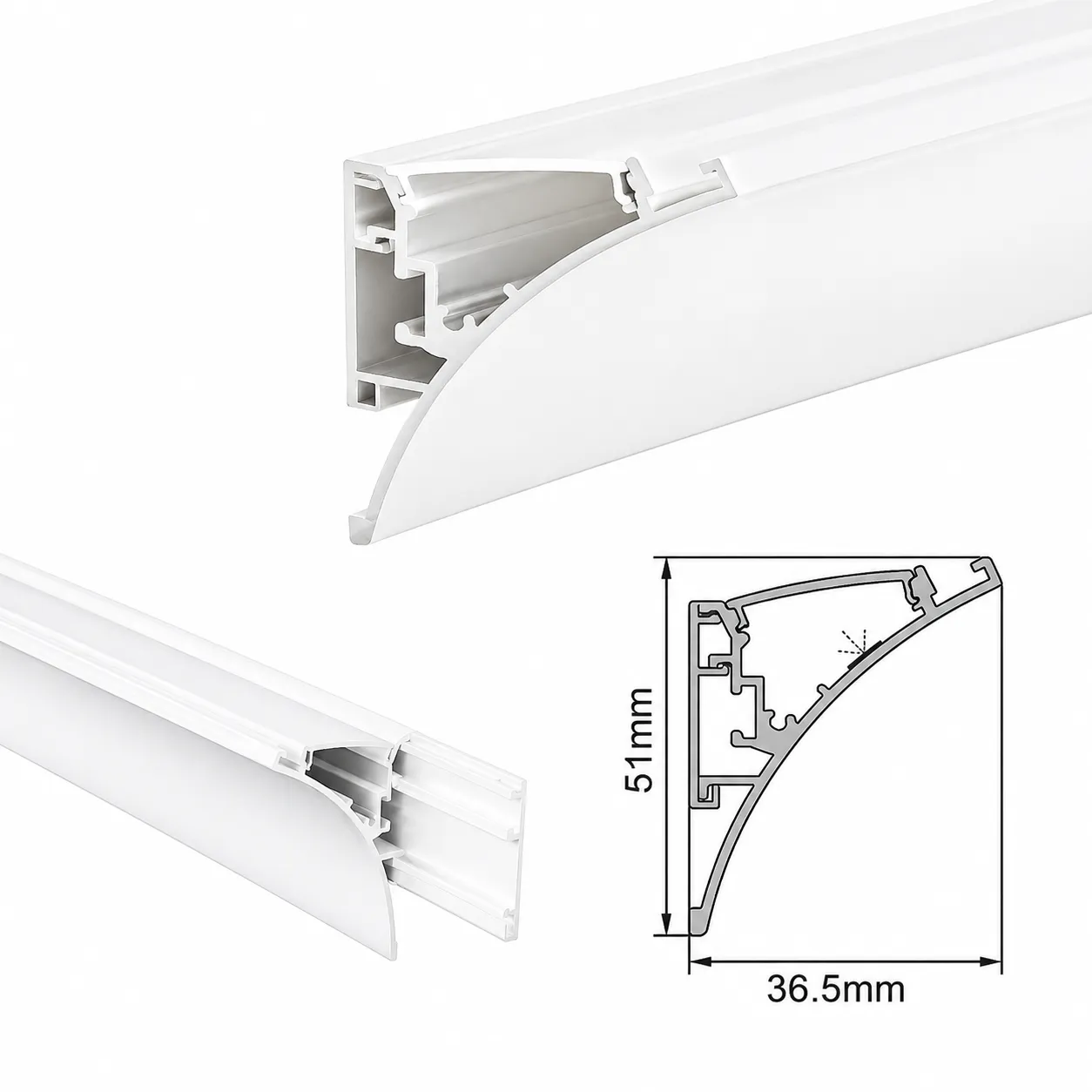
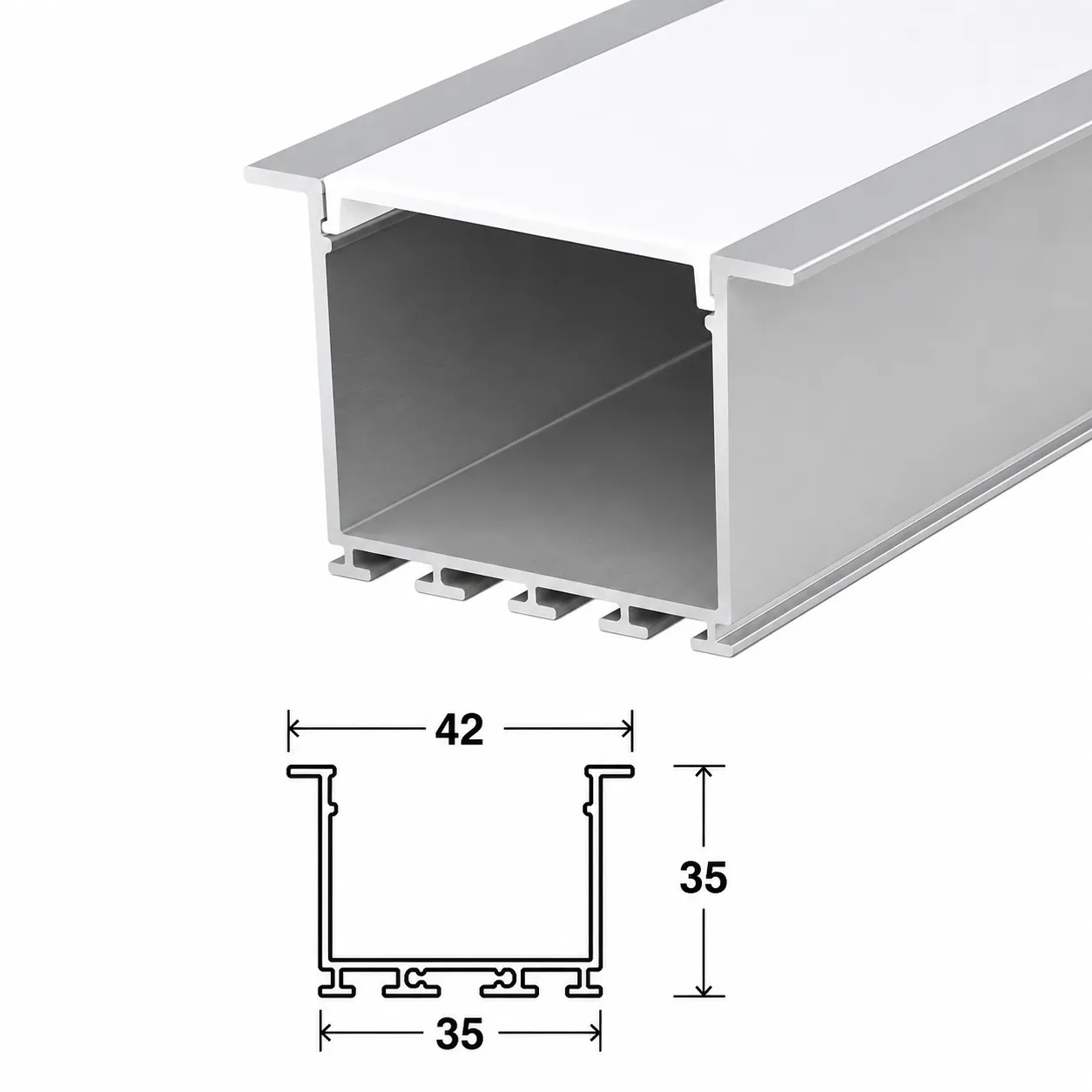
  3. 03Depth / form factor. Standard depths (6mm to 14mm) for slim ceiling lines. Deep profiles (18mm to 36mm) for wall-graze, indirect uplight, and architectural effect lighting. Corner profiles for 45° wall-to-ceiling reveals. Round profiles for tube-style decorative lighting.
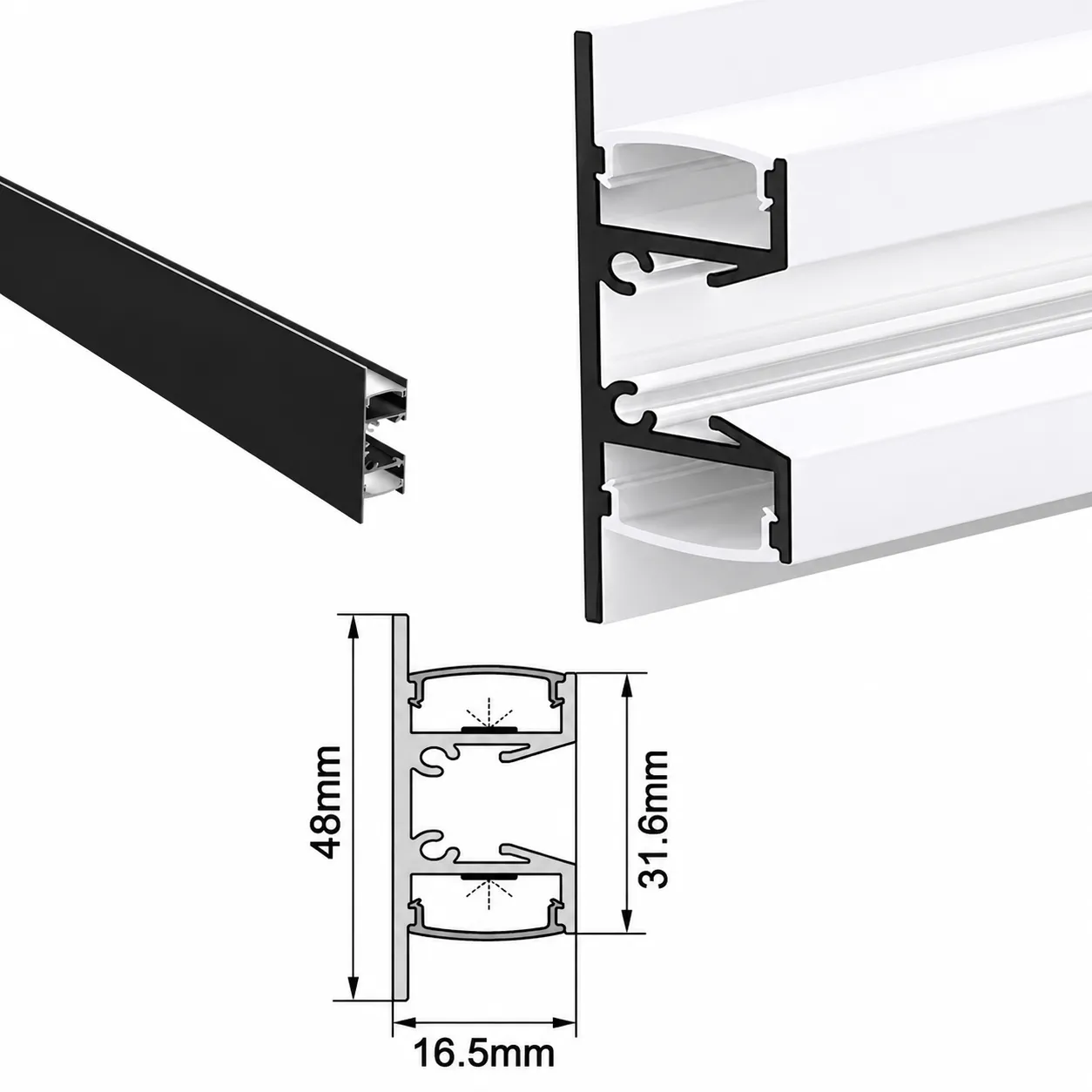
  4. 04Light direction. Down-facing (standard) for ceiling coves and shelf lighting. Up-down for indirect ceiling wash plus task light below. Indirect-only for soft ambient. Curtain grazer for vertical drape lighting.
  5. 05Driver & dimming. Confirm the dimming type per zone before ordering — TRIAC for retrofit residential, 0-10V for offices, DALI for commercial scene control, smart-control for whole-home automation. Our team confirms driver compatibility at quotation.

Browse by family

All 53 linear profiles.

Tap any model for dimensions, mount type and quotation. Wattage, colour temperature, CRI and driver details confirmed at quotation.
53 products

Standard Linear Profiles

16 models
Corner Profiles
6 models

Furniture Profiles

2 models

Deep & Specialty Profiles

5 models

Large Linear Profiles

16 models

Hanging Profiles

6 models

Round Profiles

2 models

FAQs

Common buyer questions.

Quick answers to the questions homeowners, architects and designers ask us most often about linear profile lighting.

What is a linear profile light?

A linear profile light is an aluminium channel with an integrated LED strip and diffuser cap, used for continuous architectural lines along ceilings, walls, coves and furniture. The aluminium body acts as a heat sink and the diffuser hides individual LED dots, giving an even glow.

Difference between linear profile light and LED strip?

Bare LED strip has no heat sink, no diffuser and no protection — the dots are visible and the lifespan is shorter. A linear profile is an extruded aluminium channel that holds the LED strip, dissipates heat for longer life, and includes a frosted diffuser cap that produces an even line of light. For any architectural application, linear profile is the better long-term specification.

What sizes do linear profiles come in?

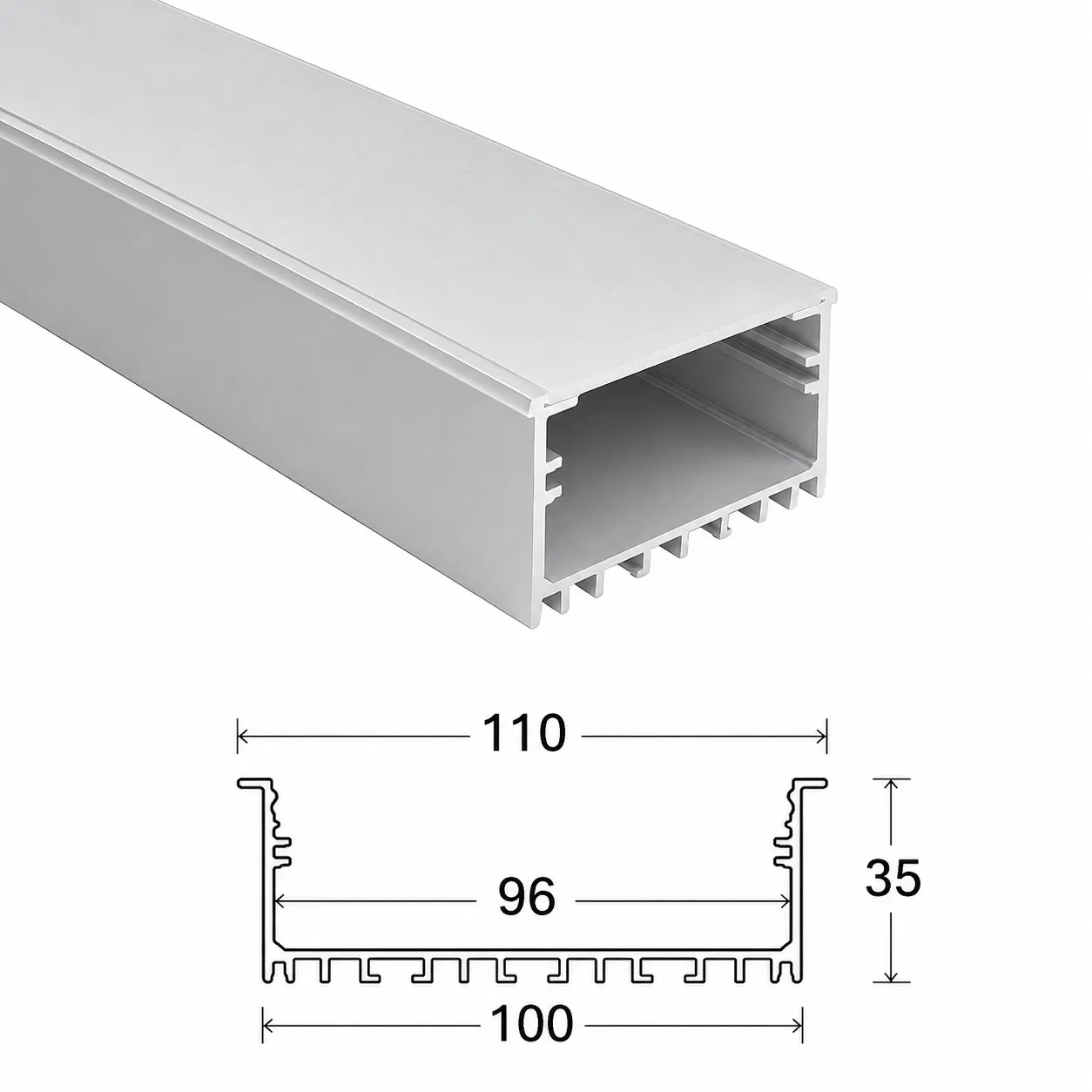
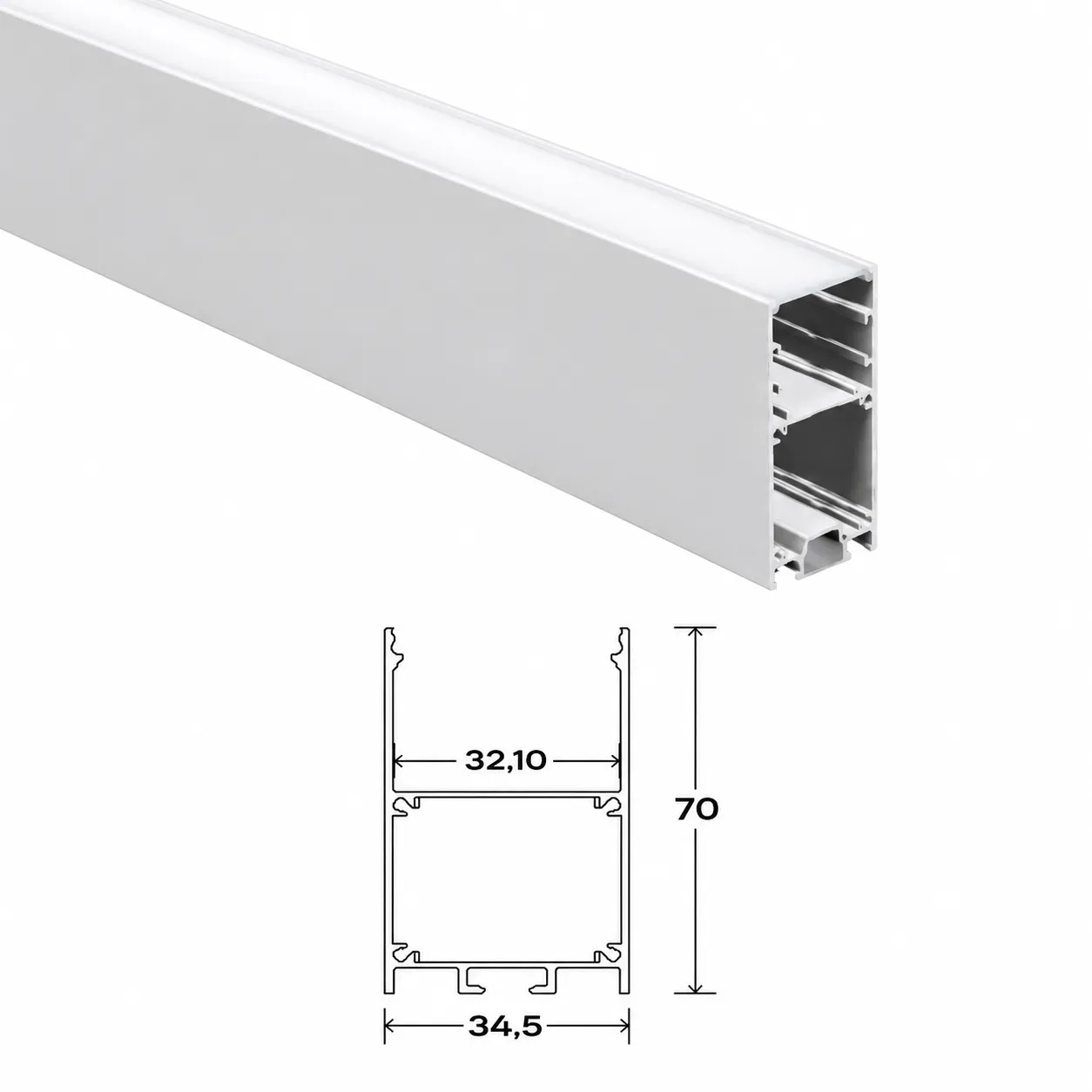
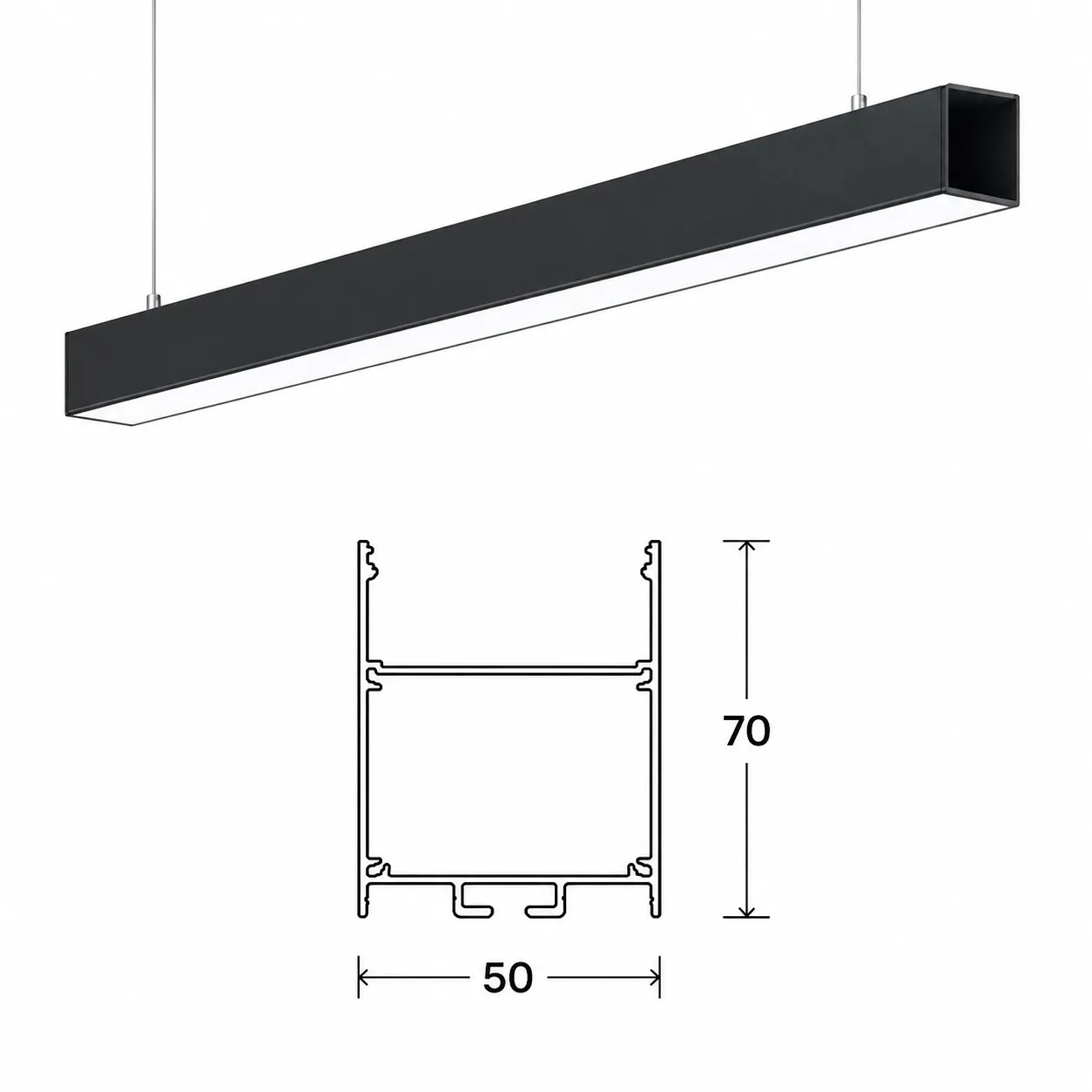
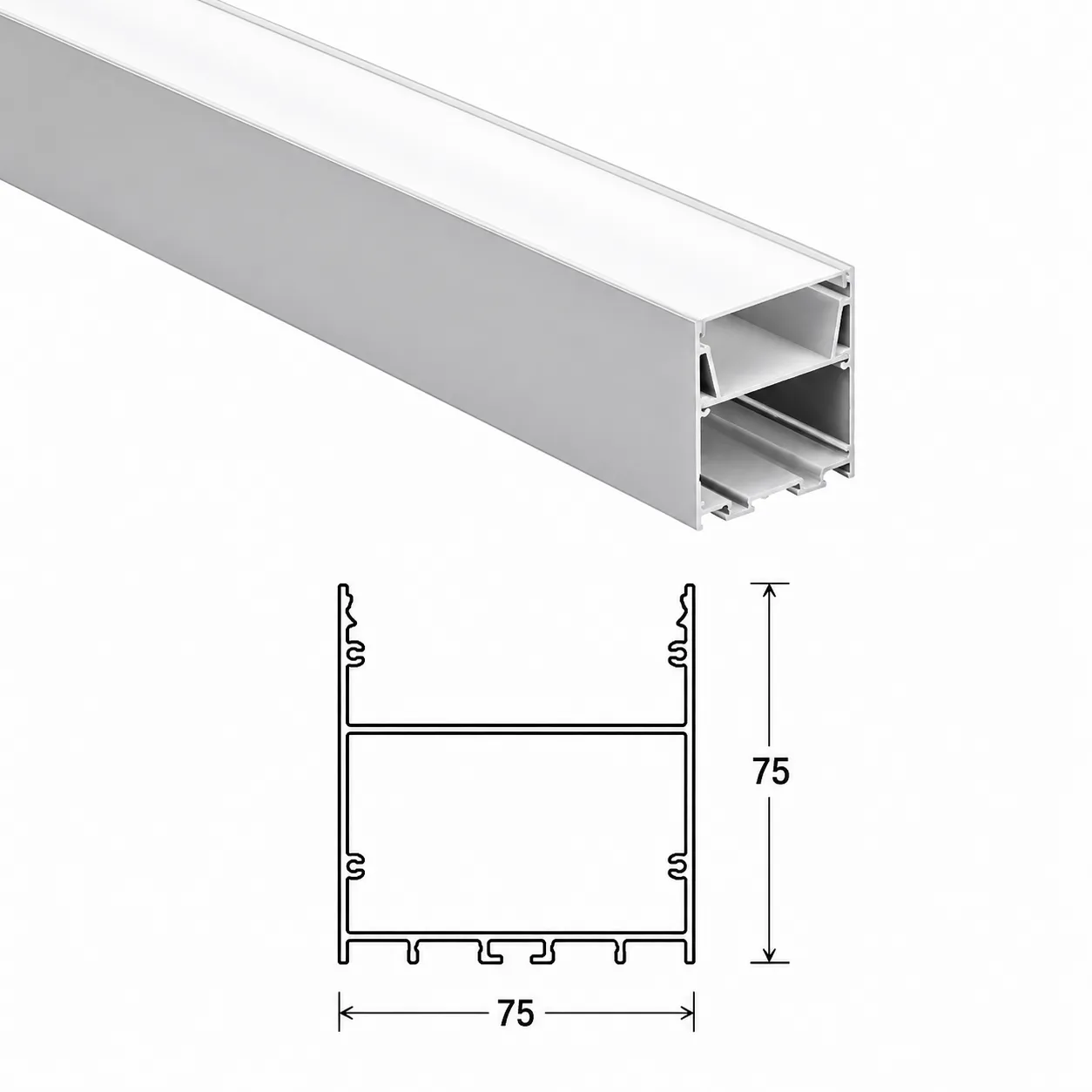
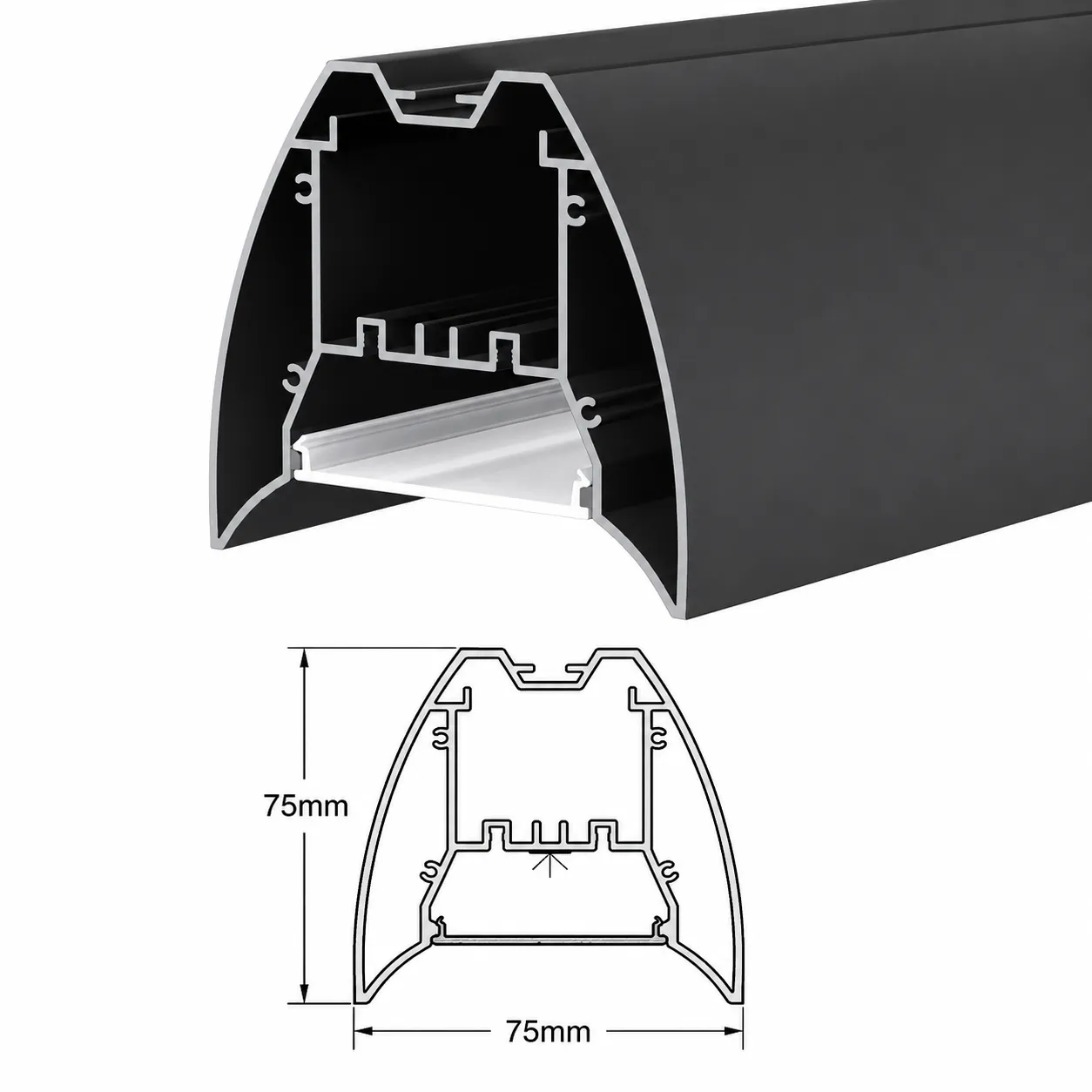
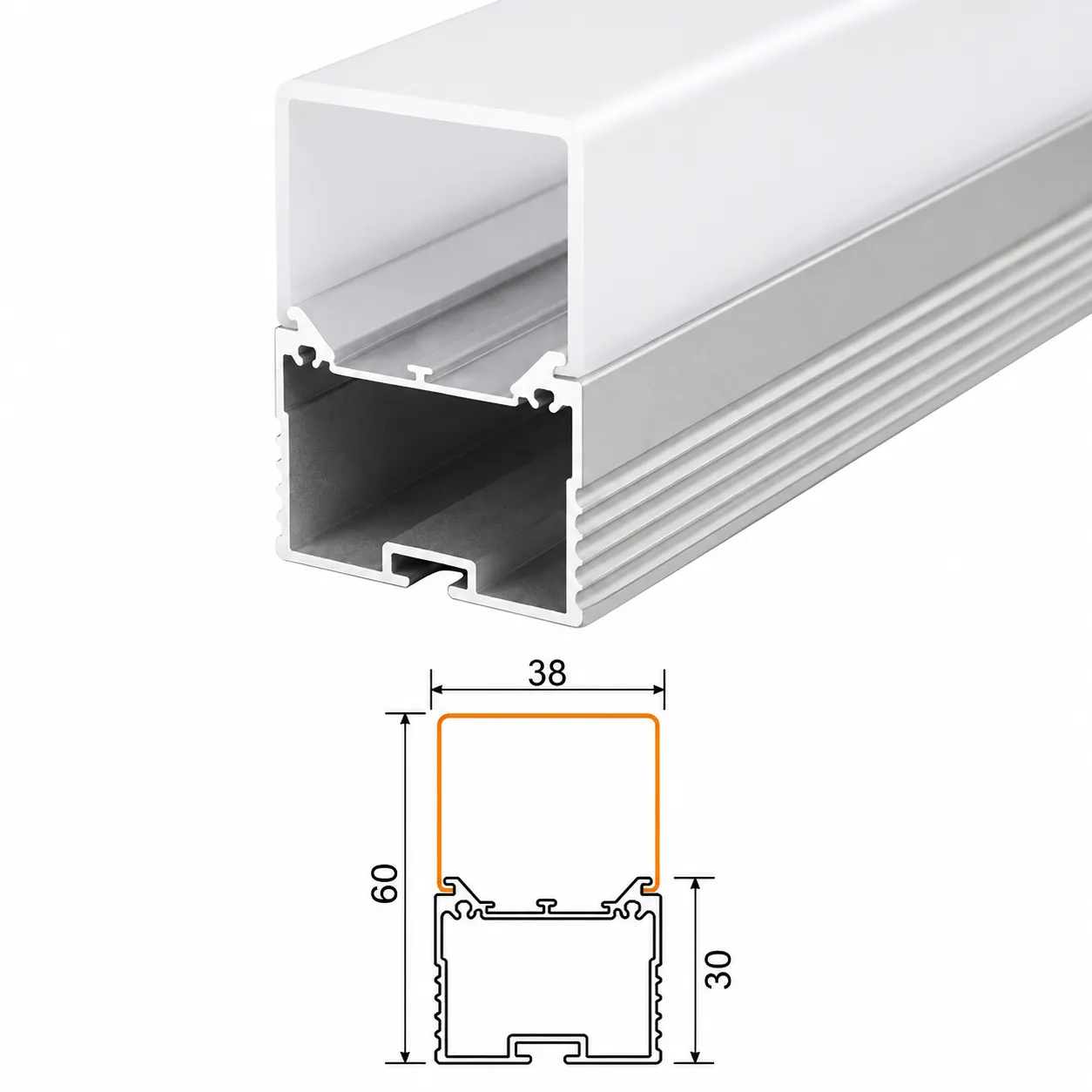
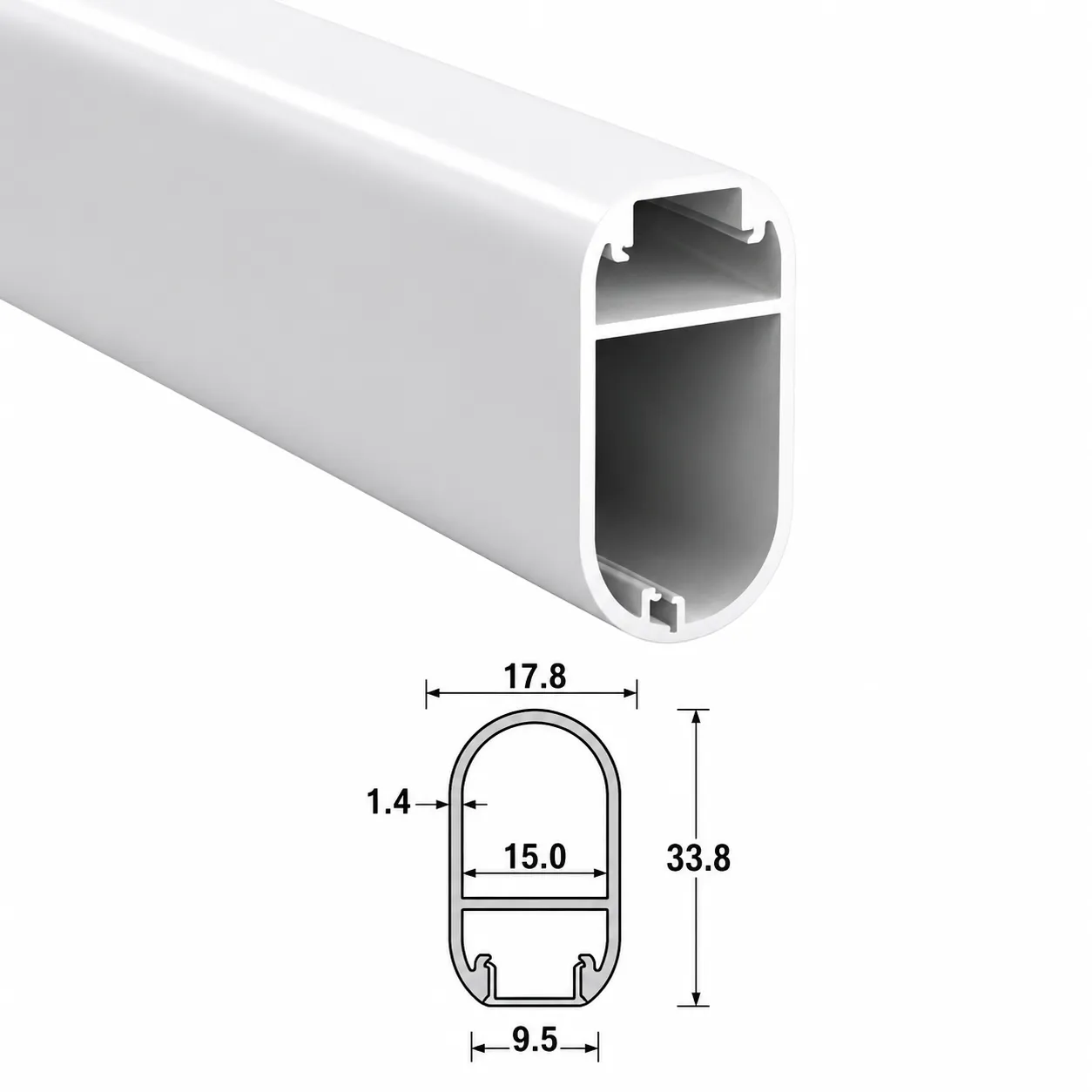
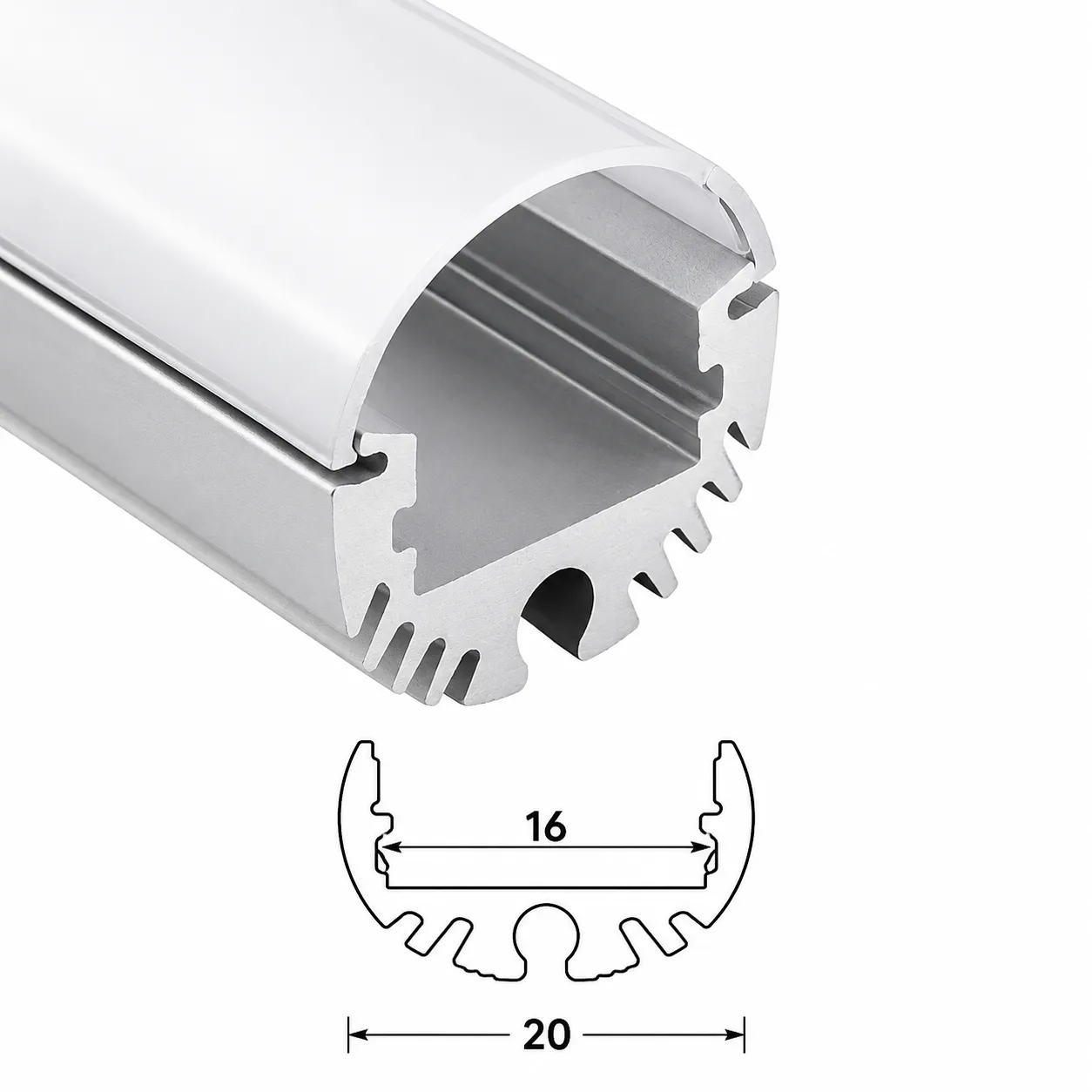
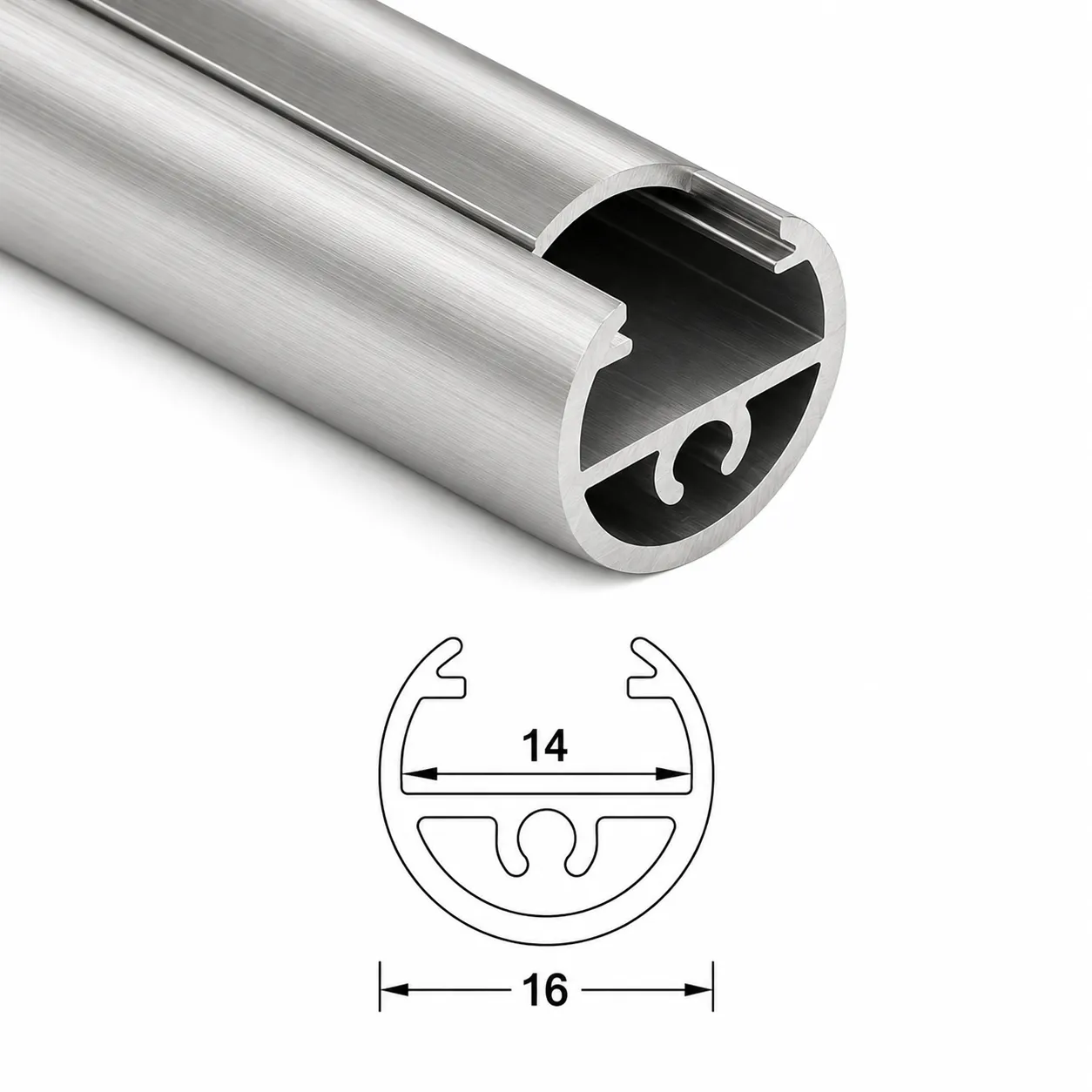
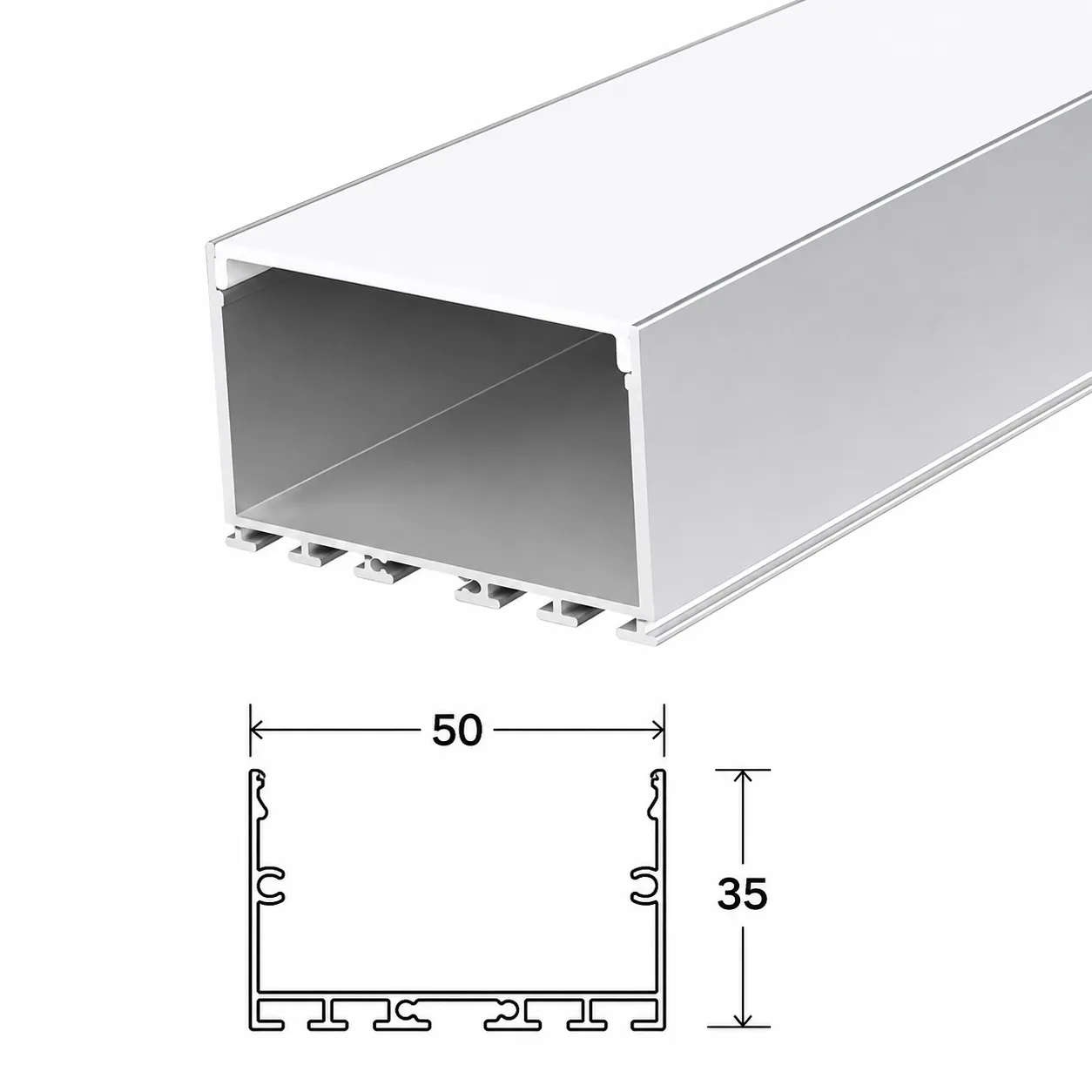
Standard linear profiles range from 7mm to 100mm wide, with depths from 6mm to 35mm. Corner profiles in 10mm to 70mm. Hanging profiles in 32mm to 75mm. Round profiles in 16mm and 20mm diameters. Specialty deep, indirect and up-down profiles cover 18mm to 51mm depths.

Surface or conceal linear profile — which is better?

Surface profiles sit on top of the ceiling or wall with the aluminium body visible — easier to install, no plaster work needed. Conceal (recessed / plaster-in / trimless) profiles are sunk flush into the ceiling so only the light line is visible — cleaner architectural finish but requires a channel cut at the construction stage. Conceal looks more considered; surface is faster to retrofit.

Can linear profiles be cut to length?

Yes — every profile in our catalogue is supplied cut-to-length on order. Send us your room dimensions or ceiling plan, and we will cut each profile to the exact length you need. No on-site trimming, no driver mismatch.

What dimming options are available?

TRIAC, 0-10V, DALI (DT6 / DT8) and Bluetooth / WiFi smart-control dimming are all available, subject to driver choice. Lock the dimming type per zone before ordering — mixing dimming types inside one zone causes commissioning issues. Our team confirms driver compatibility at quotation.